

They Rode In on Scooters, Torched the Shops and Left: The Fire in Shuto Orizari Burned for Three Hours, Setting It Took Fifty Seconds
13.09.2026


13.09.2026

13.09.2026
13.09.2026

13.09.2026

13.09.2026

13.09.2026

13.09.2026

12.09.2026

11.09.2026

13.09.2026

13.09.2026

12.09.2026

13.09.2026

13.09.2026

13.09.2026

13.09.2026

12.09.2026

11.09.2026

13.09.2026

13.09.2026

13.09.2026

13.09.2026

13.09.2026

12.09.2026

09.03.2026

27.02.2026

19.02.2026

13.09.2026

12.09.2026

11.09.2026

23.04.2026

23.04.2026

12.04.2026

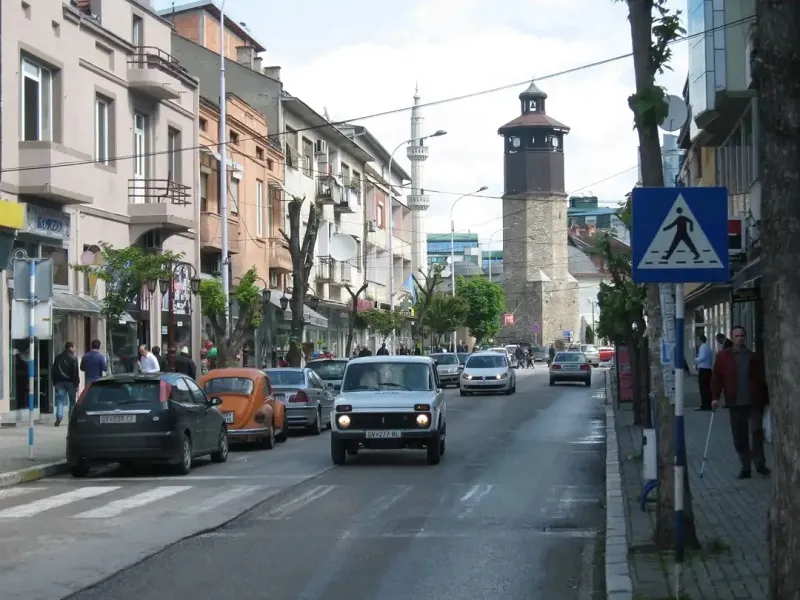
When a whole city is left without drinking water, the authorities' first instinct is to look for a single guilty party - the one who installed the illegal pumps. But the Blueprint group for judicial reform shifted the focus to where it hurts most: what happened in Gostivar isn't an incident, it's a symptom of „serious systemic weaknesses.”
The point is sharp and accurate. It isn't enough to establish who installed the illegal infrastructure. It has to be investigated whether the competent bodies even knew about the risk of contamination - and if they did, why they didn't act in time to prevent or limit the damage. The question isn't „who turned on the pump,” but „who was supposed to notice it and didn't.”
Blueprint is demanding a comprehensive investigation that will cover the monitoring systems, inspection oversight and laboratory analyses - the whole chain that was supposed to work and clearly didn't. The group criticizes both the authorities and the health institutions for failing to give „clear and complete information” on when the water may be used, by what criteria the ban will be lifted and when the situation will return to normal. A citizen forbidden to drink from their own tap has the right to know why and until when.
The political side jumped in at once. The Democratic Union linked the whole epidemiological situation to politicization, party employment and the incompetence of party-appointed officials, and demanded the introduction of a state of emergency, additional measures for food, and laboratory analyses of irrigation water, agricultural products and soil. The demands are reasonable; the question is why it took a disaster to remember them.
This is the test Gostivar sets before the whole system. If responsibility ends with three people from one utility company, while the monitoring, inspection and health oversight that let it slip through the cracks remain untouched, then the next city is just waiting its turn. A systemic weakness isn't cured by a single arrest - it's cured by institutions that work before the damage, not after it.
The latest 10 news from this category
Ivanovska recalls why Vodno was forested in the first place. Gerasimovski says the court annulled the old plan and a...

Three Bulgarian ministries, MPs from different parties and flags inside the medical centre. MAEI asks why a check-up in a...
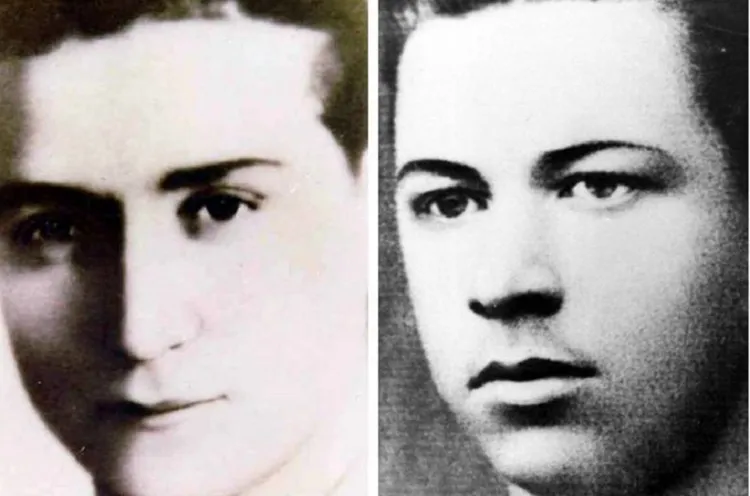
Flowers were laid in Bitola for Stefan Naumov and Dimitar Bogoevski. Behind the anniversary stand two biographies that ended at...
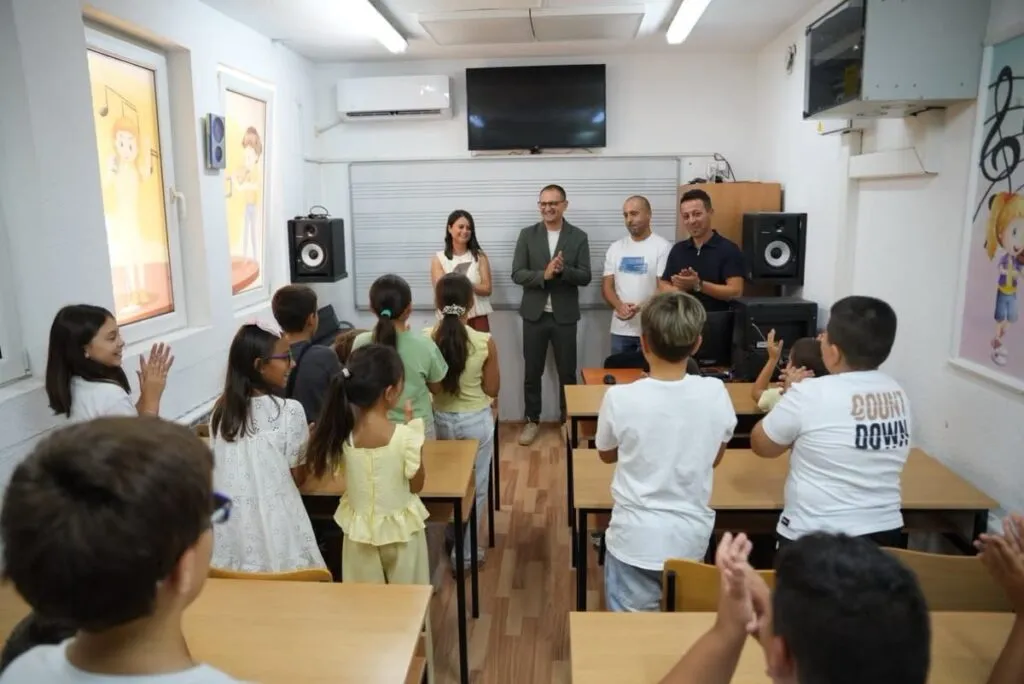
Eighty children do not simply appear out of nowhere. The question no ceremony answers is whether there are enough instruments...
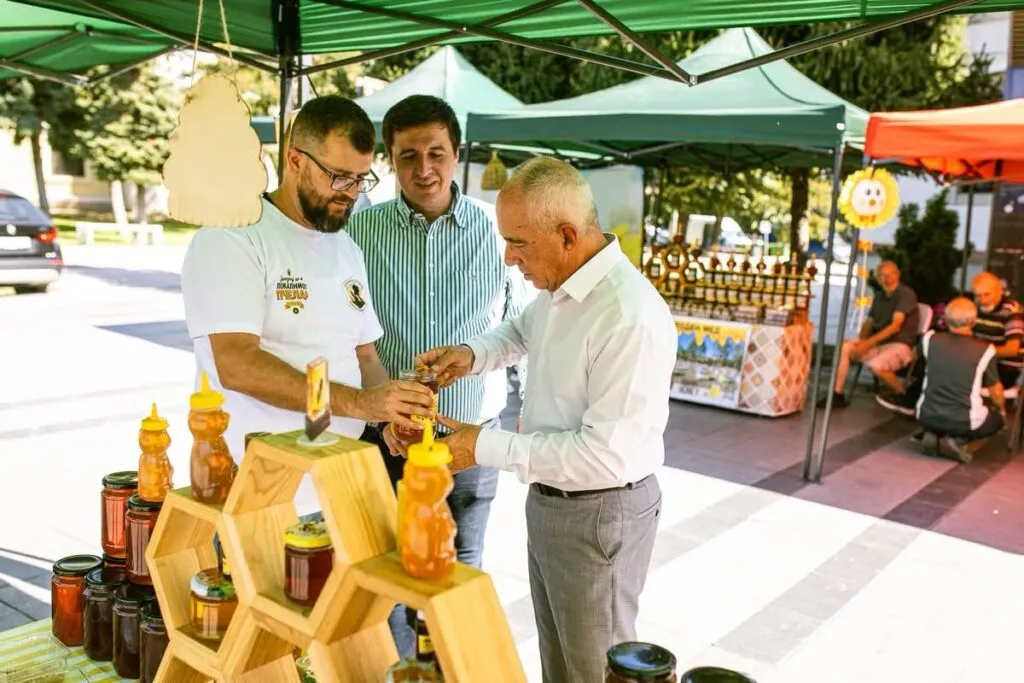
When you buy honey from the man who tells you which village it came from, you bypass the entire trade...
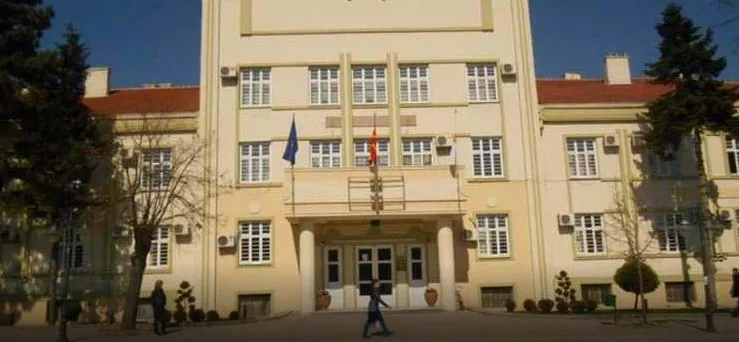
Any citizen can submit a nomination. That is exactly where these competitions either come alive or become an internal affair...
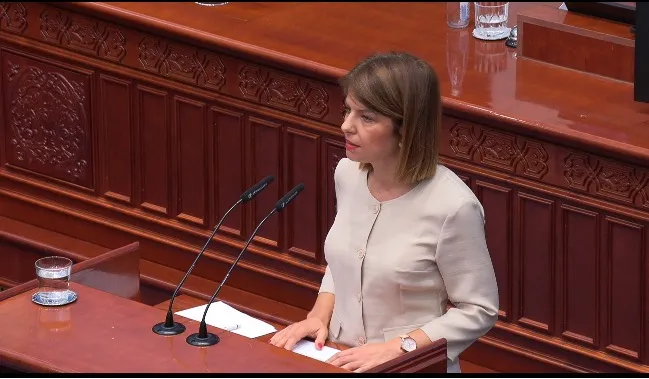
The minister answered that pupils are not a risk group because the youngest patient was 25. The MP had asked...
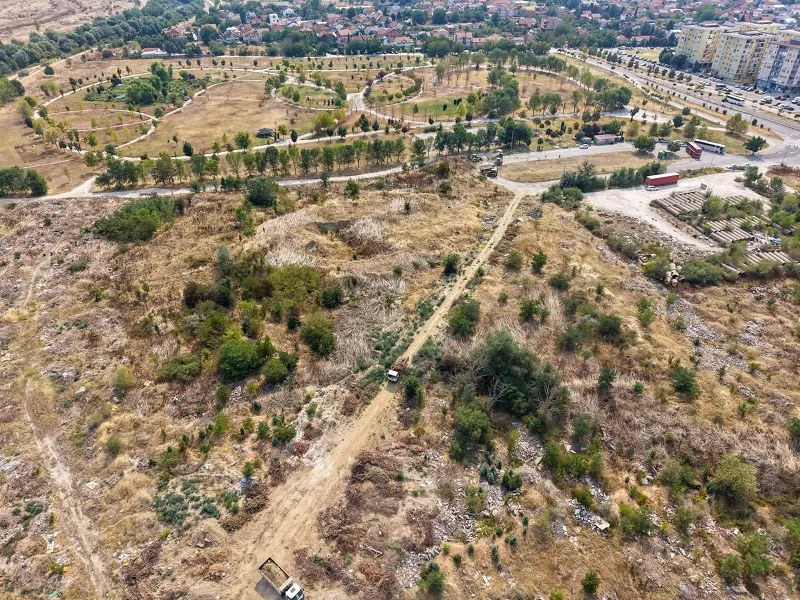
For five years after the promise, the dump stayed a dump. The two neighbouring parks tell the story that comes...
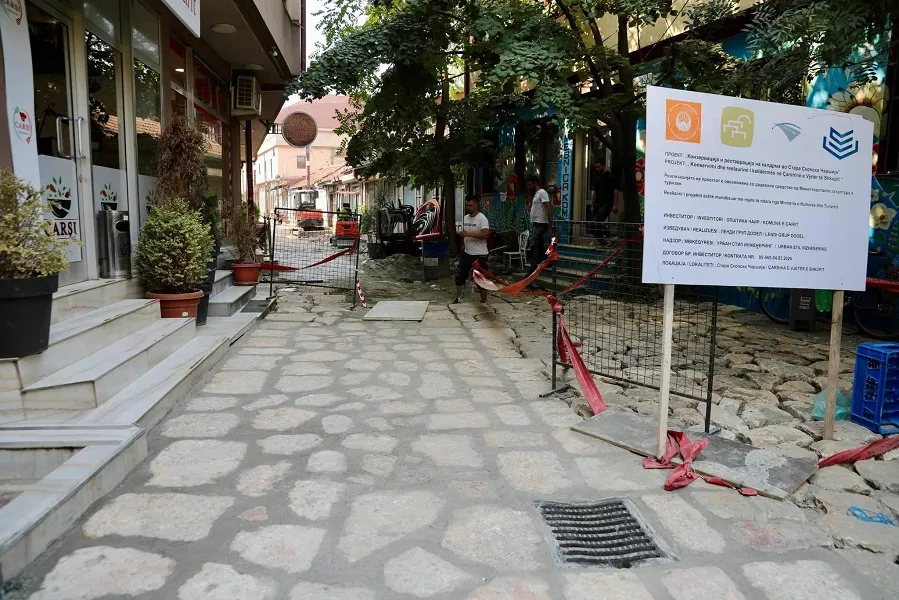
The most visited historic space in Skopje waited fifty years for someone to replace the pipe under the cobblestones. The...

There is a route, there is a presentation and there is agreement that the road is needed. There is no...
This site uses cookies - is that okay? Learn more
Be the first to know when Metla launches something new
Leave your email and we will write when there is a new guide or something new on Metla.
