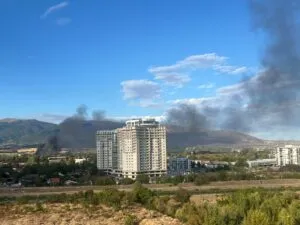
Black Smoke Over Skopje: A Paint and Varnish Warehouse Burned Inside the Old Steelworks
23.09.2026


23.09.2026
23.09.2026

23.09.2026

23.09.2026
23.09.2026

23.09.2026
23.09.2026
22.09.2026

21.09.2026
23.09.2026

23.09.2026

22.09.2026

23.09.2026

23.09.2026

23.09.2026

23.09.2026
22.09.2026

21.09.2026

23.09.2026

23.09.2026

23.09.2026

23.09.2026

23.09.2026

23.09.2026

09.03.2026

27.02.2026

19.02.2026
23.09.2026
22.09.2026

21.09.2026

23.04.2026

23.04.2026

12.04.2026

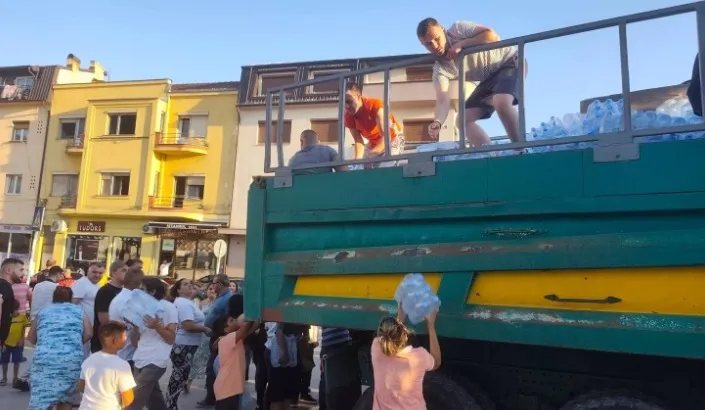
One month. That is how long the people of Gostivar have been without drinking water from the tap. Not one day, not one week - a month and counting. And in that month, the most concrete thing they have received is a sentence saying the situation is „significantly improved, but it takes time”.
Stojanče Angelov, who heads the crisis headquarters, said the quality of the water in Gostivar has improved significantly and the latest findings are much better than the previous ones, but that time is needed before the water can be declared safe to drink. Until then it remains technically usable - for washing, not for swallowing.
The number that carries the whole weight of the story is a different one: over 4,000 residents reported ill. That is not a statistic for a report, those are four thousand people who fell ill from something coming out of a public tap in a European town in 2026.
There is a positive trend too. Hospital director Emri Bajrami says the number of patients has fallen considerably and that only two cases with mild symptoms remain hospitalised in the infectious diseases ward. The health minister confirmed that several bacteria and viruses were detected in the samples taken, with findings varying depending on the sampling location.
Who pays for water that must not be drunk
The ombudsman issued a recommendation that makes sense without a single line of legal commentary: the residents of Gostivar should be released from paying water bills for the period in which the water was contaminated and unsafe. The ombudsman recalled that a precedent exists - in Struga, the municipal council adopted exactly such a decision for the period of contamination.
The municipality's answer is that the matter is „under consideration”, but it has not yet been put on the council's agenda. Beyond supplying drinking water, the government has provided no other assistance.
The contamination was detected in early July and affected around 5,000 residents, after which an epidemic was declared. Three employees of the municipal utility company were detained on suspicion of a serious environmental offence. The ombudsman also announced an inquiry into the safety of the water sources and the capacity of the public companies managing drinking water.
And here is the figure that explains the whole case best: a water supply project worth 7.2 million euros remains unfinished and is under investigation. Seven million euros spent on a system that does not work, and a resident who keeps receiving a bill for water he is not allowed to drink. Who is going to answer for that - and will anyone at all?
The Struga precedent shows the solution for the bills exists and requires no new law. It requires a decision. After a month, the question is no longer technical - it is whether the municipality considers the resident a debtor or an injured party.
The latest 10 news from this category
The union says staff have endured insults and threats from the court president for years. She says this is really...
The state audit found a system that responds well and plans badly. The reforms were demanded by the EU screening...
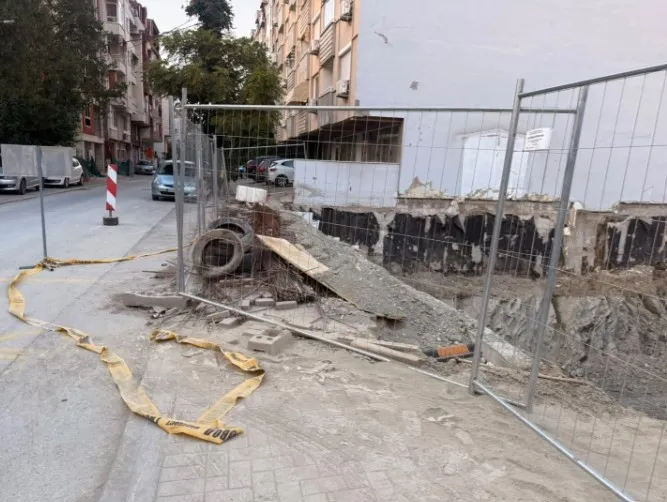
To fine a bar that is too loud, a citizen has to file a complaint at the municipal Registry. The...
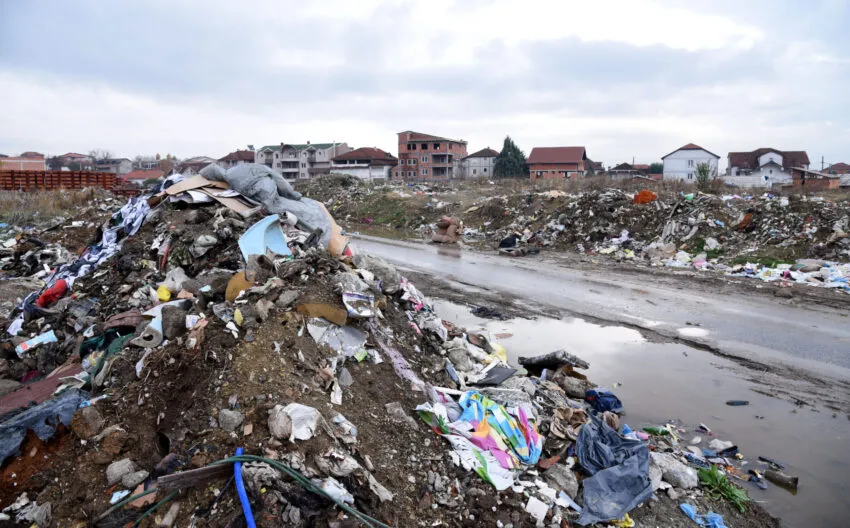
In Montenegro the same offence costs up to 2,000 euros. But the fine is not the only problem: Skopje's municipal...
A month and a half ago 4,900 first-graders were missing, now it is 1,500. Nothing decreased - the data simply...
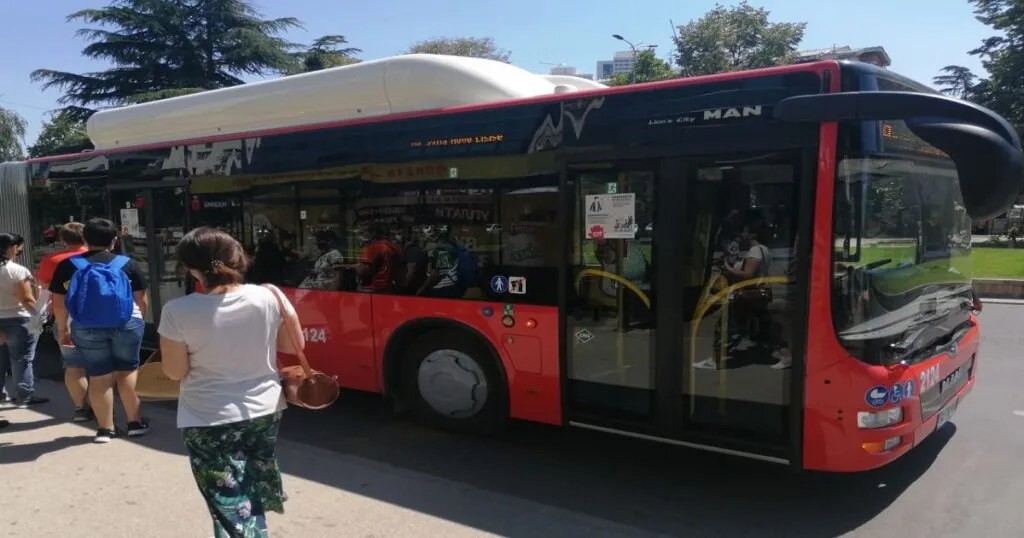
The solution did not come out of a transport study, but out of residents' suggestions. What remains is the most...
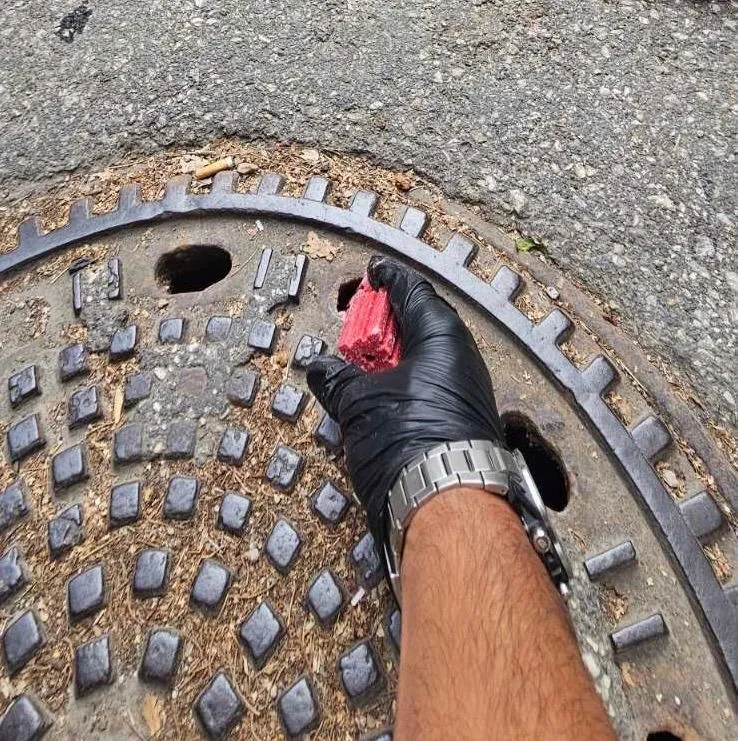
Bunjakovec, Kapištec and Gradski zid are getting poison again. An overflowing bin is food, unsealed sewerage is shelter - and...
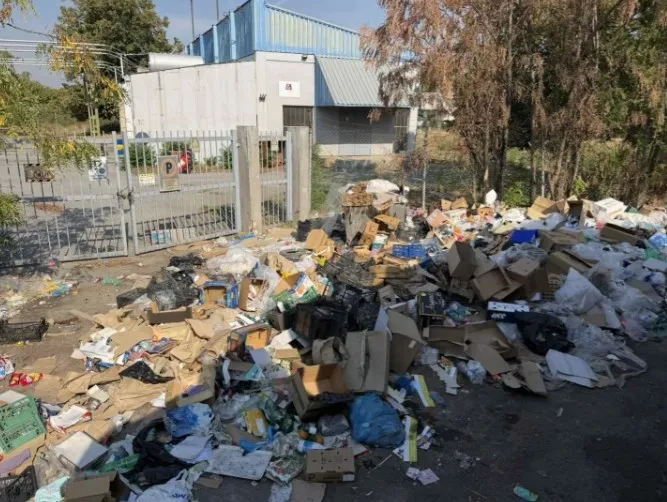
Every cubic metre from the illegal dumps is a bill sent to everyone. What the statement leaves out is the...

This year's European Mobility Week theme is intergenerational fairness - the decisions made about a city are paid for by...
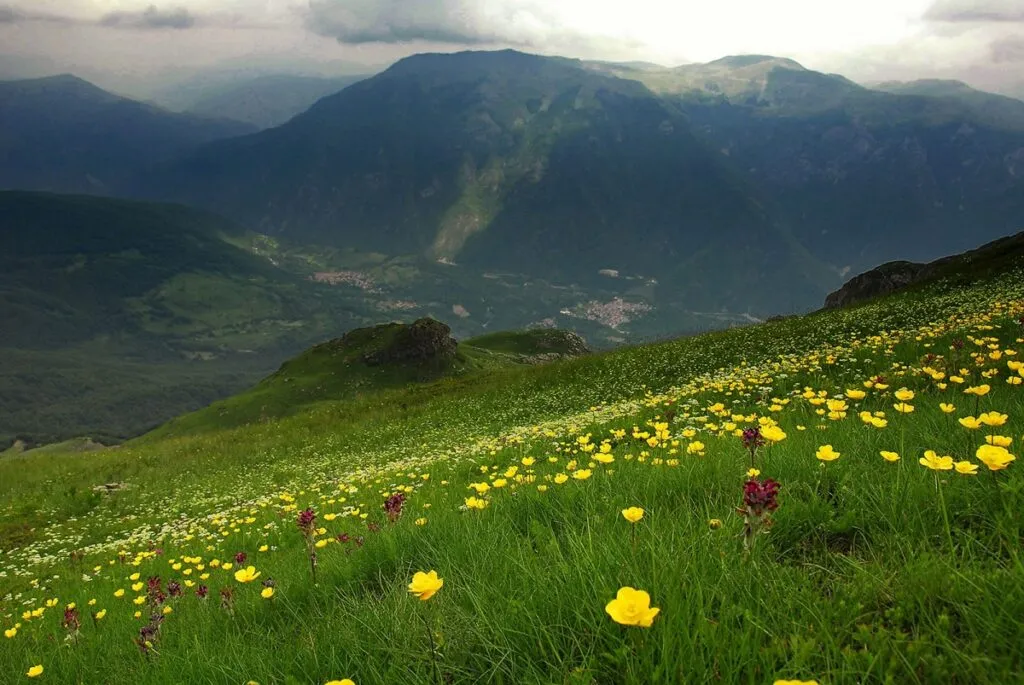
The country's largest national park is run on boundaries from 1952 and zoning from 1988. Pelister and Galichica got new...
This site uses cookies - is that okay? Learn more
Be the first to know when Metla launches something new
Leave your email and we will write when there is a new guide or something new on Metla.