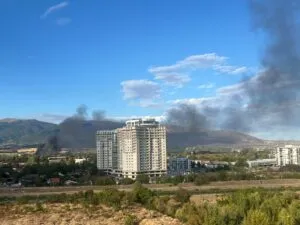
Black Smoke Over Skopje: A Paint and Varnish Warehouse Burned Inside the Old Steelworks
23.09.2026


23.09.2026
23.09.2026

23.09.2026
23.09.2026
23.09.2026
23.09.2026

23.09.2026
22.09.2026

21.09.2026

23.09.2026

23.09.2026

22.09.2026

23.09.2026

23.09.2026

23.09.2026

23.09.2026

22.09.2026

21.09.2026

23.09.2026

23.09.2026

23.09.2026

23.09.2026

23.09.2026

23.09.2026

09.03.2026

27.02.2026

19.02.2026

23.09.2026
22.09.2026

21.09.2026

23.04.2026

23.04.2026

12.04.2026

At the start of 2026, eurodiesel BS cost 65 denars a litre. On 22 September it costs 104.50 denars. That is a rise of 60.77 percent in nine months.
Extra-light household heating oil EL-1 climbed even further - from 64 to 114.50 denars, or 78.91 percent. That is the fuel a share of Macedonian homes heat with, and winter is under three months away.
Petrol rose more modestly: eurosuper BS-95 from 70.50 to 99 denars (40.43 percent), BS-98 from 72.50 to 101 denars (39.31 percent). Heavy fuel oil M-1 NS from 33.649 to 50.078 denars per kilo.
These are the calculations of economic analyst Slobodan Gacov.
The government: we have one measure
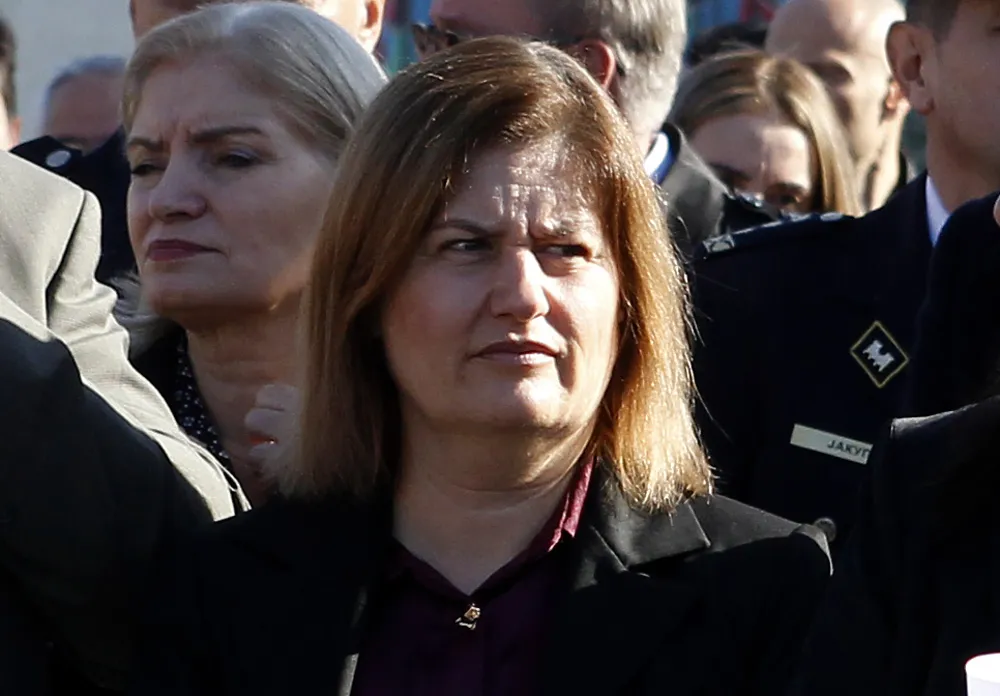
Energy Minister Sanja Bozinovska, asked what the government is doing, confirmed there is currently only one active measure - cutting VAT on diesel from 18 to 10 percent.
"What is happening is global. As we all follow, prices are up everywhere. So this is force majeure, a war we cannot influence," Bozinovska said, listing what has been done since March: excise duty, the VAT cut, a negotiated discount with OKTA.
On fresh talks with OKTA - nothing so far. "We have not started, but if the situation escalates further, we will take every measure to soften the risk for citizens," the minister said.
The question left hanging is what exactly "escalates" means when diesel is already 60 percent more expensive than at the start of the year.
How much room is actually left
Here Gacov's figures are more informative than any statement. He compares the levies at the start of the year with today:
On eurosuper BS-95, excise fell from 22 to 18 denars, but VAT stayed at 18 percent. Same for BS-98. On eurodiesel, excise fell from 15.5 to 11.5 denars and VAT from 18 to 10 percent. On extra-light EL-1, excise stayed at 15.5 denars and VAT at 18 percent. That is precisely the fuel that rose the most.
Gacov's conclusion is sober: the levies collected from fuel sales are budget revenue, and with budget expenditure rising on many fronts, the room to reduce them is small.
The ministry says the same thing at greater length - that protective mechanisms such as cutting levies, subsidies or adjusting excise carry a serious burden for public finances, so decisions will be taken in coordination with the economic departments to establish the fiscal space.
A double jump in March, and now again
The curve is not smooth. A particularly sharp jump shows up in March 2026, when diesel went from 71 to 85.50 denars, then to 92. Over the same period EL-1 jumped from 70 to 82.50, then to 89.50 denars.
August and September brought another strong rise, to the current levels.
Gacov also points to something rarely mentioned in this debate: Macedonia has no oil, but it holds a 20 percent ownership stake in the product pipeline. That grants a say in the company's business policy - limited influence, but not none.
What is left
The formula for domestic prices takes in reference prices for refined products on world markets, the dollar exchange rate, tax levies and other elements of the methodology. The first two are genuinely beyond the reach of any Macedonian government.
The third is not. And it has already been used up to the limit the budget allows.
The point is not that the government has done nothing - it has, and Gacov's numbers show it. The point is that the measure left is spent, and diesel keeps climbing. When the only remaining instrument is already used, "we will do everything if it escalates" is not a plan but a way to postpone the conversation.
The latest 10 news from this category
48,499 denars, or about 789 euros. Croatia is at 1,555, Slovenia at 1,695. Only Kosovo is left below us.
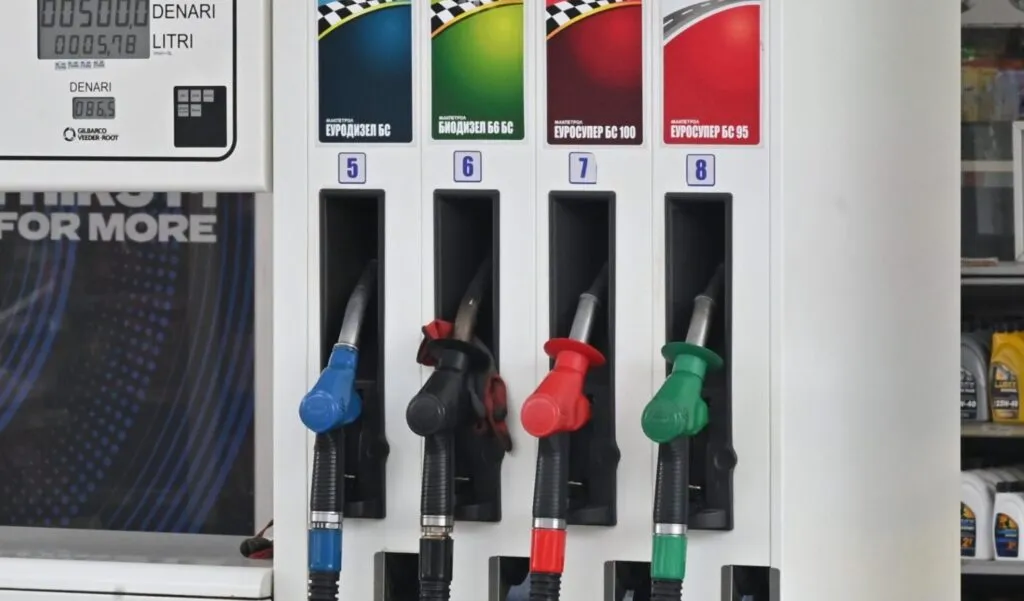
Eurodiesel hit 104.50 denars while petrol got cheaper. A company burning 100,000 litres a month pays 550,000 denars more from...
Classic trading fell 27 percent, block transactions jumped 159. The problem is not a shortage of money - it is...
The new GPT-6 models cost half of their predecessors, with accuracy comparable to the top of the series. When a...

Лабораториите ја достигнаа границата на она што се собира бесплатно од интернет, па сега купуваат податоци како што фабрика купува...
Од 13 години нагоре, со сметка врзана за родител и до тројца гости во возилото. Компанијата што ја гради довербата...
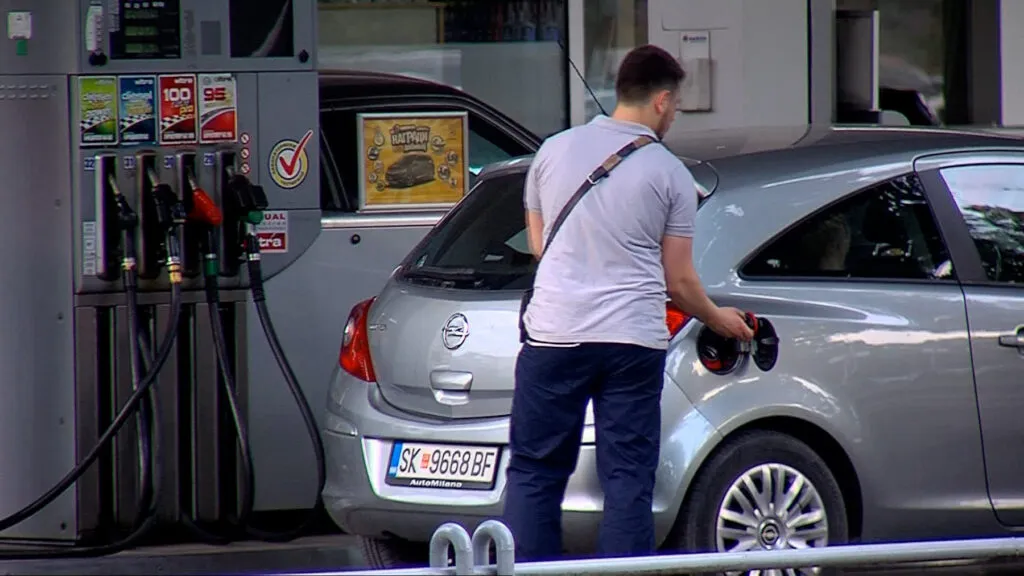
From midnight a litre of eurodiesel costs 104.50 denars, while petrol drops 1.50 denars. The explanation is not in Brent,...
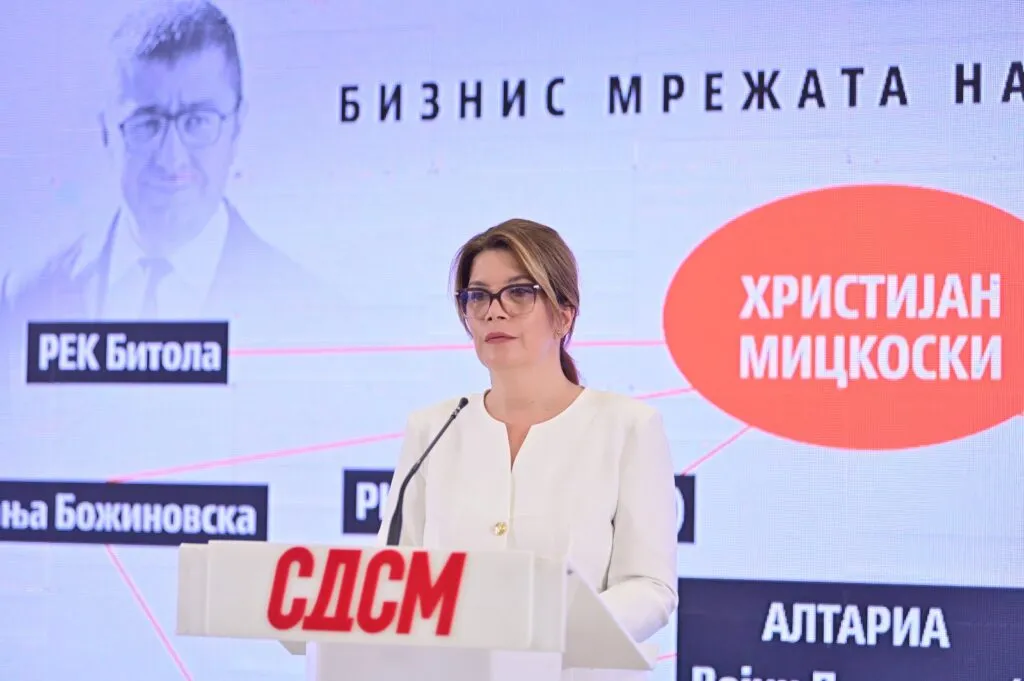
The opposition ties Serbia's METER&CONTROL to Rudnap Group and to Sanja Božinovska's past. The statement, however, came with no document...
QR codes, certificates of origin and a public register are promised by the end of October. There is still no...
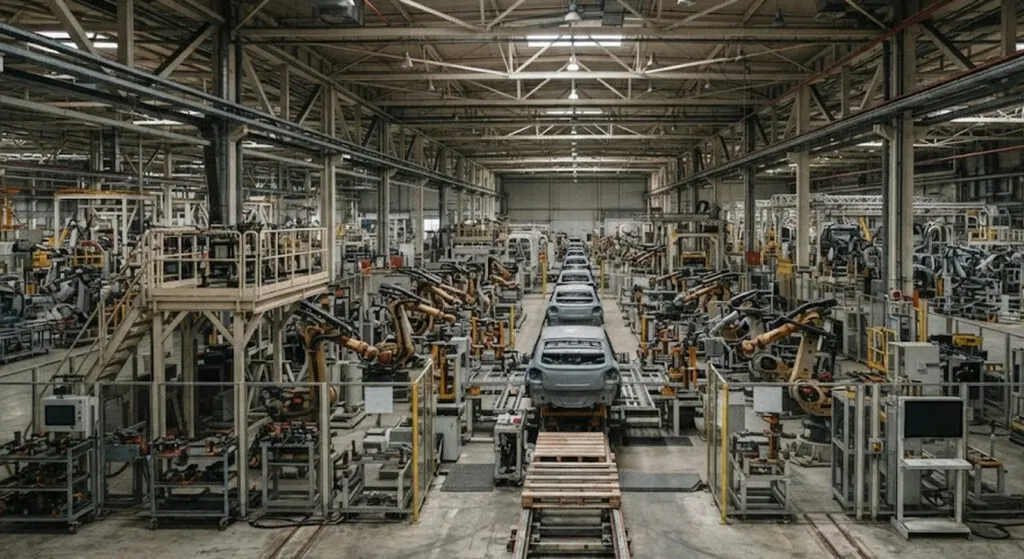
The German giant called it a productivity offensive. Translated: more hours, same pay. On the same day, 175,000 people were...
This site uses cookies - is that okay? Learn more
Be the first to know when Metla launches something new
Leave your email and we will write when there is a new guide or something new on Metla.