
Black Smoke Over Skopje: A Paint and Varnish Warehouse Burned Inside the Old Steelworks
23.09.2026


23.09.2026
23.09.2026

23.09.2026

23.09.2026
23.09.2026
23.09.2026
23.09.2026
22.09.2026

21.09.2026

23.09.2026

23.09.2026

22.09.2026

23.09.2026

23.09.2026

23.09.2026

23.09.2026

22.09.2026

21.09.2026

23.09.2026

23.09.2026

23.09.2026

23.09.2026

23.09.2026

23.09.2026

09.03.2026

27.02.2026

19.02.2026

23.09.2026

22.09.2026

21.09.2026

23.04.2026

23.04.2026

12.04.2026

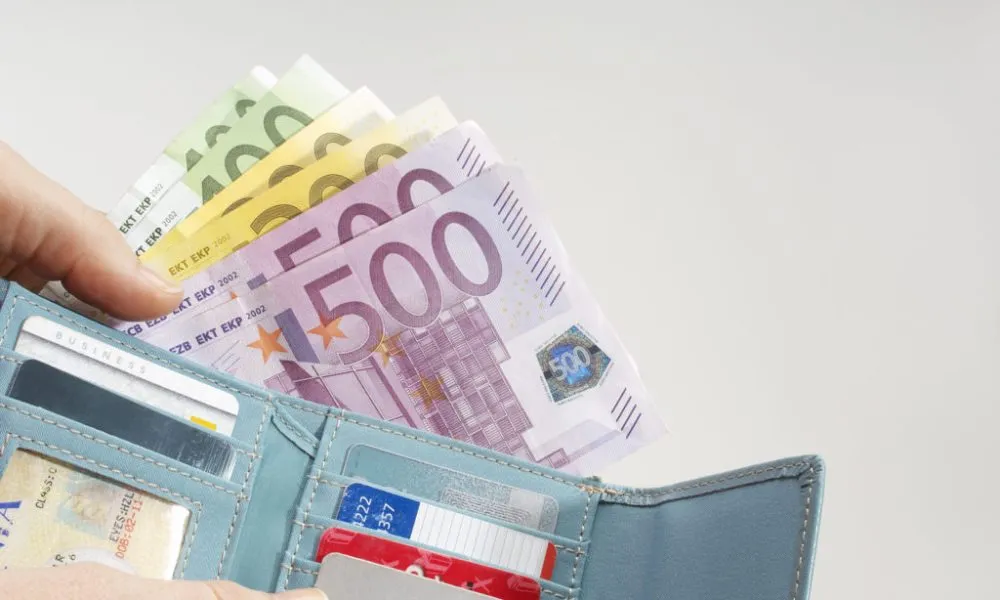
The average net wage in Macedonia reached 48,499 denars in July 2026, or roughly 789 euros. Year on year that is growth of 7.1 percent. The announcement sounds like good news, and in one narrow statistical sense it is.
But compared with the previous month, the average wage rose by - 118 denars.
One hundred and eighteen denars. In a month.
Where we stand in the region
Put the figure next to the neighbours and the picture changes. In Croatia the average net wage for June was 1,555 euros, with the first-half 2026 average at 1,542 euros. Slovenia was at 1,695 euros in July. Montenegro - 1,037 euros. Serbia, for June, around 1,025 euros. Bosnia and Herzegovina, for June, around 872 euros.
The average Macedonian worker takes home roughly 236 euros less than a worker in Bosnia, about 236 euros less than in Serbia, and about 248 euros less than in Montenegro. With Croatia the gap is around 766 euros.
Below us, among comparable data, sits Kosovo - with an average net wage of 636 euros for 2025.
Why the percentage lies
Here is the arithmetic nobody wants to explain at a press conference. Growth of 7.1 percent on 789 euros produces about 56 euros. The same percentage growth on 1,542 euros produces about 109 euros.
In other words: if everyone grows equally fast, the gap does not close. It widens.
So the real question is not whether Macedonian wages are rising, but whether they are rising faster than wages in the countries we compare ourselves to, and whether that pace can hold for years. There is a difference between wage growth and income convergence. The first means pay is higher today than yesterday. The second means we are actually catching up. Only the second takes you anywhere.
The average is not the average person's wage
A single average figure hides the whole structure beneath it. There are large differences between sectors, occupations and companies - hospitality pays the least, IT the most - so a significant share of employees earn below the national average.
In Serbia, official statistics also publish the median wage, which stood at 94,281 dinars in June. That is the figure showing what half of all employees actually received. Here, public debate almost always quotes the average alone, and the average is sensitive to the high salaries at the top.
One more thing: nominal growth is only half of it. If food, housing, energy and loan costs rise alongside wages, part of the increase was eaten by inflation before it reached anyone's spending.
The gap already has consequences you can measure
The difference in earnings is not an abstraction - it is already moving the labour force. Croatia has become a significant destination for Macedonian workers in recent years, particularly in tourism, hospitality and construction. In the first five months of 2026 alone, 6,849 residence and work permits were issued to Macedonian citizens in Croatia.
When the difference is several hundred euros a month, the decision to leave stops being emotional and becomes arithmetic.
Sustainable wage growth cannot rest on administrative decisions in the long run. It needs companies creating higher added value, more investment, better technology and higher productivity. Without a change in the structure of the economy, 118 denars a month will not turn into 500.
The latest 10 news from this category
Eurodiesel hit 104.50 denars while petrol got cheaper. A company burning 100,000 litres a month pays 550,000 denars more from...
Extra-light heating oil jumped 78.91 percent right before winter. The only remaining instrument is the reduced VAT - and it...
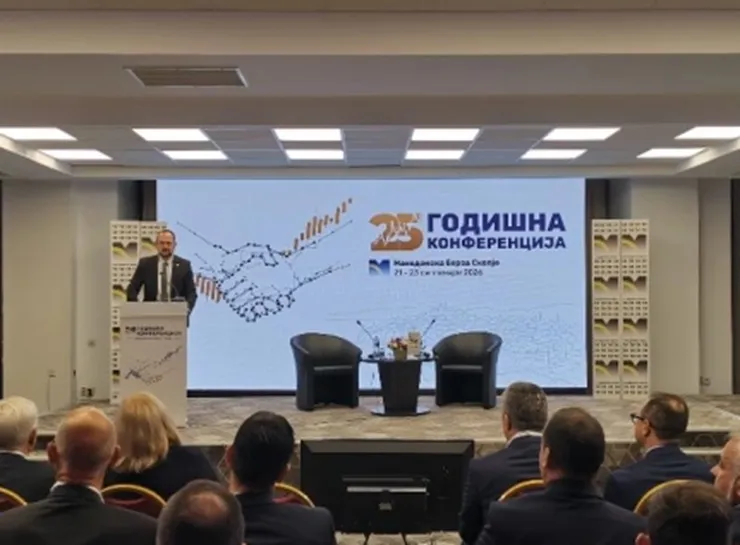
Classic trading fell 27 percent, block transactions jumped 159. The problem is not a shortage of money - it is...
The new GPT-6 models cost half of their predecessors, with accuracy comparable to the top of the series. When a...

Лабораториите ја достигнаа границата на она што се собира бесплатно од интернет, па сега купуваат податоци како што фабрика купува...
Од 13 години нагоре, со сметка врзана за родител и до тројца гости во возилото. Компанијата што ја гради довербата...
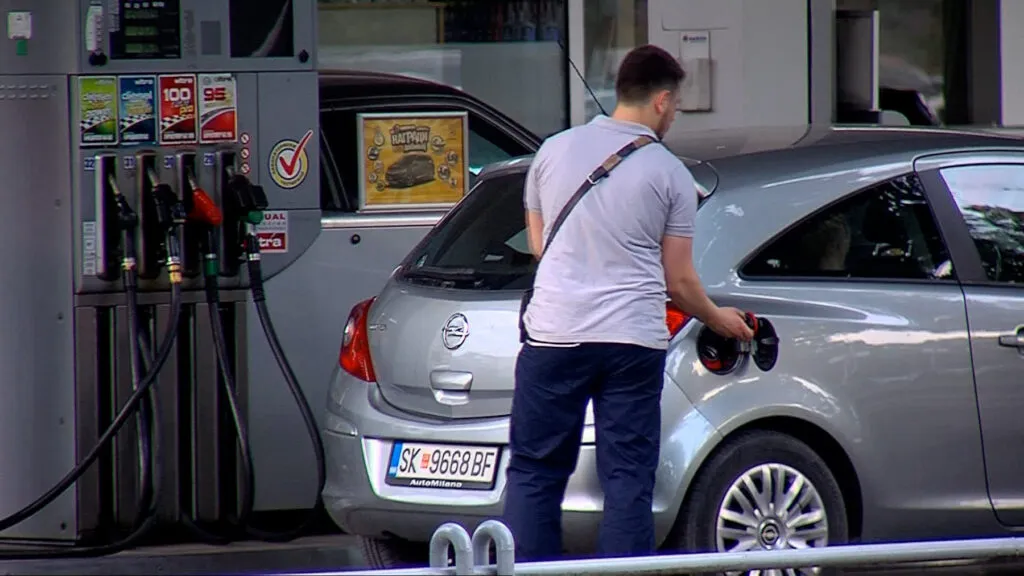
From midnight a litre of eurodiesel costs 104.50 denars, while petrol drops 1.50 denars. The explanation is not in Brent,...
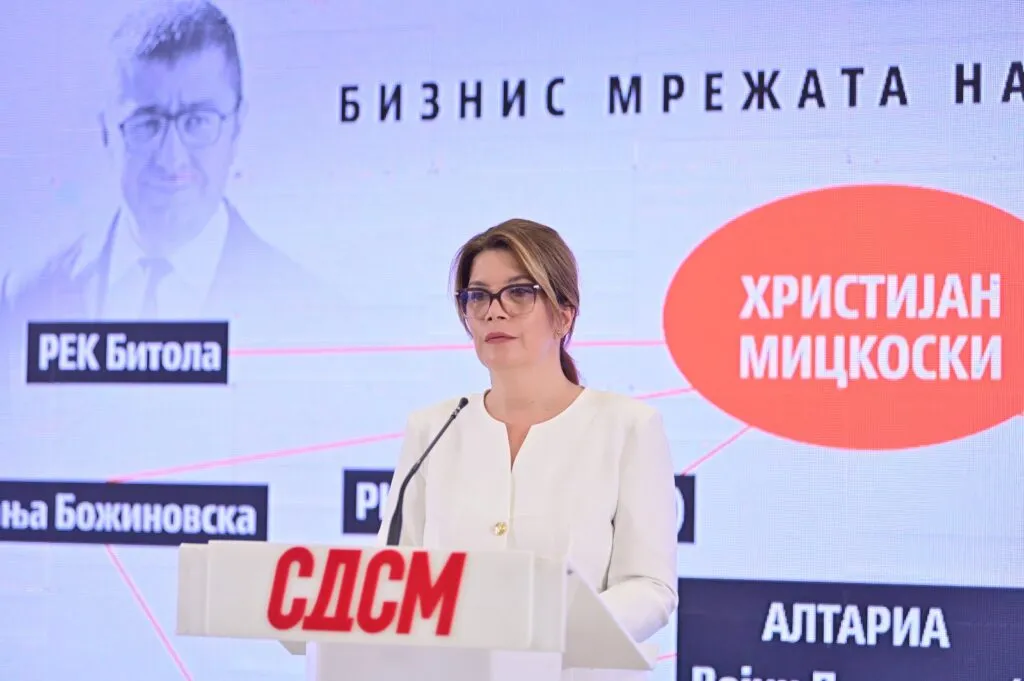
The opposition ties Serbia's METER&CONTROL to Rudnap Group and to Sanja Božinovska's past. The statement, however, came with no document...
QR codes, certificates of origin and a public register are promised by the end of October. There is still no...
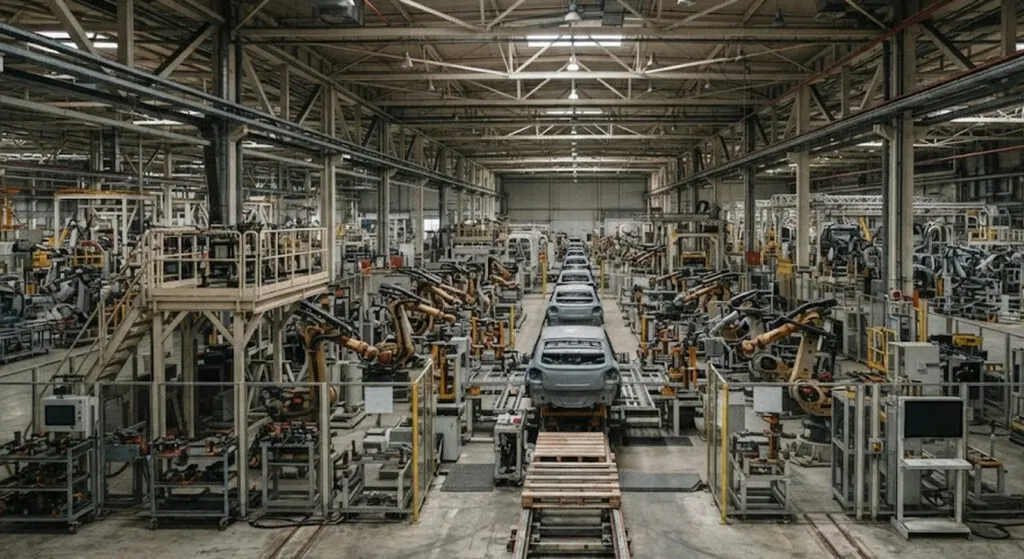
The German giant called it a productivity offensive. Translated: more hours, same pay. On the same day, 175,000 people were...
This site uses cookies - is that okay? Learn more
Be the first to know when Metla launches something new
Leave your email and we will write when there is a new guide or something new on Metla.