
Two Schoolyard Assaults Reported in a Single Day: the Police Promised Measures, the Education System Said Nothing
19.09.2026


19.09.2026

19.09.2026

19.09.2026

19.09.2026

19.09.2026
19.09.2026

19.09.2026

18.09.2026

17.09.2026

19.09.2026

19.09.2026

18.09.2026

19.09.2026

19.09.2026

19.09.2026

19.09.2026

18.09.2026

17.09.2026

19.09.2026

19.09.2026

19.09.2026

19.09.2026

19.09.2026
18.09.2026

09.03.2026

27.02.2026

19.02.2026

19.09.2026

18.09.2026

17.09.2026

23.04.2026

23.04.2026

12.04.2026

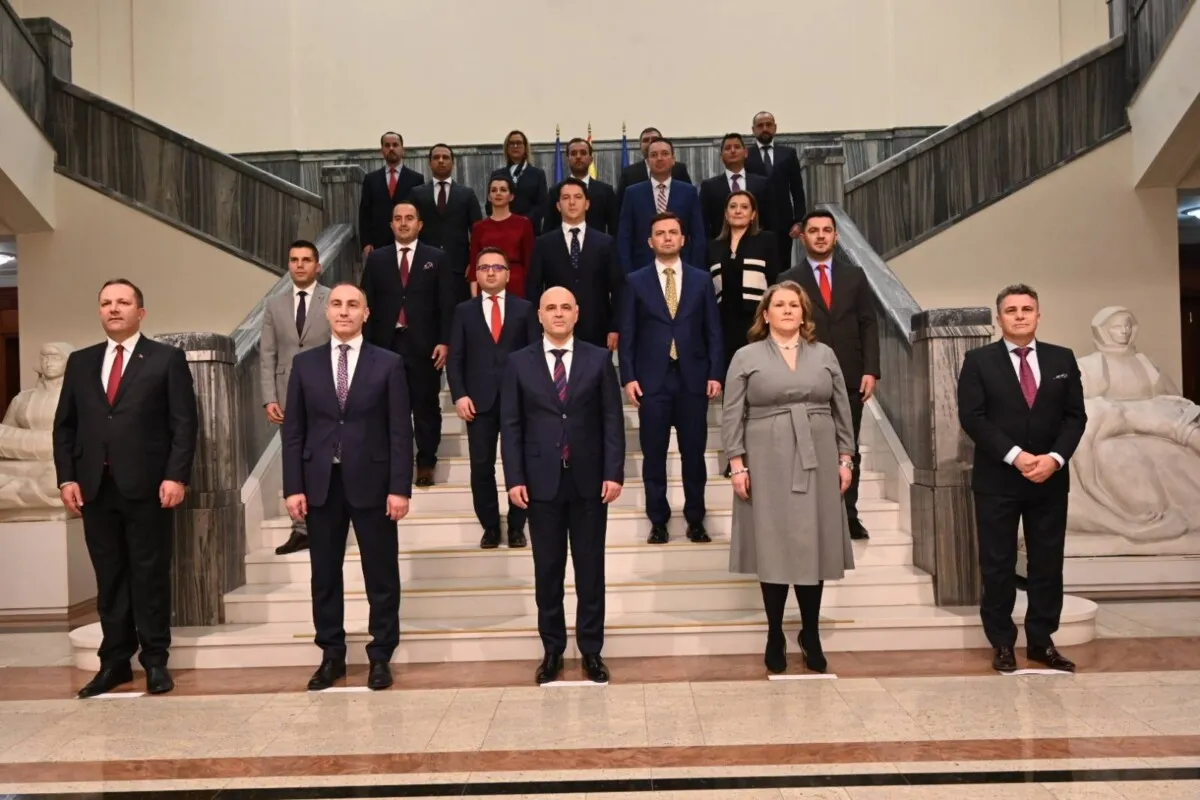
Following Artan Grubi's return to the country after more than 14 months, the case against the former Deputy Prime Minister has split the political ranks, with each side presenting its own interpretation of the house arrest measure.
Charged with misappropriating more than eight million euros of public funds through the State Lottery, Grubi was placed under house arrest in Skopje's Chair district instead of being sent to prison. The prosecution justified this with security assessments citing threats against him and his family.
The ruling party rejects claims that the case is politically motivated, questioning why the opposition is "panicking and getting upset" over Grubi's potential testimony. Government representatives insist that the era of politically commissioned court decisions is over.
The opposition holds the opposite view — claiming there is a hidden deal and that the prosecution has entangled itself in applying the detention measure. These claims are dismissed by prosecutor Vilma Ruskovska, who pointed out that Grubi may have given testimony that will be useful to the prosecution in further investigations.
The debate also raises a broader question of fairness principles: is it logical to prosecute only one official while the majority of former government members face no legal consequences? Critics argue that such an approach points to selective application of the law.
ZNAM leader Maksim Dimitrievski assessed the house arrest measure for a person who has been a fugitive for months as an "unprecedented precedent," adding that a serious rule-of-law state cannot allow such a thing. He called on the Council of Public Prosecutors and the Republican Judicial Council to launch an investigation into the decision.
The case highlights the deep divisions in Macedonian society and continues to fuel discussions about judicial independence, the rule of law, and trust in institutions.
The latest 10 news from this category

Sixteen dead, 53 years of prison handed down on appeal - and a highest court saying the chain of causation...
The council adopted Konjanovski's initiative. The result: a pupil in Bitola leaves the phone behind, a pupil in the next...

Eighteenth edition, 250 denars a portion, concerts at the stadium. The mayor said the part nobody usually says out loud...

The chargers are still being built and the first delivery is a month away. The difference between four projects and...
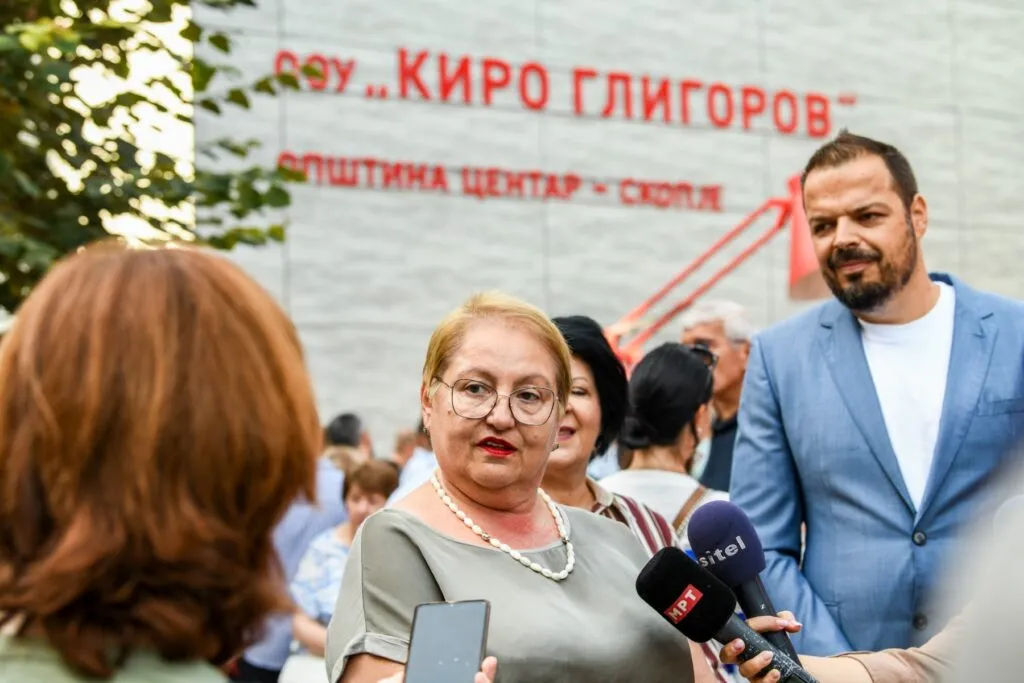
An elective nobody is obliged to take, pulled while the ministry monitors comments on social media. One side demands her...

An emergency operation on Monday, after a residents' initiative published photos taken on 17 September. When a measure is called...

Rič, Popčevo, Belotino and Veljusa left without drinking water after an emergency inspection. The two findings travel together, and that...

The Balkan chamois is strictly protected under the Bern Convention. The hunting is legal because Mavrovo has been waiting more...

Three of the four sensors were not working, the cables were worn beyond the safety minimum. A state inspection last...
Stefkovski is introducing this after Mucunski. The Constitution applies to the whole country, yet the rule is being made municipality...
This site uses cookies - is that okay? Learn more
Be the first to know when Metla launches something new
Leave your email and we will write when there is a new guide or something new on Metla.