Three of Four Sensors Were Dead: Skopje's Vodno Cable Car Ran Fifteen Years Without a Real Service
17.09.2026


17.09.2026

17.09.2026

17.09.2026

17.09.2026

17.09.2026

17.09.2026

17.09.2026

16.09.2026

15.09.2026

17.09.2026

17.09.2026

16.09.2026
17.09.2026

17.09.2026

17.09.2026

17.09.2026

16.09.2026

15.09.2026

17.09.2026

17.09.2026

17.09.2026

17.09.2026

17.09.2026

17.09.2026

09.03.2026

27.02.2026

19.02.2026

23.04.2026

23.04.2026

12.04.2026

Four laws that will decide what universities and student life look like in the country are before parliament today. The academic community has already reacted - and in the dorms, the age limit for staying is now strict.
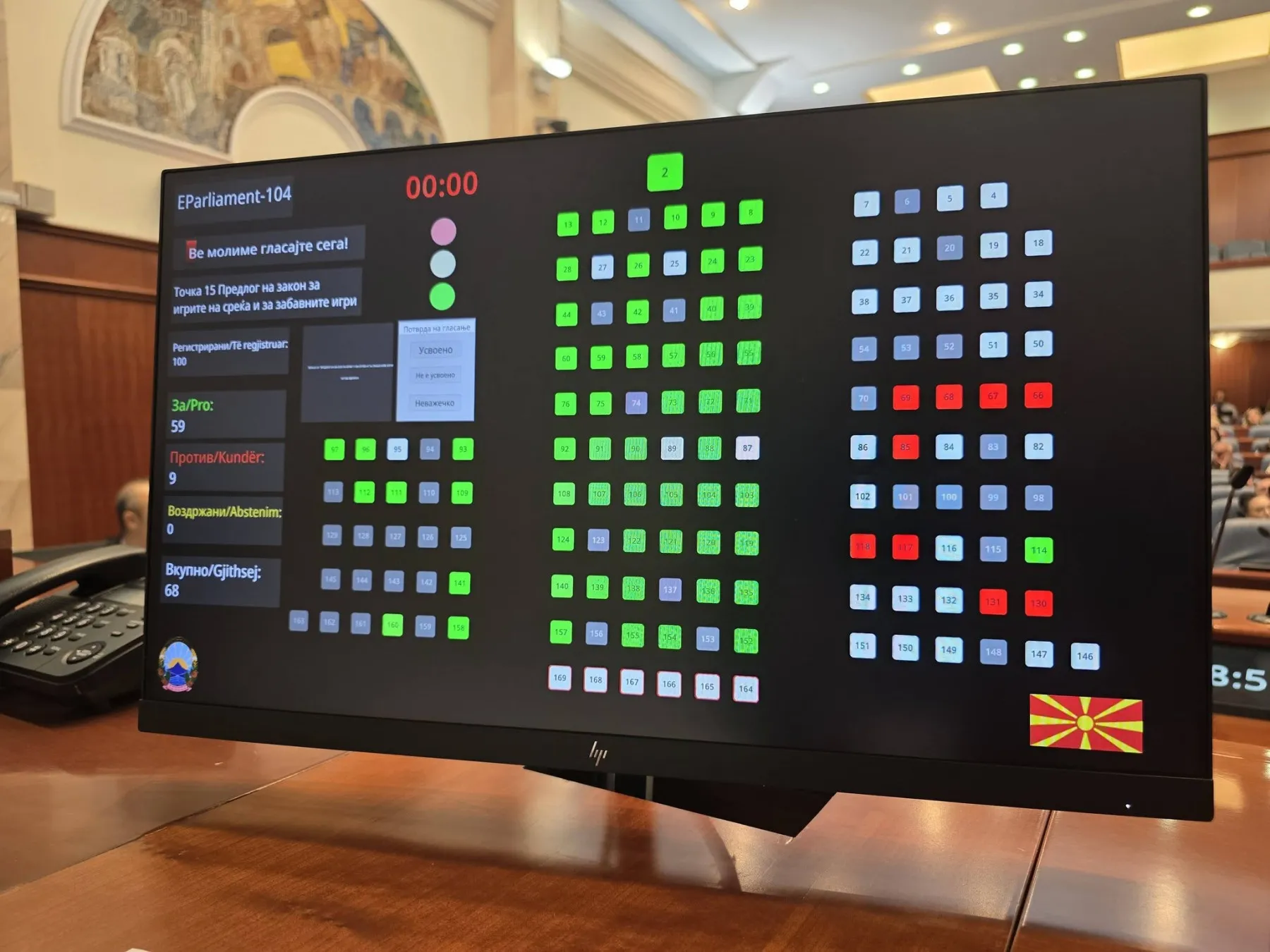
The package of legislation on higher education, science and student standard is on the agenda of the 116th plenary session of Parliament today. In the first reading, MPs are to debate the new draft Law on Higher Education, and the session also includes amendments to the Law on Student Standard, the draft Law on Quality Assurance in Higher Education and Science, and the draft Law on Scientific Research Activity.
The Ministry of Education and Science claims the texts were prepared after six public debates and consultations with universities and the expert public. According to the Ministry, the laws are meant to introduce meritocracy, measurable criteria, greater internationalisation and stronger quality control.
Among the proposed changes is the requirement that candidates for teaching and research titles have a greater number of academic papers, some of them published in journals from the „Web of Science” or „Scopus” databases. A reorganisation of the Quality Agency is also envisaged, which, besides accreditation, would also carry out the evaluation of universities and study programmes.
But that is exactly where the dispute lies. The proposed solutions had already triggered reactions in the academic public - especially over the criteria for appointment to titles, the autonomy of universities and the way the quality of higher-education institutions will be assessed. When the state decides how universities will grade themselves, the line between quality control and control over autonomy is thin.
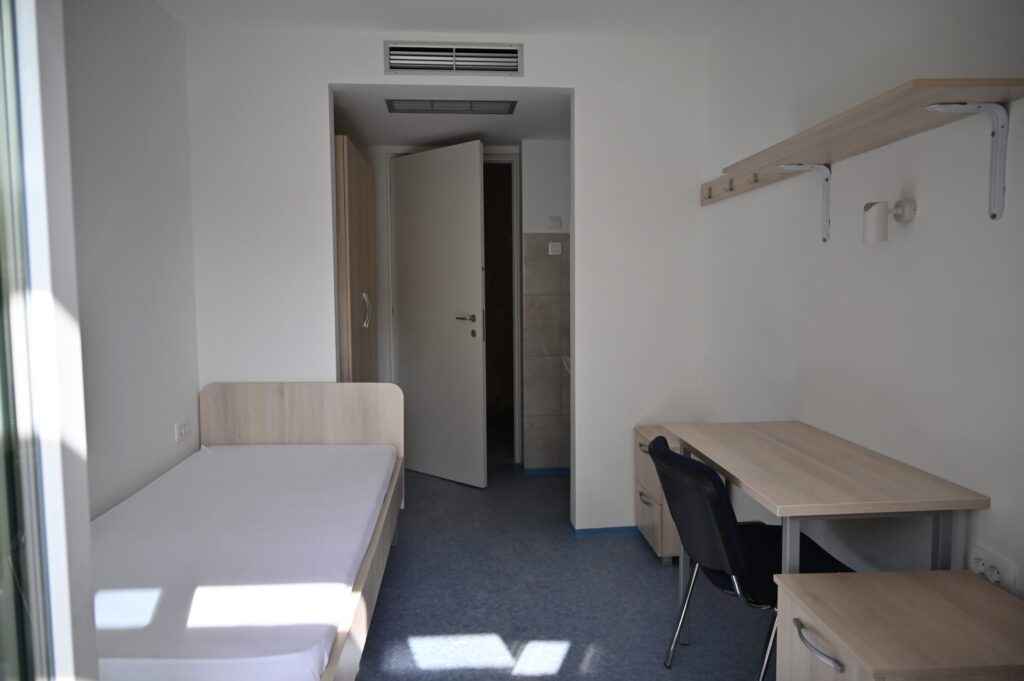
The amendments to the Law on Student Standard, on the other hand, carry concrete changes for students. An upper age limit of 30 is introduced for accommodation in a state student dormitory. For more serious breaches of house rules - bringing in alcohol or drugs, violence, threats and damaging the inventory - a ban on accommodation in all student dormitories lasting one to five years is proposed. The question is whether the strict penalties will also mean better dormitories, or just stricter rules in the same old buildings.
The latest 10 news from this category

Of 340 million denars, only 40 million came from private money - the rest came from the State Lottery. Prosecutors...
The State Audit Office already warned that withholding the points makes favouritism possible. The rulebook requiring them to be published...

Two senior officials announced progress, the two largest parties denied it the same day. The amendments sit blocked behind 13,500...

The police acted on their own knowledge, without the PM filing anything at all. The same mechanism exists for every...

The Electoral Code is the one unfulfilled reform obligation, and the working group does not even know when it will...

It was supposed to cost "zero denars". Now the opposition wants an investigation, and the timeline - David Guetta announced...

Five negations in one sentence, pension growth "16 times higher" with not a single figure beside it, and a third...

One side waits for a letter, another waits for a different commission, a third waits for consent. In those same...

The commission's chairman says it only checked whether the documents were complete. The public call says something else entirely -...

Three candidates, two of them lawyers, one of them employed by the very municipality he is running for. The line...
This site uses cookies - is that okay? Learn more
Be the first to know when Metla launches something new
Leave your email and we will write when there is a new guide or something new on Metla.