After 19 Months on the Run, Bajrami Handed Himself In at Blace at 5:35 AM: Same Crossing, Same Early Hour as Grubi
10.09.2026


10.09.2026

10.09.2026
10.09.2026
10.09.2026
10.09.2026

10.09.2026

10.09.2026

09.09.2026
08.09.2026

10.09.2026

10.09.2026

09.09.2026

10.09.2026

10.09.2026

10.09.2026

10.09.2026

08.09.2026

07.09.2026

10.09.2026

10.09.2026

10.09.2026

10.09.2026

10.09.2026

09.09.2026

09.03.2026

27.02.2026

19.02.2026

23.04.2026

23.04.2026

12.04.2026

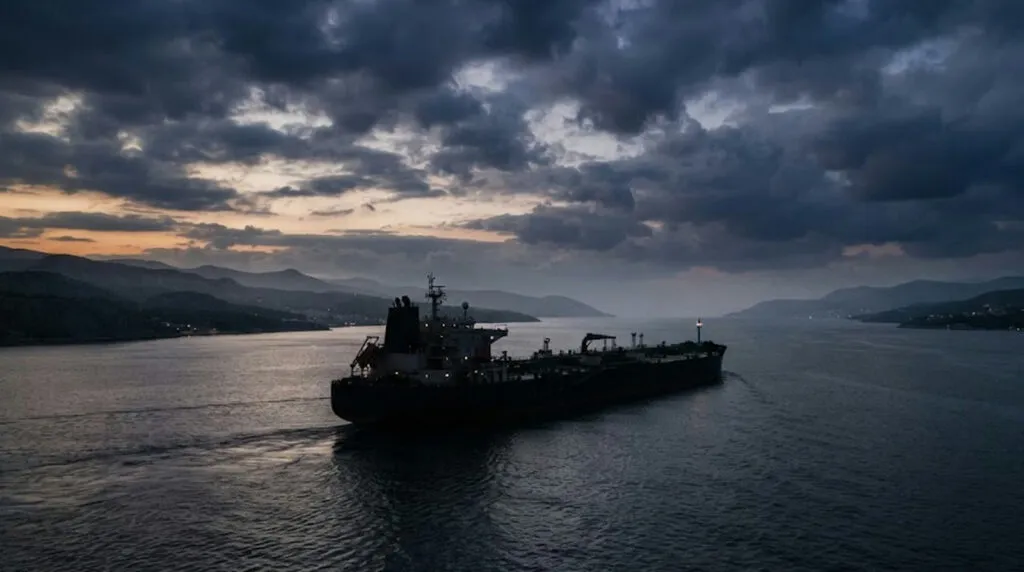
When a state starts hitting tankers in the Strait of Hormuz, that is not a local incident. That is a hand placed on the throat of the world economy, because a fifth of the world's oil passes through that strait.
Iran's Revolutionary Guard announced that its forces had struck two American ships and eight oil tankers in the strait. The statement, carried by an Iranian news agency, says the navy attacked the vessels "in response to the aggression and malice of the American terrorist military". Another ten ships were attacked because, according to Tehran, they tried to pass through a "prohibited and unsafe zone" - an attempt allegedly encouraged and backed by Washington.
From the American side, the story is told in reverse. US Central Command announced it had destroyed five Iranian oil tankers, in response to Iran having twice targeted an American warship with ballistic missiles in the preceding days. The ship, they say, successfully evaded the attempted strikes and continued patrolling. "No US personnel were injured," their post reads.
Two statements, not one independent eye
Notice what is missing here. Both sides report their own successes, neither reports its own losses, and there is no independent source counting the ships that were hit. Iran says it struck around ten. The US says it destroyed five Iranian tankers and that its own ship is untouched. One of the two is not telling the whole truth, and possibly neither is.
What is not in dispute is that Tehran claims the strait remains under its "strong and authoritative supervision". That is a sentence written for the markets, not for the military. The Strait of Hormuz is the narrowest point in the world oil trade, and any statement telling the shipping industry the route is unsafe is worth more than a fired missile.
Iran's "shadow fleet" - the tankers Tehran uses to get around sanctions - is now a direct target for the first time. That is a new phase. Until now sanctions were enforced with documents and lists; now they are enforced with explosives. When one side starts sinking the other's ships instead of entering them into a register, the way back to paper is hard.
It remains to be seen how long this exchange of statements lasts before someone calculates that one sunken ship is cheaper than another withdrawal. The Balkans know this scene: two sides announcing victories, neither admitting a loss, and a map slowly changing while everyone stares at the press releases.
The latest 10 news from this category
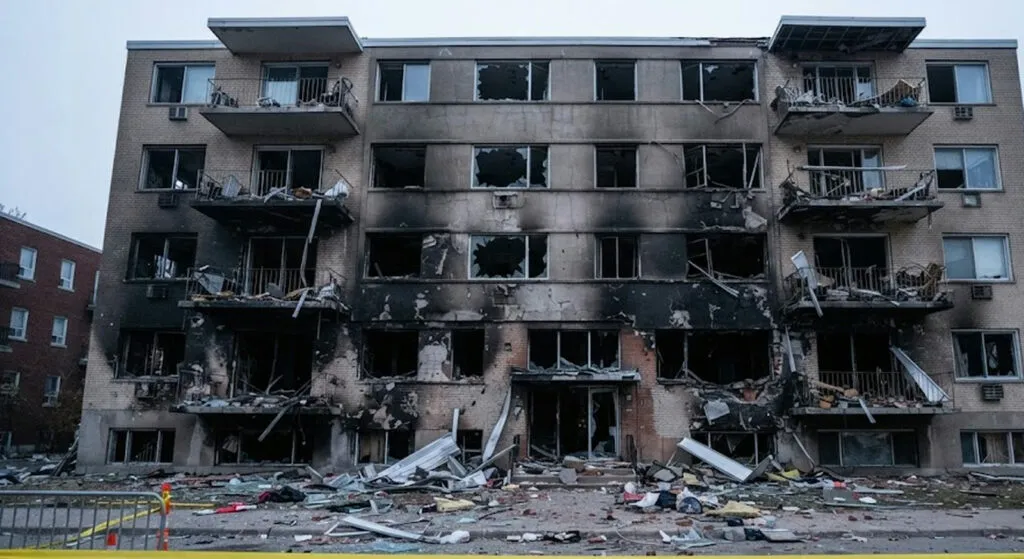
Residential buildings, a kindergarten and an Orthodox church damaged in Russia's largest Black Sea port. Four dead and 29 injured...
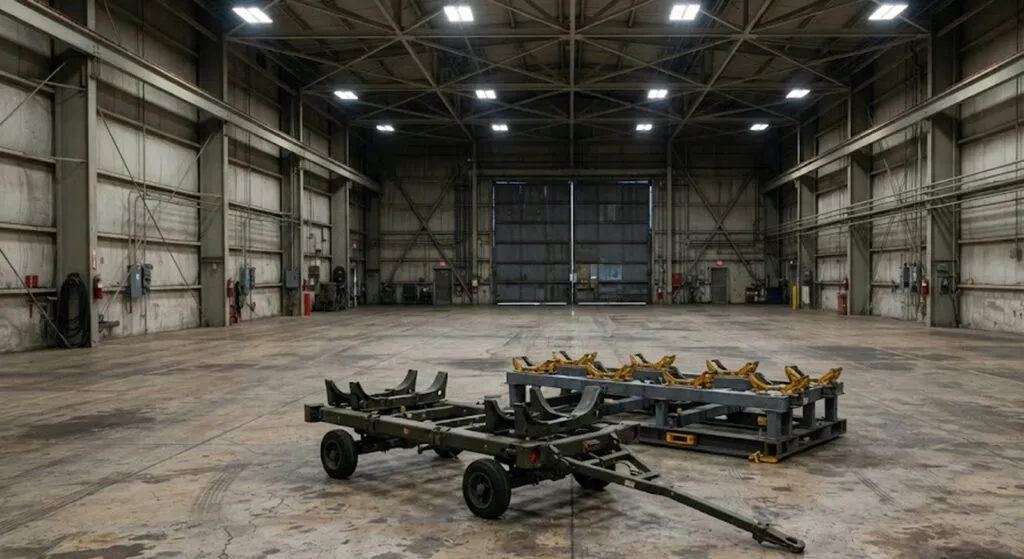
When there are no air-to-air missiles left, what remains is a 20mm cannon - and that means the pilot has...
In public - constructive talks. In private, according to an MP in the Verkhovna Rada, the envoys arrived with tougher...

Witkoff and Kushner spent three hours in the Kremlin and came out with an agreement in principle. November was not...

At two in the morning phones in Tulcea received a message telling people to go down to the cellar. When...
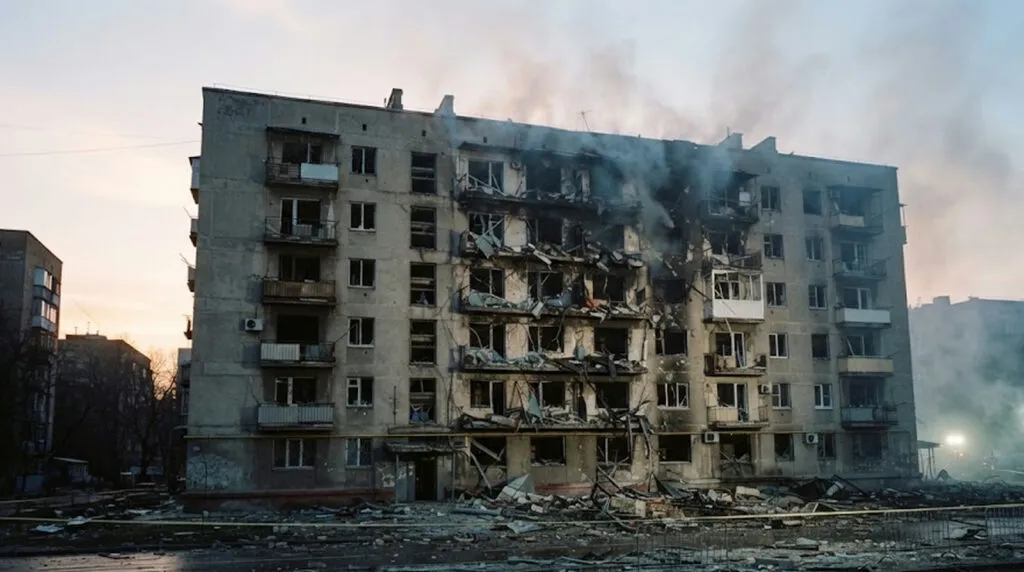
Trump's envoys left Kyiv on Sunday. In the morning ballistic missiles fell on the city and Poland scrambled its aircraft....
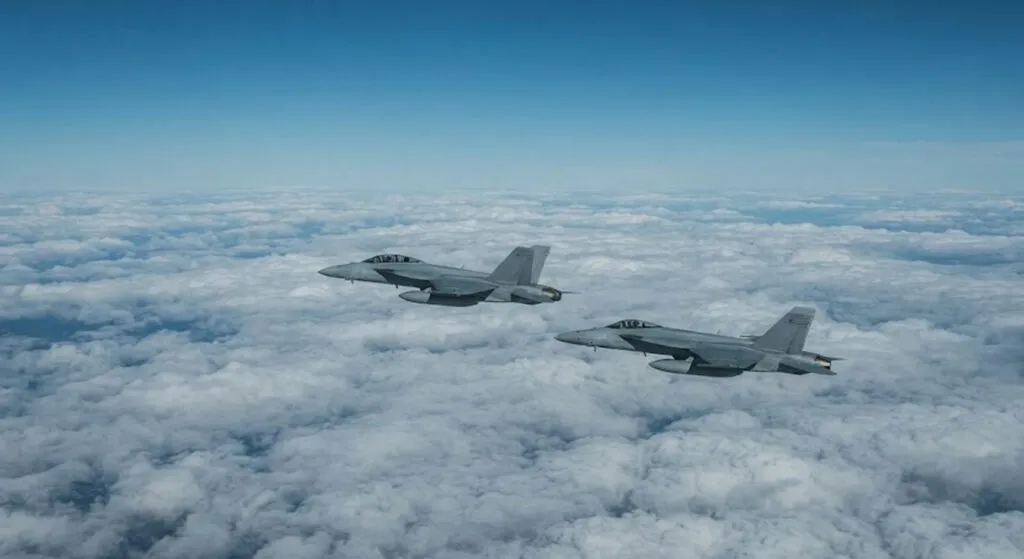
They were not shot down, not hit from the ground - they flew into each other. And the channel that...

Witkoff and Kushner came to Kyiv by train because a plane could not land. After hours of negotiations, one sentence...
Mk-41 launchers can carry Tomahawks, and Moscow reads that as a threat to itself. The same statement was read two...
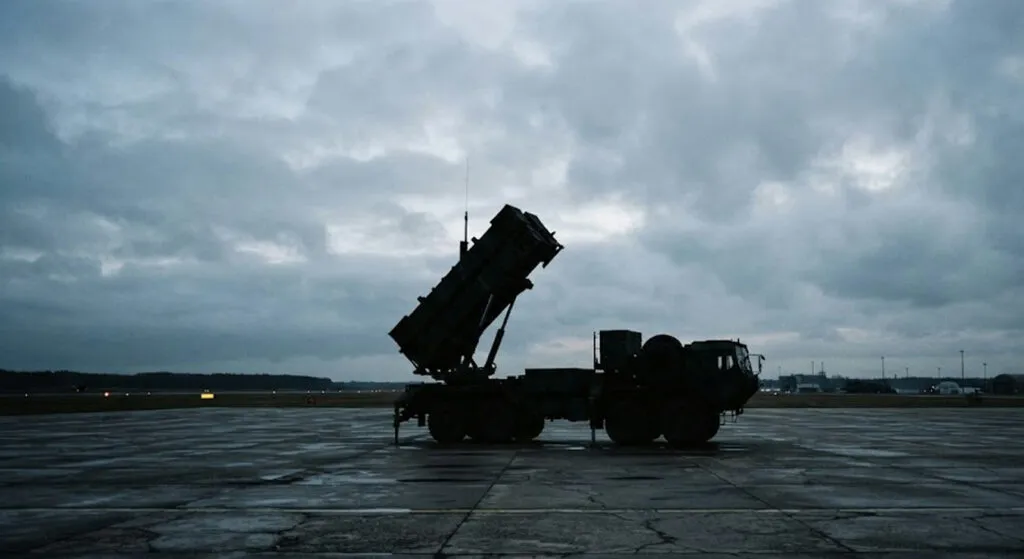
Not next month - 2027. A president planning air defence for the period after peace says more about the peace...
This site uses cookies - is that okay? Learn more
Be the first to know when Metla launches something new
Leave your email and we will write when there is a new guide or something new on Metla.