НАУЧНИЦИТЕ ОТКРИЈА: ТАЈНАТА НА ПОБАВНОТО СТАРЕЕЊЕ МОЖЕ ДА СЕ КРИЕ ВО НАШИТЕ ЦРЕВА!
27.10.2026


27.10.2026

27.10.2026

27.10.2026
27.10.2026
27.10.2026

27.10.2026

27.10.2026
27.10.2026
26.10.2026

27.10.2026

27.10.2026

26.10.2026

27.10.2026

27.10.2026

27.10.2026

27.10.2026
26.10.2026
25.10.2026

27.10.2026

27.10.2026

27.10.2026

27.10.2026

26.10.2026
26.10.2026
27.10.2026
26.10.2026

24.10.2026

23.04.2026

23.04.2026

12.04.2026

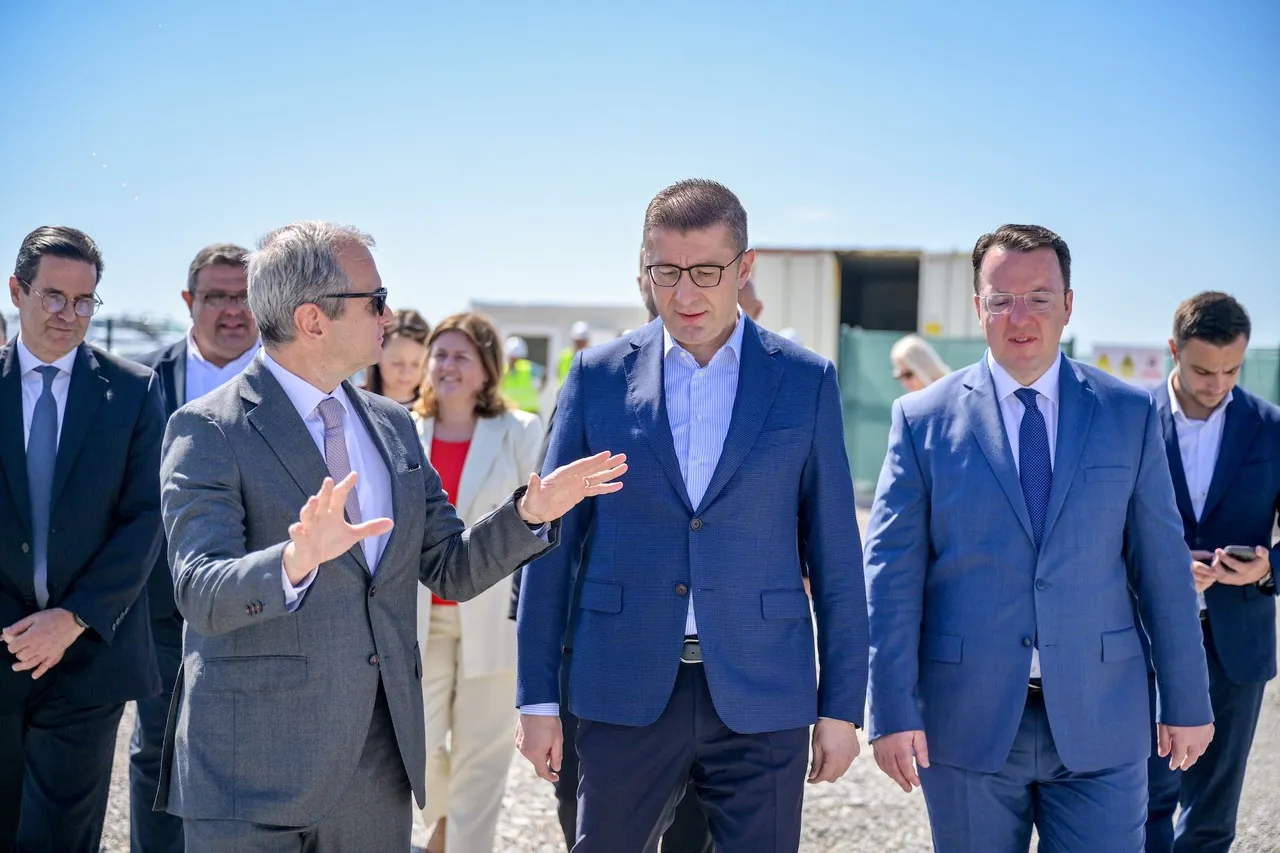
This time the numbers are signed. Alcazar Energy Partners has announced financial close for the Stip Wind Park - senior debt financing of over 115 million euros, provided by the European Bank for Reconstruction and Development, the World Bank's International Finance Corporation, Erste Group Bank, plus a local VAT credit line from Sparkasse Bank Skopje. Total investment for this phase comes to 180 million euros.
Financial close means the money is secured and contracted, not announced. That is the difference between this piece of news and most of the energy press releases we read every year.
What exactly is being built
The first phase delivers 131.25 megawatts across twenty-one turbines, each of 6.25 megawatts. The project is expected to be fully operational by 2028, to produce enough electricity for over 148,000 households a year, and to avoid emissions of up to 573,000 tonnes of CO₂ equivalent annually. More than 300 people will be employed in construction and operation.
This is the first of three planned phases in the same cluster. Once fully built out, installed capacity should reach 396 megawatts with 54 turbines, spread across the municipalities of Karbinci, Radovis and Stip, roughly 75 kilometres southeast of Skopje.
The detail that got the least attention
The most interesting sentence in the entire announcement is none of the figures above. It says the Stip Wind Park is the largest wind project in the region developed entirely on the basis of a private power purchase agreement - without relying on state support. It has a long-term offtake contract with an international corporation holding an investment-grade credit rating.
That means the project's revenue does not depend on a subsidy, a preferential tariff or a guarantee from the Macedonian budget. For a country where "major investment" usually also means major state exposure, that is a different model - and precisely why it is a precedent for private infrastructure financing in the region.
Where the estimates begin
From this point on, the numbers stop being contracted and start being forecasts. During a visit to Stip, Prime Minister Hristijan Mickoski said that once fully realised the investment should reach a value of around half a billion dollars. He added that the project also foresees new road infrastructure in the municipalities it passes through, and that the investor has expressed interest in other projects in the country.
Then comes the biggest number of them all. Mickoski pointed out that because of the expansion of artificial intelligence, over the next 15 years Europe will need an additional 1,000 terawatt-hours of electricity, while Macedonia's potential for such generating capacity stands at 24 terawatt-hours. Converted into money, according to his statement, that means a new business sector worth around 2 billion euros a year.
Here it is worth separating what is what. Contracted: 115 million in financing and 180 million in investment for 131 megawatts. Planned: expansion to 396 megawatts. Estimated: output of around one terawatt-hour a year once fully built. And 24 terawatt-hours and 2 billion euros a year are potential - a number for what could be built if everything else goes the way it should.
The difference between those categories is the difference between a turbine standing in Karbinci and a presentation. The first phase now has money, banks and deadlines, and it deserves to be treated as real. For the other two phases no financial structure has been published, and for the 24 terawatt-hours there is not even a project.
If by 2028 twenty-one turbines really are running near Stip and supplying 148,000 households without a denar from the budget, that is the best news in Macedonian energy this decade. And that is entirely enough - it does not need to be presented as energy independence before the first blade turns.
The latest 10 news from this category
Levica filed it, SDSM backed it, the majority voted it down. The minister says she built her ministry "from scratch"...
AI hyperscale data centres draw hundreds of megawatts, the biggest over 1,000. The government is negotiating with five or six...

The company that warns its technology could be dangerous for humanity is now asking the stock market for money. The...

Nearly a billion dollars in two years, for a kit that drives the excavator instead of a person. The company...

The platform of short clips now wants videos as long as a film. There's just one question without an answer:...
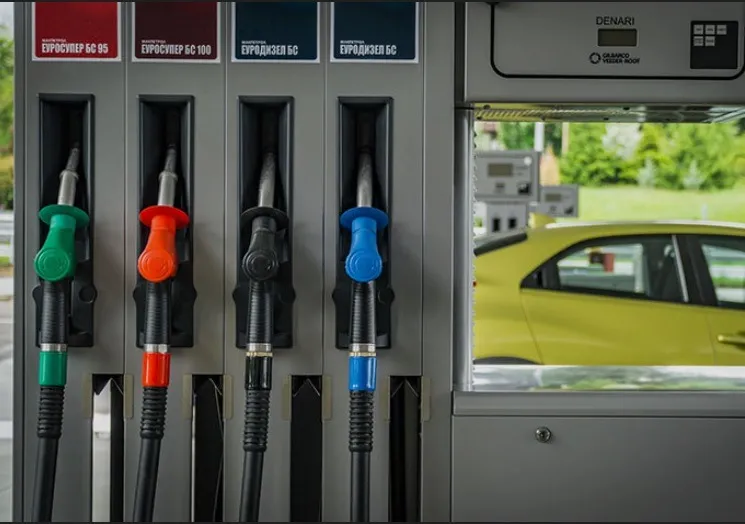
Oil went up about six percent in a week, and diesel in Macedonia is already more expensive than both grades...

The deputy prime minister is promising a satellite network and lower bills on Facebook, "from the information I have". All...
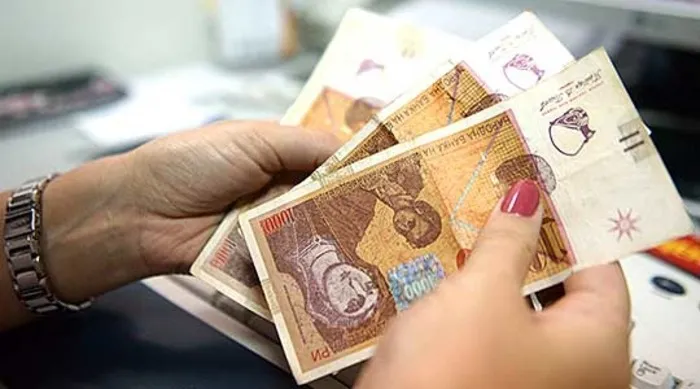
The average August wage jumped to 48,733 denars, but the holiday bonus is calculated from a three-month average. Exactly how...
A 1,000-person pilot showed that 80 percent of the first users weren't engineers. Nobody is saying how much Uber pays,...

Every day Rivian receives more than 400,000 recorded scenes from its customers' cars. Now it also has a tool that...
This site uses cookies - is that okay? Learn more
Be the first to know when Metla launches something new
Leave your email and we will write when there is a new guide or something new on Metla.