34 fires in 24 hours: three still burning, and the warnings put out nothing
09.09.2026


09.09.2026
09.09.2026
09.09.2026

09.09.2026
09.09.2026

09.09.2026

09.09.2026
08.09.2026
07.09.2026
09.09.2026

08.09.2026
08.09.2026

08.09.2026

08.09.2026

08.09.2026
08.09.2026

07.09.2026

06.09.2026

09.09.2026

09.09.2026

09.09.2026
09.09.2026

09.09.2026
08.09.2026

09.03.2026

27.02.2026

19.02.2026

23.04.2026

23.04.2026

12.04.2026

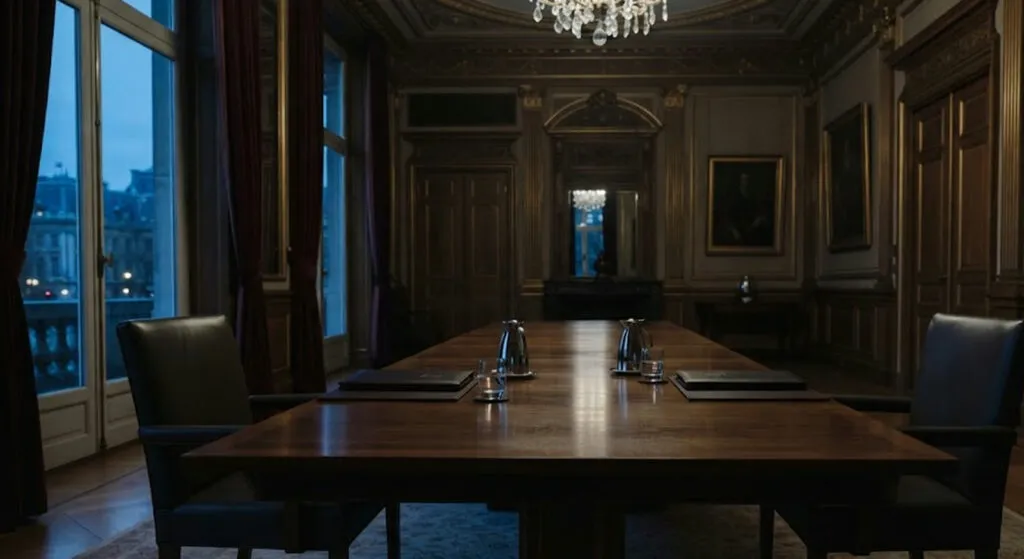
The deadline now has a date. November - that is the month by which Washington wants the war in Ukraine finished, and Donald Trump's two special envoys, Steve Witkoff and Jared Kushner, took that proposal first to Moscow and then to Kyiv. According to sources, Vladimir Putin agreed in principle to the timeframe.
In principle. That is the phrase worth stopping on, because in diplomatic vocabulary it means everything and nothing. Witkoff and Kushner spent more than three hours in the Kremlin, and after the meeting both the American and the Russian side praised the atmosphere - a classic indicator that almost nothing was agreed on substance. Volodymyr Zelensky, for his part, said Ukraine is ready for negotiations while simultaneously preparing a military offensive. Whoever reads that is not reading a man who believes the war ends by November.
A plan that was already rejected once
According to the sources, the proposal closely resembles the peace plan from the end of last year - including the withdrawal of Ukrainian troops from Donbas. That is a demand Kyiv has already turned down once. The change is not in the content but in who is doing the pushing now and how much time he has left.
November was not picked at random. In November America holds congressional elections, and analysts say openly that Trump wants at least a temporary peace before them. Not a lasting one - a temporary one. The difference between those two words is paid for by somebody else.
Russian Foreign Minister Sergei Lavrov judged that the American approach "deserves support". When Moscow praises an American plan, it is worth reading twice what exactly is being praised.
Where is Europe in all this
Zelensky announced a meeting with Trump on 20 September and talks about a trilateral format - Ukraine, the US, Russia. There is one conspicuous gap in that list. European backing is considered essential for any agreement to survive, but Europe is currently not at the table where the text gets written - only at the one where it will later be handed over for signature.
The Balkans know this scene by heart. The big players make the deal, the small ones find out, and the peace plan is then named after the city where it was signed. The question is not whether there will be an agreement - the question is whose calendar dictates it.
The latest 10 news from this category

At two in the morning phones in Tulcea received a message telling people to go down to the cellar. When...
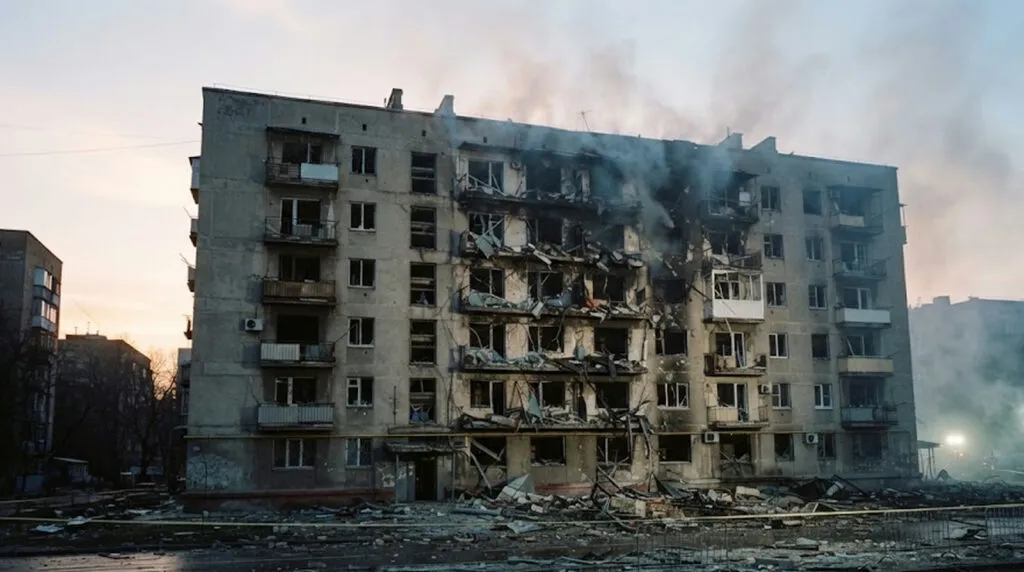
Trump's envoys left Kyiv on Sunday. In the morning ballistic missiles fell on the city and Poland scrambled its aircraft....
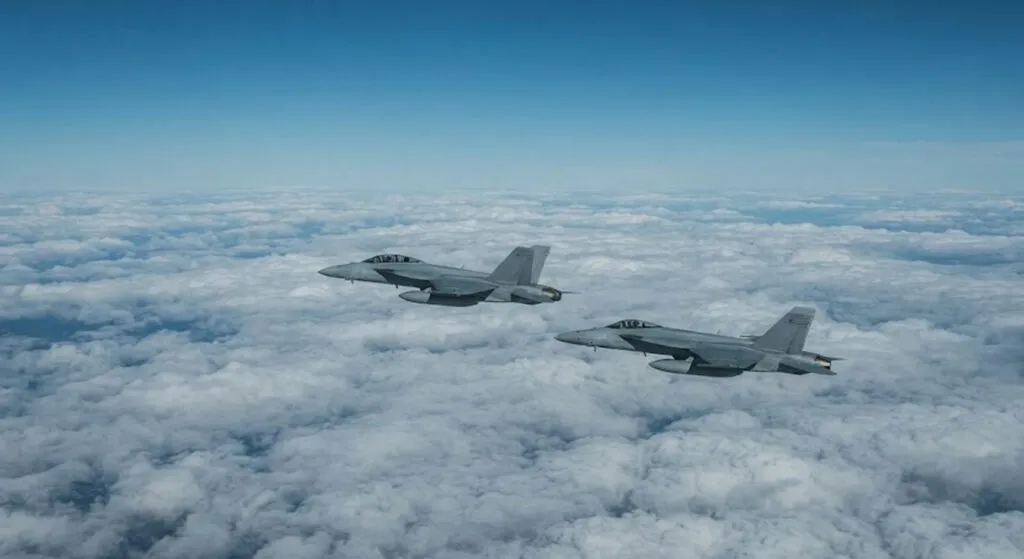
They were not shot down, not hit from the ground - they flew into each other. And the channel that...
Witkoff and Kushner came to Kyiv by train because a plane could not land. After hours of negotiations, one sentence...
Mk-41 launchers can carry Tomahawks, and Moscow reads that as a threat to itself. The same statement was read two...
Not next month - 2027. A president planning air defence for the period after peace says more about the peace...
In Moscow they sat at the same table as Putin. In Kyiv, Zelensky was placed apart, on the other side...
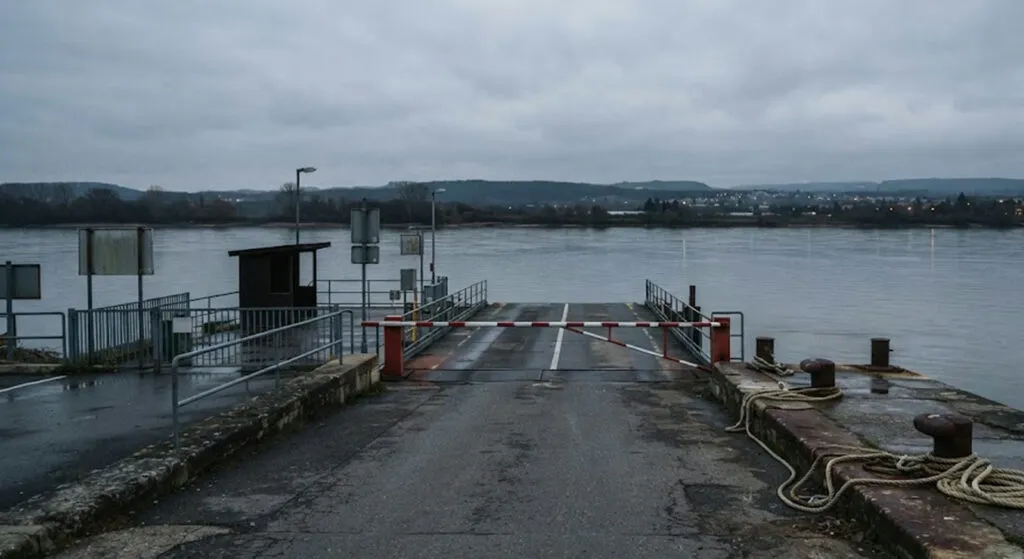
When the same point is hit twice in seven days, it is no longer an error in the coordinates. And...
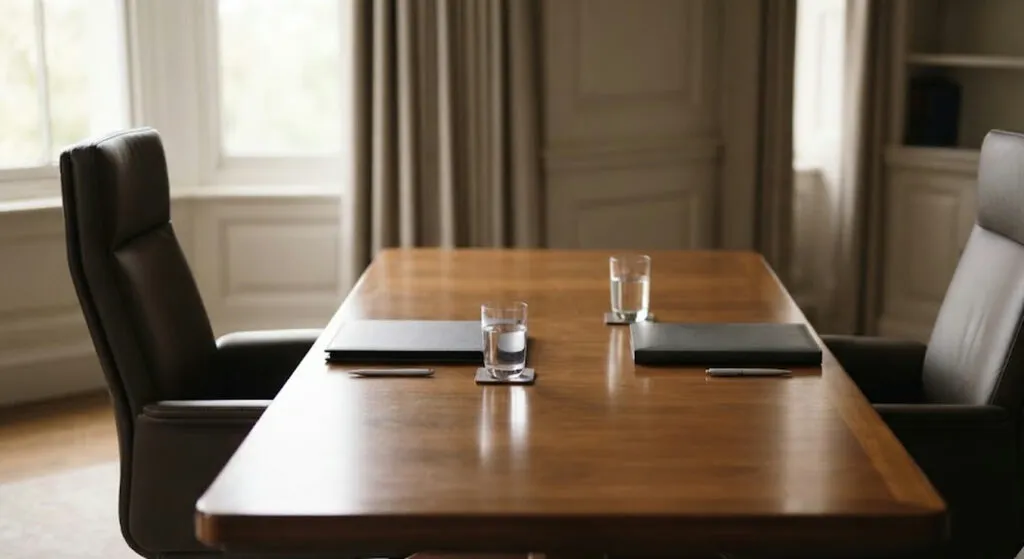
The sky above a capital is safe exactly as long as there are American negotiators inside it. That is not...
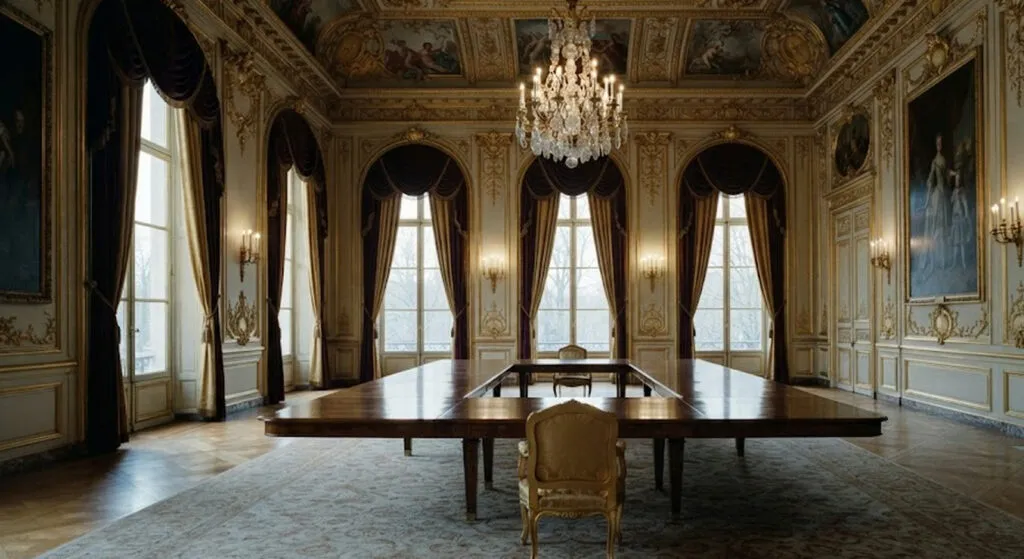
Two American envoys entered the Kremlin with a document nobody outside that room has read. A three-day pause over Kyiv...
This site uses cookies - is that okay? Learn more
Be the first to know when Metla launches something new
Leave your email and we will write when there is a new guide or something new on Metla.