The defence in the Puls case has called 244 witnesses, and the nightclub owner's detention runs out on Saturday
01.10.2026


01.10.2026
01.10.2026

01.10.2026
01.10.2026
01.10.2026
01.10.2026

01.10.2026

30.09.2026
29.09.2026

01.10.2026

01.10.2026

30.09.2026

01.10.2026

01.10.2026

01.10.2026

01.10.2026

30.09.2026

29.09.2026

01.10.2026

01.10.2026

01.10.2026

01.10.2026
01.10.2026

01.10.2026

09.03.2026

27.02.2026

19.02.2026

01.10.2026

01.10.2026
30.09.2026

23.04.2026

23.04.2026

12.04.2026

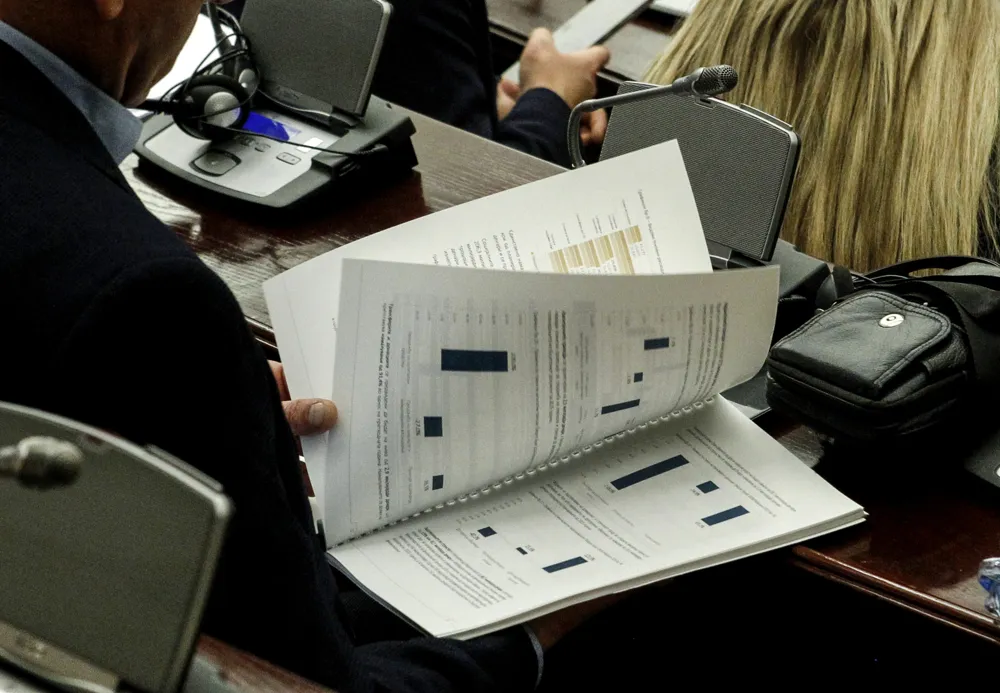
Prime Minister Hristijan Mickoski has announced that another budget revision is possible before the end of the year, after the one passed in July. The reason is the cut in excise duty and VAT on fuel, which the government is using to cushion rising petroleum prices. From excise duty alone, he said, about five billion denars less will flow into the treasury, and about another billion less because of the lower VAT. In total 6 to 7 billion denars, or between 97 and 113 million euros.
"We expect to be 6-7 billion denars short of what we planned by the end of the year, which is why we may well have another budget revision before the year is out," Mickoski said after opening the renovated Stiv Naumov student dormitory in Skopje. He called it a huge sacrifice for a budget like ours, but said the priority is to protect people's living standards and, as he claims, the lowest fuel prices in Europe.
The July revision set total revenue at 379.5 billion denars and spending at 425.8 billion. The deficit is projected at 46.3 billion denars, or 4.1 percent of GDP. According to the latest execution data, about 4.9 billion euros has been spent so far, more than 70 percent of the annual spending plan, while revenue stands at about 4.2 billion euros, or roughly 68 percent of the target.
Finance Minister Gordana Dimitrieska-Kochoska does not rule out a new revision and says it is nothing unusual - in 2022 there were two. She insists that even with a new revision the deficit will stay at the projected 4.1 percent of GDP. If revenue falls and the deficit stays the same, the maths is simple: something has to be cut. The July revision found extra money for capital investment, local development, agriculture and social protection. Which of those will feel the new scissors first?
Inflation, according to the prime minister, is under control: 2.3 percent in July, 2.6 in August, below the European average. Cheap fuel helps keep that picture calm. But a subsidised price is not a free price - it just gets paid somewhere else, through the budget, while the price of oil on world markets, hovering above 100 dollars a barrel, does not depend on Skopje. How many budget revisions can the "cheapest in Europe" policy survive if the barrel price doesn't come down?
The latest 10 news from this category
Visa and Mastercard handle almost two thirds of card payments in Europe. Five European systems are now laying their own...
Germany 3.3, France 3.4, Italy 4.1, Spain 4.9 percent. Energy is pushing prices up again and Frankfurt is deciding whether...
Google says it has the most powerful model, and the yardstick comes from a startup on whose index it ranks...
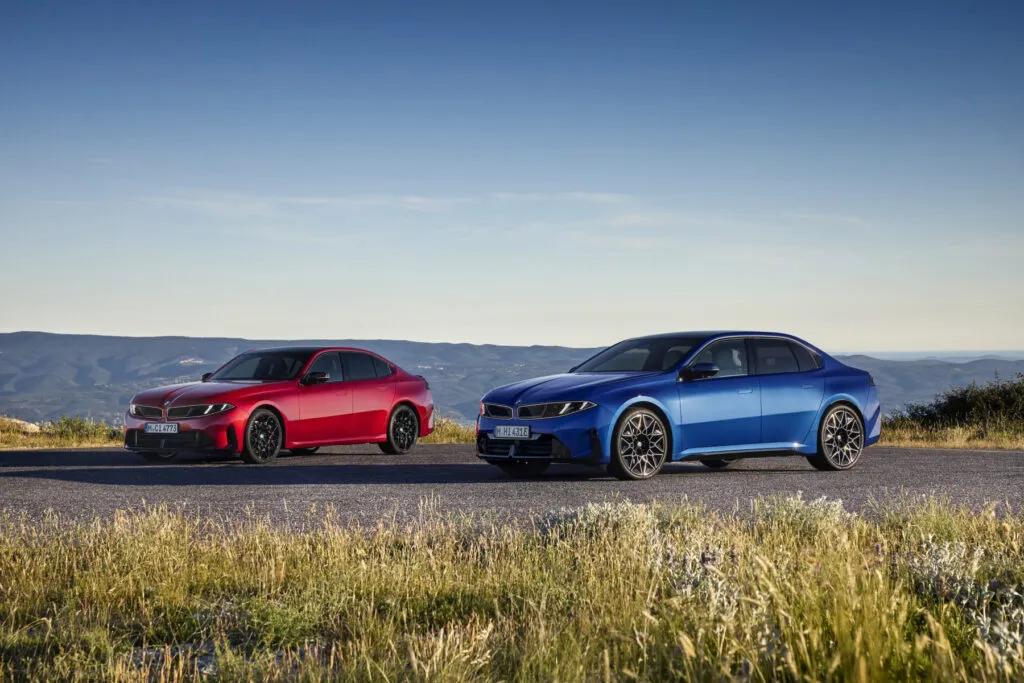
The prediction that electric cars would become cheaper than petrol ones finally has a clean comparison: BMW makes the same...
Content users wrote for free for years is becoming a commodity. RSS shuts down on 13 November, the public API...
Mickoski name-drops the American DFC and a double-digit rate of return. The financing still isn't in place - and the...
2.6 versus 3.2 percent is not half, it's roughly a fifth. And lower inflation doesn't roll prices back - it...
Industrial water from underground sources, closed cooling loops, citizens first - the promises are all there. How many litres and...

It all started when Microsoft cut off the International Criminal Court prosecutor's email. Now France is switching state computers to...
AI agent safety is being offered as open source, but full protection only works on Nvidia chips. And the company...
This site uses cookies - is that okay? Learn more
Be the first to know when Metla launches something new
Leave your email and we will write when there is a new guide or something new on Metla.