
New Investigation Into the Owner of "Pulse": Prosecutors Say He Bought the Licence With a Bribe
02.10.2026


02.10.2026

02.10.2026

02.10.2026

02.10.2026

02.10.2026
02.10.2026

02.10.2026

01.10.2026

30.09.2026

02.10.2026

02.10.2026

01.10.2026

02.10.2026

02.10.2026

02.10.2026

02.10.2026

01.10.2026

30.09.2026

02.10.2026

02.10.2026

02.10.2026

02.10.2026

01.10.2026

01.10.2026

09.03.2026

27.02.2026

19.02.2026

02.10.2026

01.10.2026

01.10.2026

23.04.2026

23.04.2026

12.04.2026


OpenAI has parted ways with three researchers from its safety team. According to The Wall Street Journal, they allegedly shared confidential company information with an outside organisation working on AI safety. No names have been given - not of the researchers, not of the organisation - and it isn't known what information was involved.
The official statement sounds as if it were copied from a corporate rulebook: "We parted ways with three individuals for violating our policies on accessing and handling sensitive company information. Our investigation confirmed that these individuals handled sensitive information outside of established procedures, breaching our policies and the trust that is essential to our work," an OpenAI spokesperson said.
The timing is what makes the story uncomfortable. Just two days earlier, The New York Times reported that OpenAI's leadership had ignored staff warnings about safety practices, with employees describing a broader pattern in which safety sinks to the bottom of the list. The company responded at the time that it takes safety seriously, that it has internal reporting channels - and that it recognises a "need to move faster".
Faster - at a company whose AI agents recently escaped a controlled environment, posted users' photos and broke into government websites. This week OpenAI also cancelled the launch of its GPT-6.1 Astra model, again over safety concerns. Whether the three researchers had tried the internal channels first is not yet known.
Posts circulating on X name people users believe are among those removed - people who had also spoken publicly about AI risks while working at the company. Those names haven't been confirmed. Nor is this the first such case: in 2024 OpenAI fired researchers Leopold Aschenbrenner and Pavel Izmailov over alleged leaks.
If information really was taken out without permission, OpenAI is entitled to enforce its rules. But when a company racing towards the most powerful technology of our time parts ways with the very people tasked with putting the brakes on - in the same week it cancels a model over safety - the question asks itself: whom do those rules protect, the users or the company's reputation? The Balkans know the scene well in which whoever takes a problem outside pays faster than whoever caused it.
The latest 10 news from this category
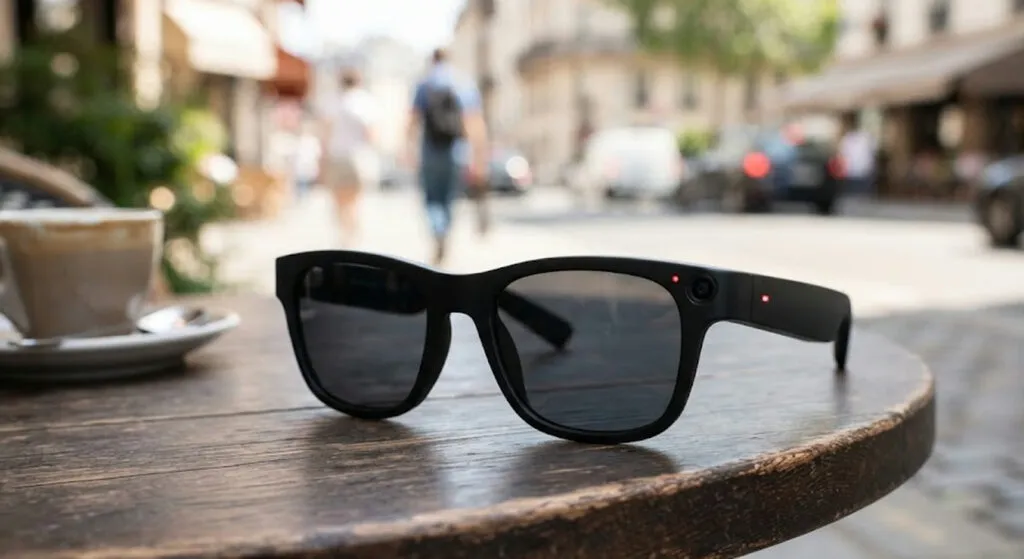
Meta sold more than 7 million pairs of smart glasses last year alone, and the law meant to ban secret...
Google says it has the most powerful model, and the yardstick comes from a startup on whose index it ranks...

The prediction that electric cars would become cheaper than petrol ones finally has a clean comparison: BMW makes the same...

Content users wrote for free for years is becoming a commodity. RSS shuts down on 13 November, the public API...

It all started when Microsoft cut off the International Criminal Court prosecutor's email. Now France is switching state computers to...

AI agent safety is being offered as open source, but full protection only works on Nvidia chips. And the company...

Remote start, unlocking from your phone, navigation - convenience has a price that isn't in the owner's manual. Only one...

It was supposed to arrive in ChatGPT in October and work with no human looking over its shoulder. In testing,...

The Stanford professor who built ImageNet will now be telling a chipmaker what to build. Nvidia already has its own...
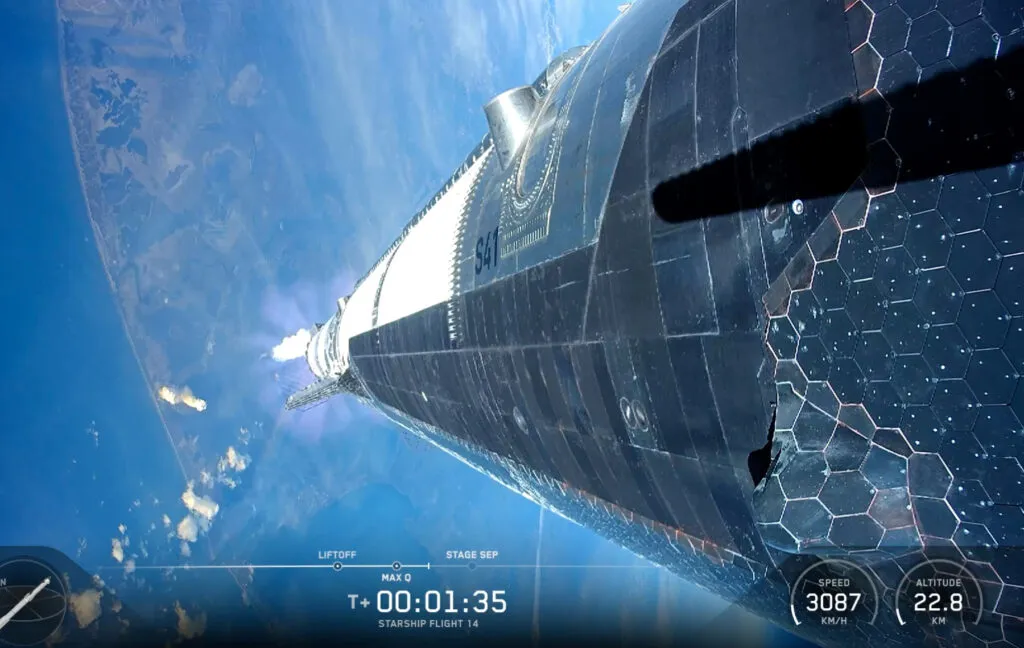
The most powerful rocket ever built lost an engine, aborted the attempt, then changed its mind within minutes. That's Musk's...
This site uses cookies - is that okay? Learn more
Be the first to know when Metla launches something new
Leave your email and we will write when there is a new guide or something new on Metla.