
The "Lottery" Trial: 231 Pieces of Evidence, and So Far Not a Single Message Between Grubi and Bajrami
24.09.2026


24.09.2026
24.09.2026

24.09.2026

24.09.2026
24.09.2026
24.09.2026
24.09.2026

23.09.2026
22.09.2026

24.09.2026

24.09.2026

23.09.2026

24.09.2026

24.09.2026

24.09.2026

24.09.2026

23.09.2026

22.09.2026

24.09.2026

24.09.2026

24.09.2026

24.09.2026

23.09.2026

23.09.2026

09.03.2026

27.02.2026

19.02.2026
24.09.2026

23.09.2026
22.09.2026

23.04.2026

23.04.2026

12.04.2026

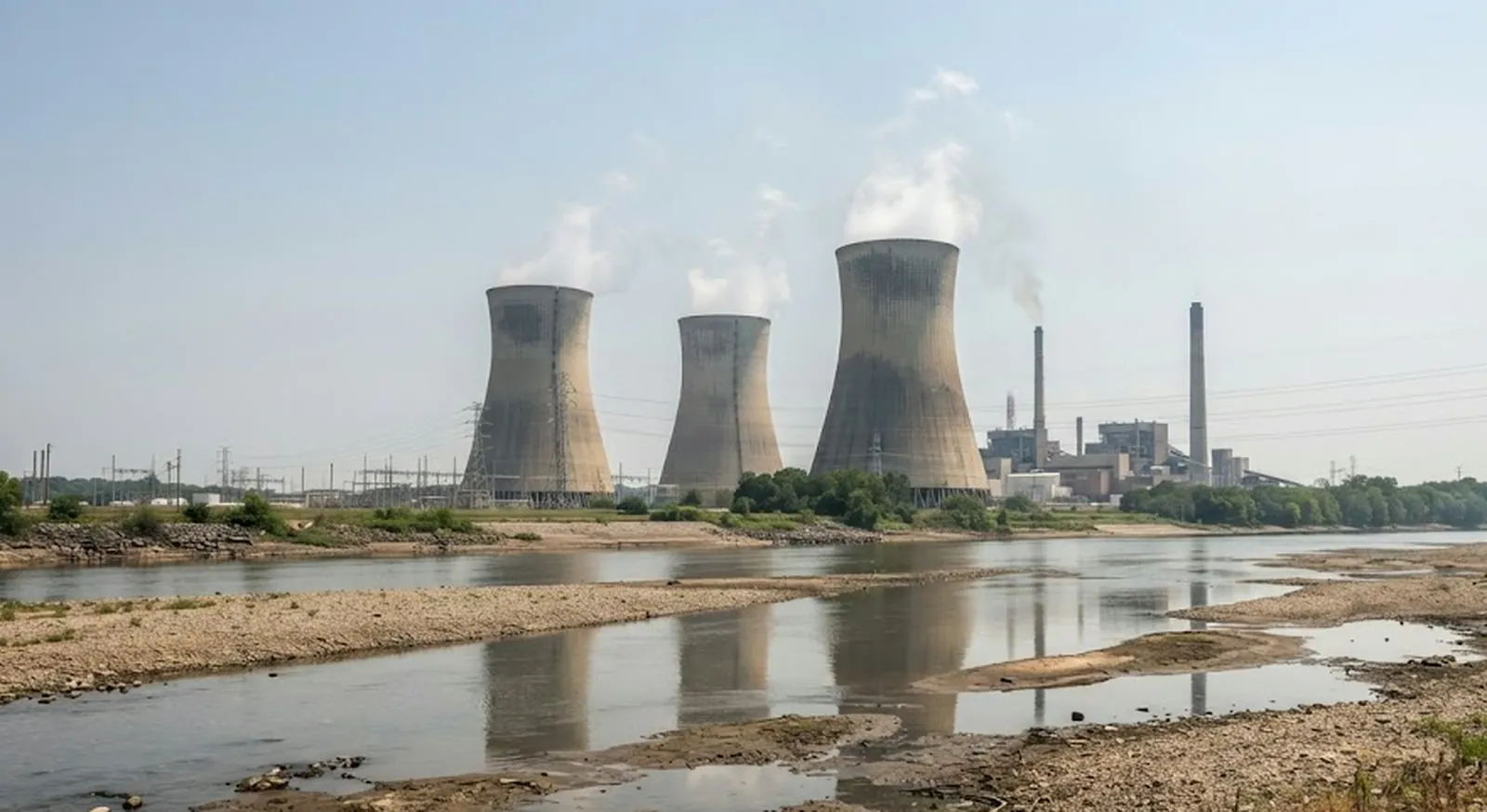
A nuclear power plant that has to cut output because the river is too warm - twenty years ago that sentence would have sounded like science fiction. Today it is an operational report. The plant at Krsko is running at 80 percent of capacity because the water of the Sava has warmed beyond what its permit allows.
The limit is 28 degrees at the discharge point. If the water reaches it, output will be cut further or stop entirely. Management has already asked the Slovenian nuclear regulator to temporarily raise the permitted temperature to 30 degrees. At the next stage, power drops by another 15 percent, and below 50 percent of capacity the plant shuts down.
It is not a safety issue - and that is exactly what makes it interesting
The official position is that this is an environmental restriction, not a safety one. The reactor was built for far higher water temperatures than the current 25 degrees. State secretary Tomaz Zagar explains that the limit exists so the environment is not overloaded with waste heat, and to ensure the temperature of the Sava below the point of full mixing, at the Brezice dam, does not exceed 28 degrees.
So the reactor is fine. The river is not. And that is the point worth holding on to: infrastructure from the previous century was designed for a climate that no longer exists. Nobody designed it for an August in which the river does not have enough cold water to absorb the heat of a single unit.
There is electricity, but imports jumped
Zagar insists there is enough electricity and that supply to consumers is not at risk - consumption is low, and transmission capacity is sufficient. What matters is grid stability: the reactor's continuous operation maintains the frequency needed for importing and exporting electricity.
The reduced output nevertheless pushes imports up by around 20 percent. That shows up on the daily markets, but not for households on annual contracts. At least not immediately - the daily market has a habit of reaching the bills with a delay.
This is not a Slovenian problem
And here is the part that concerns us directly. Krsko is not an isolated case: Hungary, Romania and France recently shut down units too, there because low water levels on the Danube made cooling water inaccessible. The Krsko plant operates in the same regional grid where the electricity arriving in the Balkans is traded. When several large producers cut output at the same time in the hottest month, the region is importing from an ever smaller shared pot.
Zagar says the reduction is temporary and is reviewed weekly. But the permanent solution, he admits himself, requires building a nuclear facility independent of the river and resistant to climate conditions. That is an investment measured in decades and billions. The question that remains is whether the region will start planning that independence now, or wait for a few more Augusts like this one, in which rivers decide when there is electricity.
The latest 10 news from this category

The European average is 26.3 years, the Finnish one is 21. And they are not students - more than half...
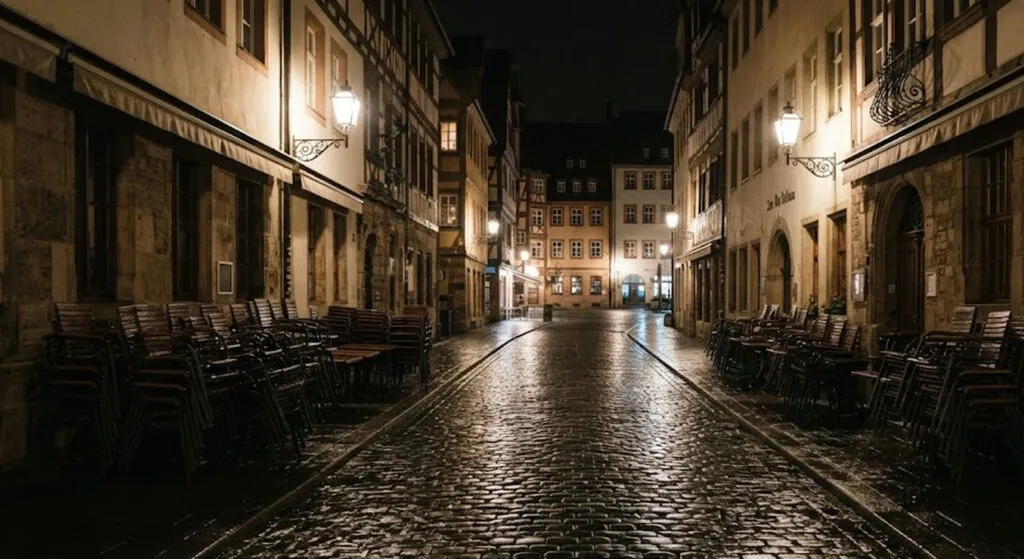
The first police investigation found no irregularities. The second established unlawful and disproportionate force. The difference was made by footage...

The domestic regulator found the irregularities first, and then the story stopped. It took crossing a border for the same...

Two million people stood against twenty-seven states and the text never came out. A reminder that EU membership does not...
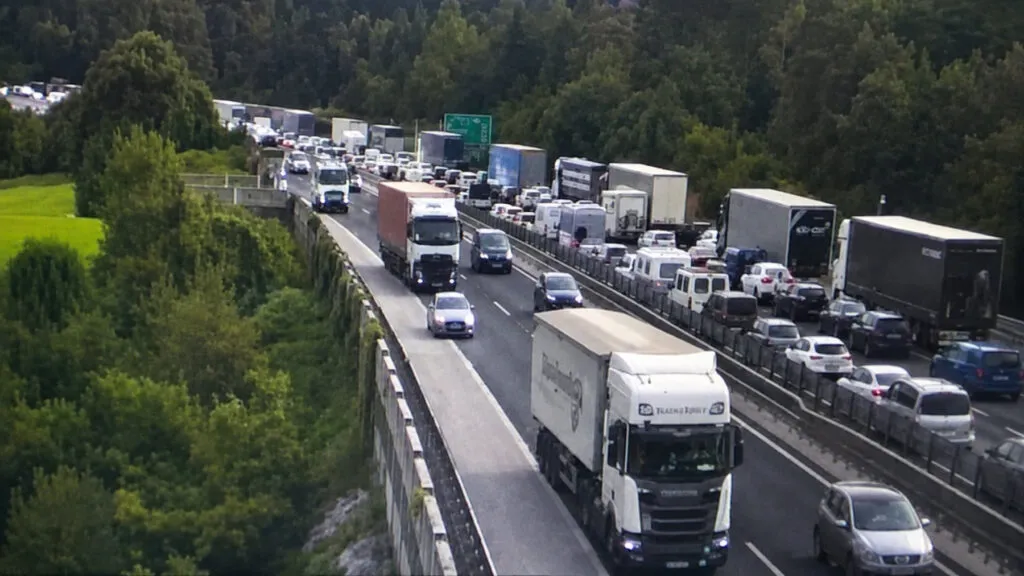
A lorry stopped in the hard shoulder with a breakdown, a car with five passengers and one impact in the...
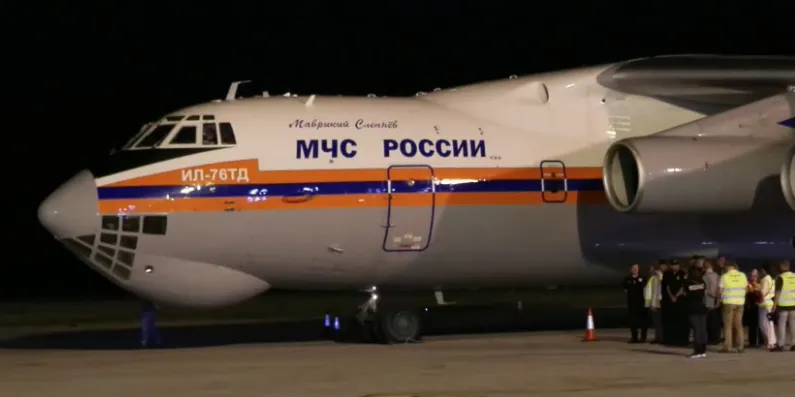
Forty-two tonnes of water per flight and one well-organised welcome on the runway in Niš. The fire in the Deliblato...

Seven times since 2015, and one trip ended less than two months before the invasion of Ukraine. SOVA says it...
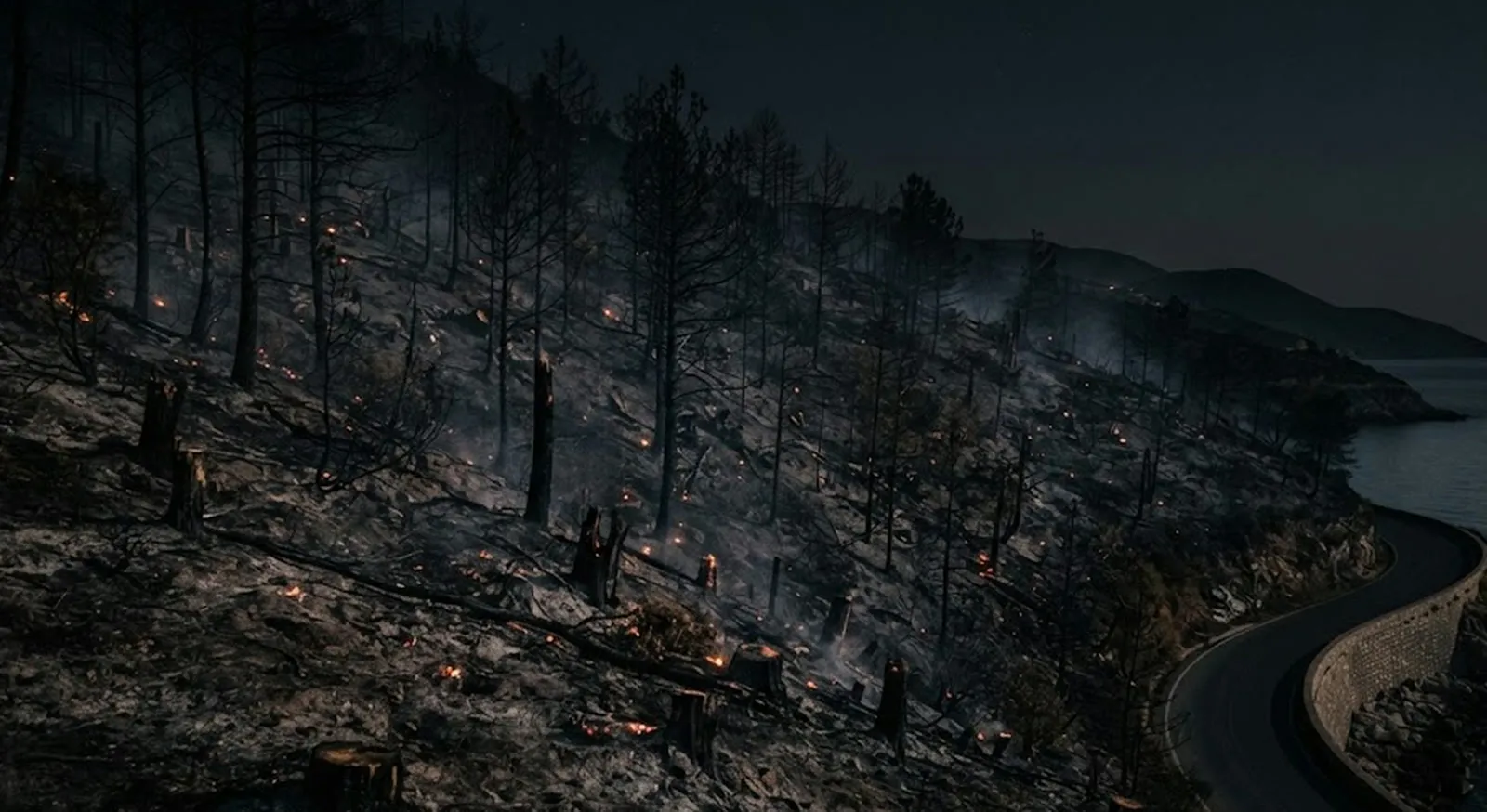
194 people evacuated by boat, 36 injured, one body found in the burnt area. Mobile phones in the zone stayed...
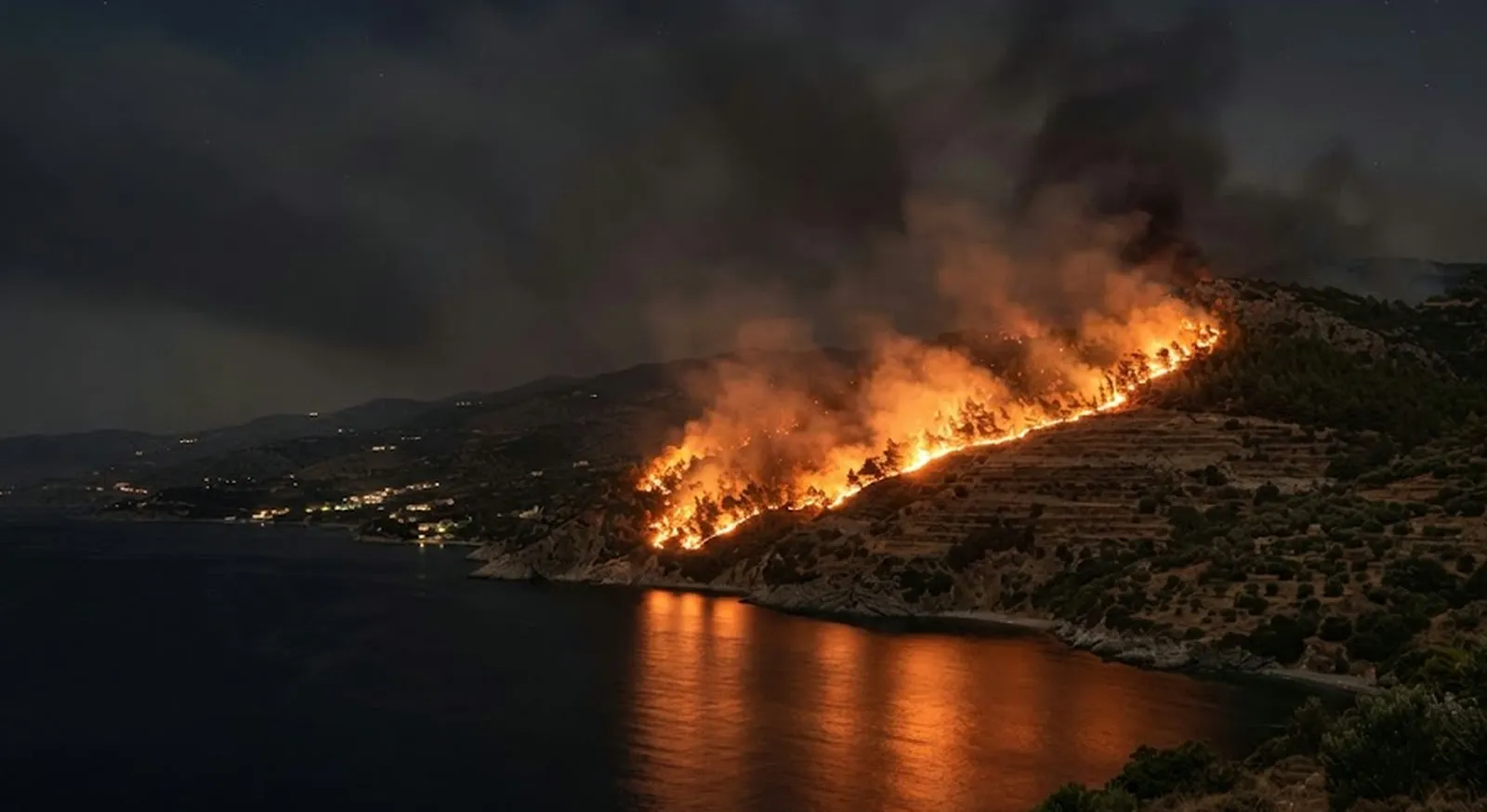
Driven by a strong night wind, the flames covered the distance from Mimice to Omiš in two hours. The question...
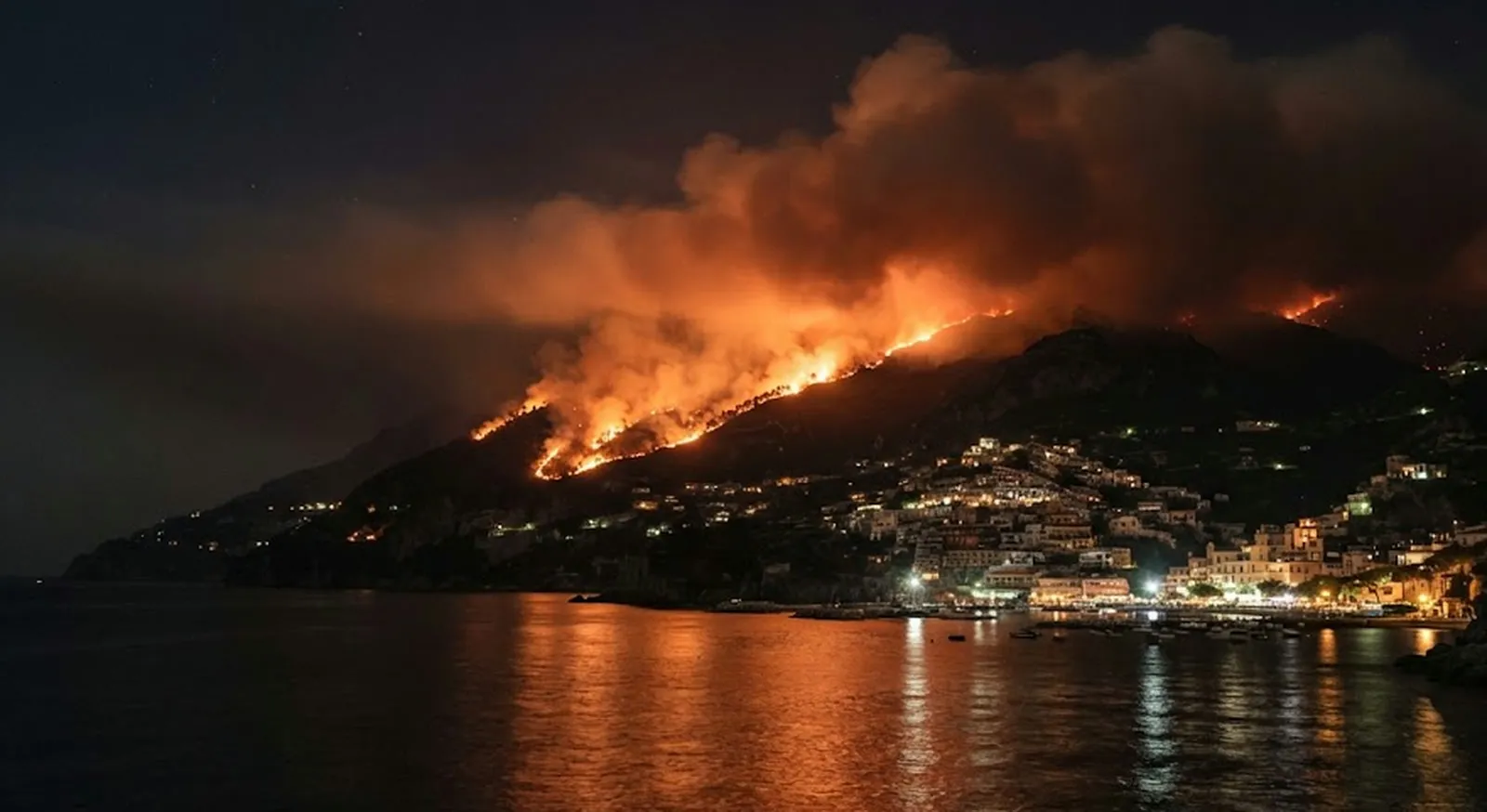
The flames reached fifty metres from the centre and people fled by boat because the coastal road was shut. A...
This site uses cookies - is that okay? Learn more
Be the first to know when Metla launches something new
Leave your email and we will write when there is a new guide or something new on Metla.