

Jotova to Mickoski: Talks "Without Ultimatums" - but First Skopje Must Forget the Issue Is Bilateral
05.10.2026


05.10.2026

05.10.2026
05.10.2026
05.10.2026
05.10.2026
05.10.2026

05.10.2026

05.10.2026
04.10.2026

05.10.2026

05.10.2026

04.10.2026
05.10.2026

05.10.2026

05.10.2026

05.10.2026
04.10.2026

03.10.2026

05.10.2026

05.10.2026

05.10.2026

05.10.2026

05.10.2026

05.10.2026

09.03.2026

27.02.2026

19.02.2026

05.10.2026
04.10.2026

04.10.2026
05.10.2026
04.10.2026

02.10.2026

23.04.2026

23.04.2026

12.04.2026

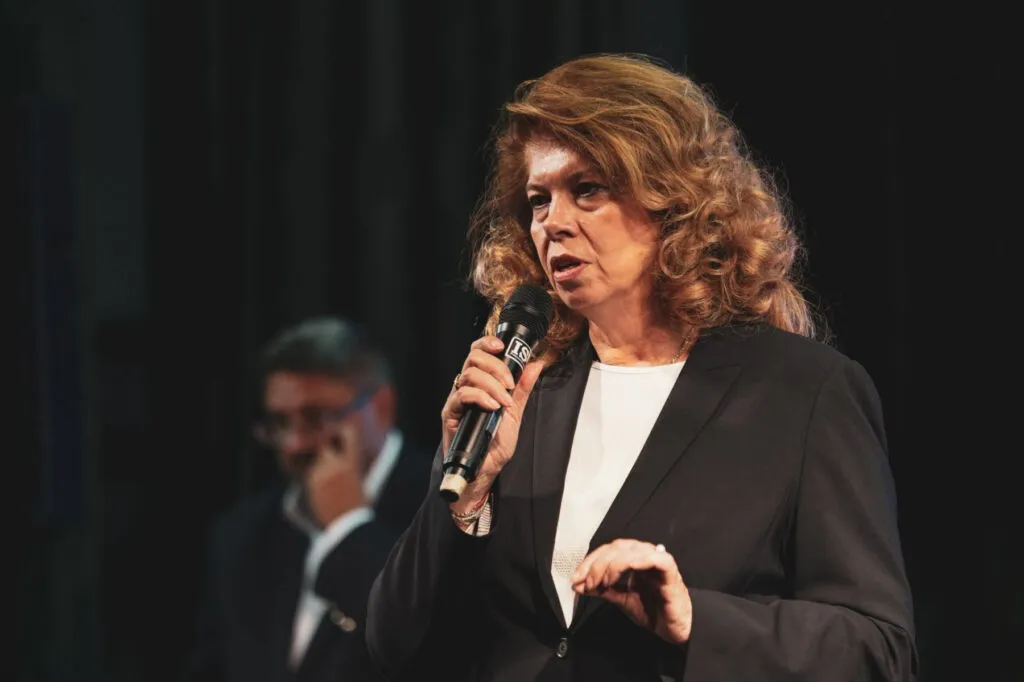
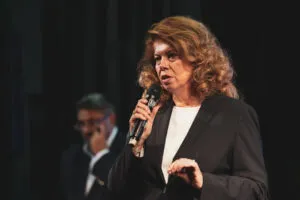
Iliana Jotova repeated the formula Skopje has been hearing for years. In Blagoevgrad, marking the 114th anniversary of what Bulgaria calls the liberation of Gorna Džumaja, the Bulgarian president said Sofia is "always open to talks", but "without ultimatums and without departures from European policy". And then she made her point, addressed directly to Prime Minister Hristijan Mickoski: he "must read European policy very carefully" on enlargement and forget that this is a bilateral issue.
Here the paradox begins. On Friday Macedonia's Foreign Ministry sent a request for a bilateral meeting between ministers Timčo Mucunski and Velislava Petrova-Chamova, to be held on the sidelines of the ministerial meeting on Corridor 8. So far Sofia's answer isn't arriving through diplomatic channels, but through microphones: we're ready to talk, as long as Skopje first accepts that the talk isn't bilateral. A bilateral meeting about an issue that must not be called bilateral - that is the European policy Skopje is supposed to "read very carefully".
Jotova herself said she wants her minister to show her exactly what the note says and how it is worded. So she has yet to read the note. The conditions for the talks, however, she already knows.
She went a step further. She said she didn't know the details of the one-on-one conversation between Mickoski and European Commission President Ursula von der Leyen, but hoped that this time von der Leyen had been "exceptionally firm". She also said that, before anything else, the case of Iva Mihajlova must be resolved, over which Bulgaria, according to her, has turned to "the highest European and world institutions". And she added that a country that has set out on the European path must not "speak in the tone of ultimatums".
When Sofia sets conditions before a meeting, that is "European policy". When Skopje asks for a meeting, that's the risk of an ultimatum. How many times does this scene have to play out before people stop calling it dialogue?
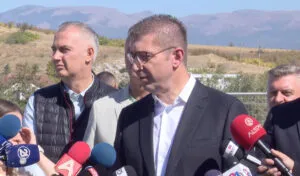
Mickoski, for his part, says he is not satisfied with von der Leyen's message on the constitutional amendments, though he described the meeting as friendly and useful. If Bulgaria rejects the meeting, he said, the government's arguments will be confirmed once again - but in his view it would not be wise for Sofia to turn the offer down. Political analyst Siniša Pekevski is more sceptical: "Realistically it's good that there will be talks, but I don't expect progress - their demands are fixed and they won't back down from them."
The next stop is the report on Macedonia's progress, which according to Jotova the European Commission will consider in about two weeks. Until then - a note whose text Jotova still wants to see, conditions that are already written, and "moderate optimism" from the side doing the writing.
The latest 10 news from this category
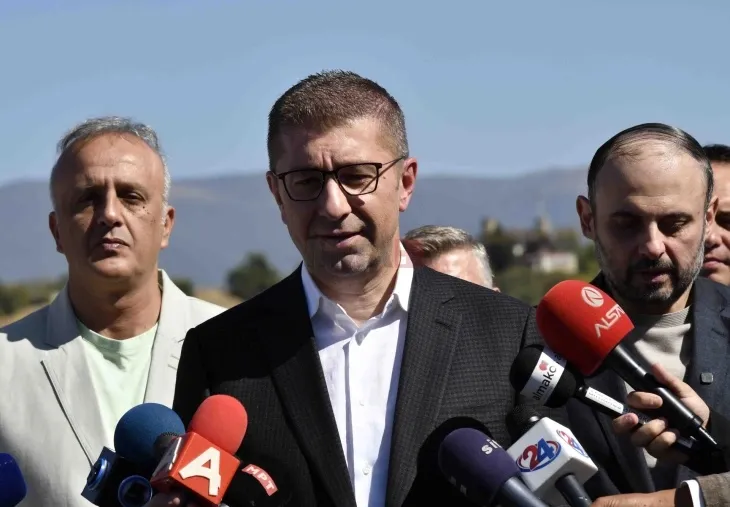
The constitutional changes stay on the table, and Skopje has requested a bilateral meeting with Bulgaria. So far there is...
As Greece handed Bulgaria the remains identified as Samuel's, the prime minister answered with history. His dates didn't add up.
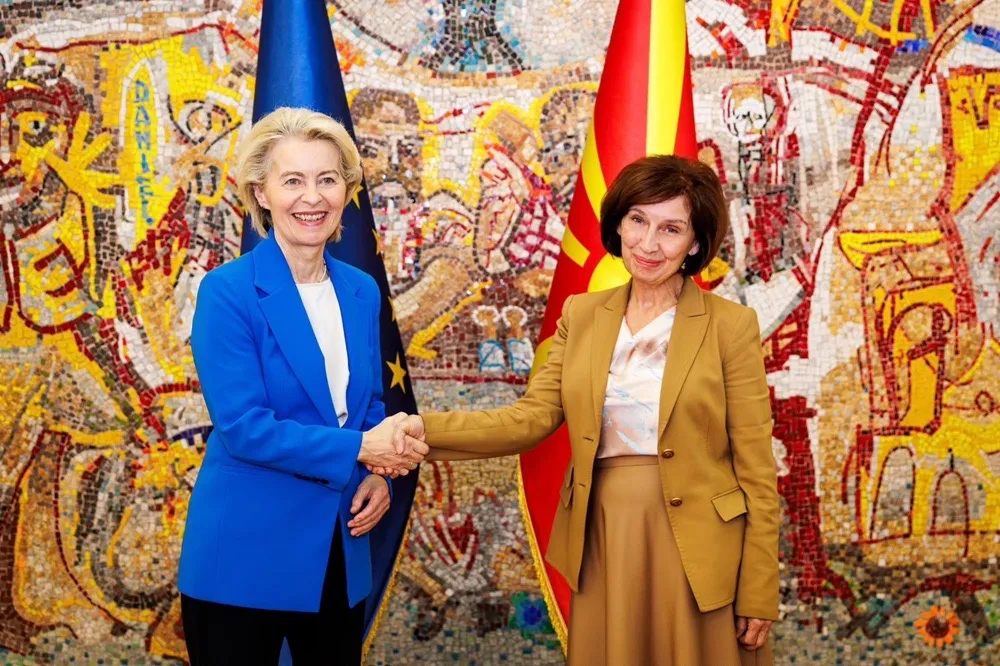
Brussels said what we wanted to hear about identity - and what we didn't want to hear about the process....
Instead of a debate about why the opposition isn't growing, SDSM is busy debating who works for whom. The government...
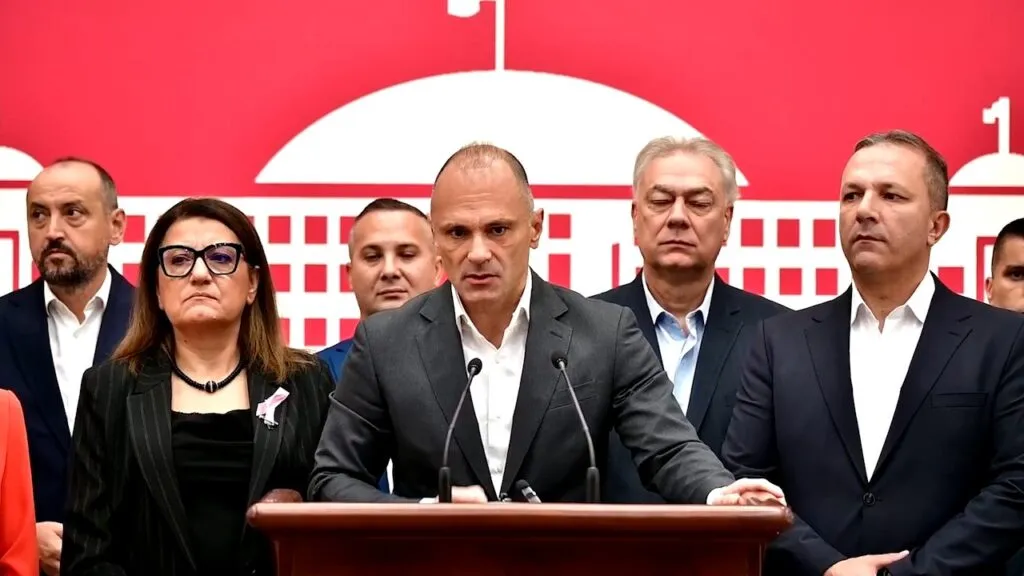
The opposition says Macedonia has been left off Europe's roadmap, the government calls that hate speech. After "hen", "louse" and...
In 2022 Skopje and Tirana opened negotiations together. Now Tirana is being considered for fast-track membership, Skopje is not in...
The National Gallery director was dismissed after an inspection, the Krushevo museum director resigned over "Sexy Mama". The cases are...
Mickoski calls the report illogical and says his information is different. Montenegro, Albania, Ukraine and Moldova are getting roadmaps, according...
Bilateral meetings with Bulgaria are getting nowhere, the minister says, and the EU has to step in directly. A mediator...
VMRO-DPMNE, SDSM and Vlen are all in the delegation. The press release has an itinerary, but not a single word...
This site uses cookies - is that okay? Learn more
Be the first to know when Metla launches something new
Leave your email and we will write when there is a new guide or something new on Metla.