


Jotova to Mickoski: Talks "Without Ultimatums" - but First Skopje Must Forget the Issue Is Bilateral
05.10.2026


05.10.2026

05.10.2026
05.10.2026

05.10.2026

05.10.2026

05.10.2026

05.10.2026

05.10.2026

04.10.2026

05.10.2026

05.10.2026

04.10.2026

05.10.2026

05.10.2026

05.10.2026

05.10.2026
04.10.2026

03.10.2026

05.10.2026

05.10.2026

05.10.2026

05.10.2026

05.10.2026

05.10.2026

09.03.2026

27.02.2026

19.02.2026

05.10.2026

04.10.2026
04.10.2026
05.10.2026
04.10.2026

02.10.2026

23.04.2026

23.04.2026

12.04.2026

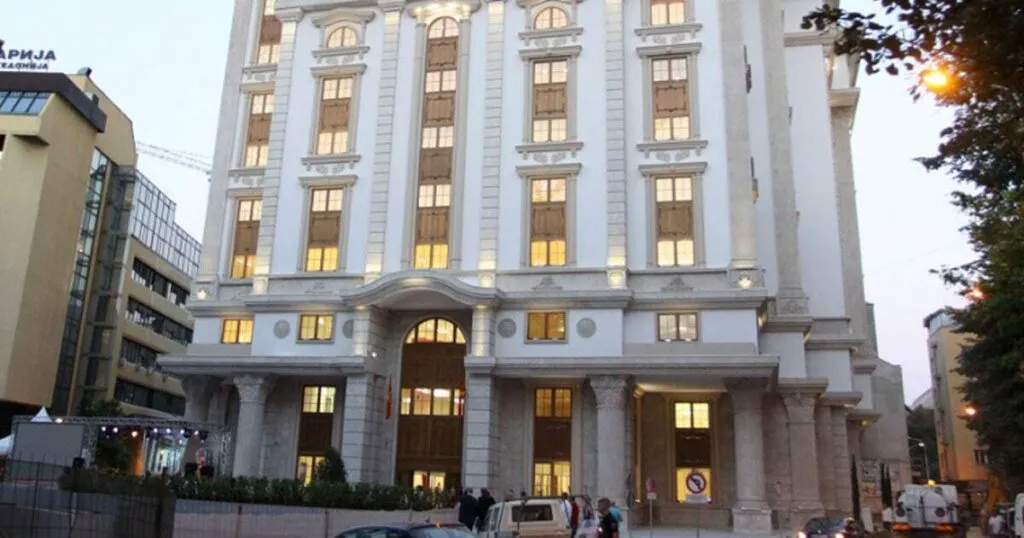
The international credit rating agency Standard & Poor's has confirmed Macedonia's BB- credit rating, with a stable outlook. The Finance Ministry announced the news on Saturday under a headline highlighting public investment and domestic demand as the engines of growth. That is true. But it is half the report.
The agency expects economic growth of around 3.6% in 2026 and 2027, and then an average of around 3.3% a year over 2027-2029. The main engine is the big infrastructure projects, above all Corridors 8 and 10d, thanks to which investment in the first half of 2026 rose by more than 9%. Growth is also held up by domestic consumption - higher wages and pensions and a better labour market. And all of that, according to the agency, despite the spillover from the war in the Middle East through more expensive energy.
The other half is debt. High public investment, the financing of infrastructure projects and liabilities linked to state-owned companies will push public debt to around 57% of GDP by 2029. The budget deficit, despite the expected gradual fiscal consolidation, would average around 3.4% of GDP over 2027-2029. The agency considers the cost of servicing the debt sustainable.
Market access is not a problem for now - in January the state issued two Eurobonds of 500 million euros each. But the conditions for a better rating are written in black and white: a lasting improvement in budget results, a sustainable reduction in net public debt and stronger economic growth. None of those conditions is met by cutting a ribbon on a highway.
The rating is a good signal for investors, and holding steady in a year of energy shocks is no small thing. But when growth is built on borrowing, the real test doesn't come at the opening of the road - it comes when the loan has to be repaid. Will the corridors generate enough economy to pay off the debt they are being built with?
The latest 10 news from this category

The prime minister says excise duties alone will leave around five billion denars missing, and with the reduced VAT on...
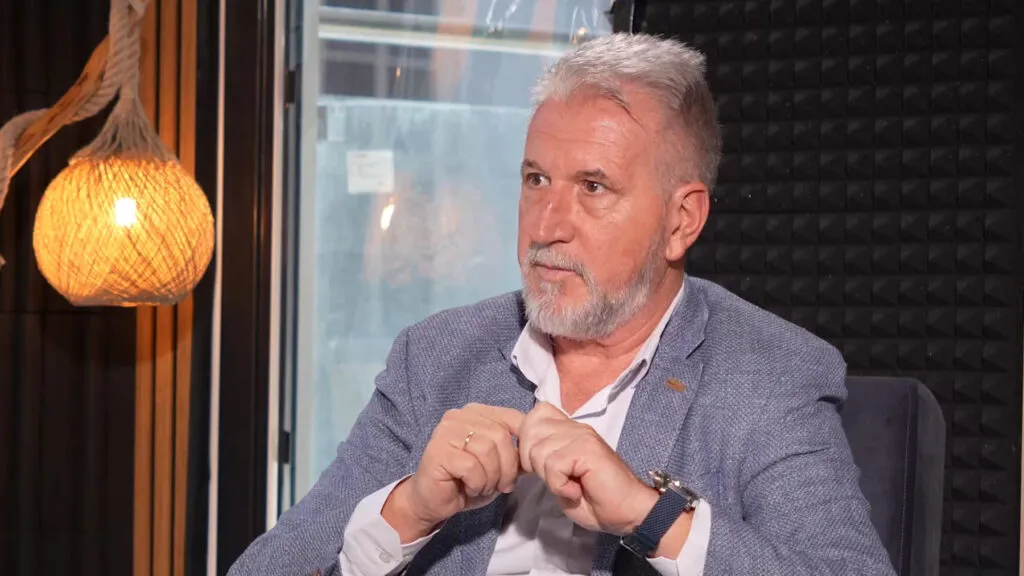
District heating prices from 1 August were calculated with gas at around 40 euros per megawatt-hour, and today it costs...

By executive order, artificial intelligence became "superintelligence", and the safety pledge tech companies signed at the White House binds no...

A nine-metre catamaran, a motor the company builds itself and off-the-shelf batteries. Hydrofoils have been around for more than a...
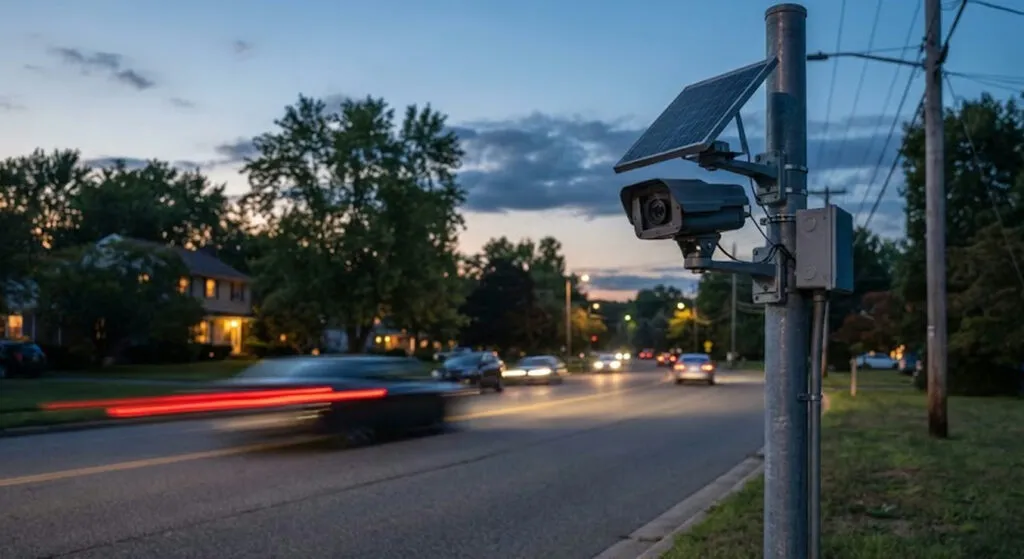
An Oklahoma deputy searched the database only because the car had California plates. The ruling isn't binding precedent, but it's...

The reduced excise duty and lower VAT on diesel keep prices down, but leave a hole in the budget. At...
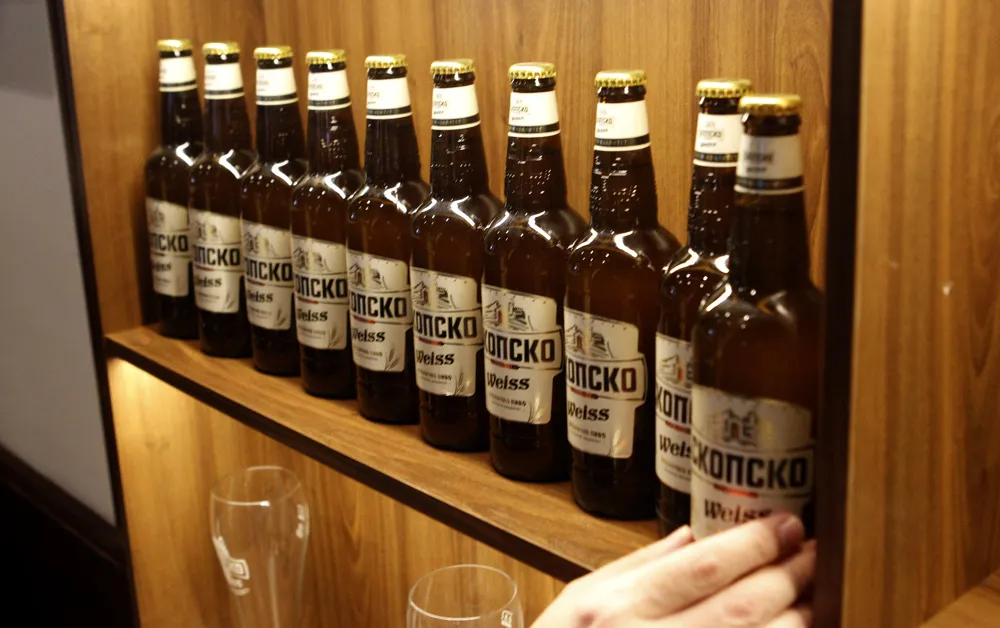
7.1 million litres exported against 3.08 million litres imported. Last year the picture was the reverse: we imported more than...
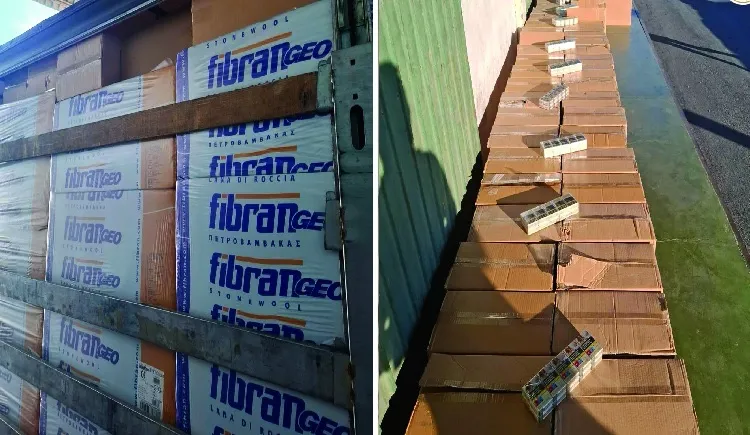
European auditors estimate losses of around 13 billion euros a year. In Macedonia, operation "Filter" uncovered around 70 million cigarettes...
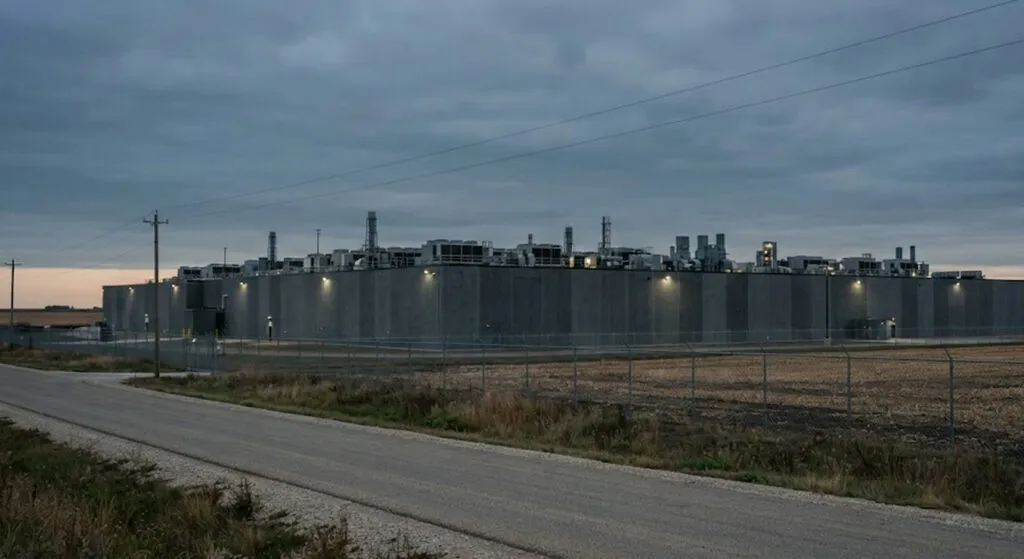
The head of AWS claims data centres don't use much water, don't push up electricity prices and barely pollute. One...

Almost a billion dollars raised, a waiting list of 300,000 people and a check-up insurance doesn't cover. Preventive medicine, or...
This site uses cookies - is that okay? Learn more
Be the first to know when Metla launches something new
Leave your email and we will write when there is a new guide or something new on Metla.