


Jotova to Mickoski: Talks "Without Ultimatums" - but First Skopje Must Forget the Issue Is Bilateral
05.10.2026


05.10.2026

05.10.2026
05.10.2026

05.10.2026

05.10.2026
05.10.2026

05.10.2026

05.10.2026

04.10.2026

05.10.2026

05.10.2026

04.10.2026

05.10.2026

05.10.2026

05.10.2026

05.10.2026

04.10.2026

03.10.2026

05.10.2026

05.10.2026

05.10.2026

05.10.2026

05.10.2026

05.10.2026

09.03.2026

27.02.2026

19.02.2026

05.10.2026

04.10.2026
04.10.2026
05.10.2026
04.10.2026

02.10.2026

23.04.2026

23.04.2026

12.04.2026


About ten days before the start of the heating season, Aco Ristov, head of the Energy Regulatory Commission (RKE), openly warned that Macedonia faces a "turbulent heating season" if the high price of natural gas on the exchanges holds. The problem is simple arithmetic.
When the RKE set the district heating prices in force since 1 August, gas was calculated at around 40 euros per megawatt-hour. "Today on the exchanges it's already 70-72, and it has been as high as 80," Ristov said. Heating for households has already gone up by an average of 5.96% - and today's gas price isn't included in that calculation at all.
For now the companies that produce and distribute heat don't feel the blow, because they haven't started burning gas yet. "In about ten days the heating season starts, and if the market doesn't calm down, they will certainly ask us to intervene in the calculations," Ristov said. A new calculation, he added, doesn't automatically mean a new price rise. How many times so far has a new calculation ended in a lower heating bill?
The regulator is also considering a change in methodology: tying the gas price to an exchange benchmark, as with petroleum products, instead of calculating it from individual companies' purchase prices. Energy expert Mitko Andreevski warns this is the wrong direction. "Gas should be tied to electricity, not to petroleum products. It's not good for the Energy Regulatory Commission to introduce a regulated gas price, because our market has been liberalised for more than ten years," he says. Regulation, in his view, made sense until 2015, when there was only one supplier.
Andreevski's logic is clear: when there are several suppliers, they should compete over who offers the lower price, and when the price is regulated, the room for competition is much smaller. Tying the price to the exchange is supposed to bring predictability. But it can just as easily become one more channel through which exchange spikes reach the final price.
If the turbulence continues, Ristov says the government will be informed, and he mentioned subsidies or finding an alternative source of gas as possible solutions. A subsidy means citizens pay the difference anyway - just not through the heating bill, but through the budget. Will anyone tell district heating customers how much this winter will cost before the first bill arrives?
The latest 10 news from this category

The prime minister says excise duties alone will leave around five billion denars missing, and with the reduced VAT on...
The Finance Ministry is celebrating the confirmed rating. The agency's report, however, also spells out what the highways driving that...

By executive order, artificial intelligence became "superintelligence", and the safety pledge tech companies signed at the White House binds no...

A nine-metre catamaran, a motor the company builds itself and off-the-shelf batteries. Hydrofoils have been around for more than a...
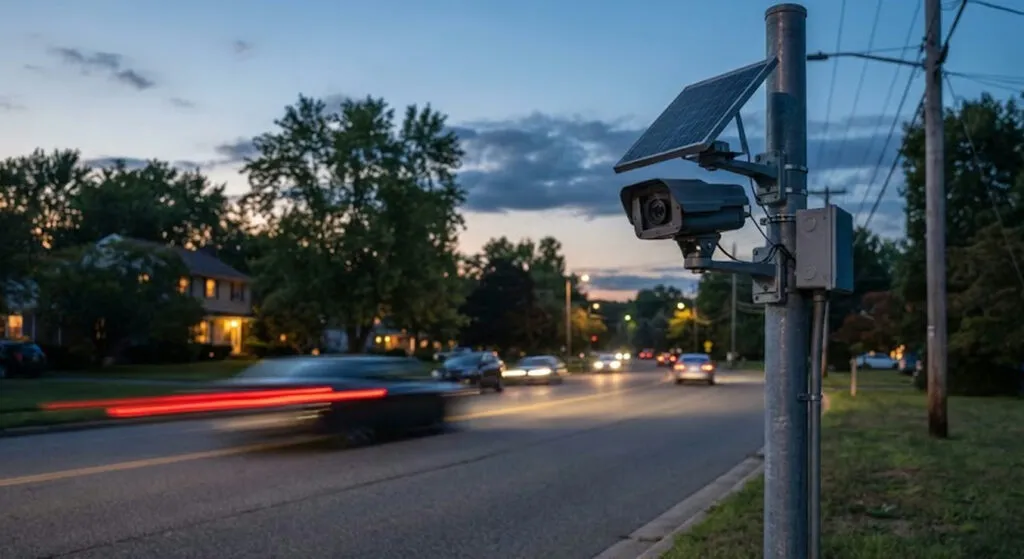
An Oklahoma deputy searched the database only because the car had California plates. The ruling isn't binding precedent, but it's...

The reduced excise duty and lower VAT on diesel keep prices down, but leave a hole in the budget. At...
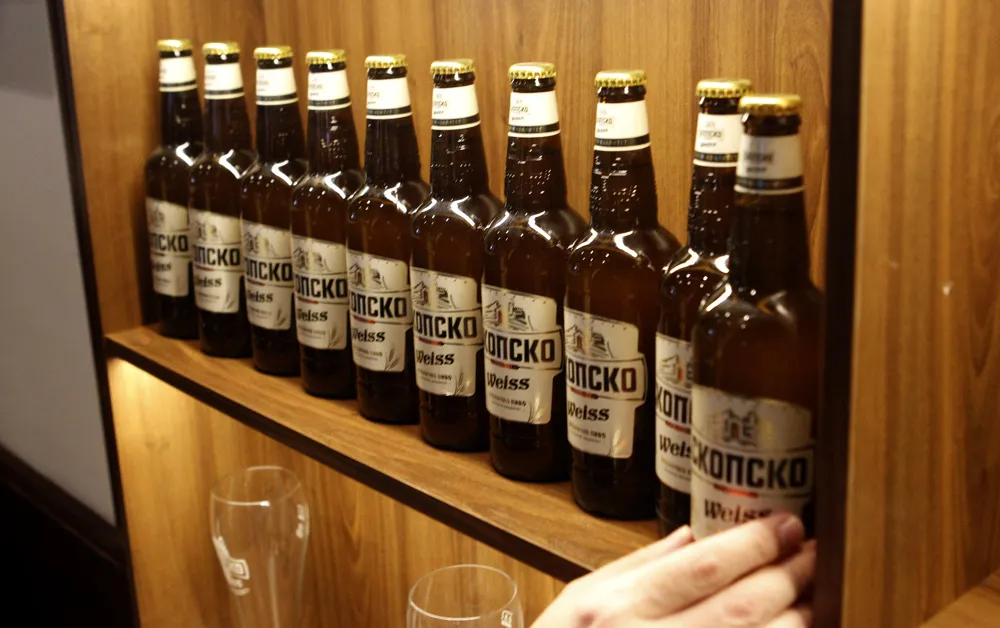
7.1 million litres exported against 3.08 million litres imported. Last year the picture was the reverse: we imported more than...
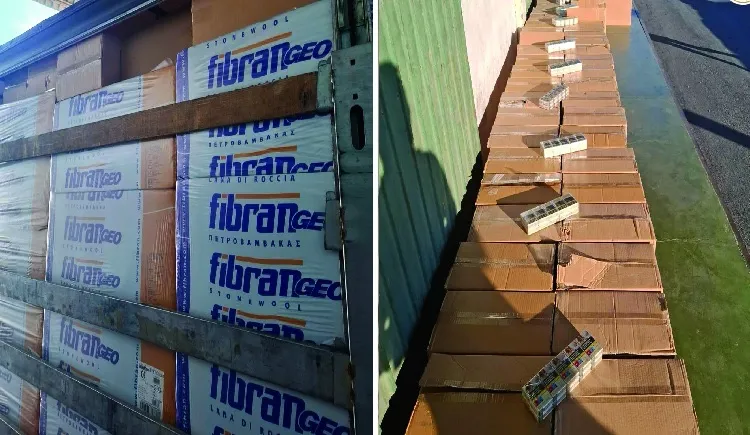
European auditors estimate losses of around 13 billion euros a year. In Macedonia, operation "Filter" uncovered around 70 million cigarettes...
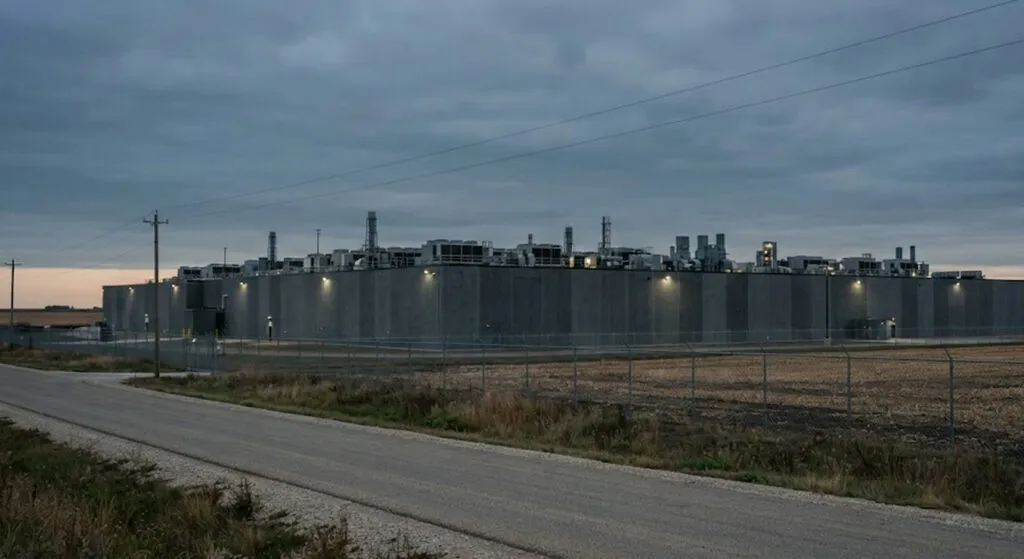
The head of AWS claims data centres don't use much water, don't push up electricity prices and barely pollute. One...

Almost a billion dollars raised, a waiting list of 300,000 people and a check-up insurance doesn't cover. Preventive medicine, or...
This site uses cookies - is that okay? Learn more
Be the first to know when Metla launches something new
Leave your email and we will write when there is a new guide or something new on Metla.