New Investigation Into the Owner of "Pulse": Prosecutors Say He Bought the Licence With a Bribe
02.10.2026


02.10.2026

02.10.2026
02.10.2026

02.10.2026

02.10.2026
02.10.2026

02.10.2026

01.10.2026

30.09.2026

02.10.2026

02.10.2026

01.10.2026

02.10.2026

02.10.2026

02.10.2026

02.10.2026

01.10.2026

30.09.2026

02.10.2026

02.10.2026

02.10.2026

02.10.2026

01.10.2026
01.10.2026

09.03.2026

27.02.2026

19.02.2026
02.10.2026

01.10.2026

01.10.2026

23.04.2026

23.04.2026

12.04.2026

Russian President Vladimir Putin said Ukraine had made peace talks harder with drone attacks during the elections for Russia's State Duma. Moscow, according to him, had been ready to resume talks on 21 September, the day after the vote. He made the remarks at the Valdai Club meeting in Moscow, in front of an international audience - the stage on which the Kremlin regularly explains its version of the world.
The number he came out with was more than 1,600. That's how many drone attacks, Putin claims, there were on Moscow, and polling stations in other parts of Russia were also targeted. Ukraine, he said, expected the attacks to cause Russian society to fall apart, but that assessment proved wrong. Russia was still ready to start negotiations and wrap them up as quickly as possible - but on terms "acceptable both to Russia and to the Russian people".
That sentence is where everything lies. The Kremlin's "acceptable terms" aren't an abstraction but a concrete list. Moscow demands the complete withdrawal of Ukrainian forces from the four regions it unilaterally declared Russian territory - Donetsk, Luhansk, Zaporizhzhia and Kherson - even though the Russian army has never fully controlled them at any stage of the war. It also demands that Kyiv formally renounce NATO membership. Ukraine's authorities and Western allies see this for what it is: a demand for capitulation.
Putin ordered the full-scale invasion of Ukraine on 24 February 2022. Since then, Moscow has systematically rejected every international peace initiative that doesn't start from its maximalist demands. That's why the line "we wanted talks, and they attacked us", spoken by the man who sent tanks towards Kyiv, takes a special dose of self-confidence.
The drone excuse isn't a new genre. The only new thing is the audience: international guests at Valdai, who are meant to leave with the impression that the door to talks is open and Ukraine is the one closing it.
The Balkans know this rhetoric well - who fired first, who was provoked, who was "only defending themselves". We heard the same sentences in the nineties, from men who also claimed they wanted peace. Whether Putin wants talks is the wrong question. The more important one is whether, by talks, he means anything other than Ukraine's capitulation.
The latest 10 news from this category
Poland has only announced it might produce Patriot missiles for Ukraine, and Moscow has already told it that a factory...
An informal document, sent via the embassy in Brussels, carrying the heaviest message possible. NATO condemns "irresponsible nuclear rhetoric" -...
First a "transport plane," then a strategic bomber from the nuclear triad - the version changed fast. Six dead, and...
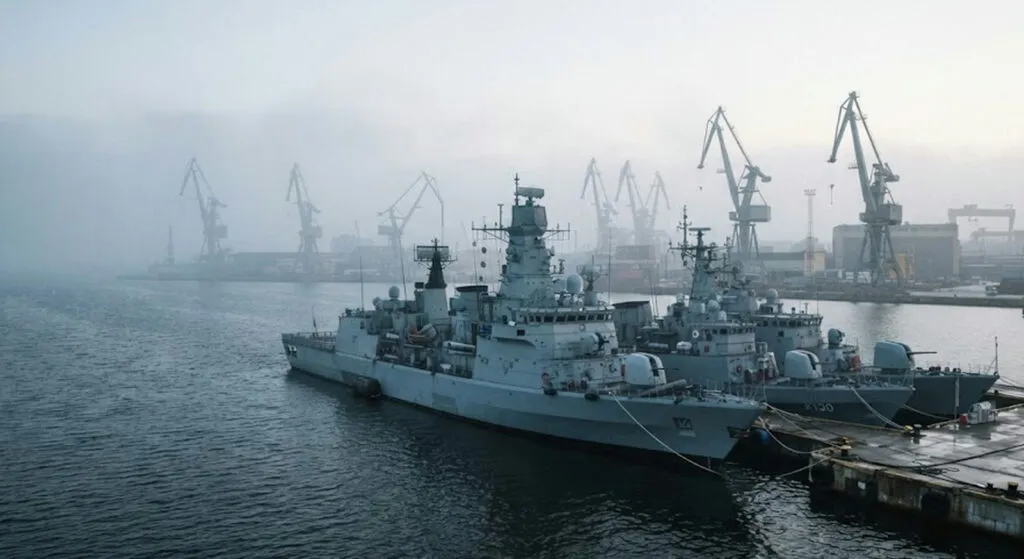
The Russian embassy in London openly raised nuclear weapons as the answer to any attempt to blockade Kaliningrad. The Balkans...
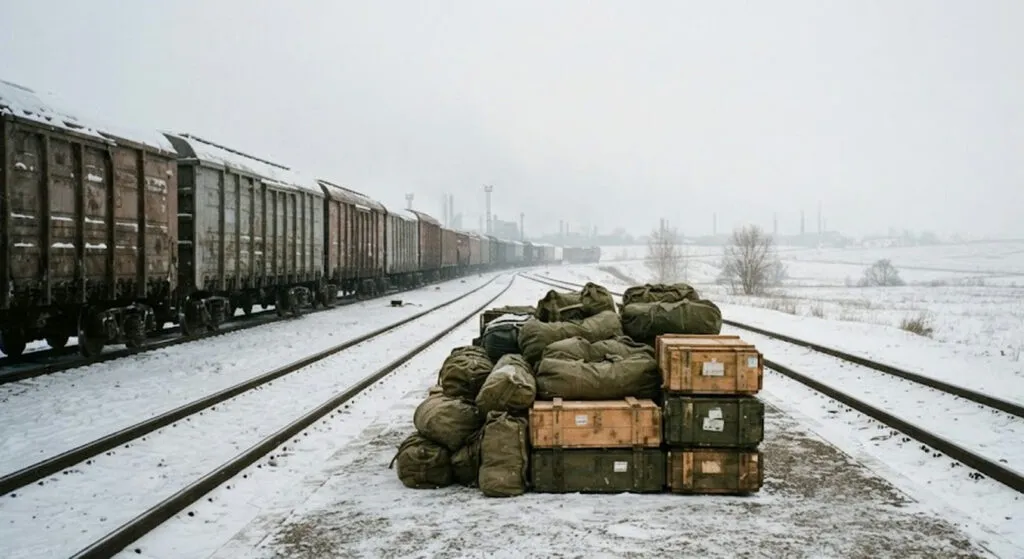
While Kyiv and Seoul argue over two prisoners, Pyongyang is picking thousands more soldiers for training and deployment to Russia....
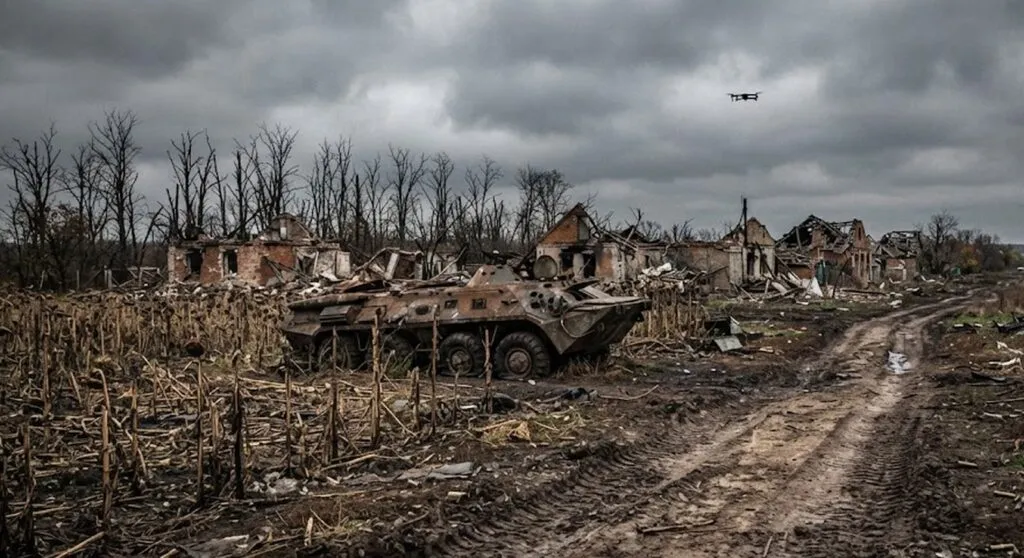
The offensive, fought almost entirely under an information blackout, has liberated three more villages and 51 square kilometres. The general...
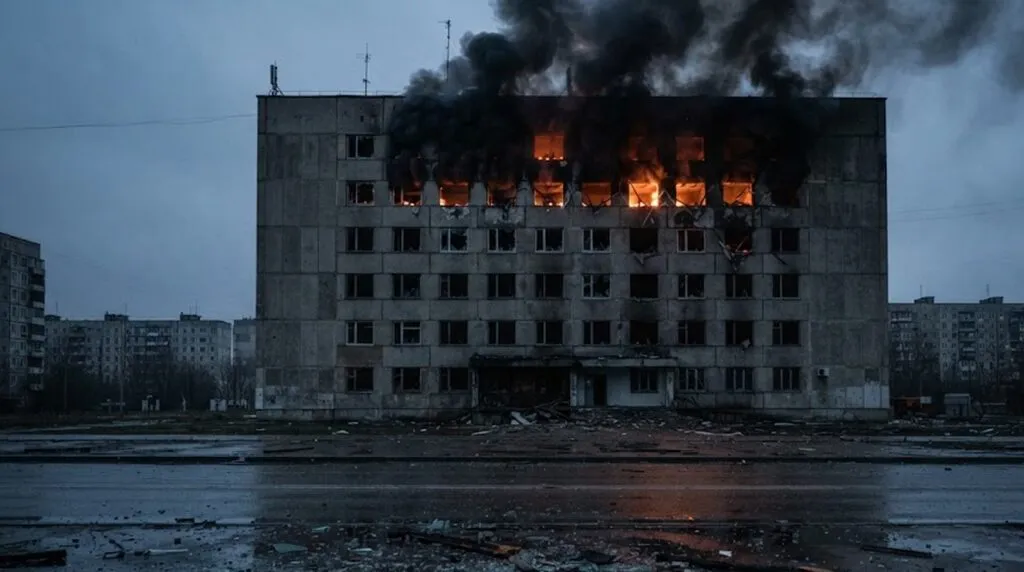
Kyiv spent 18 of 24 hours under air raid sirens, one dead and 19 injured, three of them children. Belgrade...
Russian channels say the target was the logistics corridor to Europe; Ukrainian ones say a new jet-powered Geran was flying....
Washington is still silent, Tehran is expected to applaud, and the Kurdish prime minister calls the withdrawal "shameful". The Balkans...
More than half the drones were jet-powered, and the fastest thing in the sky was an unconfirmed report of a...
This site uses cookies - is that okay? Learn more
Be the first to know when Metla launches something new
Leave your email and we will write when there is a new guide or something new on Metla.