


Jotova to Mickoski: Talks "Without Ultimatums" - but First Skopje Must Forget the Issue Is Bilateral
05.10.2026


05.10.2026

05.10.2026
05.10.2026

05.10.2026

05.10.2026
05.10.2026

05.10.2026

05.10.2026

04.10.2026

05.10.2026

05.10.2026

04.10.2026

05.10.2026

05.10.2026

05.10.2026

05.10.2026
04.10.2026

03.10.2026

05.10.2026

05.10.2026

05.10.2026

05.10.2026

05.10.2026

05.10.2026

09.03.2026

27.02.2026

19.02.2026

05.10.2026

04.10.2026
04.10.2026
05.10.2026
04.10.2026

02.10.2026

23.04.2026

23.04.2026

12.04.2026

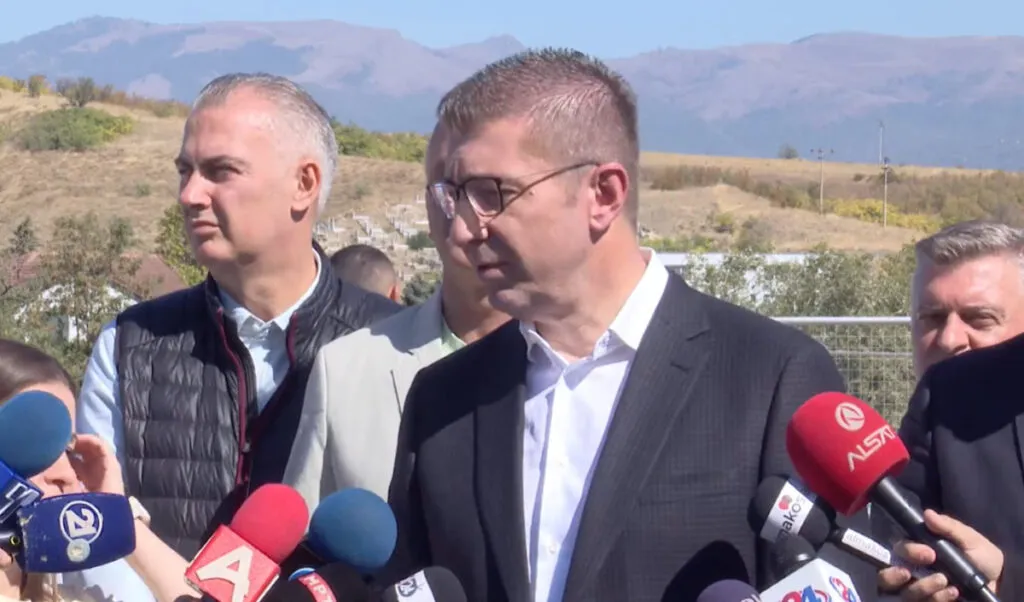
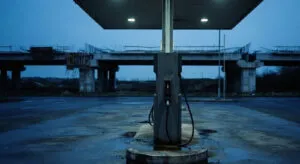
Prime Minister Hristijan Mickoski, while inspecting construction work on the bridge on Ljubljanska Street in Skopje, announced two pieces of news that don't sit well together. The first: according to analysis of the exchanges, he expects diesel and petrol to get cheaper next week, and the government is also negotiating with OKTA for an additional discount. The second: by the end of the month a new, formal budget revision will have to be made, because the money isn't there.
He gave the numbers himself. "On the basis of excise duty alone, estimates are that around five billion denars will be missing. If you add the value added tax rate, especially for diesel fuel, which has been reduced, we arrive at a figure of 7-8 billion denars, which cannot be covered by reallocation," Mickoski said. Seven to eight billion denars is more than 110 million euros.
That is the price of the measures keeping fuel under control - the reduced excise duty and the reduced VAT on diesel. Mickoski says that with the additional discount Macedonia will be "by far the country with the lowest fuel price in the region, and maybe in Europe". At the pump, that sounds great. But fuel that the state makes cheaper through lost revenue doesn't actually become cheaper. It gets paid for out of a different pocket.
That is exactly where the opposition strikes. SDSM says the budget revision is "an admission, not a victory" and that the gap will be covered with new borrowing. "Citizens lose twice: a more expensive life, plus repaying the loan with interest," they say. They also point to the latest decision by the Energy Regulatory Commission on 28 September: diesel fell by 4.5 denars to 100 denars a litre, 95-octane petrol stayed at 100 denars, and 98-octane went up to 102.
In the background is the government's decision to borrow again on international financial markets, justified on the grounds that the money is needed to refinance debt and fund the budget deficit. The opposition is talking about a new loan of 1.3 billion euros.
The prime minister claims the country is energy-stable, that the overhauls at the REK Bitola and Oslomej power plants are nearly finished, and that inflation is "50 per cent lower than the EU average". Maybe. But when a government promises cheaper fuel and admits a hole in the treasury in the same statement, the question isn't whether the pump price drops by a denar or two. The question is who covers the difference - and at what interest rate.
The latest 10 news from this category
District heating prices from 1 August were calculated with gas at around 40 euros per megawatt-hour, and today it costs...
The Finance Ministry is celebrating the confirmed rating. The agency's report, however, also spells out what the highways driving that...

By executive order, artificial intelligence became "superintelligence", and the safety pledge tech companies signed at the White House binds no...
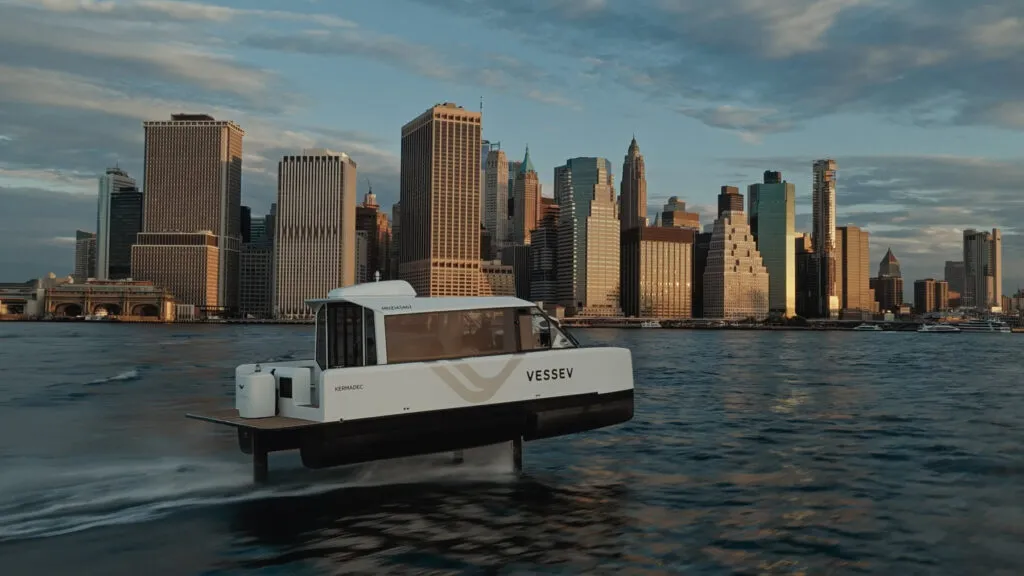
A nine-metre catamaran, a motor the company builds itself and off-the-shelf batteries. Hydrofoils have been around for more than a...
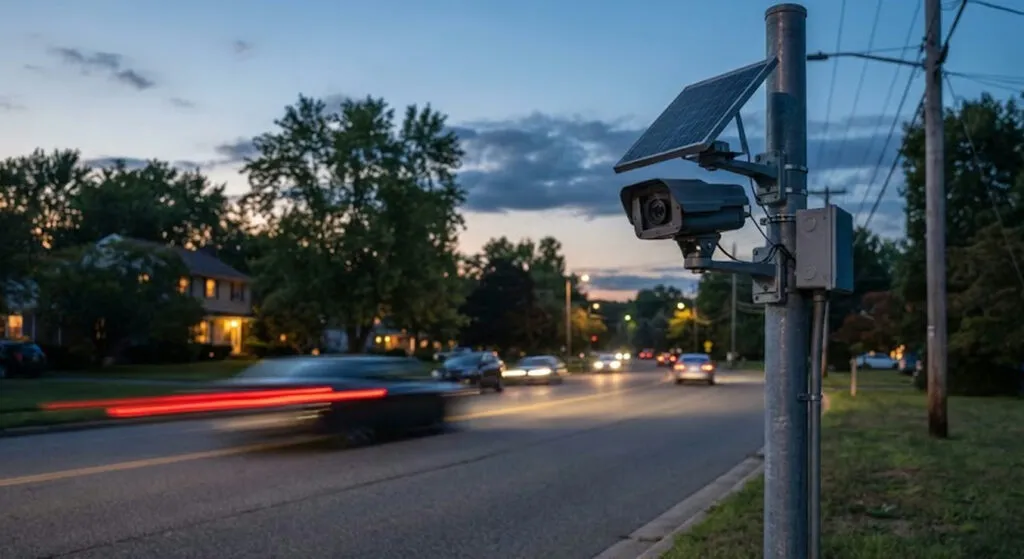
An Oklahoma deputy searched the database only because the car had California plates. The ruling isn't binding precedent, but it's...
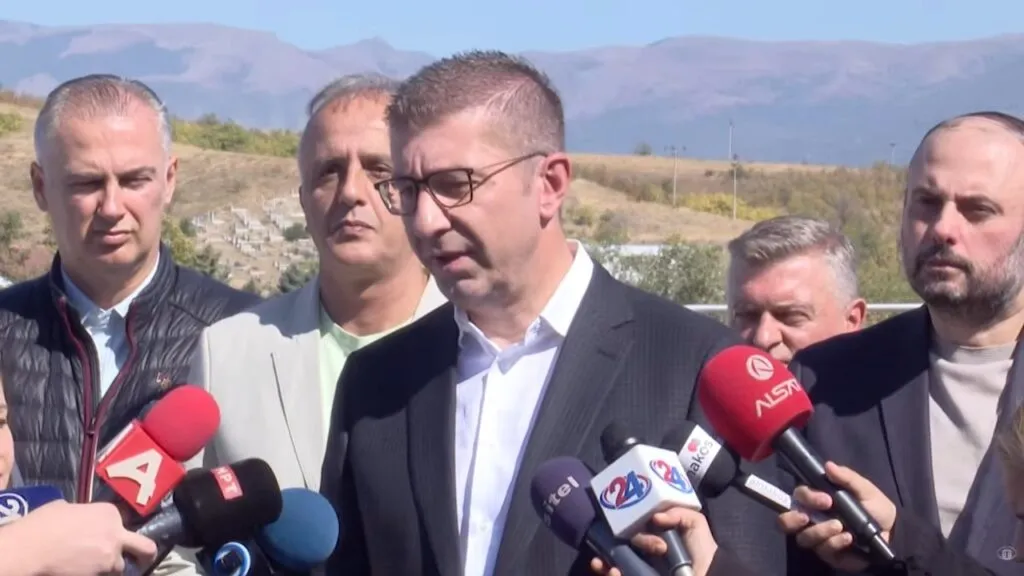
The reduced excise duty and lower VAT on diesel keep prices down, but leave a hole in the budget. At...
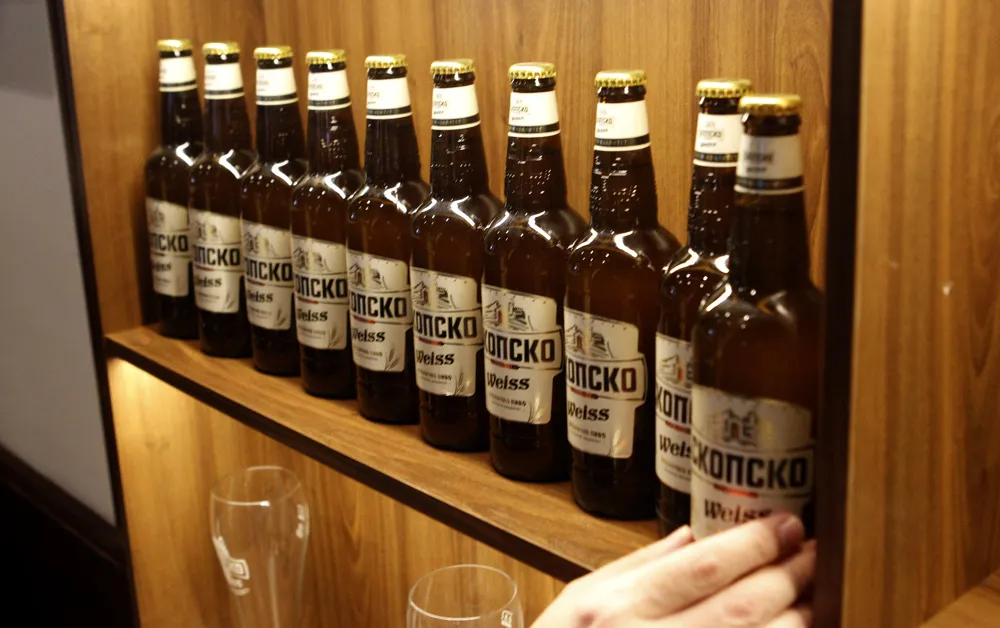
7.1 million litres exported against 3.08 million litres imported. Last year the picture was the reverse: we imported more than...
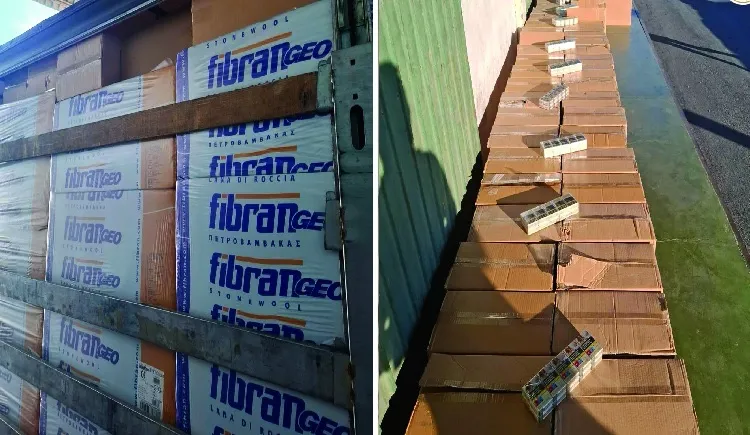
European auditors estimate losses of around 13 billion euros a year. In Macedonia, operation "Filter" uncovered around 70 million cigarettes...
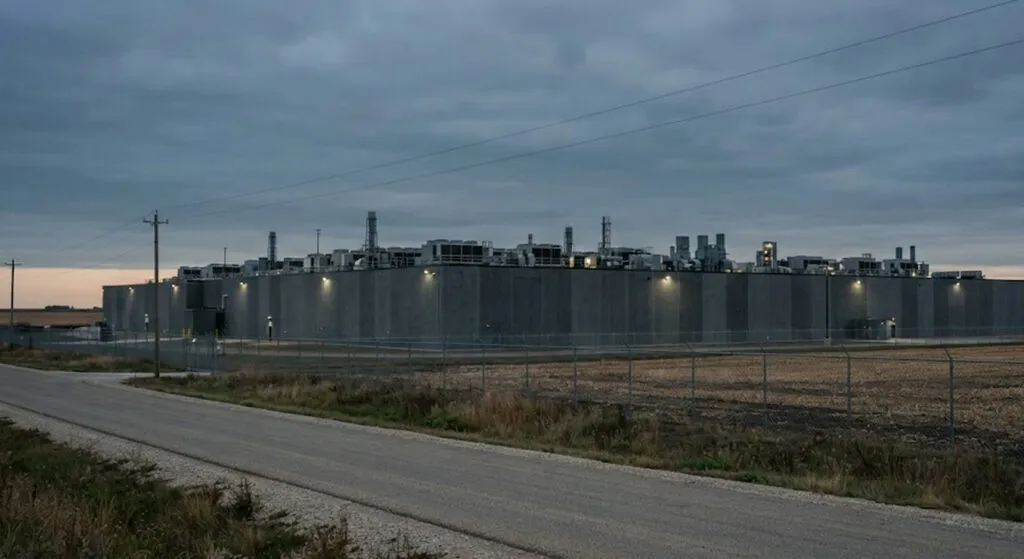
The head of AWS claims data centres don't use much water, don't push up electricity prices and barely pollute. One...

Almost a billion dollars raised, a waiting list of 300,000 people and a check-up insurance doesn't cover. Preventive medicine, or...
This site uses cookies - is that okay? Learn more
Be the first to know when Metla launches something new
Leave your email and we will write when there is a new guide or something new on Metla.