Skopje Breathed Smoke From Two Mountains: 21 Fires in One Day, and Vodno Was Clean
25.08.2026



25.08.2026

24.08.2026

23.08.2026

25.08.2026

25.08.2026

24.08.2026

25.08.2026

25.08.2026

25.08.2026

25.08.2026

24.08.2026

23.08.2026

25.08.2026

25.08.2026

25.08.2026

25.08.2026

25.08.2026

25.08.2026

09.03.2026

27.02.2026

19.02.2026

23.04.2026

23.04.2026

12.04.2026
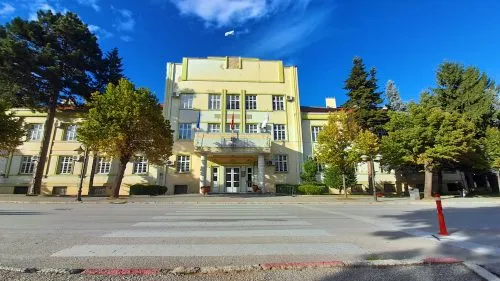
The municipality of Bitola has raised the number of sectors from six to ten, and the number of departments from 19 to 27. The local administration calls this dispersing power and aligning with new legislation. The opposition calls it hiring party cadres, and recalls an old joke - "the deputy's deputy, the director's deputy director".
The decision on the organisation, remit and working methods of the municipal administration was passed by the council majority led by VMRO-DPMNE, on a proposal from mayor Toni Konjanovski. It ends a system in place since 2015.
The maths is what carries the argument. Ten sectors and 27 departments mean the municipality must appoint at least 37 managers. Councillor Mile Trajkovski of the civic initiative "Poinaku" calculates that the current structure had around 20 managerial positions, and the new one pushes that to 38. The opposition claims this will burden the administration with more than 200,000 euros a year.
"Is there really a genuine need for a new administration this large, or are we once again watching party and political rewards handed to the obedient?", Trajkovski asked.
The answer from the other side
Council president Bojan Bojkoski explained that the municipal administration has 143 employees and is the smallest relative to population. He added that under two new laws - on administrative officials and on public sector employees - the reorganisation must be completed by 1 January 2027 at the latest.
"All we are doing is dispersing. The functions held by some sector and department heads are now shared with other employees so power is not concentrated in one person," Bojkoski said.
The argument is not stupid. The municipality points out that bulky sectors mean powers piling up on one person, a load that is hard to carry out well. Still, with 143 employees and 38 managerial posts, almost every fourth employee in Bitola municipality will be somebody's manager.
What is good in the decision
Not everything here deserves criticism. The new structure creates a dedicated IT department for digitalisation and promises electronic services and a digitalised Geographic Information System, letting residents obtain documents and inspect urban plans from a computer. If that actually works, the trudge between counters in Bitola will genuinely shrink.
Another item is the problem. The decision states explicitly that the Internal Audit Sector answers "directly and solely to the mayor". An auditor who answers only to the man whose administration he audits is an auditor with limited courage. If he finds an irregularity involving an associate of the city's top official, the report goes to - the city's top official.
The human resources department, meanwhile, gets the task of running "mobility" procedures for employees. In the law that means rapid staff reorganisation. In the Macedonian public sector the same term has for years served as a way to take on officials from other institutions and bypass regular public job adverts.
The decision has been voted through, but it cannot take effect without approval from the Ministry of Public Administration. Until then the open question stands: is Bitola getting a faster municipality, or just a more expensive one.
The latest 10 news from this category

A decade ago the town had over 10,000 pupils. This year it has 5,569. The first-grade desk is the most...

The operators stopped after years of funding the service out of their own pockets. The mayor says the debt was...

A full year of work - seedlings, planting, picking leaf by leaf - taken by a storm at the most...
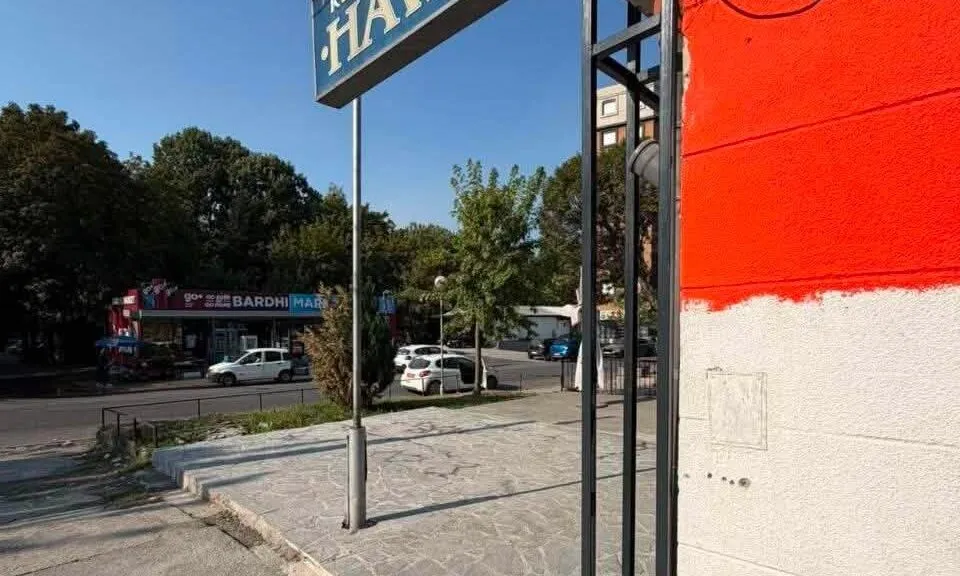
Butel municipality announced demolition and criminal charges on Saturday. By Monday there was nothing left to demolish. Illegal builds go...
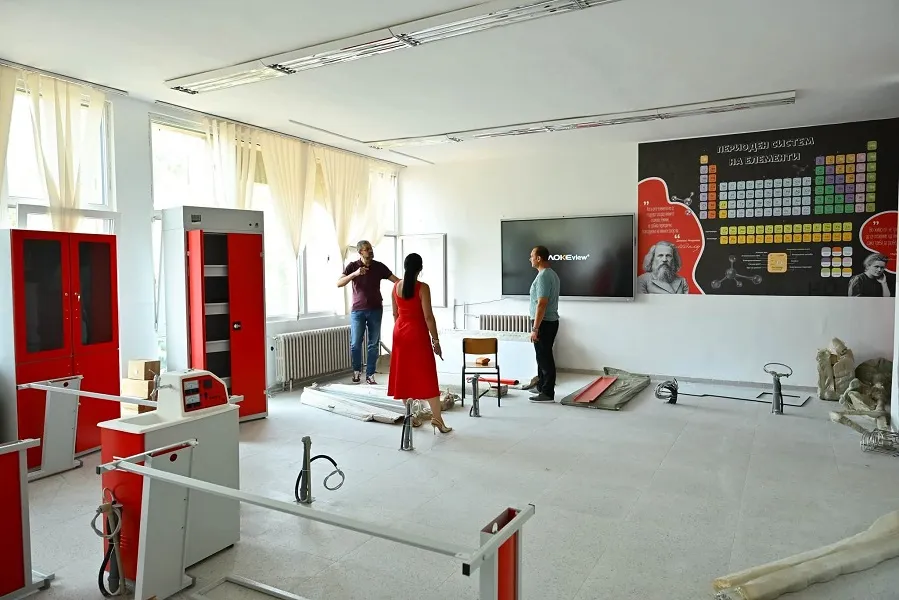
Physics comes off the blackboard and agriculture enters the classroom through microcontrollers and an agro-station. The hard part is not...

Kapishtec, Debar Maalo, Bunjakovec, Kale - and almost every address is defined by the same two words: by the bins.

When institutions stay quiet long enough, citizens start enforcing the law themselves. In Lagadin that looked like a blockade on...

Good news that deserves to be said without reservation. The question is whether the numbers will also come out in...
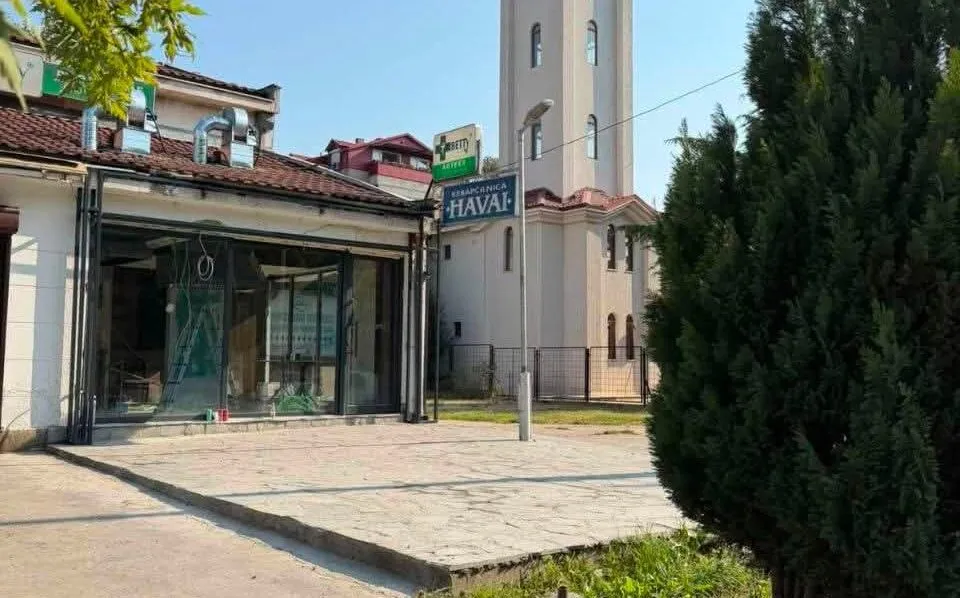
Kostovski announced an excavator for Monday. By Monday there was nothing left to demolish. How many other land grabs are...

A first-class decoration for contributing to Ukraine's defence capabilities. A small country, but not a state whose voice does not...
This site uses cookies - is that okay? Learn more
Be the first to know when Metla launches something new
Leave your email and we will write when there is a new guide or something new on Metla.