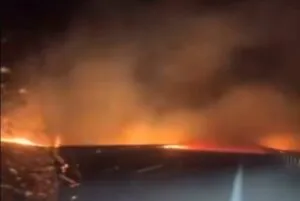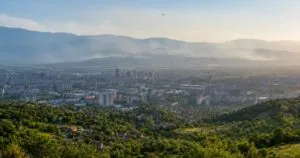
Skopje Breathed Smoke From Two Mountains: 21 Fires in One Day, and Vodno Was Clean
25.08.2026


25.08.2026
24.08.2026

23.08.2026

25.08.2026
25.08.2026

24.08.2026

25.08.2026

25.08.2026

25.08.2026
25.08.2026

24.08.2026
23.08.2026

25.08.2026

25.08.2026
25.08.2026

25.08.2026

25.08.2026

25.08.2026

09.03.2026

27.02.2026

19.02.2026

23.04.2026

23.04.2026

12.04.2026
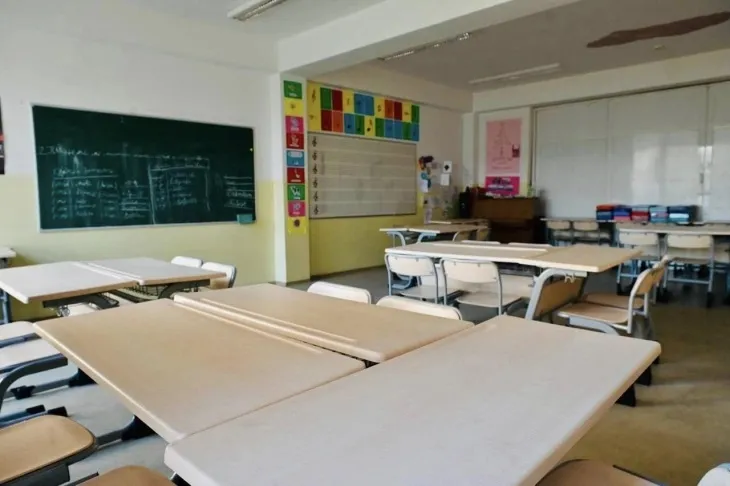
Shtip will take in 336 first-graders this year. Last year there were 27 more. That is almost an entire class that disappeared in a single year - and it is not a rounding error, it is a trend that has been running for years.
According to figures presented at a press conference by Snezhana Saneva, head of the Education and Public Services Sector in the Shtip municipality, 3,548 pupils will start classes in primary schools from grade one to nine on 1 September. In secondary education the figure is 2,021, of whom 508 are in the first year. In total 5,569 pupils will begin the new school year in the town.
For comparison, more than a decade ago Shtip had over 10,000 pupils across primary and secondary education combined. Today it is under 5,600. That is not a decline - that is a halving within the lifespan of a single generation.
The number behind the number
The reason is no mystery and it is not education policy. According to the State Statistical Office's publication on the regions, 936 children were born in the Eastern region in 2024, while 1,974 residents died. Natural growth is minus 1,038. When one year brings a thousand fewer people, fifteen years later you see it in the number of desks in first grade.
The municipality says the gap is smaller this year than in previous years - technically true, but it is the kind of comfort that amounts to "we are falling more slowly". Saneva pointed out that secondary education is shrinking too, but argued that is not an indicator since pupils can enrol in other towns.
No schools are closing in Shtip. But the nine-year school "Goce Delchev" is entering a process of optimisation - from this year it will not take in first-graders and over the next five years it will gradually shut down. Those first-graders will enrol elsewhere. The word is "optimisation", but what is happening is that a school is slowly ceasing to exist.
In neighbouring Delchevo four satellite schools are closing this year, and the optimisation process covers several classes across the region.
This is the part rarely said out loud when emigration comes up. It is not only the workforce leaving - the next generation, the one that will never even be born here, is leaving too. The school desk is the most precise demographic instrument we own, because it does not lie and it cannot be revised. The question for Shtip and for the whole east is not who will teach the lessons, but to whom.
The latest 10 news from this category
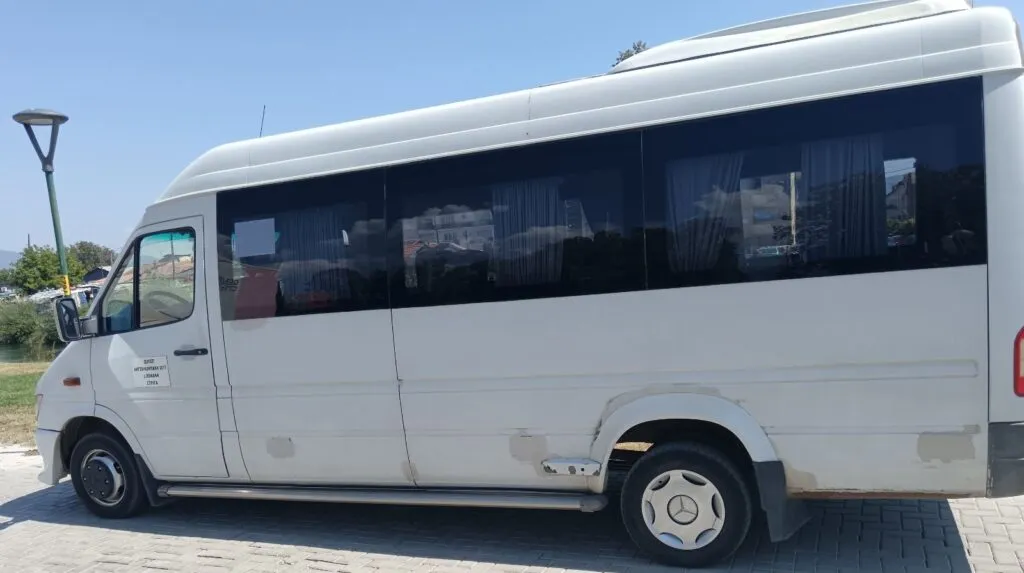
The operators stopped after years of funding the service out of their own pockets. The mayor says the debt was...
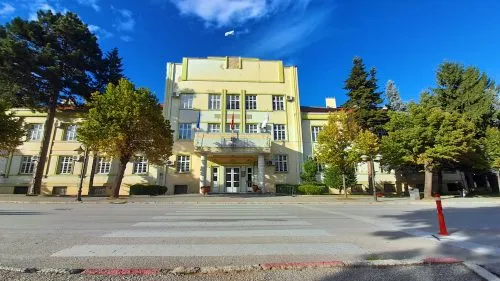
The administration calls it dispersing power, the opposition calls it party hiring worth 200,000 euros. The real problem is the...
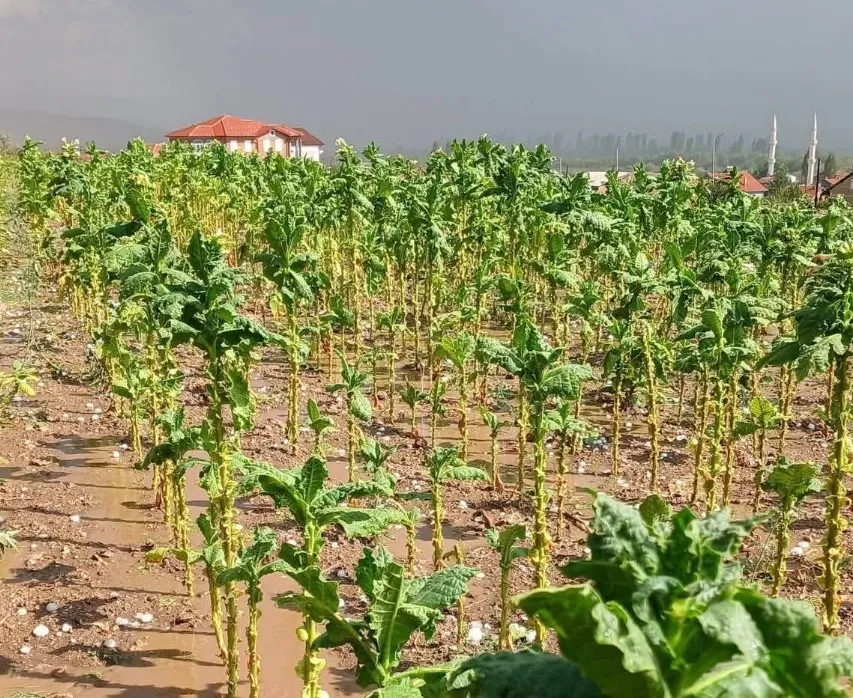
A full year of work - seedlings, planting, picking leaf by leaf - taken by a storm at the most...
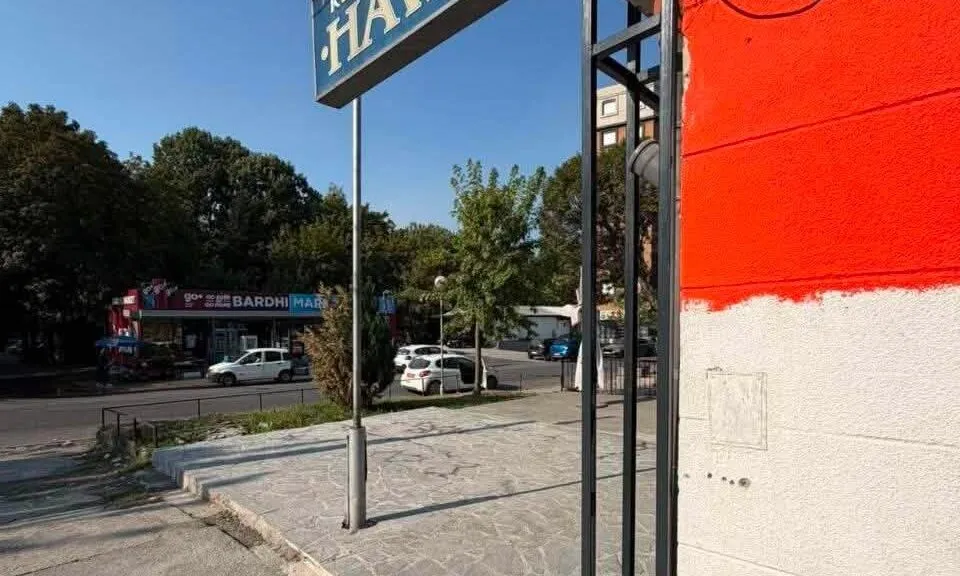
Butel municipality announced demolition and criminal charges on Saturday. By Monday there was nothing left to demolish. Illegal builds go...
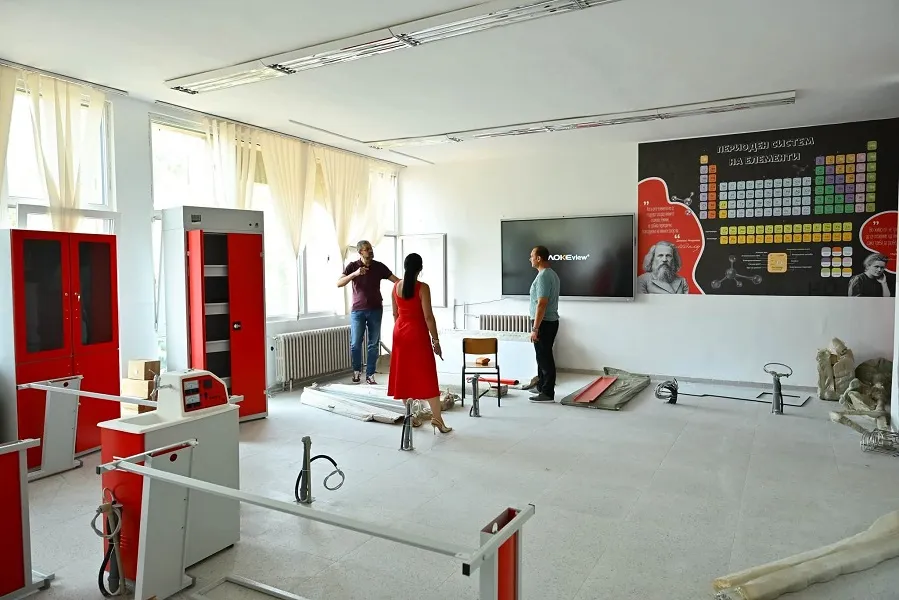
Physics comes off the blackboard and agriculture enters the classroom through microcontrollers and an agro-station. The hard part is not...
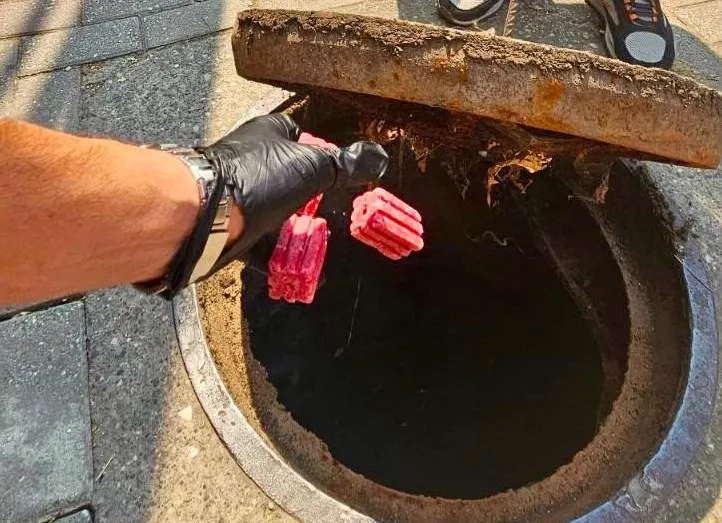
Kapishtec, Debar Maalo, Bunjakovec, Kale - and almost every address is defined by the same two words: by the bins.
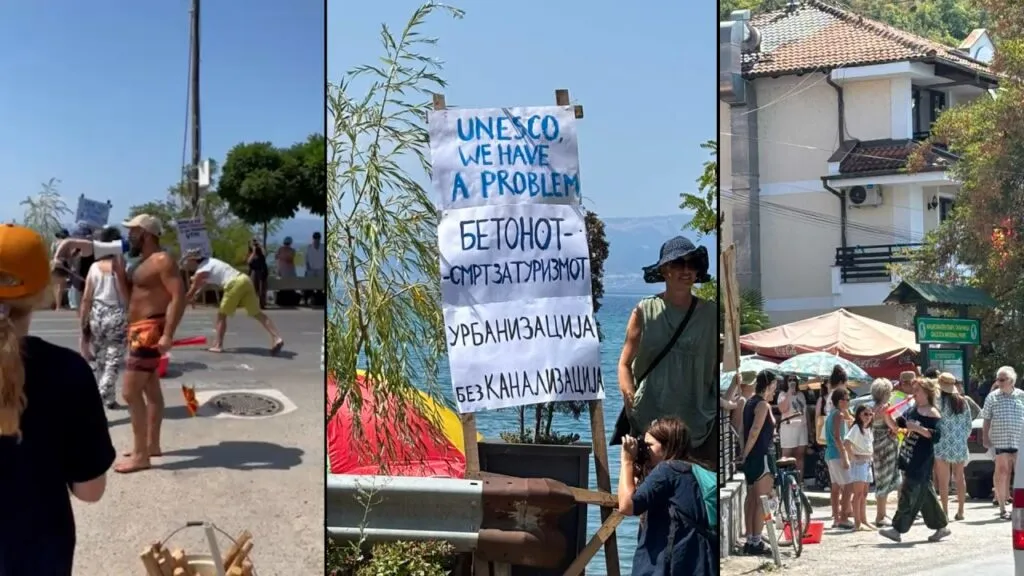
When institutions stay quiet long enough, citizens start enforcing the law themselves. In Lagadin that looked like a blockade on...
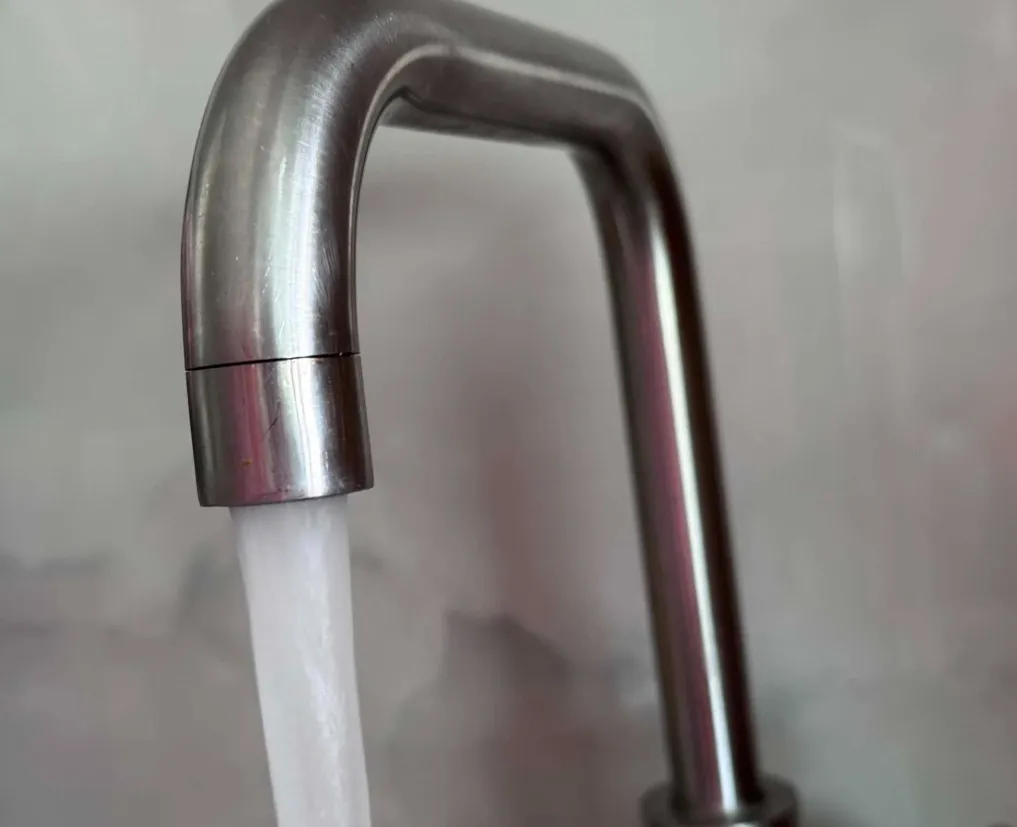
Good news that deserves to be said without reservation. The question is whether the numbers will also come out in...
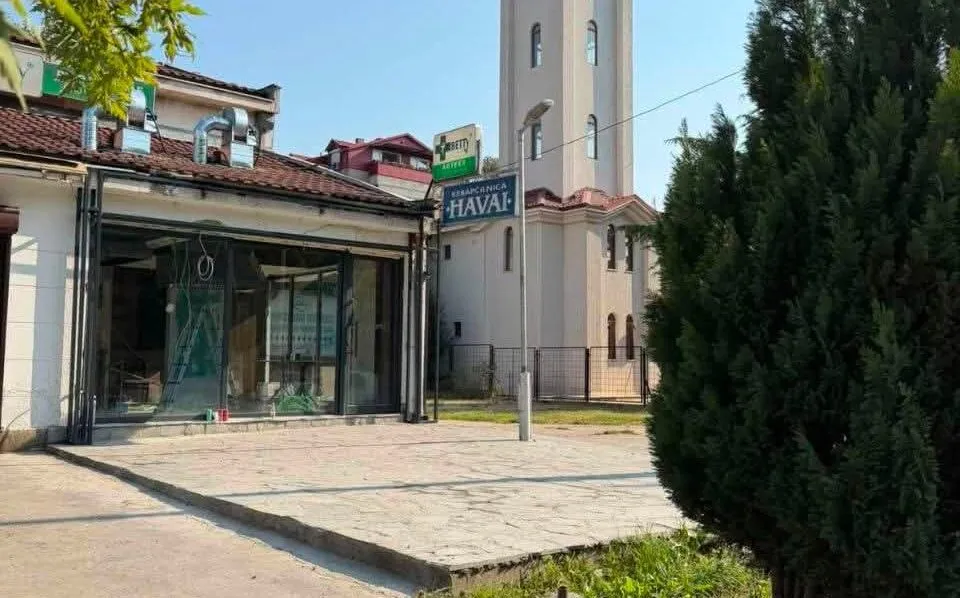
Kostovski announced an excavator for Monday. By Monday there was nothing left to demolish. How many other land grabs are...
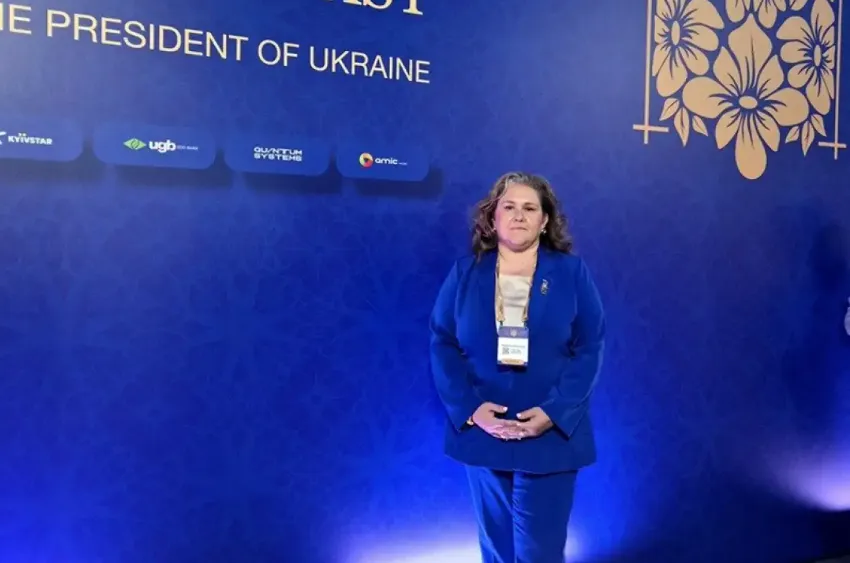
A first-class decoration for contributing to Ukraine's defence capabilities. A small country, but not a state whose voice does not...
This site uses cookies - is that okay? Learn more
Be the first to know when Metla launches something new
Leave your email and we will write when there is a new guide or something new on Metla.