
Two Schoolyard Assaults Reported in a Single Day: the Police Promised Measures, the Education System Said Nothing
19.09.2026


19.09.2026
19.09.2026
19.09.2026

19.09.2026
19.09.2026
19.09.2026
19.09.2026
18.09.2026

17.09.2026

19.09.2026

19.09.2026
18.09.2026

19.09.2026

19.09.2026

19.09.2026
19.09.2026
18.09.2026

17.09.2026
19.09.2026

19.09.2026
19.09.2026
19.09.2026

19.09.2026
18.09.2026

09.03.2026

27.02.2026

19.02.2026
19.09.2026

18.09.2026
17.09.2026

23.04.2026

23.04.2026

12.04.2026

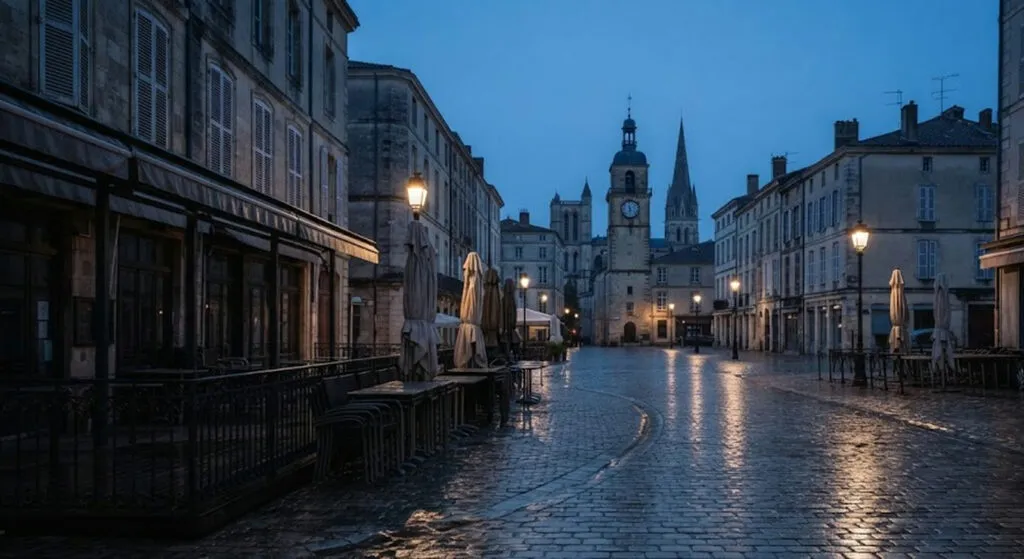
The footage comes from a police camera in the centre of Ljubljana. On it you can hear a few words that are now evidence in court proceedings: "I'm going to die, please, I can't breathe."
The man saying them is called Armin Dzutovic and he was 37. The date is 8 December 2024. The officers had been called because a man was damaging furniture on the terrace of a hospitality venue. That is the trigger - damaged furniture.
According to the indictment, during the arrest officer Jan Dovnik held Dzutovic in a grip around the neck for more than one minute. After he was handcuffed, Dzutovic lay motionless for several minutes. First aid was not given immediately.
Three days later he suffered cardiac arrest from lack of oxygen, with severe brain damage. He died in hospital on 11 December 2024.
Six charged, and four minutes nobody explains
Dovnik is charged with causing death by negligence. Five more officers - Tomaz Podobnik, Tomi Brdnik, Marko Goles, Maja Vojsk and Nika Marcic - are charged with failing to provide timely assistance.
The internal investigation found the restraint technique was applied unsafely and disproportionately, and that first aid came more than four minutes late after the cardiac arrest. The expert witness Miroslav Zaberl put his finding with rare directness: the grip was probably too strong, it lasted too long, and the officer did not notice the man was not breathing.
The case is before the District Court in Ljubljana.
What makes this case different
There is one thing that sets Slovenia apart here, and it is worth naming: the footage was released, charges were filed, the expert opinion is public, and the names of all six officers are written in the documents. The internal investigation did not conclude that everything was done by the book.
That does not give a man his life back and it does not erase any of those four minutes. But the difference between a country where footage like this comes to light and a country where the same footage simply does not exist - that difference is the entire point of institutions.
Which is why the only question worth asking is not about Dovnik. He will answer in court, as he should. The question is how much time passed between 8 December 2024 and the day the public saw the footage, and what a police service does in all those months in between.
The latest 10 news from this category
Eight countries, 120 million people, a motorway to Timisoara and energy connections. And one cancelled visit that says more than...
Four KLA leaders received 81 years in prison, and Albania's parliament immediately adopted a declaration calling the verdict unjust. The...
The court established responsibility for 96 killed, 303 tortured and 385 unlawfully detained. The prosecution asked for 45 years. Serbia...
Thaci and Krasniqi got 25 years each, Veseli 18, Selimi 13. The court established 385 unlawfully detained, 303 tortured and...
"If it is acceptable to the participants" - that is the entire offer. What gets negotiated is the format, not...
Thousands walked from the Rectorate to the electoral commission, and the signatures had to be queued for all weekend because...
Thousands of people under a digital clock and a banner asking for them to be found innocent. On Wednesday The...
The ruling list sailed through without a single problem, the student list was left waiting in line. Nobody banned anything...
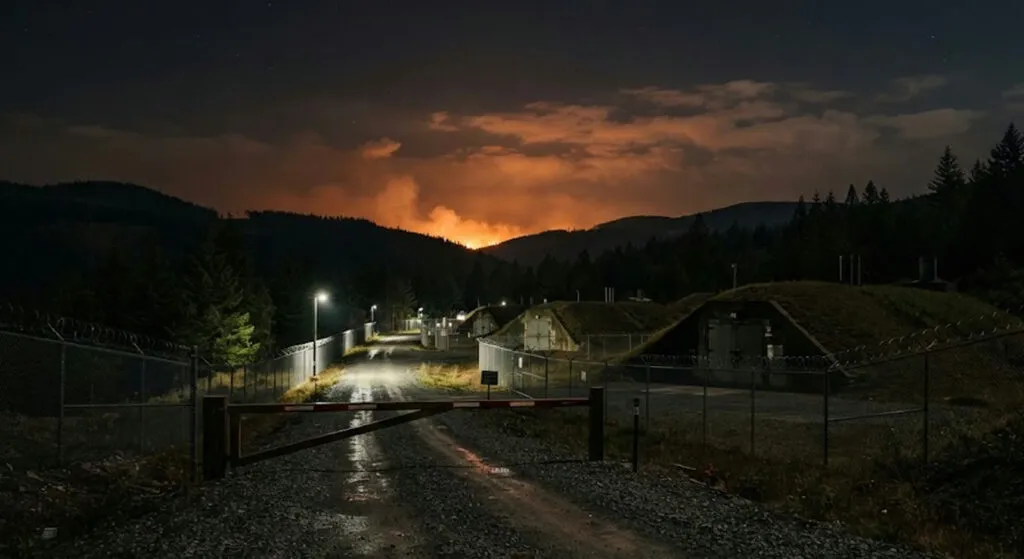
The same firm that supplied ammunition to Ukraine for years is burning for the second time in a month. Seven...
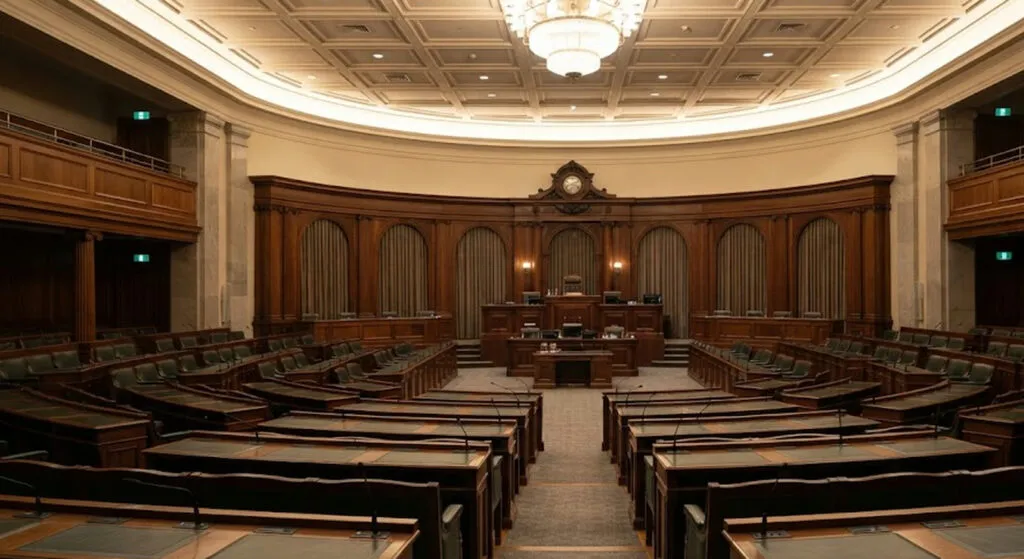
A third attempt in three years, but this time the signatures came from the government benches too. Six MPs from...
This site uses cookies - is that okay? Learn more
Be the first to know when Metla launches something new
Leave your email and we will write when there is a new guide or something new on Metla.
