
New Investigation Into the Owner of "Pulse": Prosecutors Say He Bought the Licence With a Bribe
02.10.2026


02.10.2026

02.10.2026
02.10.2026
02.10.2026
02.10.2026
02.10.2026

02.10.2026

01.10.2026

30.09.2026

02.10.2026

02.10.2026

01.10.2026

02.10.2026

02.10.2026

02.10.2026

02.10.2026

01.10.2026
30.09.2026

02.10.2026

02.10.2026

02.10.2026

02.10.2026
01.10.2026
01.10.2026

09.03.2026

27.02.2026

19.02.2026
02.10.2026

01.10.2026

01.10.2026

23.04.2026

23.04.2026

12.04.2026


Marius Borg is 29, has a four-year prison sentence for some thirty criminal offences and an electronic ankle tag. Now he also has a new goal: a job. According to the Norwegian magazine Se og Hør, his defence said Queen Mette-Marit's son is "motivated to start working" and is focused on "getting a concrete job offer".
A reminder of what this is about. Marius was convicted at the start of the summer, among other things for two rapes and for drug dealing. He has been under supervision since February and has appealed part of the verdict. While the appeal is pending, he isn't sitting in a cell but in the royal residence of Skaugum - under house arrest, with a tag on his ankle. His defence has already said it won't oppose extending that arrangement for another four weeks.
The public saw him again on 9 September at the funeral of King Harald V in Oslo: wearing the tag, visibly changed and sober. That appearance was immediately read as the start of his "rehabilitation" away from the court's spotlight. But in this story, the order matters. The sentence is for crimes he committed. The "fresh start", for now, is only his wish.
New king, old problem
The timing couldn't be worse for the crown. Norway has a new king, Haakon, following the death of Harald V. Queen Mette-Marit is absent from official duties while she recovers from a lung transplant, and Princess Ingrid Alexandra is carrying the protocol load alongside her father. The monarchy wants to show a calm handover between generations - and once again the king's stepson is grabbing the headlines.
Two questions remain. Who is going to offer him that "concrete job" - and will the offer be the same as for any other convict, or the one you make to a family member who lives in a palace? The Balkans know the scene well: the son of someone powerful asking for a second chance. How often, though, does that second chance come after a four-year sentence, rather than instead of one?
The latest 10 news from this category

The US exports between 1.2 and 1.5 million barrels of diesel a day, and Washington is thinking of turning off...
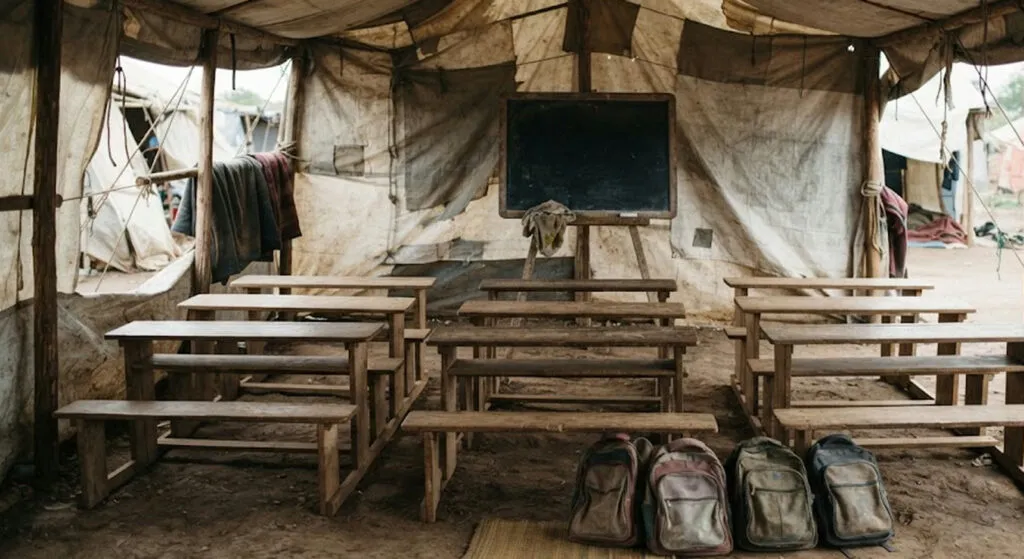
Almost half of the world's refugee children were left without a classroom last year, and major donors - Germany among...
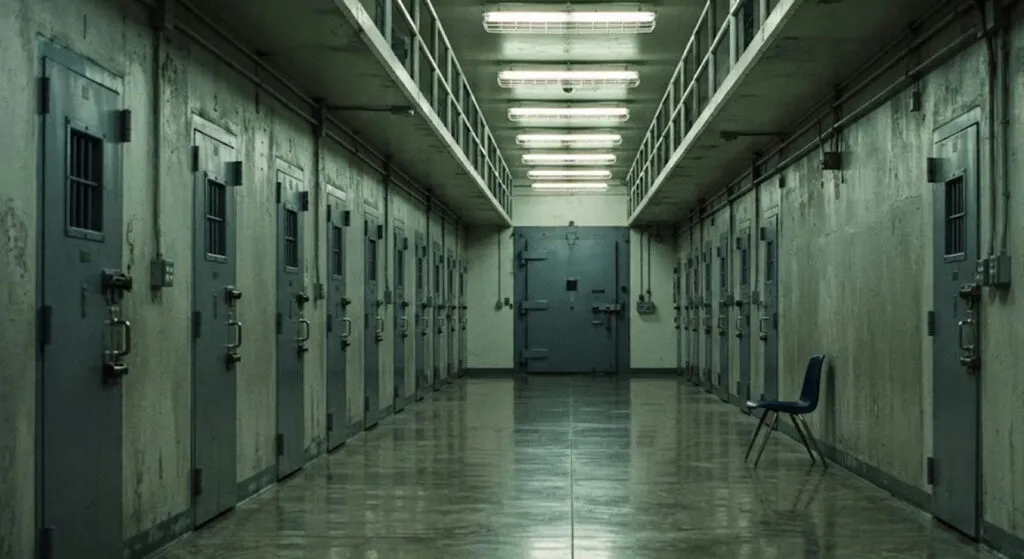
Two doses, a heart that didn't stop beating and a curtain drawn twice. From Macedonia, where there has been no...

A flight from Dubai with 174 people on board, a knife in the cockpit and a plane suddenly losing altitude....
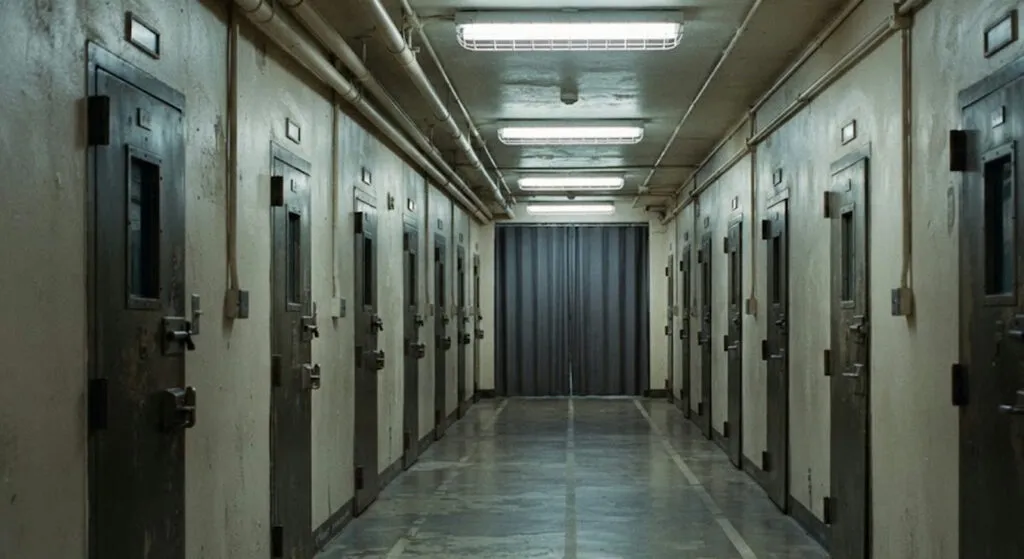
The state that was preparing to execute a woman for the first time in more than 200 years took the...
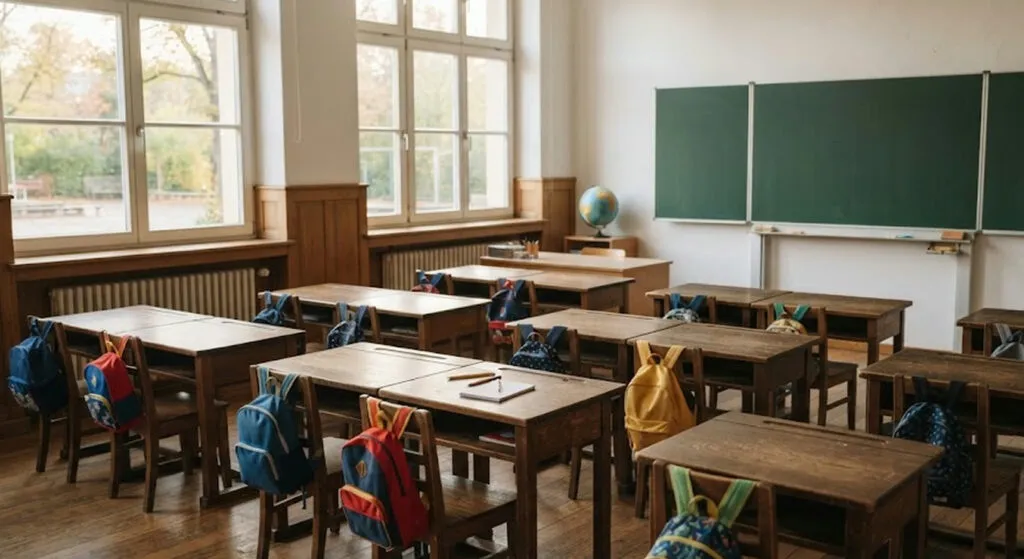
A pupil's face must be visible - from today that is the rule in every Italian school. From 2027 comes...
Russian dissidents as bargaining chips, and on the other side oil, minerals and maybe a Nobel Prize. It sounds like...
Born at 26 weeks, with brain damage, epilepsy and cerebral palsy - and no progress at all. The Netherlands faced...

A birthday tribute to the late Berlusconi, turned into a warning that the world is closer to a new major...
Prosecutors say he threw someone else's phone into the Danube, and he himself asked to lose his protection. How many...
This site uses cookies - is that okay? Learn more
Be the first to know when Metla launches something new
Leave your email and we will write when there is a new guide or something new on Metla.