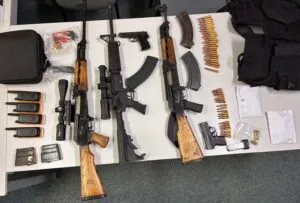
A sniper rifle, automatic weapons and an ISIS flag from 12 locations in Skopje: intelligence agency talks of radical imams and recruiting young people
30.09.2026


30.09.2026
30.09.2026
30.09.2026
30.09.2026
30.09.2026

30.09.2026

30.09.2026
29.09.2026
28.09.2026

30.09.2026
30.09.2026

29.09.2026

30.09.2026

30.09.2026

30.09.2026

30.09.2026
29.09.2026
28.09.2026
30.09.2026

30.09.2026

30.09.2026

09.03.2026

27.02.2026

19.02.2026
30.09.2026
29.09.2026
28.09.2026

23.04.2026

23.04.2026

12.04.2026

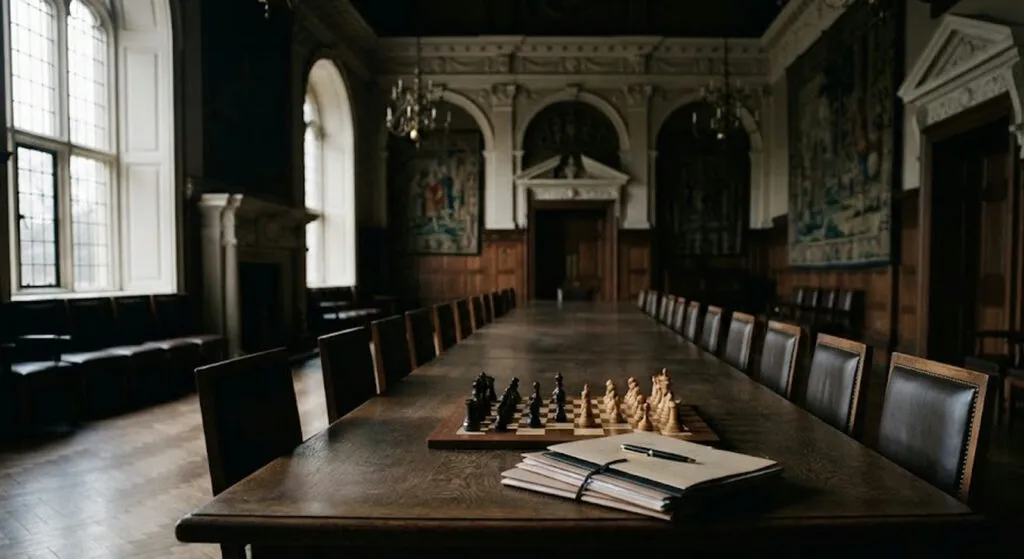
Donald Trump's envoy for Eastern Europe, John Coale, has pitched the US president a recipe straight out of the Cold War: the Kremlin frees some of its political prisoners, and in return Washington eases economic sanctions on Russia. According to reports in the American press, Trump has given the initiative the green light.
The package isn't purely humanitarian. It opens the door to lucrative deals in Russian oil, minerals and raw materials, and it scores Trump points in his hunt for the Nobel Peace Prize. A humanitarian gesture with a business plan tucked in the drawer.
Coale has already tested the same formula in Belarus. In negotiations with Alexander Lukashenko, he secured the release of hundreds of prisoners in exchange for eased sanctions and a deal to buy potash fertiliser. Last week Trump announced that Washington is negotiating huge imports of Belarusian potash, and Coale confirmed that Russia is also involved in the talks, since the goods have to cross its territory. "All of it leads to peace. The more interaction and exchanges - whether economic or prisoner swaps - the closer we are to peace," he said.
In Kyiv it sounds very different. Volodymyr Zelensky says he will try to block any lifting of sanctions before the war ends, though he admits it's extremely difficult, since Russia's economy is roughly ten times the size of Ukraine's. At the UN General Assembly he repeated his message: "When someone gives Russia more money through trade, they give this war more time. Limit his money, and you limit his war."
American negotiators are still pushing so-called "prosperity deals." Trump's son-in-law Jared Kushner and billionaire Steve Witkoff visited Moscow and Kyiv this month with the message that post-war foreign investment is the best guarantee of peace. Ukrainian negotiators say the Americans naively believe in the magic of business, and see easing sanctions as nothing more than fresh cash for the Russian army.
The visit itself showed how risky it is to take the Kremlin at its word. Putin claimed he had ordered a three-day pause in attacks on Kyiv so the American envoys could travel safely. That same morning, a Russian drone hit the runway at Boryspil airport near Kyiv - exactly where they were supposed to land. The Americans arrived by overnight train from Poland, in a luxury carriage bearing the words "Peace arrives on time."
Ironically, the push for the plan didn't come from Washington but from Russian dissident and Nobel laureate Dmitry Muratov, long-time editor of the shuttered Novaya Gazeta. He handed Coale lists and photos of anti-war activists, journalists and artists serving multi-year sentences in Russia simply for social media comments. The White House has since nominated Coale as the special presidential envoy for hostage affairs.
And there lies the trap. For Putin, releasing political prisoners is the cheapest possible way to show "goodwill" and get sanctions lifted while the military pressure on Ukraine continues. Sviatlana Tsikhanouskaya, the Belarusian opposition leader whose husband Coale got out of prison last year, warns of a vicious circle: "Trading in people costs them nothing. They can always arrest new people, and by lifting sanctions the West loses all its leverage."
Muratov still lives in Moscow, under constant pressure from Russia's tax authorities and courts, aware that he too could end up behind bars - as a new bargaining chip. Even so, he says the risk is worth it if the plan gets innocent people out of prison. The question that remains is crude but unavoidable: if people become currency, what's to stop the Kremlin from "printing" more tomorrow?
The latest 10 news from this category
Born at 26 weeks, with brain damage, epilepsy and cerebral palsy - and no progress at all. The Netherlands faced...
A birthday tribute to the late Berlusconi, turned into a warning that the world is closer to a new major...
Prosecutors say he threw someone else's phone into the Danube, and he himself asked to lose his protection. How many...
The world's youngest king died at 34 and left an heir on paper. The clan decided otherwise, so a kingdom...
Seoul says there was an agreement to stay quiet; Kyiv says there wasn't. Caught between them are two captured soldiers...
The Nobel laureate can't get home, and her supporters are driving in convoys demanding an election date. Maduro is gone...
Two of the three incendiary devices ignited, and German services investigating sabotage across Europe are also checking leads to Poland...
One sentence from the White House was enough for the EU energy commissioner to warn of a "very, very bad"...
Girls of around ten stole on the metro and at Disneyland, and if they brought back too little, they were...
The American host claims Ukrainians are "hostages" of their president and that the war only goes on thanks to US...
This site uses cookies - is that okay? Learn more
Be the first to know when Metla launches something new
Leave your email and we will write when there is a new guide or something new on Metla.