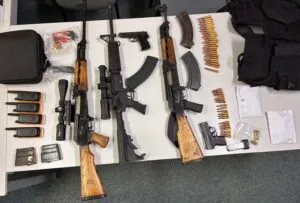
A sniper rifle, automatic weapons and an ISIS flag from 12 locations in Skopje: intelligence agency talks of radical imams and recruiting young people
30.09.2026


30.09.2026
30.09.2026
30.09.2026
30.09.2026
30.09.2026
30.09.2026

30.09.2026
29.09.2026

28.09.2026

30.09.2026

30.09.2026

29.09.2026

30.09.2026

30.09.2026

30.09.2026

30.09.2026

29.09.2026

28.09.2026
30.09.2026

30.09.2026

30.09.2026

09.03.2026

27.02.2026

19.02.2026
30.09.2026
29.09.2026
28.09.2026

23.04.2026

23.04.2026

12.04.2026

Silvio Berlusconi died in 2023. On September 29 he would have turned 90. Dmitry Medvedev, deputy chairman of Russia's Security Council, used the date not for remembrance but for a threat: the danger of the world being dragged into a new major war is today greater than at any time since the end of the Second World War in 1945.
"With his passing, the era of strong European politicians came to an end. They have been replaced by short-sighted, spiteful Russophobes who are doing everything they can to drag Europe into a war with Russia. And the chances of the world sliding into a new conflict are now the highest since 1945," Medvedev wrote.
Of the former Italian prime minister he wrote that he "was probably no saint," but that he wanted the best for Italy and, in Medvedev's view, understood Russia's place in the world. Translation: a good European leader is one who understands Moscow. Across several terms as head of the Italian government, Berlusconi kept close personal ties with Vladimir Putin, ties that continued after he left office. During the war in Ukraine he repeatedly voiced positions that broke with the European Union's line on Moscow.
Medvedev sets exactly that period against today's European policy, which he accuses of growing militarisation and edging towards direct conflict with Russia. It's not the first time. He has previously asked whether the US would automatically join a possible European war with Russia, and claimed that European countries on their own lack the strength for such a conflict. He has also warned several times that escalation could reach a point where nuclear weapons stop being merely a deterrent. At the same time, official Moscow insists it has no plans to attack NATO and doesn't want war with Europe.
What is worrying Moscow? Bigger European defence budgets, NATO reinforcements on the eastern flank, talk of European nuclear deterrence and Western arms deliveries to Ukraine. In recent months France has openly discussed a bigger role for its nuclear arsenal in European security, while Poland and the other eastern-flank states are rapidly building up military capacity and asking for a stronger American presence. The war in Ukraine has lasted more than four and a half years, and Moscow and the West blame each other for every new rung on the escalation ladder.
Here's the part Medvedev leaves out. Each side sees the other's arming as proof of aggression, and its own as a response. The Balkans know this logic by heart: when everyone is arming "purely for defence," the spiral ends up with no author, and the consequences fall on those nobody asked.
Who will stop first? For now, the answer isn't coming from Moscow or from the European capitals. All that comes are new warnings - even in the form of a birthday tribute to a man who died three years ago.
The latest 10 news from this category
Russian dissidents as bargaining chips, and on the other side oil, minerals and maybe a Nobel Prize. It sounds like...

Born at 26 weeks, with brain damage, epilepsy and cerebral palsy - and no progress at all. The Netherlands faced...
Prosecutors say he threw someone else's phone into the Danube, and he himself asked to lose his protection. How many...
The world's youngest king died at 34 and left an heir on paper. The clan decided otherwise, so a kingdom...
Seoul says there was an agreement to stay quiet; Kyiv says there wasn't. Caught between them are two captured soldiers...
The Nobel laureate can't get home, and her supporters are driving in convoys demanding an election date. Maduro is gone...
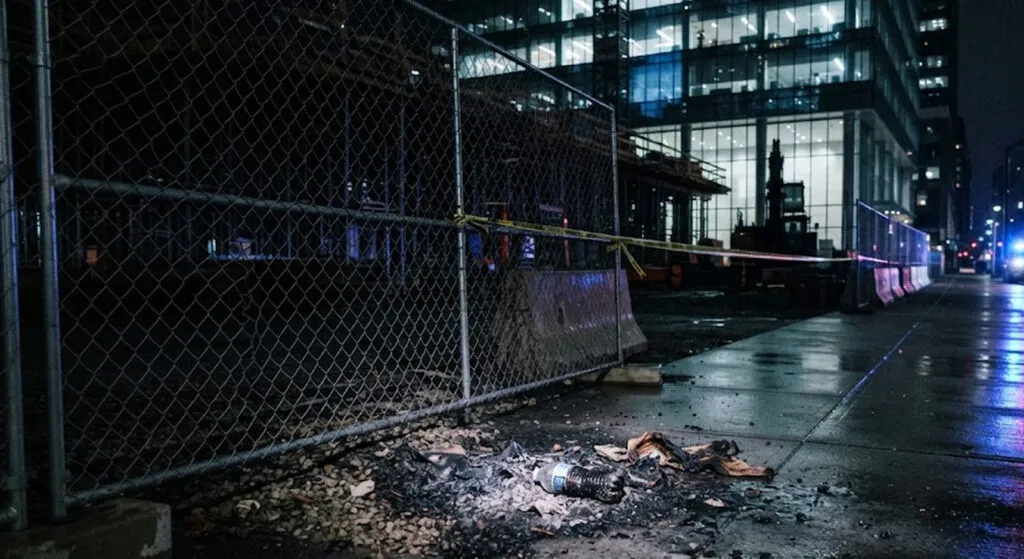
Two of the three incendiary devices ignited, and German services investigating sabotage across Europe are also checking leads to Poland...
One sentence from the White House was enough for the EU energy commissioner to warn of a "very, very bad"...
Girls of around ten stole on the metro and at Disneyland, and if they brought back too little, they were...
The American host claims Ukrainians are "hostages" of their president and that the war only goes on thanks to US...
This site uses cookies - is that okay? Learn more
Be the first to know when Metla launches something new
Leave your email and we will write when there is a new guide or something new on Metla.