

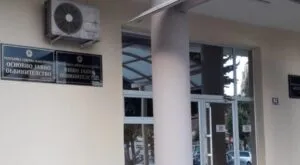
Senior prosecutor's office in Bitola searched: unofficially, the trail leads to Markovski's passport
07.10.2026


07.10.2026
07.10.2026

07.10.2026
07.10.2026
07.10.2026

07.10.2026

07.10.2026

06.10.2026

06.10.2026

07.10.2026

07.10.2026

06.10.2026

07.10.2026

07.10.2026

07.10.2026

07.10.2026

06.10.2026

05.10.2026

07.10.2026

07.10.2026

07.10.2026

07.10.2026

07.10.2026

06.10.2026

09.03.2026

27.02.2026

19.02.2026

07.10.2026

06.10.2026

05.10.2026
06.10.2026

05.10.2026
04.10.2026

23.04.2026

23.04.2026

12.04.2026

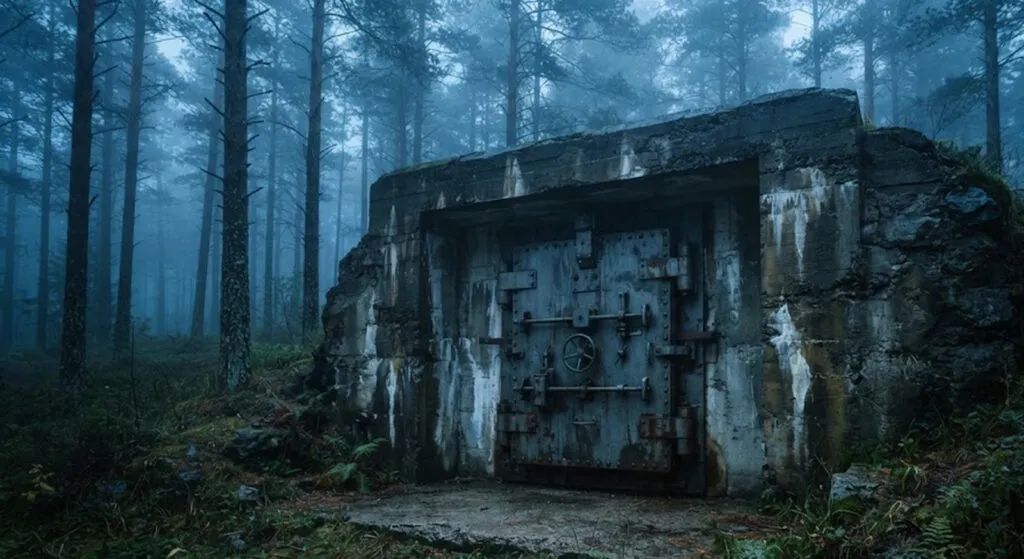
On 6 October, Lithuania's Seimas voted for something nobody in Vilnius would have said out loud just a few years ago. With 106 votes in favour, 18 against and six abstentions, MPs passed the first of two mandatory votes on a constitutional amendment that removes the ban on deploying weapons of mass destruction on Lithuanian soil - including nuclear weapons.
The ban is more than three decades old. Lithuania wrote it into its constitution after restoring independence from the Soviet Union. Today it is a member of both NATO and the European Union, sitting on one of the most sensitive points of the Alliance's eastern flank: to the west and south it borders Russia's Kaliningrad region, and to the east and south Belarus, a close ally of Moscow.
The bombs aren't arriving tomorrow, though. Lithuania hasn't yet decided to host nuclear weapons. A final change to the constitution requires one more vote, and both need the support of at least two-thirds of all MPs - 94 out of 141. At least three months must pass between the two votes. So for now, this is about an open door, not deployed missiles.
Moscow didn't wait three months. Kremlin spokesman Dmitry Peskov reacted almost immediately: "If the military infrastructure of a country that is, practically, a leading NATO member is moving closer to our borders, that can of course only be perceived as a step towards escalating tensions." According to him, neither a possible American base nor nuclear weapons in Lithuania would bring stability to Europe, but rather "a new significant escalation". Peskov linked the Lithuanian move to Donald Trump's idea of a US military base in Lithuania.
Then the rhetoric went where Russian rhetoric usually goes. Peskov warned that a Lithuania with nuclear weapons could become a target for Russian nuclear weapons. Alexei Zhuravlyov, first deputy chairman of the State Duma's Defence Committee, called for strikes with "Oreshnik" missiles or long-range drones on sites in Lithuania if nuclear weapons were deployed there. Dmitry Medvedev went furthest: in the event of a military conflict, he said, Lithuania could "disappear from the map of the world".
Why does Lithuania in particular get under Moscow's skin so much? Look at the map. Kaliningrad has no land link to the rest of Russia and is wedged between two NATO members, Lithuania and Poland. Lithuanian territory also borders the Suwałki corridor - a narrow strip between Poland and Lithuania that connects the Baltic states with the rest of NATO and separates Kaliningrad from Belarus. The American presence isn't new: since 2019 a US armoured battalion of around 1,000 troops has been rotating through the country.
The change comes as European countries are rapidly increasing defence spending because of the war in Ukraine. The Balkans know the scene well: a small country standing between great powers while others draw the lines on the map. Vilnius has every right to fear its neighbour - history gives it more than enough reasons. But wasn't the nuclear ban from the 1990s better protection than a nuclear target in its own backyard? And who will answer for it if that answer turns out to be wrong?
The latest 10 news from this category
Two merchant ships hit, one on the seabed, and rescuers find only capsized life rafts. According to available information, this...
Two dead, nine injured, airports restricted and a fire at "Volodarskaya", where fuel flows straight to Vnukovo, Domodedovo and Sheremetyevo....

The 2022 truce is dead, Taiz is surrounded, and Saudi Arabia is directly back in the war. When the news...
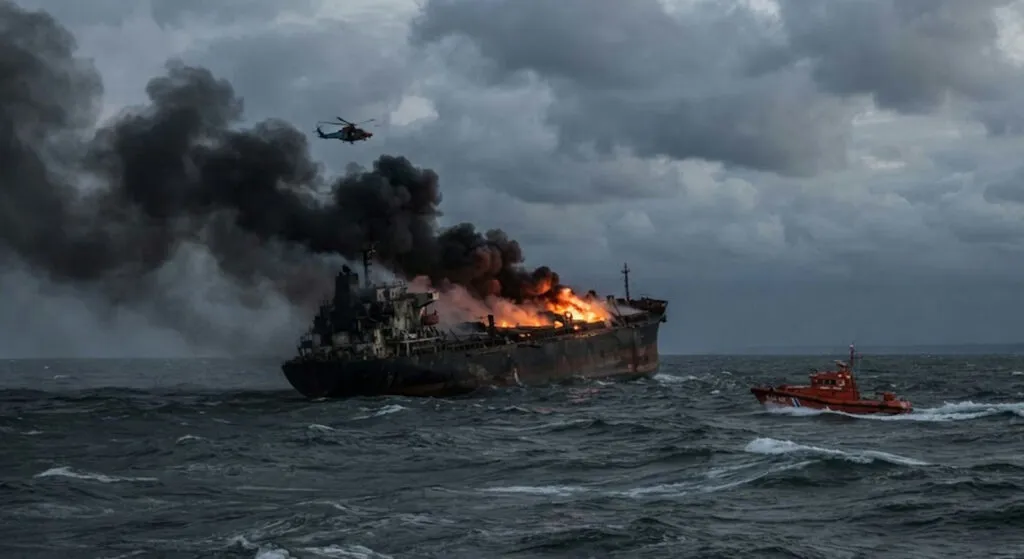
The ship left a Ukrainian port bound for Ravenna and ended up on the seabed 37 kilometres off the Romanian...
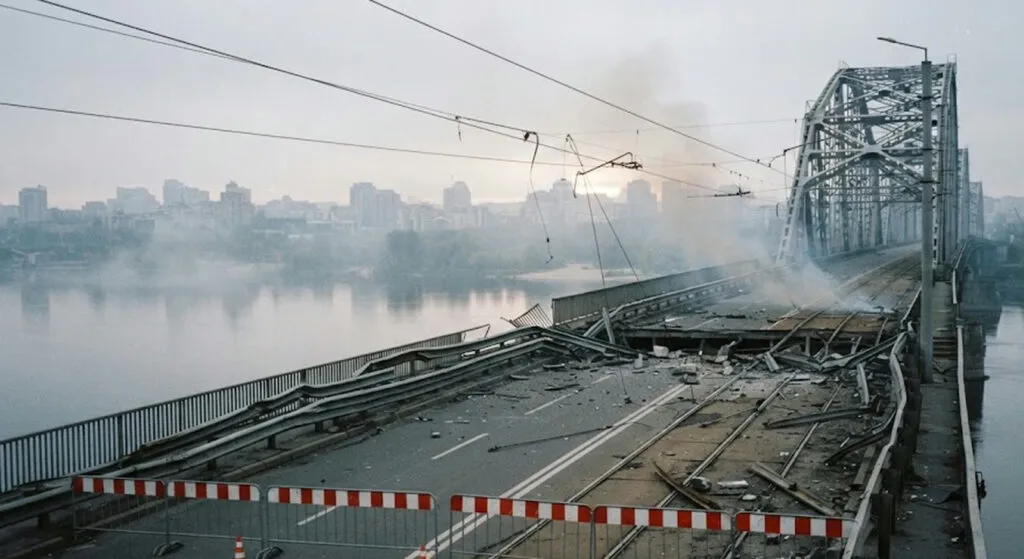
The bridges over the Dnipro don't have to fall for the city to grind to a halt - it's enough...
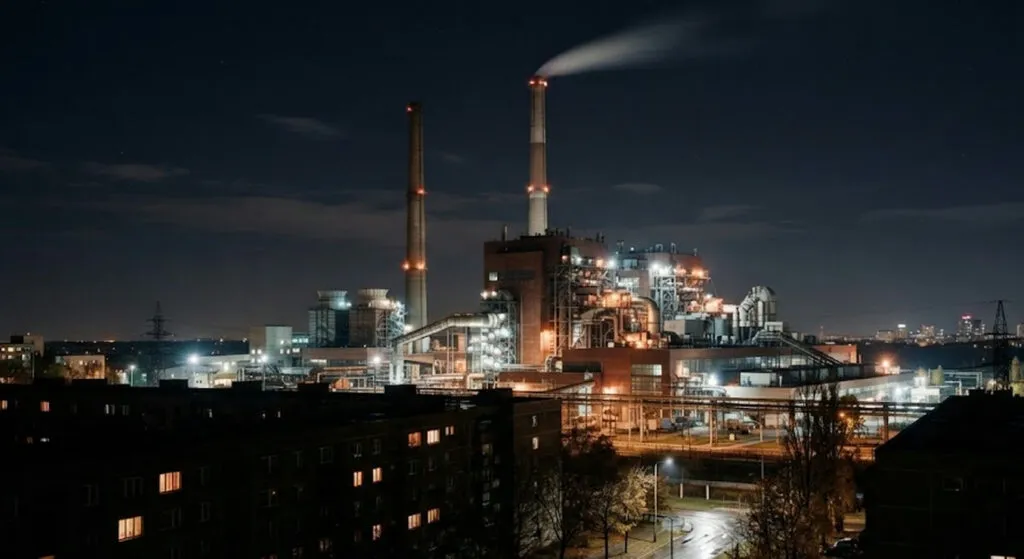
Kyiv confirms a fire but not a hit on the power plant. Strikes on electricity and heating before winter -...
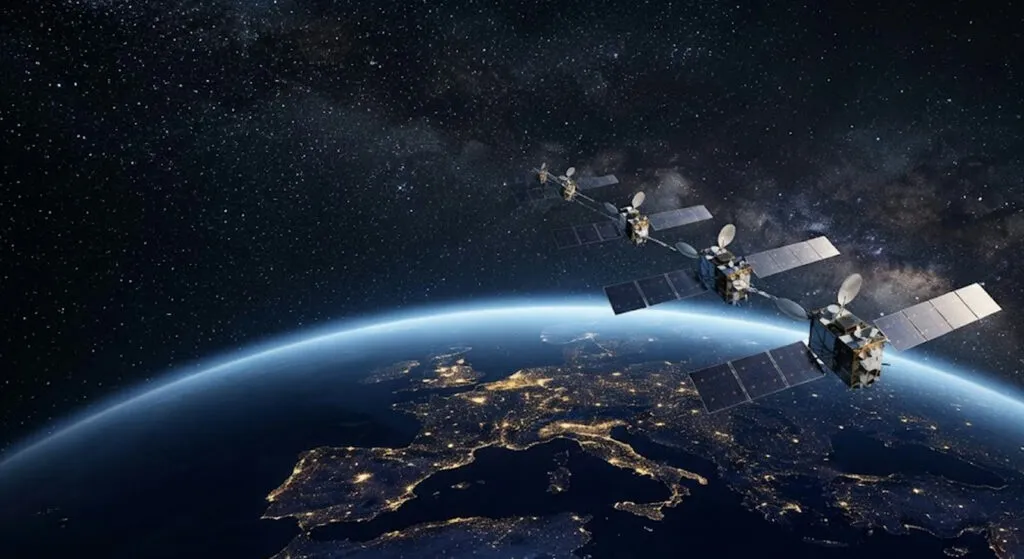
Kyiv asked a UN agency to keep Russia's Rassvet network from covering Ukrainian skies. Medvedev read that as an attack...
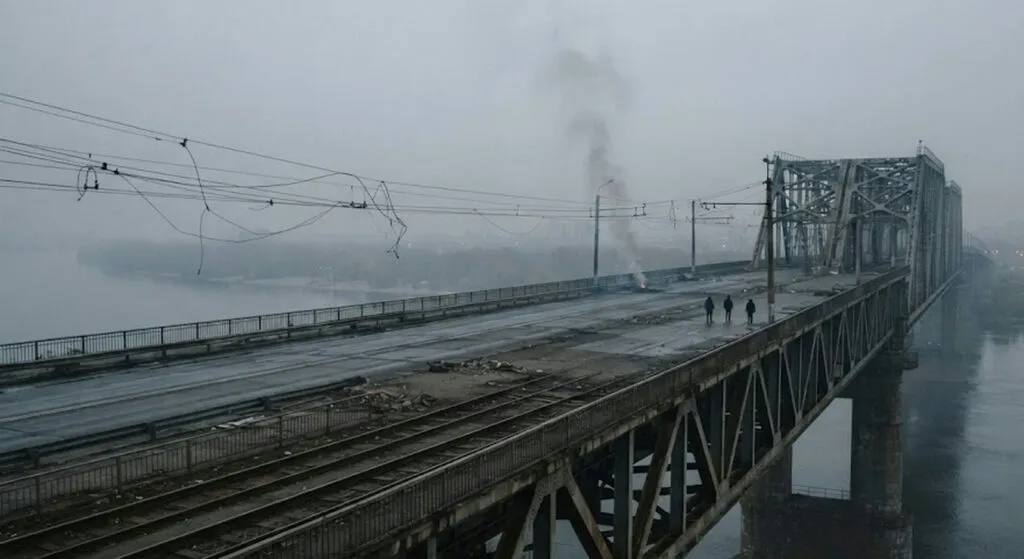
Two key bridges over the Dnipro hit in three days, a full metro train saved at the last second. Moscow...
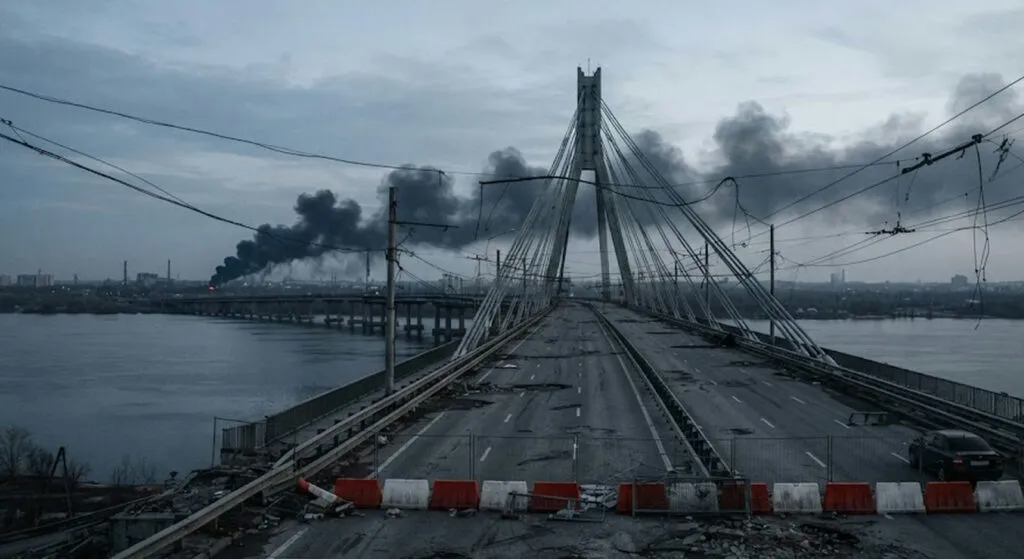
The South Bridge closed, the North Bridge hit, and residents commuting for up to three hours. When war reaches the...
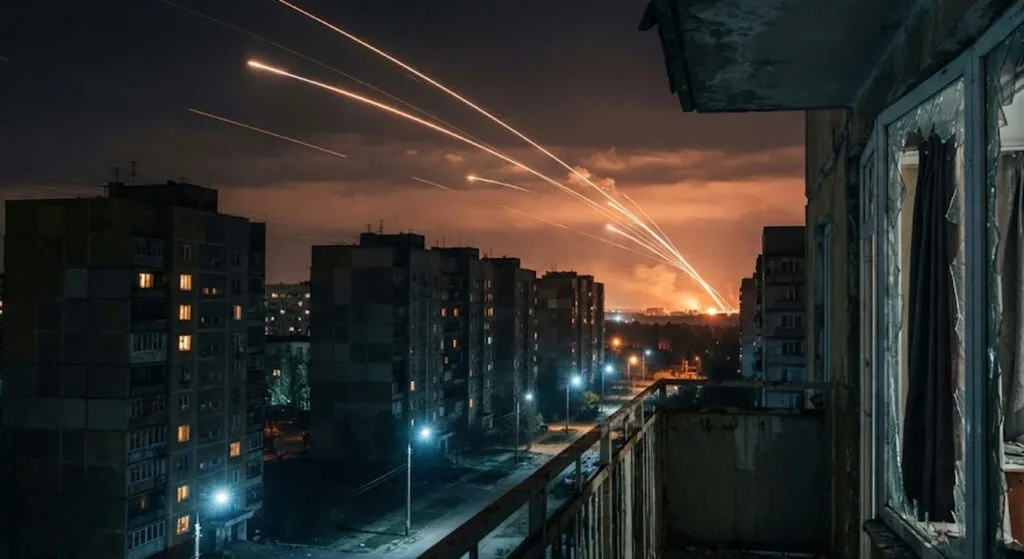
The figures come from the Russian Defence Ministry and should be read with caution. But the shattered windows from Kaluga...
This site uses cookies - is that okay? Learn more
Be the first to know when Metla launches something new
Leave your email and we will write when there is a new guide or something new on Metla.