

Two Schoolyard Assaults Reported in a Single Day: the Police Promised Measures, the Education System Said Nothing
19.09.2026


19.09.2026
19.09.2026
19.09.2026

19.09.2026
19.09.2026
19.09.2026
19.09.2026

18.09.2026

17.09.2026

19.09.2026

19.09.2026

18.09.2026

19.09.2026

19.09.2026

19.09.2026

19.09.2026

18.09.2026

17.09.2026

19.09.2026

19.09.2026

19.09.2026

19.09.2026

19.09.2026
18.09.2026

09.03.2026

27.02.2026

19.02.2026

19.09.2026

18.09.2026

17.09.2026

23.04.2026

23.04.2026

12.04.2026

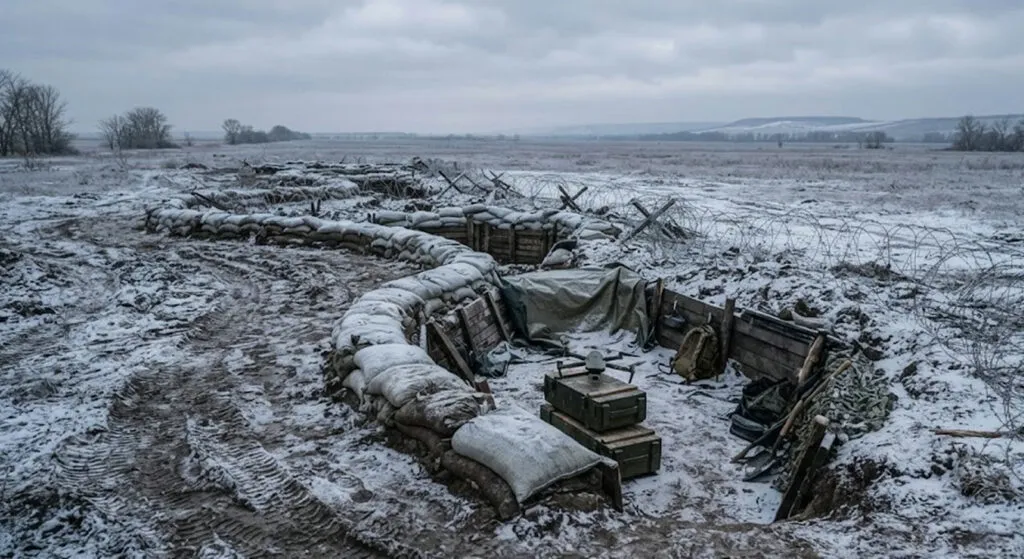
Pyongyang did not pull its soldiers out. Almost two years after Kim Jong Un sent the first large contingent into the Kursk region, around 8,500 North Korean troops are still on Russian territory. And this is no longer the same army that was thrown into frontal assaults in 2024.
According to the latest Ukrainian intelligence estimates, those 8,500 include around 1,000 military engineers and demining specialists and as many as 400 drone operators trained for reconnaissance and for strikes. That is the composition of an army that is learning, not one that is merely bleeding.
From cannon fodder to drone operators
The first big wave arrived in late 2024, after Moscow and Pyongyang signed their Treaty on Comprehensive Strategic Partnership. American, Ukrainian and South Korean estimates then spoke of 10,000 to 12,000 men, a figure later raised to around 14,000 to 15,000 in the Kursk region. Pyongyang stayed silent for months, and only in April 2025 did it officially admit for the first time that its soldiers had fought alongside the Russian army.
The cost is known only through other people's estimates. Ukrainian military intelligence, whose figures were reported by the BBC, speaks of around 3,000 killed and 1,500 wounded North Korean soldiers. A separate analysis of photographs of the new memorial complex in Pyongyang produced a somewhat lower figure - about 2,300 dead. North Korea has never published how many of its own people it lost. When a state does not count its dead, it does not mean there were none.
Now they hold the rear, not the trench
Their role has changed. Ukrainian intelligence now assesses that North Korean units mainly hold rear positions, guard the Russian border and free Russian units to be moved to other parts of the front. Earlier they were striking from the Kursk region with artillery and multiple rocket launchers.
That is a cheaper, quieter and deadlier function. Every Russian soldier released from border duty is a Russian soldier who appears somewhere on the Ukrainian front - without a single new mobilisation call in Russia.
The Ukrainian side estimates that around 25,000 North Korean soldiers and specialists have so far passed through Russia or been rotated through its military structures. According to the same source, a separate North Korean missile unit of around 90 people has begun arriving in western Russia, potentially equipped with up to 120 ballistic missiles and six launchers, with the Voronezh region as a possible deployment area. Those claims have not been independently confirmed.
What each side gets
North Korea has already delivered large quantities of artillery ammunition to Russia, as well as KN-23 and KN-24 ballistic missiles. South Korean military intelligence estimates that since October 2024 Pyongyang has sent more than 16,000 soldiers and military personnel and over 15 million artillery shells.
Chatham House describes the exchange simply: Russia gets men, ammunition and missiles, while North Korea gets money, energy, military technology and experience it could never acquire on its own territory. The last of those is worth the most, and it is the one that does not get used up.
The army that comes home changed
In Kursk, North Korean soldiers went through their first mass exposure to fighting that combines FPV drones, electronic warfare, mass artillery, mines, thermal imaging, precision Western munitions and constant aerial reconnaissance. No exercise gives you that.
Some of the survivors have already gone home. Ukrainian intelligence stated earlier this year that around 3,000 personnel who passed through Kursk had returned to North Korea, where they take part in training other units. This is an army that did not buy its experience - it paid for it with its own people, and is now passing it on.
There are also claims that Pyongyang could send a much larger contingent. Ukrainian President Volodymyr Zelensky spoke of a possible additional 30,000, and later up to 50,000 soldiers. South Korean intelligence confirms preparations exist, but so far there is no evidence that an operation on that scale has begun, while Kim Yo Jong called the claims baseless.
In the Balkans we are used to seeing wars as something that happens on somebody else's ground, and to realising a decade later that the balance being shifted there includes us. Something more concrete is happening here: a closed Asian army is learning to fight a drone war in real conditions, paid for with Russian money. The question is not whether that experience stays in Kursk. The question is where it shows up next.
The latest 10 news from this category
The unit was running, the operating regime did not change, there was no fire. The difference between a news item...

The bill passed with 262 votes, and the key to it has been handed to a man who has already...
Ukraine adapts in weeks, the Alliance in decades. Europe is paying for Patriot systems from 1991 and is only now...
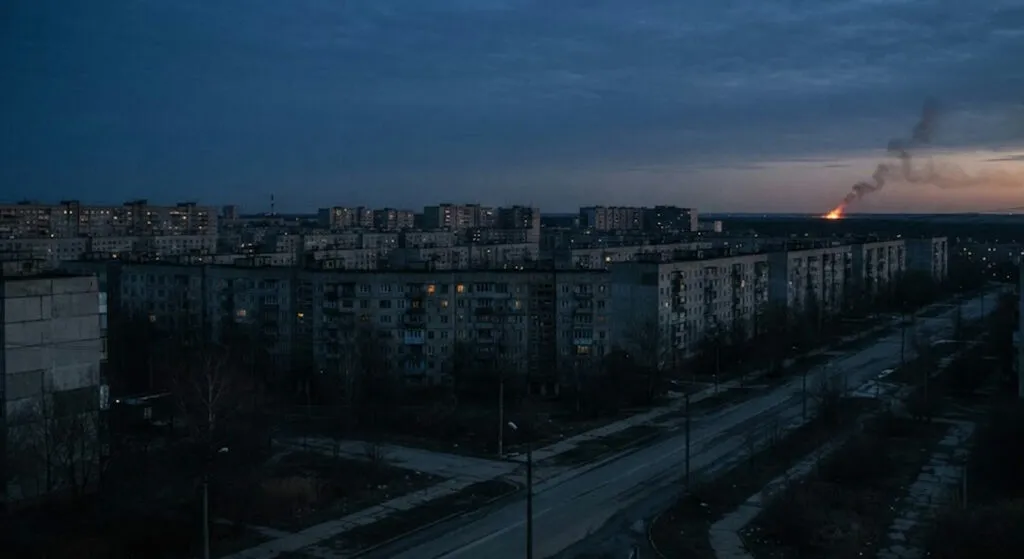
Missiles and drones on the Ukrainian capital, damaged water mains and residential buildings. The same night, Ukrainian drones set the...
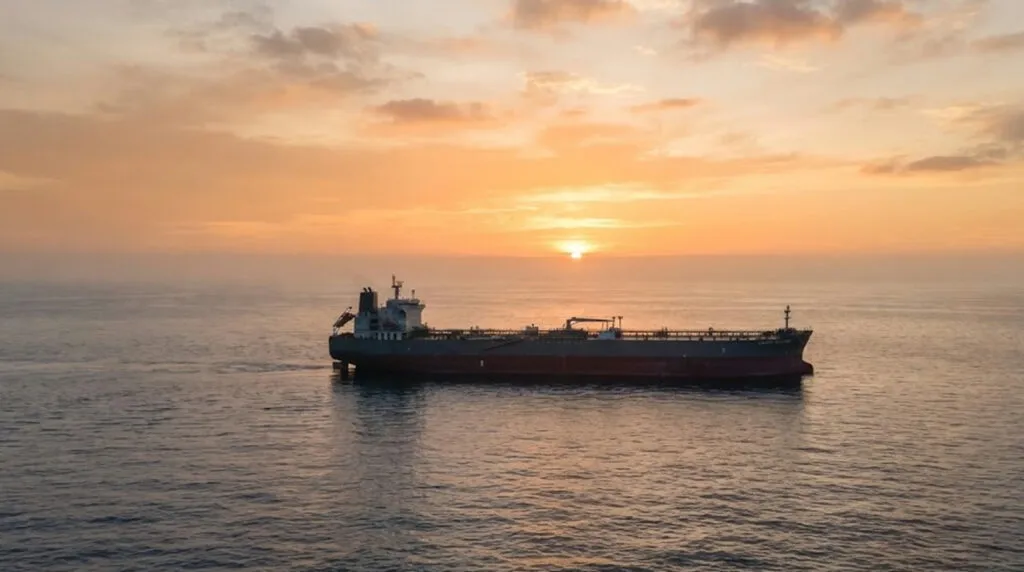
Trump hopes the war is ending and is preparing to gather the Gulf leaders. Oil prices have jumped, and the...
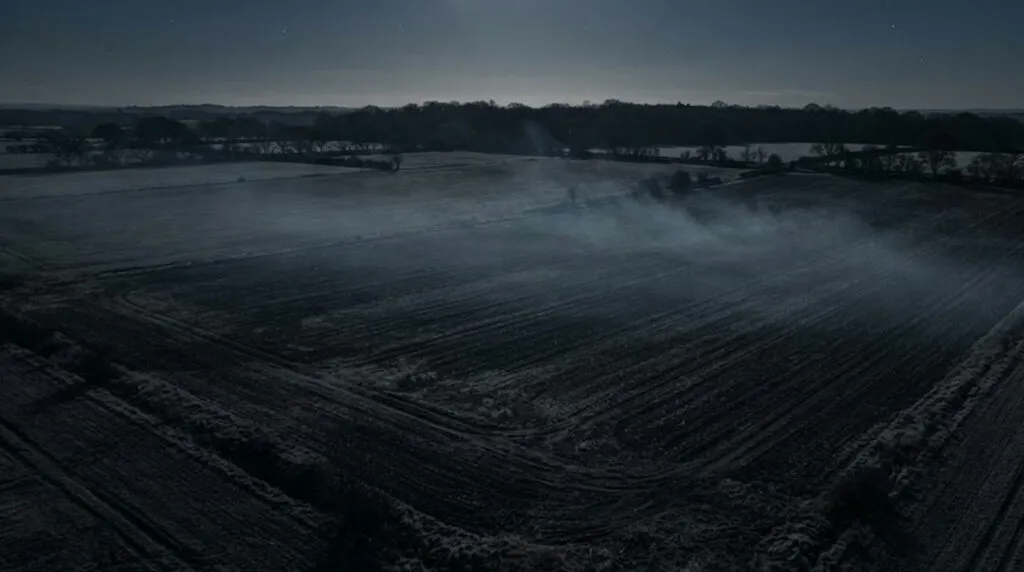
Ukraine says when, where and which unit did it. Russia's defence ministry has not a single sentence about the circumstances....
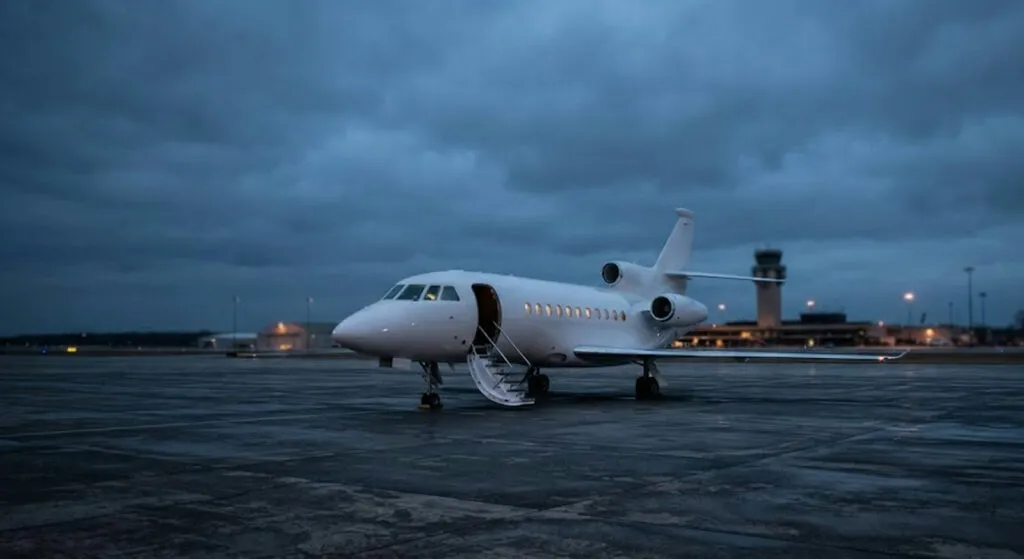
Norway's prime minister talks about a plane a drone "almost hit". Moldova, the only party holding the figures, reported that...
Ukraine was shooting down nine out of ten of the old drones. Then Russia changed the drone - and in...
It was shot down a few minutes after midnight, and all of Vilnius got a warning on their phones. Two...
The entire story comes from one side, and the headlines turn it into a turning point. The difference between the...
This site uses cookies - is that okay? Learn more
Be the first to know when Metla launches something new
Leave your email and we will write when there is a new guide or something new on Metla.
