


They Rode In on Scooters, Torched the Shops and Left: The Fire in Shuto Orizari Burned for Three Hours, Setting It Took Fifty Seconds
13.09.2026


13.09.2026

13.09.2026

13.09.2026

13.09.2026

13.09.2026

13.09.2026

13.09.2026

12.09.2026

11.09.2026

13.09.2026

13.09.2026

12.09.2026

13.09.2026

13.09.2026

13.09.2026

13.09.2026

12.09.2026

11.09.2026

13.09.2026

13.09.2026

13.09.2026

13.09.2026

13.09.2026

12.09.2026

09.03.2026

27.02.2026

19.02.2026

13.09.2026

12.09.2026

11.09.2026

23.04.2026

23.04.2026

12.04.2026

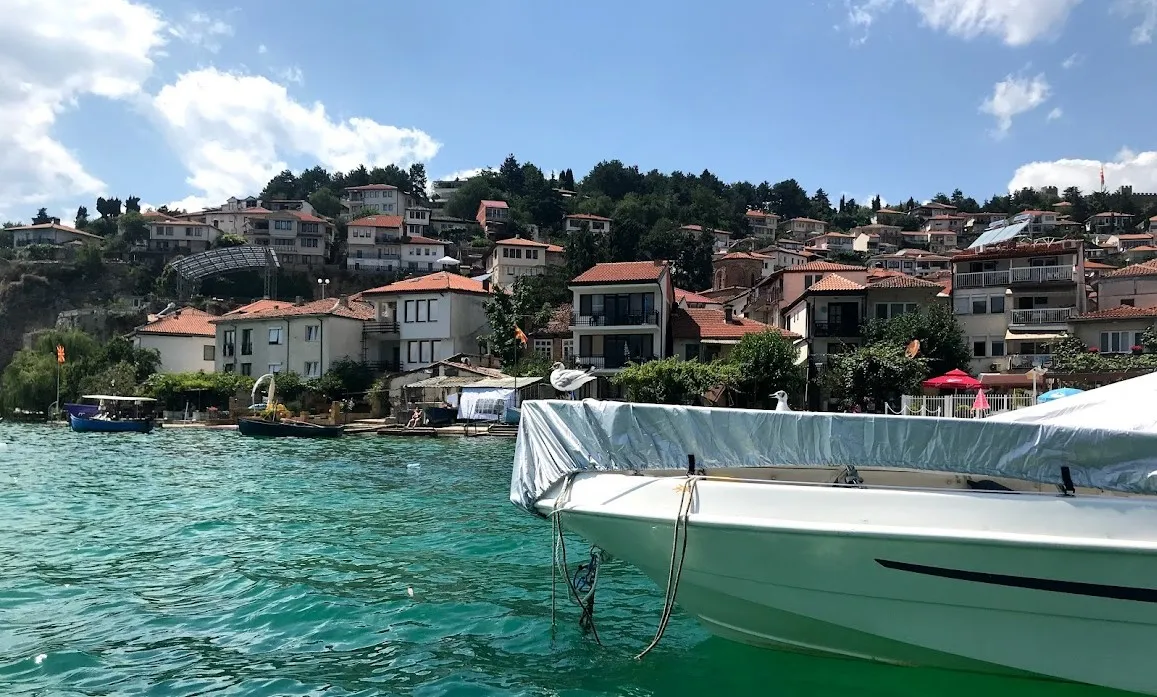
The Ohrid region got off the hook again. At the 48th session of UNESCO's World Heritage Committee, held in Busan, South Korea, the decision was made not to place Ohrid on the list of World Heritage in Danger - but to give it a five-year deadline to sort out the chaos on the shore. So, not the blacklist. But not a clean conscience either.
Foreign Minister Timčo Mucunski called this a “significant diplomatic success”. And indeed, diplomatically it is a success - the state has once again convinced an international body that it will mend its ways. The problem is that we've been hearing the promise to mend for decades, while the concrete on Ohrid's shore keeps rising.
The numbers speak louder than any press release. According to a report by the State Audit Office, Ohrid has 4,847 illegal structures, hotels included. For these, 456 demolition orders have been issued. Executed - not one. Not one. That is the equation that explains the whole situation: there is a law, there are orders, but there are no bulldozers.
Mucunski said illegal buildings “not only in Ohrid” must be removed in a proper and lawful manner. Nice words. But the lawful manner existed all along, and yet 456 orders sit in a drawer. The question isn't whether the authorities know what to do - the plan is clear. The question is who will raise the first bulldozer, and over whose weekend house.
UNESCO's main objections remained the same as in previous years: uncontrolled urbanisation, pollution of the lake, an inefficient sewage collector system, delays in infrastructure projects and weak coordination among institutions. A progress report is due by February 1, 2027, and the Strategic Plan for rehabilitation runs until 2030.
Five years sounds like a long deadline. But if not a single illegal building was torn down over the past decades, why would the next five be any different? UNESCO gave us time. It did not give us the will - that has to come from home. And at home, by the lake, summer still runs the old way: concessions, bars and concrete where there should be only water and reeds.
The latest 10 news from this category

Ivanovska recalls why Vodno was forested in the first place. Gerasimovski says the court annulled the old plan and a...

Three Bulgarian ministries, MPs from different parties and flags inside the medical centre. MAEI asks why a check-up in a...

Flowers were laid in Bitola for Stefan Naumov and Dimitar Bogoevski. Behind the anniversary stand two biographies that ended at...

Eighty children do not simply appear out of nowhere. The question no ceremony answers is whether there are enough instruments...

When you buy honey from the man who tells you which village it came from, you bypass the entire trade...
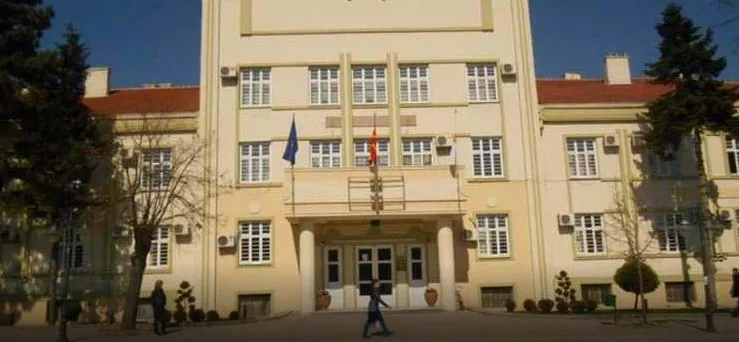
Any citizen can submit a nomination. That is exactly where these competitions either come alive or become an internal affair...
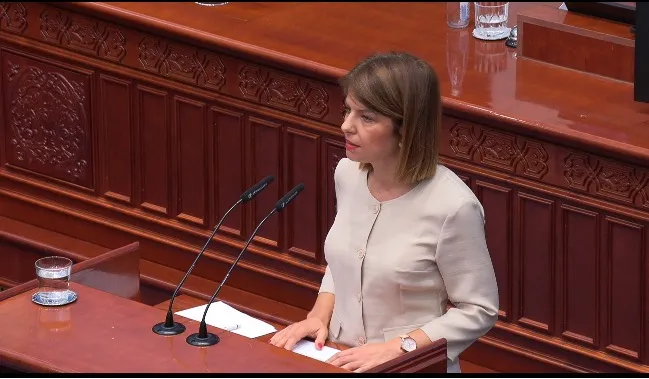
The minister answered that pupils are not a risk group because the youngest patient was 25. The MP had asked...
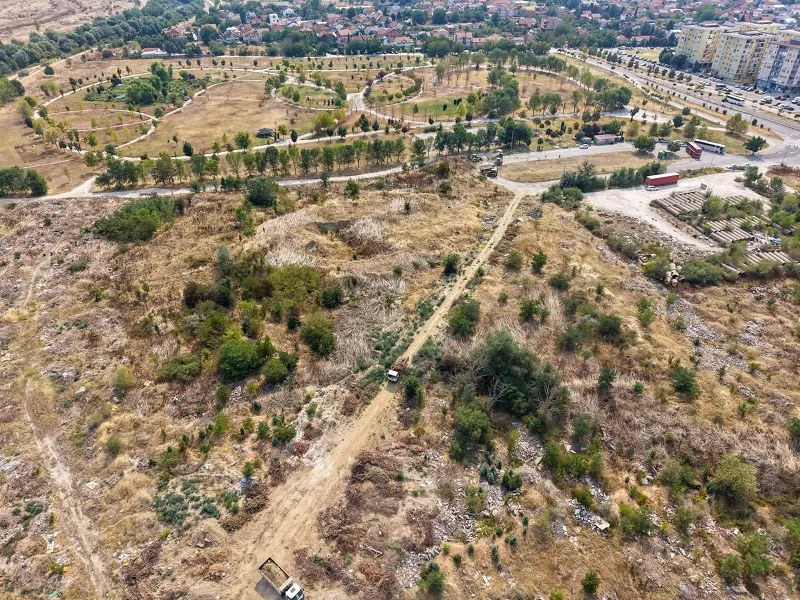
For five years after the promise, the dump stayed a dump. The two neighbouring parks tell the story that comes...
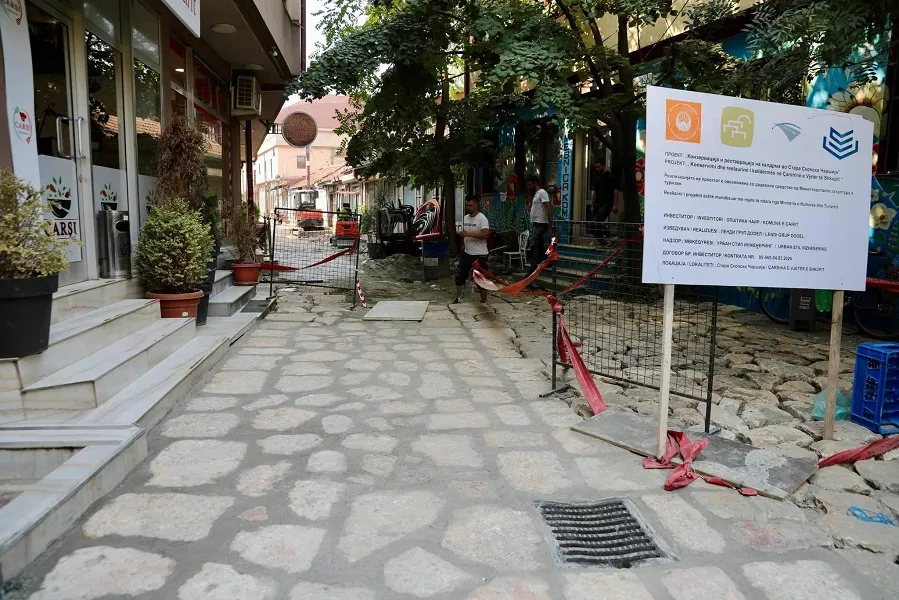
The most visited historic space in Skopje waited fifty years for someone to replace the pipe under the cobblestones. The...

There is a route, there is a presentation and there is agreement that the road is needed. There is no...
This site uses cookies - is that okay? Learn more
Be the first to know when Metla launches something new
Leave your email and we will write when there is a new guide or something new on Metla.
