

Kratovo man stabs police officer mid-intervention: prosecutors want the 40-year-old detained
15.09.2026


15.09.2026

15.09.2026

15.09.2026

15.09.2026

15.09.2026
15.09.2026

15.09.2026

14.09.2026

13.09.2026

15.09.2026

15.09.2026

14.09.2026

15.09.2026

15.09.2026

15.09.2026

15.09.2026

14.09.2026

13.09.2026

15.09.2026

15.09.2026

15.09.2026

15.09.2026

15.09.2026

14.09.2026

09.03.2026

27.02.2026

19.02.2026

15.09.2026

14.09.2026
14.09.2026

23.04.2026

23.04.2026

12.04.2026

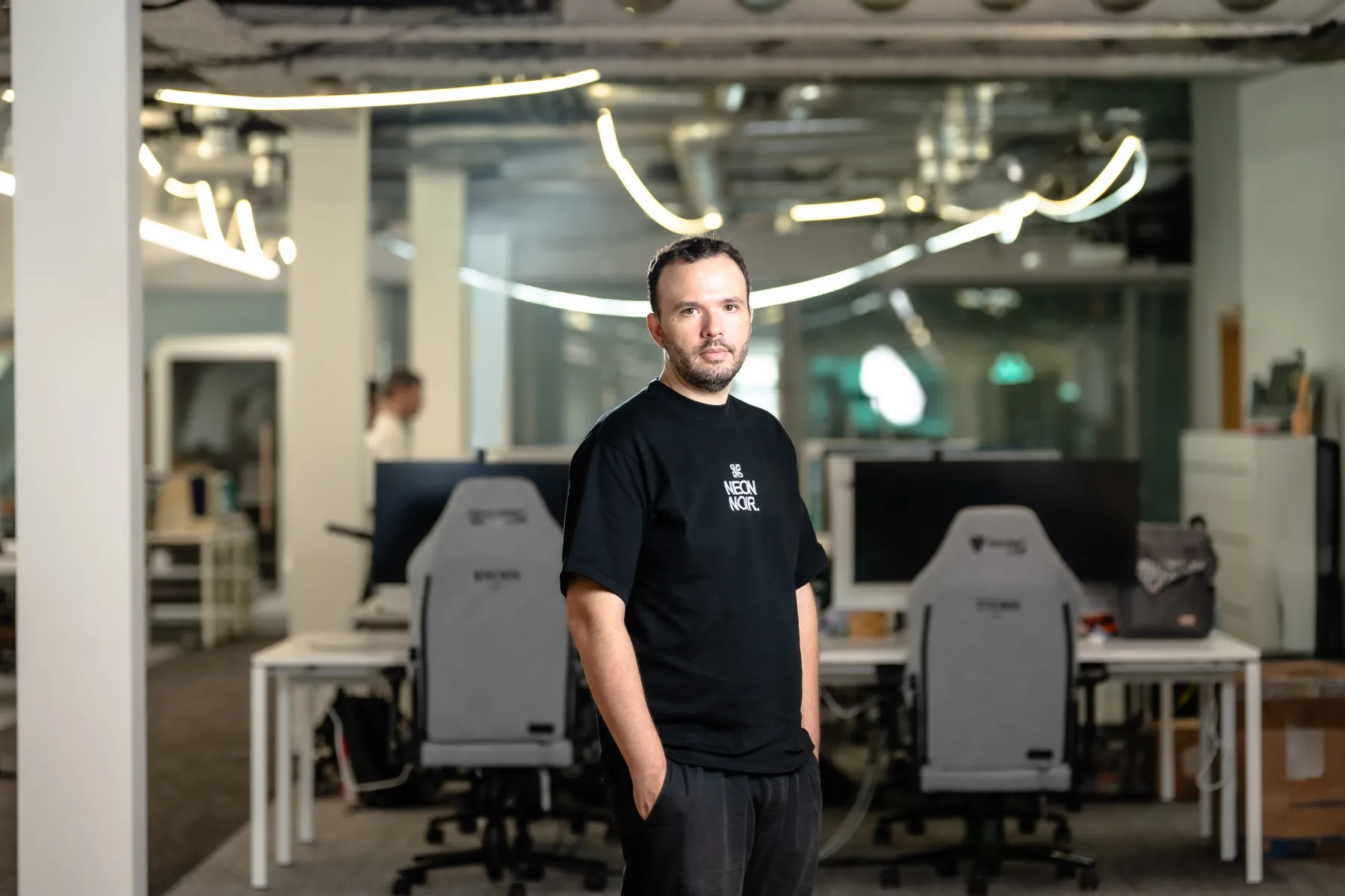
Twenty people in Paris threw down the gauntlet to the most expensive monopoly in the tech world. The French startup ZML, vouched for by Turing Award winner Yann LeCun, released a free server for running AI models called LLMD - software that lets open language models run at maximum speed on almost any chip: Nvidia, AMD, Google TPU, Apple Metal, Intel Arc.
Why does this matter? Because the current practice is the opposite: you buy chips from one manufacturer, get tied to its software, and for years afterward pay whatever it tells you. Founder Steve Morin argues that this very lock-in to a single supplier is the industry's most expensive habit - and that customers should be able to mix chips, cheaper or more efficient, without a performance penalty. At a time when AI bills grow faster than the revenue it brings, the argument sells itself.
Morin is no unknown: his previous startup Zenly was bought by Snapchat in 2017 for a nine-figure sum, and for ZML he raised 20 million dollars from investors including Xavier Niel's fund and London's 20VC. The competition is serious - Baseten was recently valued at 13 billion dollars - but the Paris team is playing a different card: neutrality between chips, instead of yet another closed platform. LLMD is not open source, but it's free, with simple logic: growth first, monetization later.
There's a European note to the story too. Morin openly says software like this could open the way for new European chipmakers - from SiPearl to Axelera - which without it have no chance of breaking into a market tailored to Nvidia's measure. Can 20 engineers from Paris really move the market? So far no one has managed it. But every monopoly looks eternal - until the day someone shows the wall was made of paper.
The latest 10 news from this category
A scientist at the same company puts the probability of human extinction above 10 percent within the next decade. The...
The president called in while the event was running, and the man who makes the chips answered that there would...

No virus attached, no suspicious file. Just a box that looks like the "I am not a robot" check and...

A researcher quit because the firms are gambling with our lives. Instead of denying it, Anthropic confirmed it - with...

Write a sentence, get a game. Until now it worked only in New Zealand, now in Belgrade too. Creators on...

When the two biggest firms in an industry ask for rules on how fast anyone may run, the rules rarely...
Not a single password fell. What fell was the assumption that a request from a government domain is automatically a...

The biggest names in mathematics have signed a letter against the AI labs. The dispute is not whether the machine...

Five campaigns, 200 million exchanges, and the defences fell to a request for a Japanese translation. The industry that harvested...

The hackers were inside for a whole year. The company confirmed it only after a journalist found his own licence...
This site uses cookies - is that okay? Learn more
Be the first to know when Metla launches something new
Leave your email and we will write when there is a new guide or something new on Metla.
