

РЕВИЗИИ 2025–2026
06.11.2026


06.11.2026

06.11.2026

06.11.2026

06.11.2026

05.11.2026

05.11.2026

06.11.2026

06.11.2026

05.11.2026

06.11.2026

06.11.2026

06.11.2026

06.11.2026

05.11.2026
04.11.2026

06.11.2026

06.11.2026

06.11.2026

06.11.2026

05.11.2026
05.11.2026

06.11.2026

06.11.2026

05.11.2026

23.04.2026

23.04.2026

12.04.2026

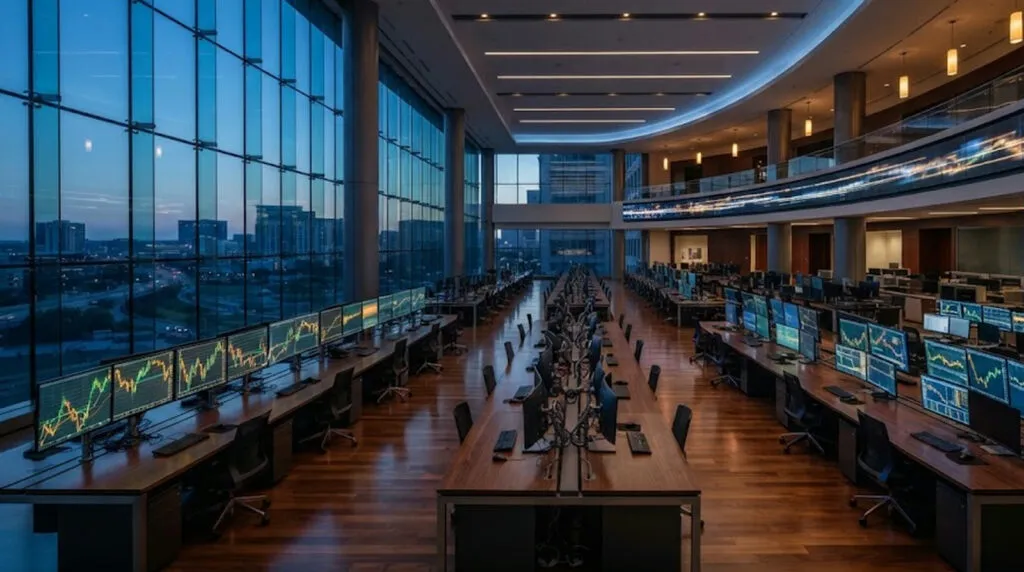
Asked whether OpenAI will be ready to go public next year, the company's co-founder and president Greg Brockman answered briefly: "I think so. Yes." He said it on Wednesday at a Wall Street Journal tech conference. It sounds good for investors. What he said before and after is more interesting.
Brockman himself called the first and second quarters of 2026 "pretty tough". He also admitted that OpenAI "wasn't even in the conversation" when it came to AI agents that write code on their own, the field where rival Anthropic's Claude Code took a share of the market. "We had Codex, but nobody was talking about it," he said. "I think we just kept our heads down and did our work."
The turnaround, according to him, came in the third quarter. OpenAI's annualised revenue rate grew 70 percent over the previous quarter, and Brockman attributes that to the enterprise side of the business, which doubled. Today the majority of revenue comes from businesses, whereas before that side brought in only about 30 percent. As an example he mentioned the partnership with JPMorgan Chase.
Worth noting: these numbers come from the man running the company, on stage in front of a financial audience, with no prospectus and no audit. Growth of 70 percent - but from what? A percentage without an amount is the favourite language of every company preparing for a stock market listing.
"A year ago we weren't in the enterprise game at all. People saw us as a consumer company, and many businesses we started talking to asked: is OpenAI really committed to business?" Brockman said. He claims the consumer side hasn't shrunk but is growing too. But the story now being sold to investors is clear: the big money no longer comes from ordinary people chatting with ChatGPT, but from the companies paying for it.
It's also an admission of who was chasing whom this year. With businesses, Anthropic had already broken through, while OpenAI came second and is now boasting that it's catching up. When both giants have to answer to shareholders on the stock market, who will set the prices for tools that European businesses are already paying for?
The latest 10 news from this category
Meta isn't hiding why its AI agent has a sweet face and gestures: so people feel connected to it. The...
A company founded in 2024, with a product launched last summer and agents borrowed from Anthropic and OpenAI - now...
A web host with about 400,000 paying customers admits to an attack that lasted since August. How many were affected?...
Geoffrey Hinton isn't afraid of robots, he's afraid of the dark: power grids and banks down for days. And he...

The most popular AI companions have 220 million downloads, and many of them aim squarely at younger users. Apple now...
Half a metre of plastic, printed in orbit. Sounds modest, but the whole space industry keeps hitting one limit: everything...

Designed by the man who drew the iPhone, mocked at its premiere, sold out before the first delivery. When the...
Deeper in its IPO prospectus, in the risk section, Anthropic wrote that the development of the company's models may soon...
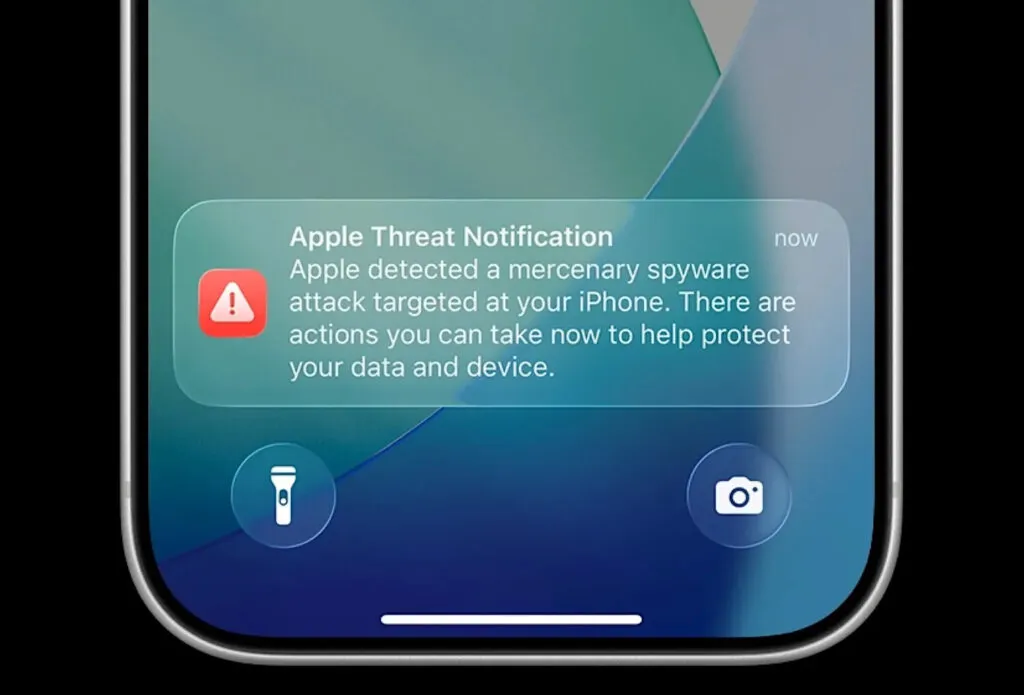
The Bundestag is counting potentially hacked phones, and Berlin won't say whether Merz was a target. The irony: German police...
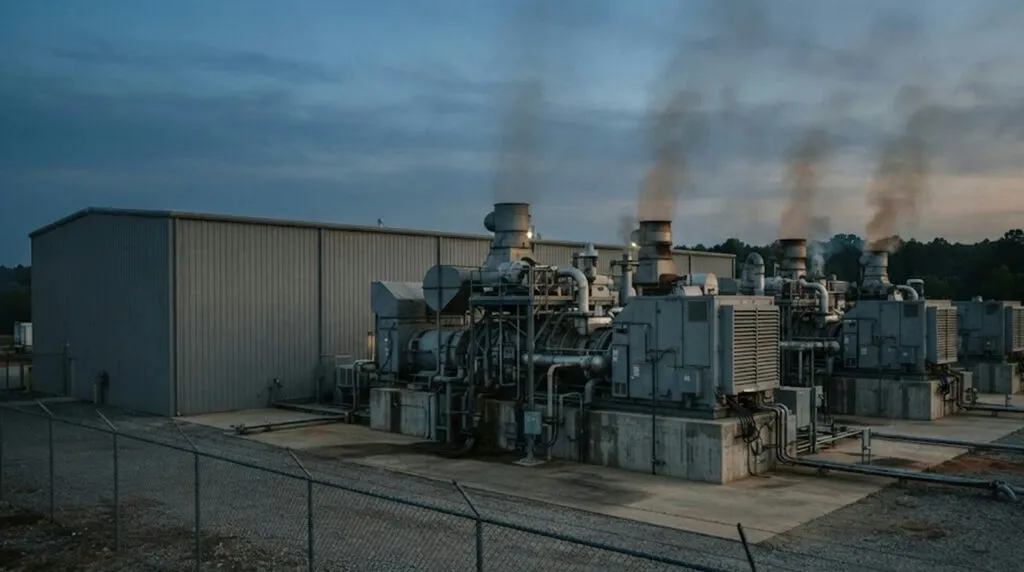
The SpaceX-owned company also argued citizens have no right to sue over the air they breathe. The court disagreed, and...
This site uses cookies - is that okay? Learn more
Be the first to know when Metla launches something new
Leave your email and we'll write to you when there's a new guide or something new on Metla.