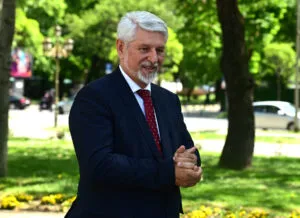
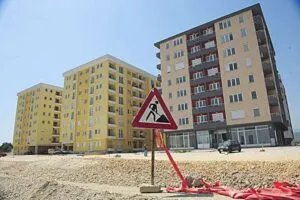
Нова кривична пријава за Јакимовски: одобрение за градба на план укинат уште во 2018 година
16.09.2026


16.09.2026

16.09.2026

16.09.2026
16.09.2026
16.09.2026

16.09.2026

16.09.2026

15.09.2026

14.09.2026

16.09.2026

16.09.2026

15.09.2026

16.09.2026

15.09.2026

14.09.2026

16.09.2026

16.09.2026

16.09.2026

09.03.2026

27.02.2026

19.02.2026

15.09.2026

14.09.2026

14.09.2026

23.04.2026

23.04.2026

12.04.2026

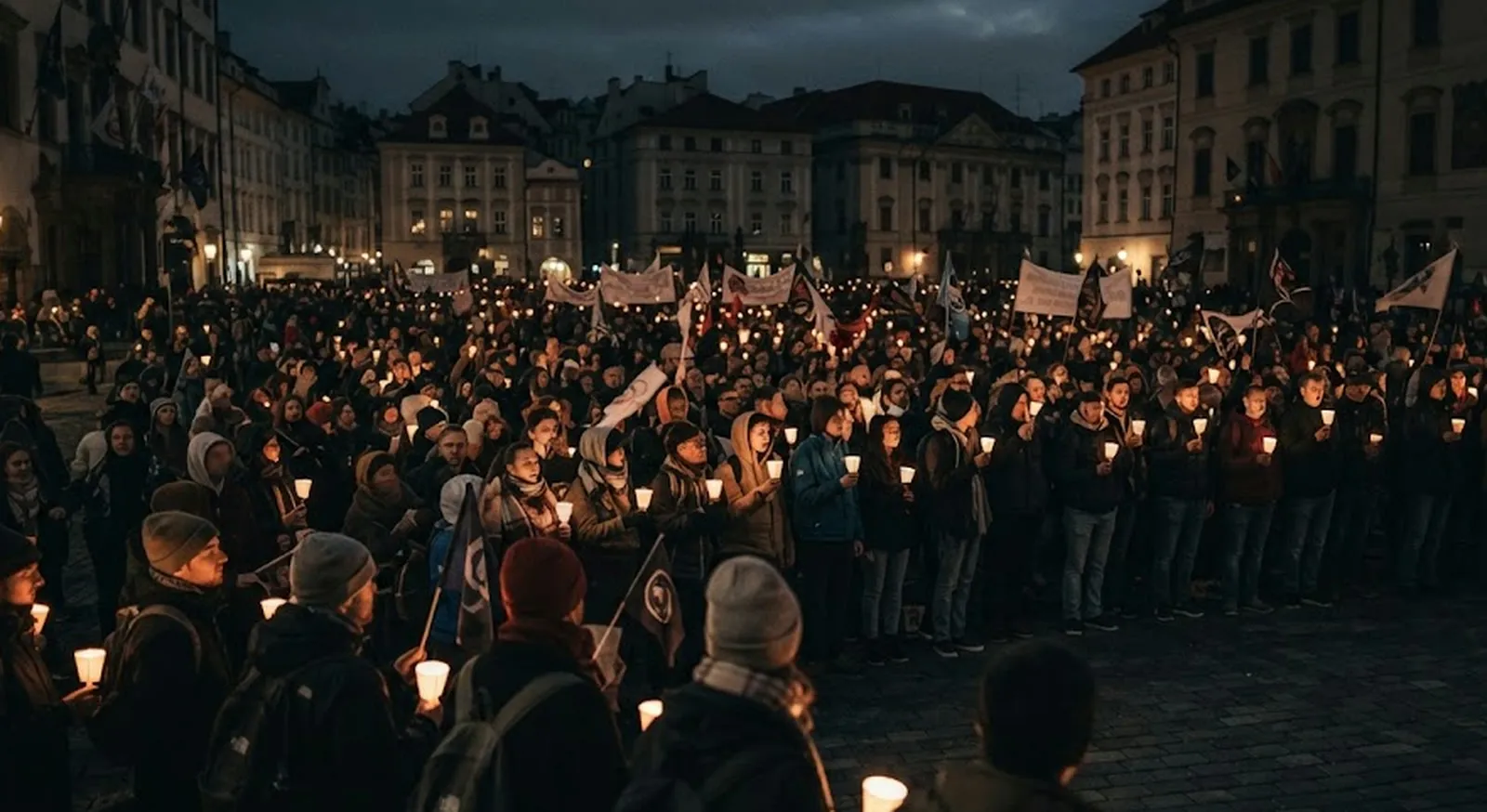
Something that only a year ago seemed unthinkable is happening in Budapest: Viktor Orban is no longer in power. After 16 years of uninterrupted rule, his party lost the parliamentary elections in April, and now it is he who takes to the street - this time as an opposition organizing protests.
The winner is Peter Magyar and his party "Tisza," which won a two-thirds majority in parliament. With that power, the new government submitted a constitutional amendment that would remove President Tamas Sulyok from office - the man Orban himself appointed. The amendment, which will likely pass next week, also foresees an age limit of 70 for Constitutional Court judges, and a cap on parliamentary terms of no more than 12 years.
Sulyok refuses to leave voluntarily. "The question is whether this force will erase the internationally recognized principles of the rule of law," he said. Magyar hit back sharply: "Viktor Orban betrayed the Hungarian people, and Tamas Sulyok, whom he appointed, betrayed the Hungarian Republic."
The irony is almost perfect. For years Orban was the main example of "illiberal democracy" in Europe - the man who reshaped institutions, courts and media to his own measure, and now the same mechanisms are being used by the new government against him. The one who tailored the tools for concentrating power now watches someone else hold them. In the Balkans this is painfully familiar - every government that builds a system to its own measure forgets that the system remains even when it leaves.
The question now being asked by both the Venice Commission and the European Commission is whether Hungary is leaving the Orban era toward something more democratic, or just changing who holds the same levers. Because if the new government with a two-thirds majority does exactly what it accused the old one of, then only the driver has changed, not the direction. And that, for the Hungarian citizen, may be no change at all.
The latest 10 news from this category

Санкции воведени поради една војна се нудат како монета за сосема друг спор. Мнозинството членки се против - но за...
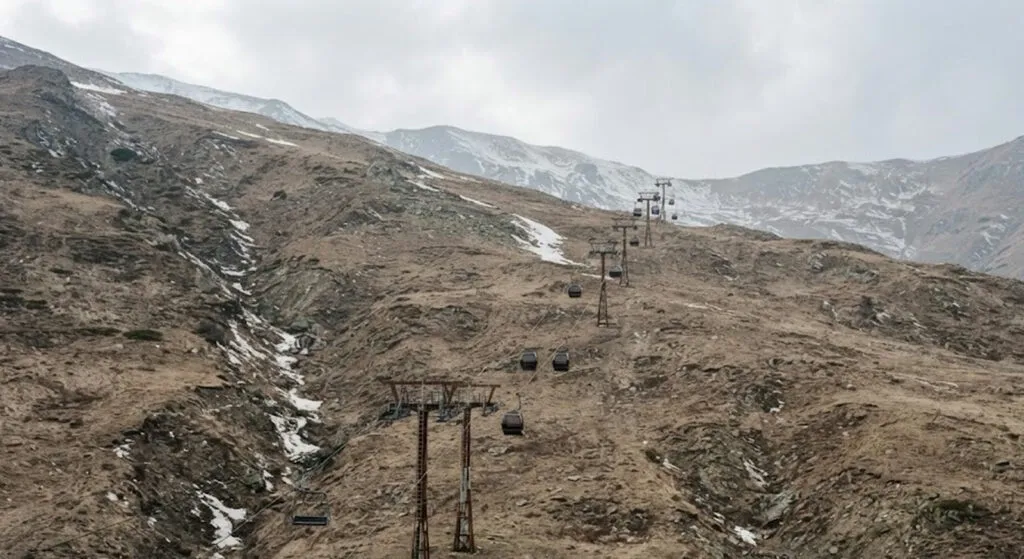
Ел Нињо во Пацификот ги поместува струењата што одлучуваат каде ќе падне снегот. Подрачје кое обично добива еден метар годишно,...

Најлесниот начин да се отфрли неудобен аргумент е да се покаже кој го кажува. Но од тоа сметката за струја...
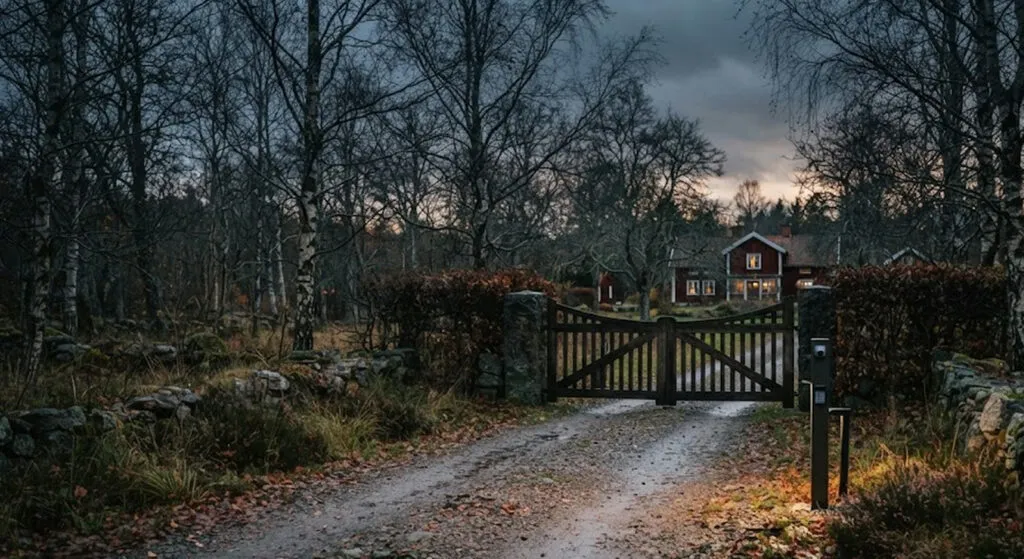
Апелациониот суд одлучи целото судење да се повтори од почеток. Синот на норвешката кралица го чека тоа во имањето каде...

Trump scaled back the military exercises to ease the tension, and Wonsan answered in the form of projectiles. What does...

The sanctions list got a seven-day extension instead of one measured in months, a move diplomats themselves call unprecedented. Two...
Switzerland offered a table for talks on Ukraine, Moscow replied that the table stopped being neutral once Bern adopted EU...
The will says one thing, a committee of twenty-one men decided another. The queen mother says the army pulled the...
A country that was Europe's byword for stability for decades now has a parliament split into two blocs by a...
Sixteen years in power, defeat at a regular election, five months of quiet - and now the election result is...
This site uses cookies - is that okay? Learn more
Be the first to know when Metla launches something new
Leave your email and we will write when there is a new guide or something new on Metla.