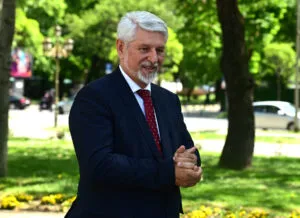
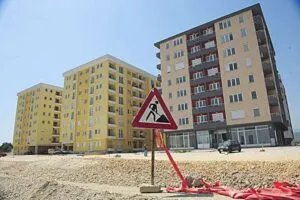
Нова кривична пријава за Јакимовски: одобрение за градба на план укинат уште во 2018 година
16.09.2026


16.09.2026
16.09.2026

16.09.2026
16.09.2026
16.09.2026
16.09.2026

16.09.2026

15.09.2026

14.09.2026

16.09.2026

16.09.2026

15.09.2026

16.09.2026

15.09.2026

14.09.2026

16.09.2026
16.09.2026

16.09.2026

09.03.2026

27.02.2026

19.02.2026

15.09.2026

14.09.2026

14.09.2026

23.04.2026

23.04.2026

12.04.2026

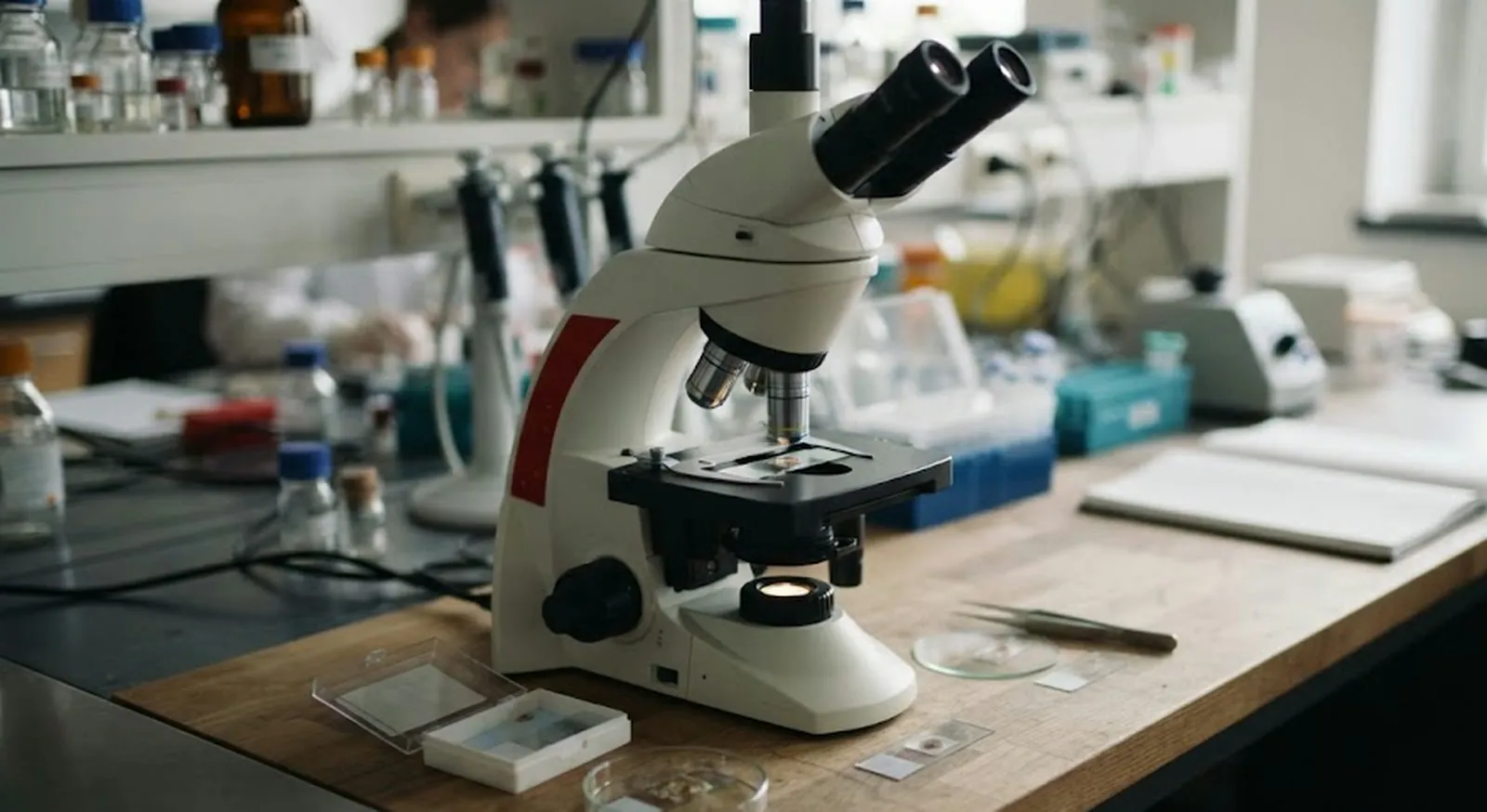
Men are becoming less and less fertile, and science is starting to grasp just how dramatically. A new Spanish study showed huge differences in sperm quality even between cities in the same country - and the reason, researchers say, most likely lies not in lifestyle, but in something we breathe, drink and eat from birth onward.
The numbers are striking. Men from Asturias in the north have around 95 million motile sperm per ejaculation, while those from Madrid - only about 50 million. Men from southern and southeastern Spanish cities have similarly low numbers. The study, conducted by the UR group and presented at the European reproduction congress in London, measured the total motile sperm count - a key indicator of fertility.
The wider picture is even more worrying. A Danish study back in 2017 showed that sperm concentration had halved in fifty years - a decline so fast it cannot be explained by genetics. The culprit, according to the leading hypothesis, is the environment: air and water pollution, chemicals, endocrine disruptors, pesticides. In one study, microplastics were found in 55 percent of samples.
There is advice anyone can follow, too. Men who take in 30 percent of their daily calories from ultra-processed food have worse results. But researchers warn that the crucial exposure probably happens as early as the womb and early childhood - which means the problem is systemic, not individual.
For the Balkans, where fertility is rarely discussed openly, this is a reminder that statistics do not stop at the border. Between 15 and 17 percent of couples of reproductive age face infertility, and in half the cases the factor is male. While pollution and microplastics spread without a passport, the question is not whether this concerns us too, but why so little is said about it. Some problems stay silent precisely because they touch where men find it hardest to admit vulnerability.
The latest 10 news from this category

Санкции воведени поради една војна се нудат како монета за сосема друг спор. Мнозинството членки се против - но за...
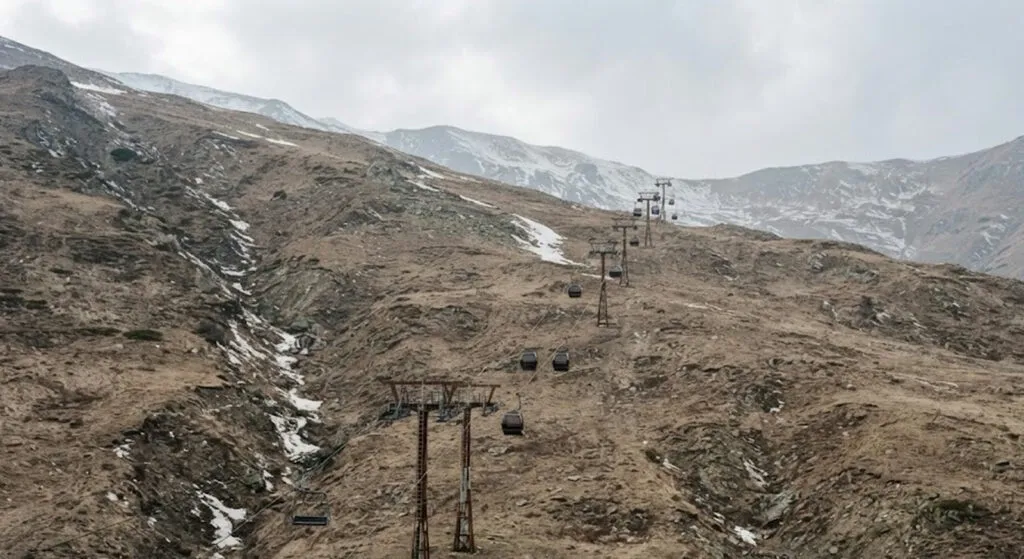
Ел Нињо во Пацификот ги поместува струењата што одлучуваат каде ќе падне снегот. Подрачје кое обично добива еден метар годишно,...

Најлесниот начин да се отфрли неудобен аргумент е да се покаже кој го кажува. Но од тоа сметката за струја...

Апелациониот суд одлучи целото судење да се повтори од почеток. Синот на норвешката кралица го чека тоа во имањето каде...
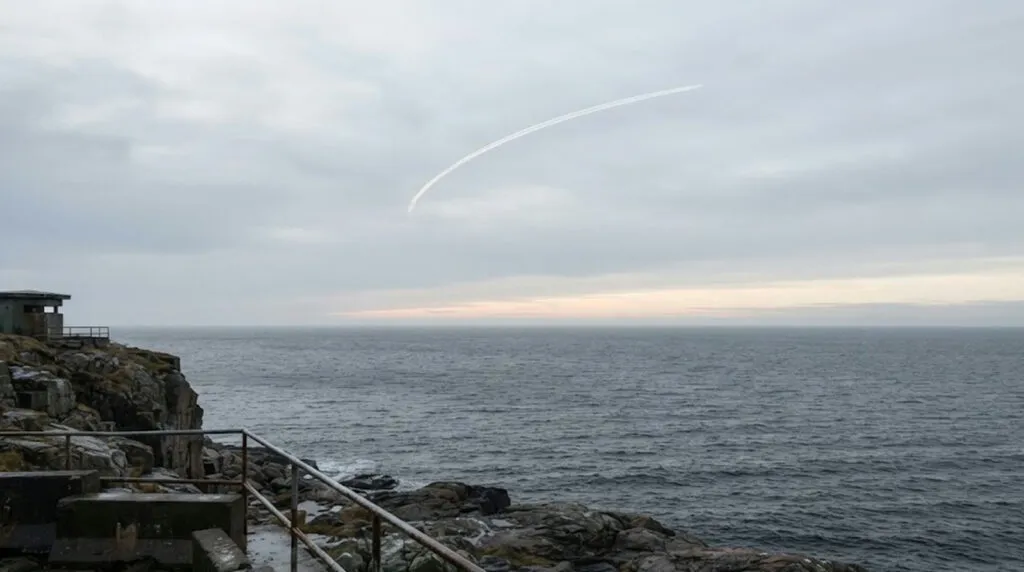
Trump scaled back the military exercises to ease the tension, and Wonsan answered in the form of projectiles. What does...

The sanctions list got a seven-day extension instead of one measured in months, a move diplomats themselves call unprecedented. Two...

Switzerland offered a table for talks on Ukraine, Moscow replied that the table stopped being neutral once Bern adopted EU...

The will says one thing, a committee of twenty-one men decided another. The queen mother says the army pulled the...
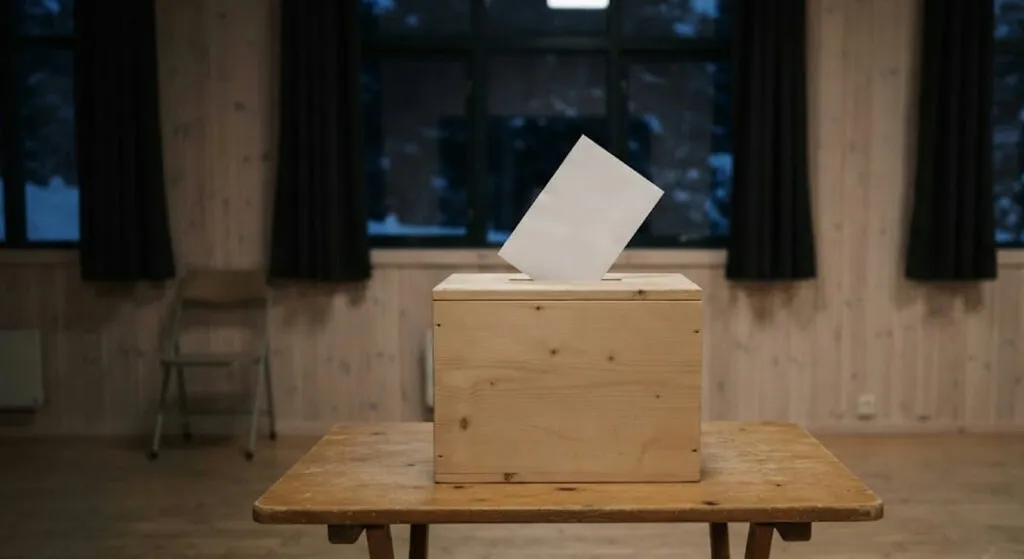
A country that was Europe's byword for stability for decades now has a parliament split into two blocs by a...
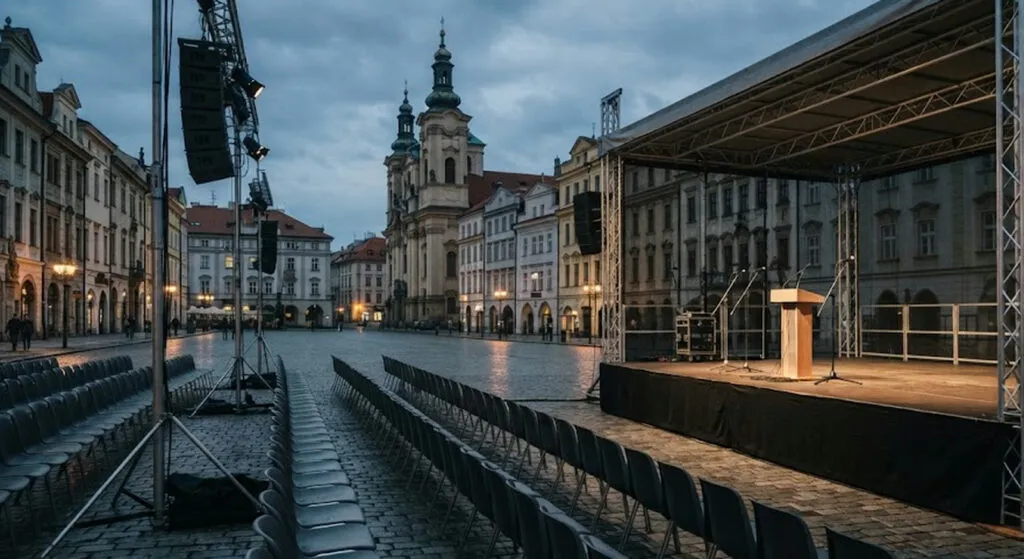
Sixteen years in power, defeat at a regular election, five months of quiet - and now the election result is...
This site uses cookies - is that okay? Learn more
Be the first to know when Metla launches something new
Leave your email and we will write when there is a new guide or something new on Metla.