Eight Tonnes of Marijuana Crossed the Border in a Year: the Weight Difference Was Measured, the Chain Ran for Months
19.08.2026


19.08.2026

19.08.2026

19.08.2026
19.08.2026

19.08.2026

19.08.2026

19.08.2026
18.08.2026

18.08.2026

19.08.2026

19.08.2026

18.08.2026

19.08.2026

19.08.2026

19.08.2026

19.08.2026

18.08.2026

17.08.2026

19.08.2026
18.08.2026

17.08.2026

09.03.2026

27.02.2026

19.02.2026

19.08.2026
18.08.2026

18.08.2026

23.04.2026

23.04.2026

12.04.2026
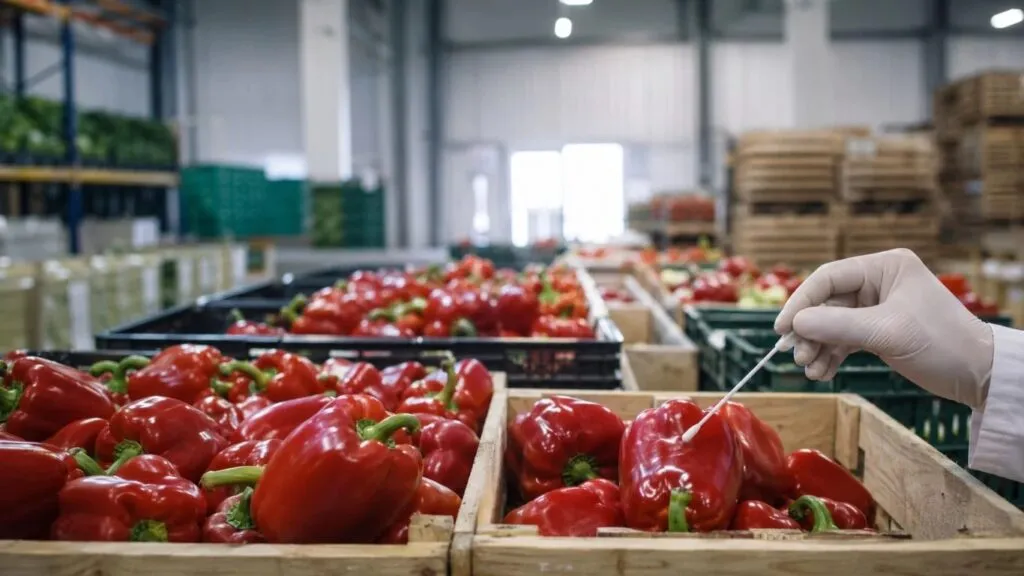
Eleven and a half tonnes of fresh peppers from Macedonia have been stopped at the Bulgarian border. Laboratory analysis found levels of the pesticide formetanate above the permitted limit. The goods never reached the shelves and will be destroyed - either in Bulgaria or at the Drisla landfill, depending on what the operator chooses.
The director of the Food and Veterinary Agency, Oliver Milanov, says the Agency has been informed of the case and is waiting for the operator's decision. „The operator has the right to have the peppers destroyed, or to have them returned so that we, together with the Agriculture Inspectorate, destroy them at his request or at the request of the importing country”, he said.
So the system works. Just one question: whose system?
The inspection Bulgaria carried out
The consignment was not stopped in Macedonia. It was not stopped by a Macedonian phytosanitary inspection, not stopped by a Macedonian laboratory, not stopped before it left. It was stopped after it had crossed the border, by a foreign institution, in a foreign laboratory.
The National Agricultural Network puts the question bluntly: which institutions carried out the phytosanitary and laboratory checks in Macedonia before export? So far there is no answer. The network's president, Ǵorǵi Karakašev, points to a consequence that is not measured in tonnes: when a foreign institution stops a shipment over pesticides, the suspicion spreads well beyond that particular cargo.
Not the first time
This is the part that gets left unsaid. Formetanate in Macedonian peppers was flagged through the European system in 2023 and again in 2025. One shipment is an incident. Three alerts in three years is a pattern.
And if formetanate above the limit turns up in peppers destined for export, it raises the question none of the authorities will ask out loud: what happens to the same harvest that never goes for export? A shopper does not carry a laboratory to the market. They rely on an inspection they cannot even be sure took place.
The ones who played by the rules pay the price
Farmers who respect withdrawal periods and spray properly are now entering a period of stricter inspections, higher costs and lost foreign buyers. Not because of anything they did, but because of somebody else's consignment.
The Food and Veterinary Agency and the State Agriculture Inspectorate are being asked for a transparent explanation - which producer is involved, whether related batches were tested, and whether part of that produce ended up on the domestic market. Three specific questions with three specific answers.
So far we have exactly one data point: eleven and a half tonnes, discovered by another country.
The latest 10 news from this category

A jump of more than 50 percent in a year. The Commission says lawyers are „fishing in murky water” -...

Excise duty is a domestic decision, taken in Skopje, not in Rotterdam. Neither the opposition nor the government published any...
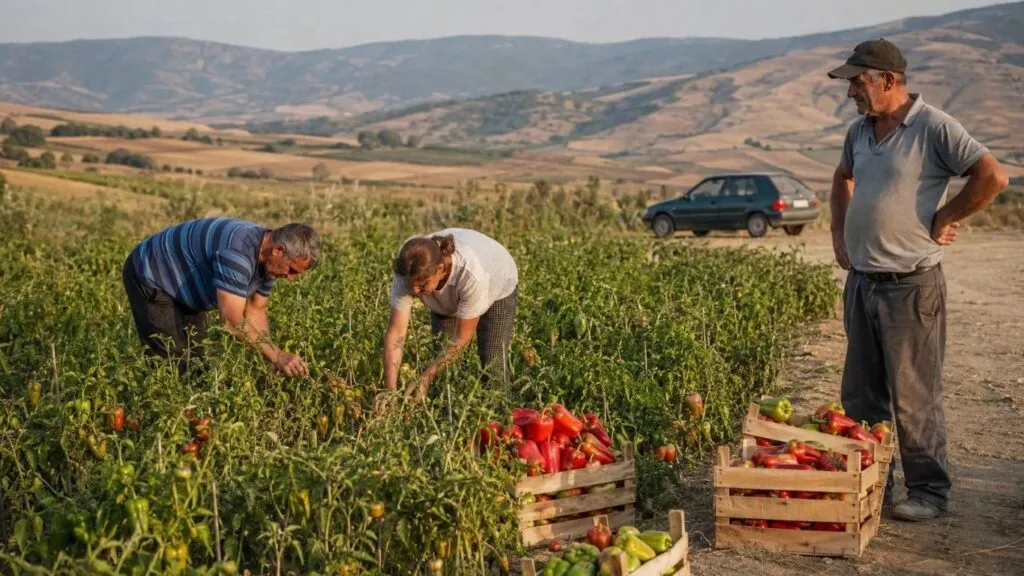
Labour is getting more expensive, buy-up prices are down 5.5 percent, input costs up 4.1. In that arithmetic a good...

Brussels fined it 500 million euros, Apple offered a scheme critics called malicious compliance. This is the third attempt in...

In December it was worth 5 billion, in July 10.3, now 21. The product is the same as it was...

For three and a half years the product ran with no protection for minors. It did not change after a...

325 denars more for a tank of diesel. On 10 August the energy regulator cut prices; on 17 August it...
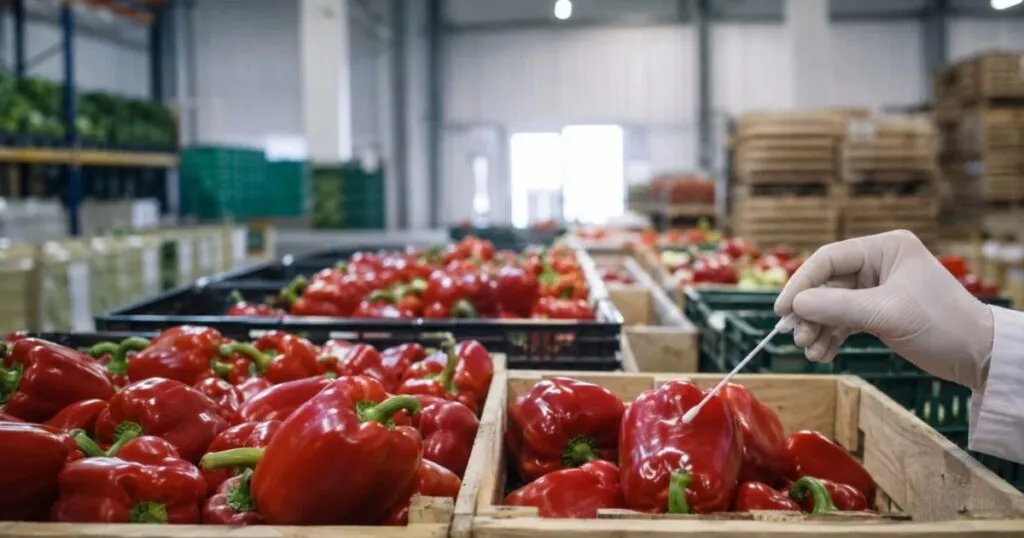
Formetanate above the permitted level, the third such alert in the European system since 2023. The question is not who...

Over 50 outbreak sites, 40 families with no income, dead animals lying in yards for weeks. Farmers want vaccination now;...

Three million tonnes over three years, a fixed price, 57 million euros of projected revenue. Except the requirement is 1.4...
This site uses cookies - is that okay? Learn more
Be the first to know when Metla launches something new
Leave your email and we will write when there is a new guide or something new on Metla.