Five Tonnes of Cannabis Straight Through Customs: A Medical Licence as Cover, at Least Five Runs
18.08.2026


18.08.2026
18.08.2026
18.08.2026

18.08.2026
18.08.2026
18.08.2026

18.08.2026

17.08.2026

16.08.2026

18.08.2026
18.08.2026

17.08.2026

18.08.2026

18.08.2026

18.08.2026

18.08.2026

17.08.2026

16.08.2026

18.08.2026

18.08.2026

18.08.2026

18.08.2026

17.08.2026
17.08.2026

09.03.2026

27.02.2026

19.02.2026

18.08.2026

17.08.2026

16.08.2026

23.04.2026

23.04.2026

12.04.2026
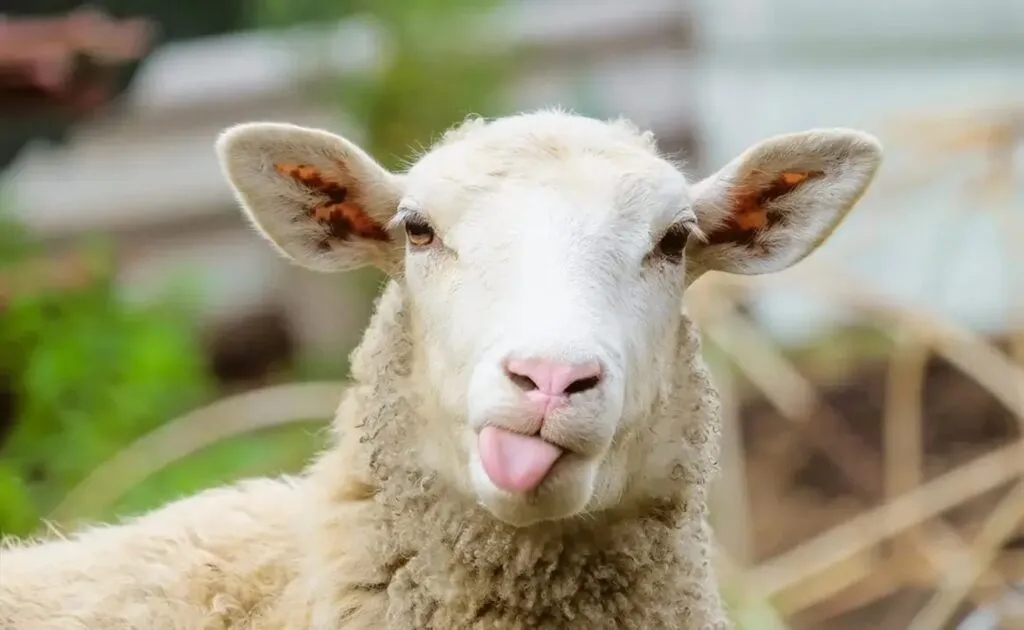
Livestock farmers gathered in front of the government yesterday. The Sheep Breeders' Association claims that between 7,000 and 10,000 sheep have died of sheep pox so far, that 40 to 50 flocks have been wiped out and that around 40 families have been left without income. The east is worst hit - in the Stip area, they say, 70 to 80 percent of flocks are affected.
Association president Naser Dzemaili also gave the figure that shows the scale: Macedonia currently has around 250,000 to 300,000 sheep. So far there are more than 50 outbreak sites.
Compensation: 100 denars per kilo
The farmers have three demands - faster vaccination, a review of compensation, and a special fund for those whose flocks have been destroyed.
Compensation currently stands at 100 denars per kilo. Milena Velickovic, a breeder from Kumanovo and a member of the management board, put the question directly: what happens to pedigree sheep whose market price is five times the compensation figure?
And a second, simpler question: what about the subsidies? They have only received an answer for cases from 1 July onwards, and flocks were destroyed before that date too.
Dead animals lying in yards
Dzemaili described a scene that needs no commentary. Dead animals sometimes lie in owners' yards for weeks, because there is nobody to take them away and no clarity on where they should be buried.
An additional risk is that some farmers take animals to livestock markets without knowing whether they are infected. The markets are operating with unvaccinated stock and without movement certificates.
Dzemaili also pointed to a case where the disease was confirmed in several flocks and 20 days later nobody had turned up.
The official response: 500,000 doses, with a condition
The Agriculture Ministry replied the same day that the institutions are working on a coordinated response. Turkey has provided 500,000 vaccine doses as a donation, expected to arrive in the coming days, and a request for additional quantities has been submitted to the European Commission. Expert support has also been requested from the EUVET team.
Before use, the vaccines will undergo mandatory laboratory testing for safety and purity, and vaccination will begin once the results are confirmed, according to an official plan and under the food and veterinary agency's control.
Along with that came a warning. Any vaccination done at one's own expense, without the agency's approval, will be sanctioned - and in that case the owner has no right to compensation for infected animals, nor for those seized.
The argument the farmers never got
This is where the two sides part ways on something essential. Velickovic says vaccination has been under negotiation for more than a month and that they have heard no real arguments against it - other than a possible ban on exports to the EU. And even on that ban, she says, there is no official information on whether or how far it would apply.
Her proposal is blunt: if the price of saving sheep farming is being shut out of the European market, then the state should open new markets. As an example she noted that Serbia opened up the Algerian market for exports in May.
In her account, neither meat from the disease nor meat after vaccination is harmful to people - there is no withdrawal period for milk and meat from vaccinated sheep. Dzemaili likewise stresses that the disease has no effect on humans or on food.
Both sides are right about different things
The institutions are right that uncontrolled vaccination makes epidemiological tracking harder and can reduce the effectiveness of the measures. That is technically true.
The farmers are right that a month of negotiations without a conclusion, with 7,000 dead animals and 50 outbreak sites, is not a speed that matches the situation. Dzemaili said it in a sentence that will outlast every press release: „I think this is the end of livestock farming.”
The livestock base has already shrunk, and interest in raising sheep has been falling for years. Sheep pox did not create that situation - but it has shown it clearly.
The latest 10 news from this category

325 denars more for a tank of diesel. On 10 August the energy regulator cut prices; on 17 August it...
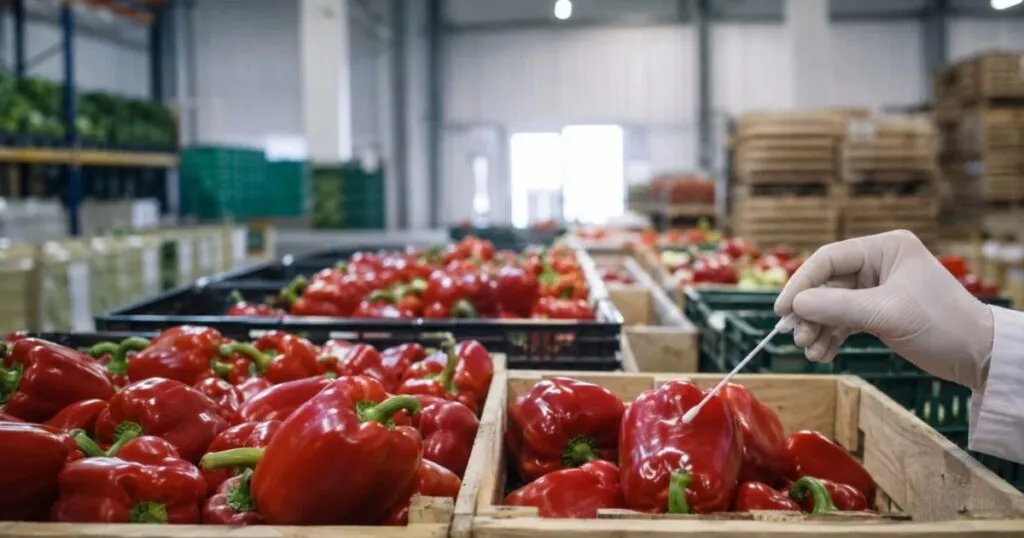
Formetanate above the permitted level, the third such alert in the European system since 2023. The question is not who...
Three million tonnes over three years, a fixed price, 57 million euros of projected revenue. Except the requirement is 1.4...

Apple sent warnings to 110 countries, and researchers say they have never seen numbers like these. One of those targeted...

Same company, half the valuation in twelve months. Nvidia first took the founder and the team, now it comes in...

No acquisition, no technology taken over, no service continued. Google is taking only the people, and the paying customers get...
What cost 1,000 denars in 2022 costs 1,300 today. Inflation measures speed, not distance - and the household budget feels...

It is not a cryptocurrency - it is central bank money in digital form. Macedonia is not in the eurozone,...

Parts suppliers are shedding jobs fastest - 7.6 percent in a single year. That is precisely the link in the...

An investor told the Anthropic chief executive to be a „more positive advocate” for his industry. The answer was sharper...
This site uses cookies - is that okay? Learn more
Be the first to know when Metla launches something new
Leave your email and we will write when there is a new guide or something new on Metla.