Eight Tonnes of Marijuana Crossed the Border in a Year: the Weight Difference Was Measured, the Chain Ran for Months
19.08.2026


19.08.2026
19.08.2026
19.08.2026
19.08.2026
19.08.2026
19.08.2026

19.08.2026
18.08.2026
18.08.2026

19.08.2026

19.08.2026

18.08.2026

19.08.2026

19.08.2026

19.08.2026
19.08.2026

18.08.2026

17.08.2026

19.08.2026
18.08.2026
17.08.2026

09.03.2026

27.02.2026

19.02.2026
19.08.2026
18.08.2026
18.08.2026

23.04.2026

23.04.2026

12.04.2026
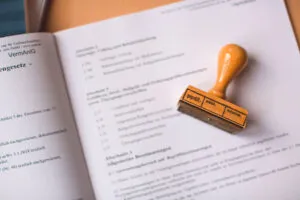
In 2025 the State Commission for Public Procurement Appeals received 1,535 complaints. That is a jump of more than 50 percent on previous years - in 2024 and 2023 it handled around a thousand cases, and in 2022 there were 837. In its own annual report, the Commission calls this percentage „incredible” and admits it has no concrete explanation for it.
No concrete explanation, but a culprit all the same. Lawyers, says the Commission, are „fishing in murky water”.
The „professional complainants”
According to the report, the rise is down to entities filing complaints about tender documentation with no real intention of taking part in the procedure. The aim, the Commission claims, is to collect legal representation costs if the complaint is upheld. The Commission also believes the fee for filing a complaint - between 50 and 200 euros, depending on the estimated value of the tender - is too low and should be raised.
The assumption is clear: too many people are complaining, and doing it for profit. The suggested solution is just as clear: make complaining more expensive.
The number that demolishes the story
Of the 1,535 complaints filed, 637 were upheld. Decided in the complainant's favour. Which means that in almost one in three cases, the company that complained was right.
Of 1,405 resolved cases, 637 were upheld, 475 rejected and 151 dismissed. If this were purely about lawyers fishing in murky water, the success rate would be marginal. A rate of around 45 percent upheld complaints among resolved cases does not say the companies are chancers. It says the tenders often really were not run properly.
That is the other, less comfortable half of the same statistic - and it did not make it into the report's conclusion.
What is deliberately missing
In its latest annual report, the Commission does not publish which state bodies attracted the most complaints in the conduct of public procurement.
This is data the Commission already holds. It does not require a new investigation, a new methodology or extra budget - you simply count it. Instead, what was published was an analysis of lawyers' motives.
So we know there are professional complainants. We do not know which institution loses complaints most often. One name is absent, the other is named by nickname.
Who ends up paying the bill
Each of these 1,535 cases means a halted or delayed procurement - computers, vehicles, medical equipment, construction work. Every delay is a cost that comes out of the same budget that funds the tender.
If the complaint fee is raised as the Commission proposes, fewer companies will complain. Among them will be some of the 637 that were right. That is not called reducing abuse - that is called making the right to object more expensive.
The latest 10 news from this category
Formetanate above the permitted level, the third European alert in three years. The question none of our authorities will raise:...
Excise duty is a domestic decision, taken in Skopje, not in Rotterdam. Neither the opposition nor the government published any...
Labour is getting more expensive, buy-up prices are down 5.5 percent, input costs up 4.1. In that arithmetic a good...

Brussels fined it 500 million euros, Apple offered a scheme critics called malicious compliance. This is the third attempt in...

In December it was worth 5 billion, in July 10.3, now 21. The product is the same as it was...

For three and a half years the product ran with no protection for minors. It did not change after a...
325 denars more for a tank of diesel. On 10 August the energy regulator cut prices; on 17 August it...
Formetanate above the permitted level, the third such alert in the European system since 2023. The question is not who...

Over 50 outbreak sites, 40 families with no income, dead animals lying in yards for weeks. Farmers want vaccination now;...
Three million tonnes over three years, a fixed price, 57 million euros of projected revenue. Except the requirement is 1.4...
This site uses cookies - is that okay? Learn more
Be the first to know when Metla launches something new
Leave your email and we will write when there is a new guide or something new on Metla.