
Eight Tonnes of Marijuana Crossed the Border in a Year: the Weight Difference Was Measured, the Chain Ran for Months
19.08.2026


19.08.2026
19.08.2026
19.08.2026
19.08.2026
19.08.2026
19.08.2026
19.08.2026
18.08.2026
18.08.2026
19.08.2026

19.08.2026

18.08.2026

19.08.2026

19.08.2026

19.08.2026

19.08.2026

18.08.2026

17.08.2026

19.08.2026

19.08.2026

19.08.2026

19.08.2026
18.08.2026

17.08.2026

09.03.2026

27.02.2026

19.02.2026
19.08.2026
18.08.2026
18.08.2026

23.04.2026

23.04.2026

12.04.2026
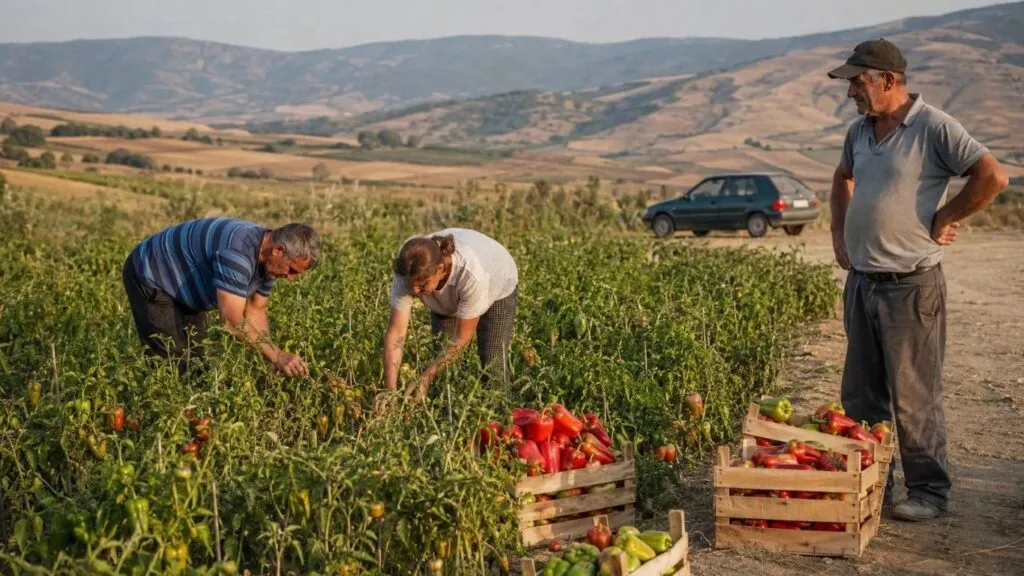
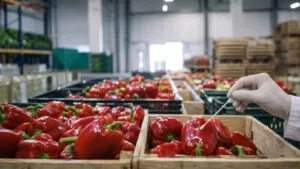
Three and a half hectares of peppers and two and a half hectares of tomatoes. The entire harvest, for 2,500 euros. That is an advert from a farmer in Kukliš - it works out at around ten denars a kilogram, three to four times cheaper than at the market. With one condition: the buyer picks it themselves.
This is not a marketing innovation. It is not a „farm to table” concept imported from Western Europe either. It is what is left when the crop is good and there is no buyer.
The sums that do not add up
A seasonal worker costs 300 to 400 denars an hour. The president of the National Agricultural Network, Ǵorǵi Karakašev, points out that the new rules on compulsory insurance for seasonal workers add further cost. At the same time, according to statistical data, agricultural buy-up prices in July are 5.5 percent lower than last year, while input costs are 4.1 percent higher.
Put those three numbers side by side. Labour is getting more expensive. What you sell is getting cheaper. What you produce with is getting dearer. In that arithmetic a good harvest is not good news - it is a cost that grows with every kilogram left standing in the field.
Karakašev adds another figure that rarely enters the subsidy debate: young people show no interest in farming. What is left in the fields are older people, with less physical capacity.
Why the pepper in the shop does not get cheaper
Here is the part that torments every household. If the farmer sells at ten denars, why do you pay several times more at the supermarket?
The difference is taken by intermediaries and the chain between the field and the shelf. Direct sales let the producer skip part of that chain and keep a bigger share of the final price. But the whole logistics burden comes with it - finding buyers himself, arranging transport himself, reaching the consumer on time himself. With seasonal produce that is a race against the clock, because fruit and vegetables do not wait for a better market.
What farmers have been asking for, for years
The demands are not new and they are not complicated: organised distribution, more reliable buy-up channels, better links between producers and end buyers. The Agriculture Ministry has previously announced direct links between producers and supermarkets precisely in order to shorten the chain.
The announcement exists. So does the „come and pick it yourself” advert. One is a plan, the other is August 2026.
What is missing is not new state aid in denars - it is digital local markets, storage capacity, processing and cooperatives. In other words, infrastructure that lets the crop wait. Until it exists, the farmer has only two options: sell at a price that does not cover his costs, or watch the produce rot.
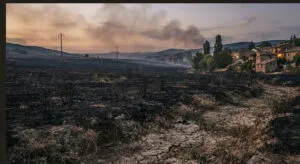
This year, some of them chose a third - leave the field open and wait to see who turns up.
The latest 10 news from this category
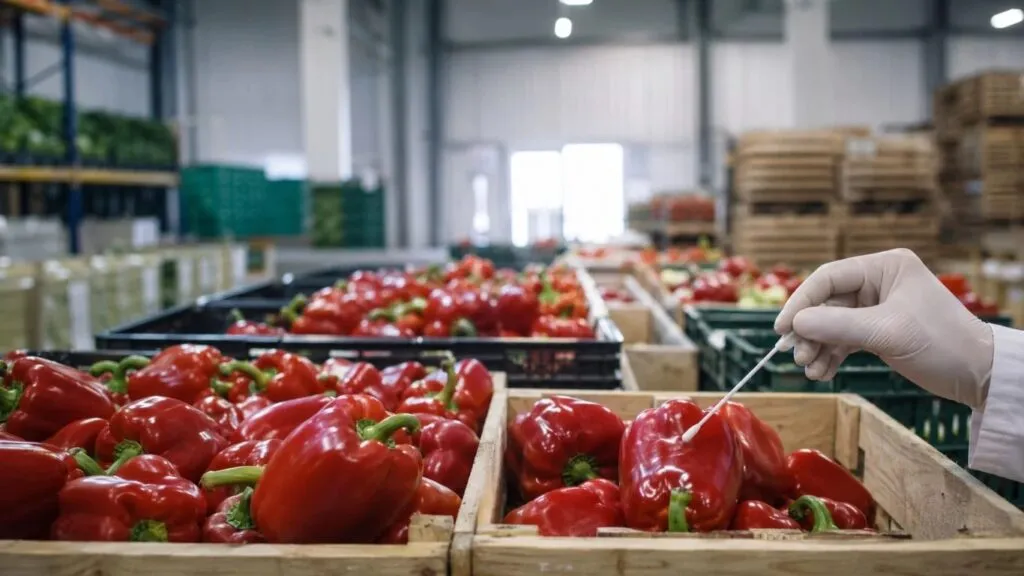
Formetanate above the permitted level, the third European alert in three years. The question none of our authorities will raise:...
A jump of more than 50 percent in a year. The Commission says lawyers are „fishing in murky water” -...
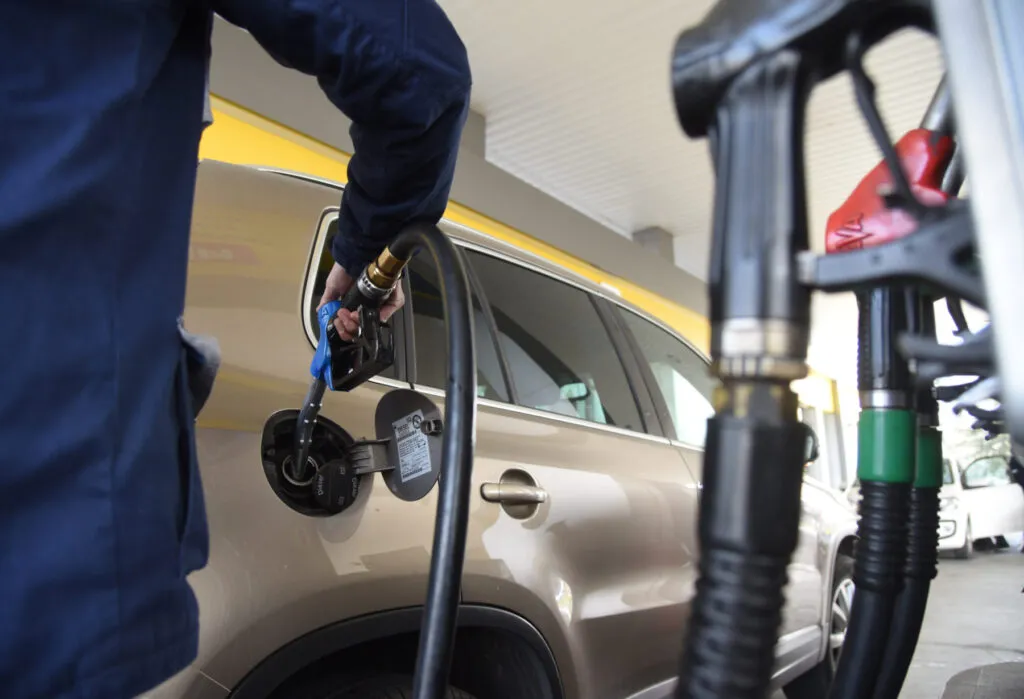
Excise duty is a domestic decision, taken in Skopje, not in Rotterdam. Neither the opposition nor the government published any...

Brussels fined it 500 million euros, Apple offered a scheme critics called malicious compliance. This is the third attempt in...

In December it was worth 5 billion, in July 10.3, now 21. The product is the same as it was...

For three and a half years the product ran with no protection for minors. It did not change after a...
325 denars more for a tank of diesel. On 10 August the energy regulator cut prices; on 17 August it...
Formetanate above the permitted level, the third such alert in the European system since 2023. The question is not who...
Over 50 outbreak sites, 40 families with no income, dead animals lying in yards for weeks. Farmers want vaccination now;...
Three million tonnes over three years, a fixed price, 57 million euros of projected revenue. Except the requirement is 1.4...
This site uses cookies - is that okay? Learn more
Be the first to know when Metla launches something new
Leave your email and we will write when there is a new guide or something new on Metla.