

Eight Tonnes of Marijuana Crossed the Border in a Year: the Weight Difference Was Measured, the Chain Ran for Months
19.08.2026


19.08.2026

19.08.2026

19.08.2026

19.08.2026
19.08.2026

19.08.2026

19.08.2026
18.08.2026

18.08.2026

19.08.2026

19.08.2026

18.08.2026

19.08.2026

19.08.2026

19.08.2026

19.08.2026

18.08.2026

17.08.2026

19.08.2026

19.08.2026

19.08.2026

19.08.2026
18.08.2026

17.08.2026

09.03.2026

27.02.2026

19.02.2026

19.08.2026

18.08.2026

18.08.2026

23.04.2026

23.04.2026

12.04.2026
Apple is changing the rules for the European Union for the third time since Brussels demonstrated that the law applies to it too. This week the company announced a simplified commission structure: instead of the per-install fee developers paid for every download, there is now a flat commission of 5 percent on digital products in apps distributed outside the App Store or via the web.
Step back and you see why this announcement exists at all. Last year the European Commission fined Apple 500 million euros for failing to comply with the Digital Markets Act and warned of further penalties if nothing changed. Apple then offered a new fee scheme - so convoluted that critics gave it a name: „malicious compliance”. A fee for first user acquisition, a store services fee, different service tiers according to the developer's needs. Formally compliant, practically impassable.
Now the numbers look like this. The in-app purchase commission falls to 26 percent instead of the usual 30. Most developers will continue paying a reduced 15 percent through the small business, mini-app and video partner programmes, as well as for auto-renewing subscriptions after the first year. Anyone using a third-party payment system pays 20 percent - or 10 if they are in one of those programmes.
There is also a condition rarely mentioned in the headlines: the developer is locked into the chosen payment model for twelve months. Choose external payments once and there is no going back until the year is out. For a company with three employees, that is not a technical detail - that is the budget.
The most concrete change concerns alternative app stores. Until now, to open your own you had either to demonstrate serious financial backing, or to have been in the developer programme for at least two years with an app exceeding a million installations in the Union over the previous year. Those thresholds are no longer mandatory. It is enough to be a public company, to pass a financial audit or to hold capital from investors. The bar dropped, but it did not disappear.
Apple has also introduced protective restrictions: external links are banned in apps in the children's category, and users under eighteen will need parental permission for purchases outside the App Store.
The question that remains is who is actually winning this battle. Brussels pushed, Apple gave ground - three times in two years, each time after a fine or the threat of one. That is the model. The regulator writes the rule, the company calculates what non-compliance costs, and then moves exactly as far as it must. And Macedonia is not in the Union, which means these percentages do not apply here. Developers from the region selling into the European market use the new rules; everybody else watches something being decided that they have no vote in.
The latest 10 news from this category
For three and a half years the product ran with no protection for minors. It did not change after a...

Apple sent warnings to 110 countries, and researchers say they have never seen numbers like these. One of those targeted...

No acquisition, no technology taken over, no service continued. Google is taking only the people, and the paying customers get...

An investor told the Anthropic chief executive to be a „more positive advocate” for his industry. The answer was sharper...

Eleven people in Paris claim the GPUs companies already own are running far below capacity. They set the deadline for...

Amazon, Google, Meta and Microsoft are building gas plants of several gigawatts each. Analysts reckon the price of gas will...

Pony.ai provides the technology, Uber provides the users, and a local partner gets the maintenance, cleaning and charging. Four European...
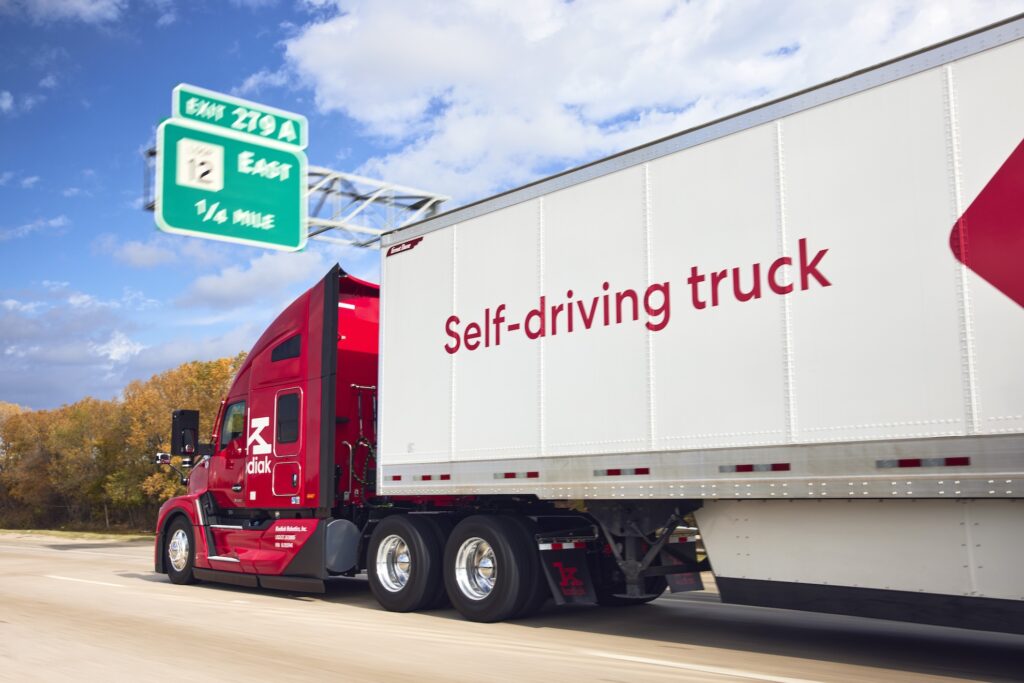
The ban on autonomous trucks over 4,500 kilograms fell in April, and Aurora and Kodiak got permits immediately. The lawsuit...
The company tried to delay answering until the Supreme Court ruled on something else. It failed - and only then...
The codebase is fifteen times larger than before, and users get a file with the labels attached to their profile....
This site uses cookies - is that okay? Learn more
Be the first to know when Metla launches something new
Leave your email and we will write when there is a new guide or something new on Metla.