
Five Tonnes of Cannabis Straight Through Customs: A Medical Licence as Cover, at Least Five Runs
18.08.2026


18.08.2026

18.08.2026
18.08.2026

18.08.2026

18.08.2026

18.08.2026

18.08.2026

17.08.2026

16.08.2026
18.08.2026
18.08.2026
17.08.2026

18.08.2026

18.08.2026

18.08.2026

18.08.2026

17.08.2026

16.08.2026

18.08.2026

18.08.2026

18.08.2026

18.08.2026
17.08.2026
17.08.2026

09.03.2026

27.02.2026

19.02.2026

18.08.2026

17.08.2026

16.08.2026

23.04.2026

23.04.2026

12.04.2026
For decades we have been told that longevity is the sum of three things: food, movement, sleep. Now a fourth is entering that equation in earnest - who you talk to. A meta-analysis published in PLOS Medicine, pooling 148 studies and over 300,000 participants, found that people with stronger social ties had roughly 50 percent better odds of survival over the periods followed, compared with those with weaker ties. The size of that effect was comparable to the classic health factors.
„A human being is a social creature by nature. We need a relationship with another not only to feel good but, in an entirely literal sense, to survive”, says Dr Lucia Torres Jimenez, psychiatrist and medical director of the Tranquilamente centre. She points out that a newborn could not stay alive without the constant presence of another person to feed it, protect it and regulate its states.
A second set of figures is sharper still. A more recent review in Nature Human Behaviour, based on 90 cohort studies, found that social isolation is associated with a 32 percent increase in all-cause mortality risk, while felt loneliness carries a 14 percent increase. The difference between those two numbers is crucial and easily missed: isolation is a fact, loneliness is a feeling, and the fact hurts more.
That is precisely why the psychiatrist insists on a distinction we systematically blur: living alone is not the same as feeling alone. „A person can live alone and not feel lonely, or be surrounded by people and experience deep loneliness”, she says. Anyone who has sat at a family table full of people knows the second one.
The question everyone asks is whether a wide circle is better than a few close people. Torres Jimenez's answer is that the choice is framed wrongly. We need people in front of whom we can be vulnerable and ask for help, but also lighter ties - colleagues, neighbours, people we share a hobby with. „Not all relationships need to have the same intimacy or be governed by the same code”, she explains. A study published in Proceedings of the National Academy of Sciences, drawing on data from over 50,000 people, found that the variety of the people you talk to is associated with greater wellbeing - not the number of contacts, but their diversity.
And here comes the sentence worth sticking on the fridge: „A partner cannot simultaneously be lover, best friend, therapist, family and sole source of entertainment.” The same applies in the other direction - a child should not become a parent's main emotional support. Around here the second one is practically a tradition, and nobody calls it a problem.
It is worth being precise about what these studies can and cannot say. They are all observational - they show association, they do not prove cause. But the repeatability of the result across hundreds of studies is what makes it serious. The psychiatrist explains the mechanism this way: the other person protects us not only by giving advice or accompanying us to the doctor, but because when we feel we belong, the world seems less threatening.
The practical part is disappointingly simple, and that is exactly why nobody does it. Rituals: a weekly phone call, lunch once a month, getting back in touch with someone who mattered to you. Relationships rarely collapse from one big clash - they collapse from a series of small absences. Technology helps but does not replace: a message keeps a connection alive, it does not give you the chance to hear a voice, see the gestures and allow a silence.
„A healthy relationship is not one where we never get frustrated, but one that can survive difference, boundaries and repair”, says Torres Jimenez. The conclusion she closes with is not that we should be constantly surrounded by people, but that we should know there are people we can go to, people who can come to us, and spaces where we feel our life has a place and a value.
The latest 10 news from this category
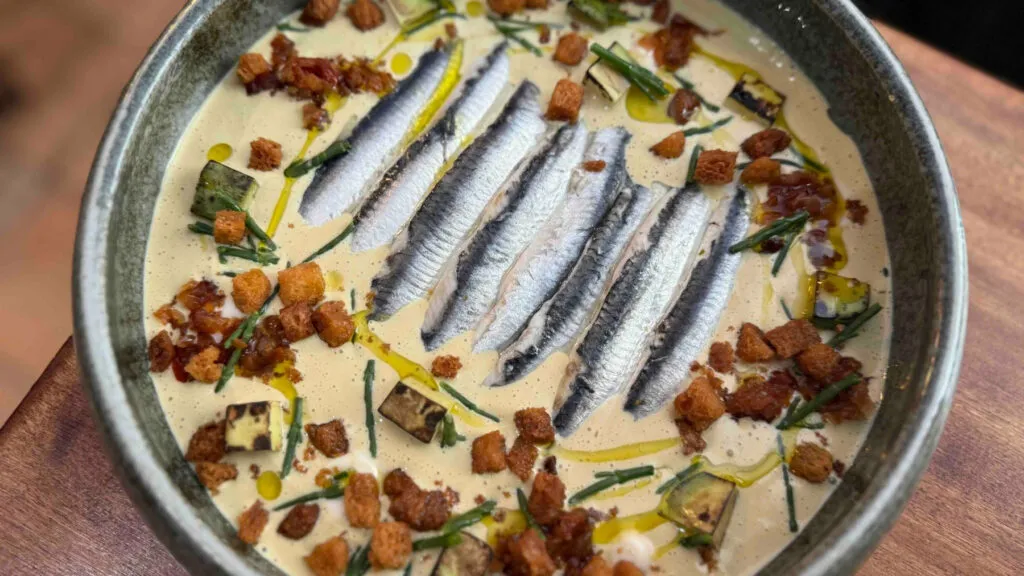
A Madrid chef adds a Peruvian sauce to a dish every Mediterranean coast has its own version of. The full...
Her rule is to eat half of whatever she is served. On needles and Ozempic she has exactly one sentence...
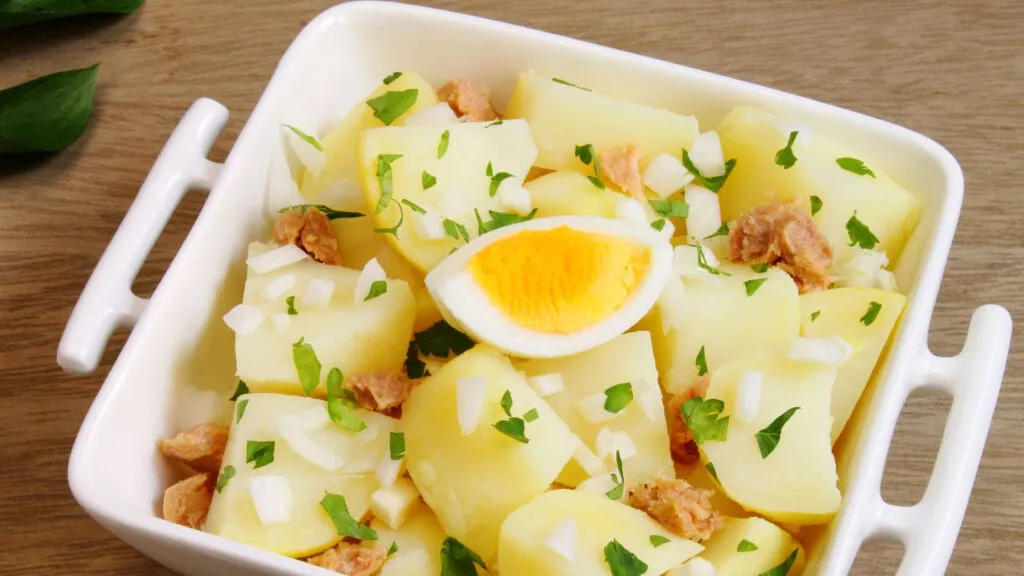
A dish with nowhere to hide - boiled potato, egg, onion, parsley, vinegar and oil. The entire difference between good...
Ten thousand steps is a marketing figure from a Japanese advert. The number with research behind it is higher, and...
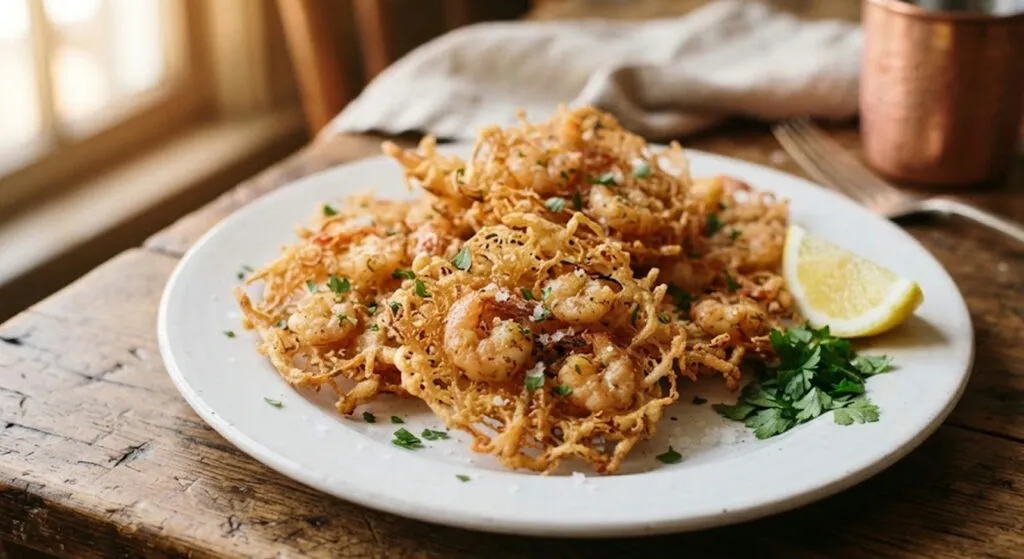
No egg, no thick batter. The result is either a transparent lace or an oil-soaked fritter - and there is...
The comment is ready before the sentence ends - midlife crisis, vanity, running from the mirror. Lara Ferreiro argues that...
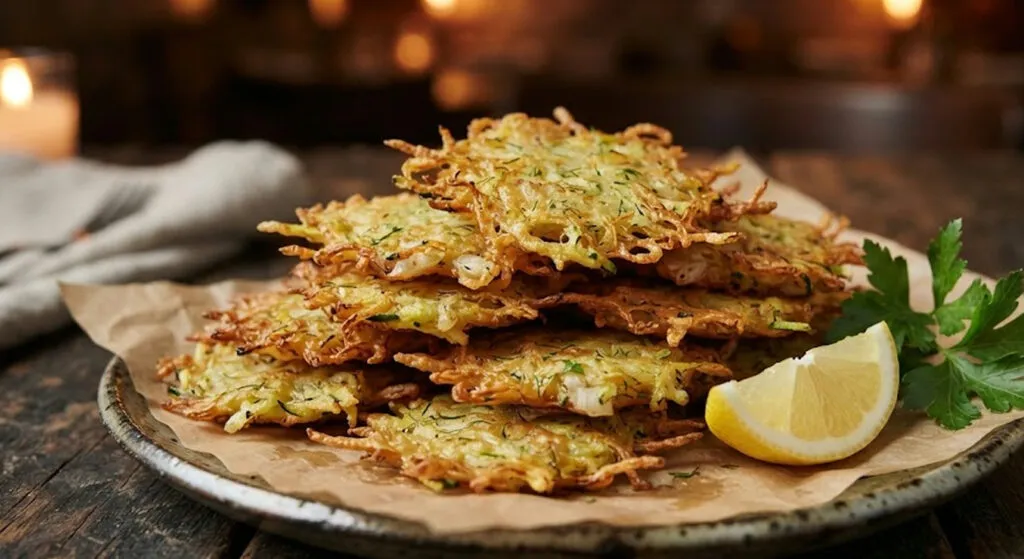
Flour, water and shrimp - five ingredients that cost next to nothing. The whole difference is one decision about the...

A Barcelona footballer spends a minute in ice water every morning. Neuroscience says the reward comes from the effort, not...
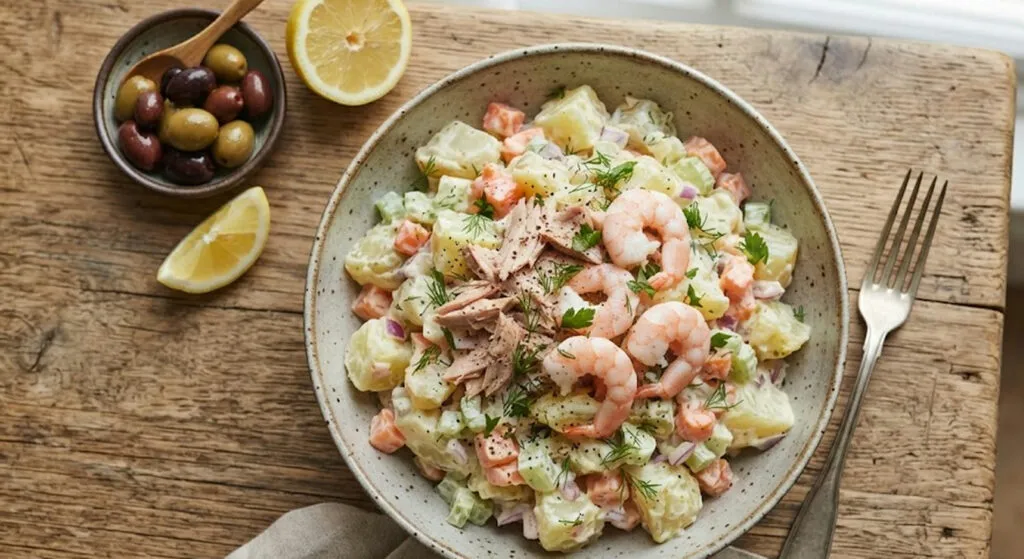
A Spanish chef puts the prawn shells back in the water and boils everything else in it. The cheapest part...
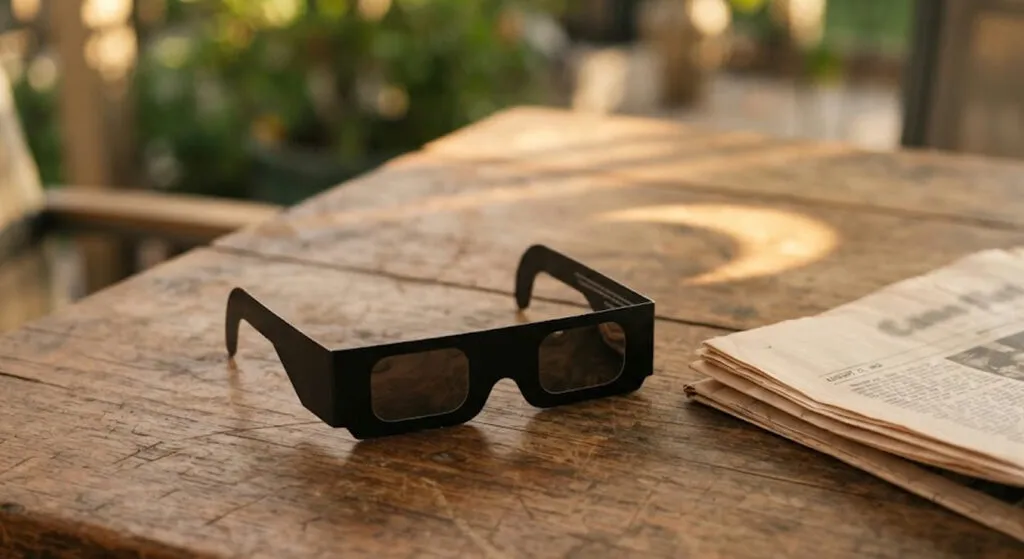
When the Moon covers the Sun, the pupils widen and more radiation gets in. Exactly when it looks safest, the...
This site uses cookies - is that okay? Learn more
Be the first to know when Metla launches something new
Leave your email and we will write when there is a new guide or something new on Metla.