
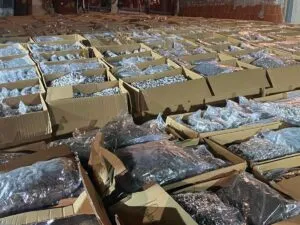
Eight Tonnes of Marijuana Crossed the Border in a Year: the Weight Difference Was Measured, the Chain Ran for Months
19.08.2026


19.08.2026

19.08.2026

19.08.2026

19.08.2026
19.08.2026

19.08.2026

19.08.2026
18.08.2026

18.08.2026
19.08.2026
19.08.2026

18.08.2026

19.08.2026

19.08.2026

19.08.2026
19.08.2026

18.08.2026

17.08.2026

19.08.2026

19.08.2026

19.08.2026

19.08.2026
18.08.2026
17.08.2026

09.03.2026

27.02.2026

19.02.2026
19.08.2026

18.08.2026

18.08.2026

23.04.2026

23.04.2026

12.04.2026
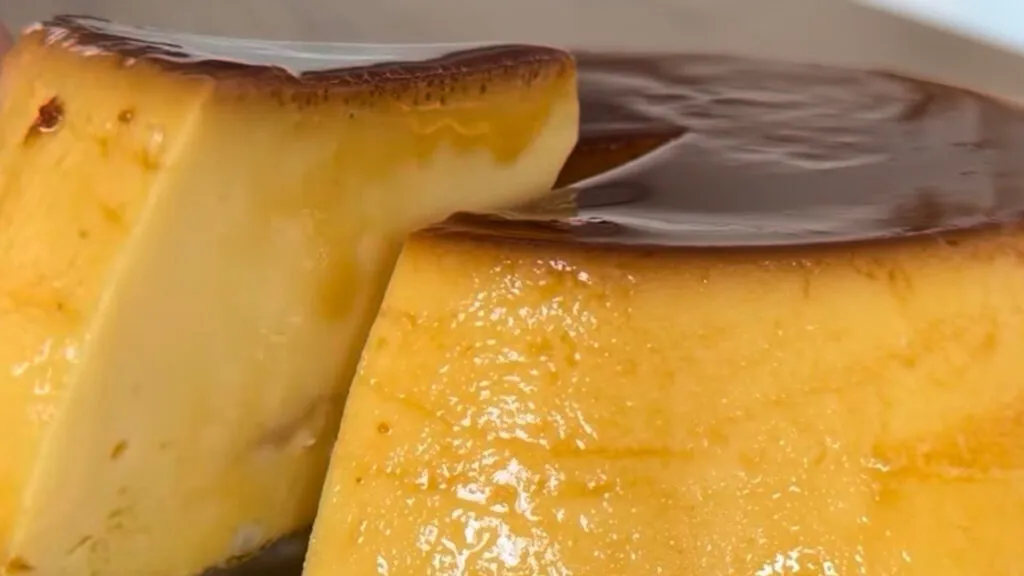
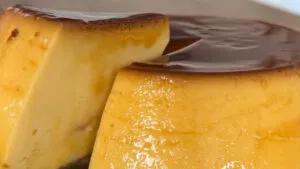
Egg flan is a dessert with nowhere to hide. Six ingredients, none of them expensive, none of them exotic. Everything that can go wrong goes wrong in the technique, not in the shopping list. Which is why the recipe from Saúl Craviotto, the Olympic canoeist and cookery show winner, is worth reading to the end - he adds nothing, he simply does not rush.
The ingredients are six eggs, half a litre of whole milk, two hundred grams of sugar, one cinnamon stick, the zest of one lemon, plus forty grams of sugar with two tablespoons of water for the caramel. That is all.
The first step is the one most people skip. The milk is heated with the lemon zest and cinnamon until it boils, then taken off the heat and cooled completely. Not lukewarm. Completely. If hot milk is poured over the eggs, you get scrambled eggs that smell of cinnamon, and there is no going back.
The eggs and the two hundred grams of sugar are mixed without vigorous whisking. Air bubbles are not wanted - they later make the texture full of holes. The cooled milk is strained to remove the cinnamon and zest, added to the eggs, and then stirred by hand until the mixture is uniform.
The caramel is made separately: forty grams of sugar with two tablespoons of water in a non-stick pan, taken to a dark amber colour. It goes straight into the mould, which is then swirled to coat both the base and the sides. Here you are working in seconds - caramel left half a minute longer than needed turns bitter.
The mixture goes into the mould, the mould goes into a dish of water, and all of it into the oven at a hundred and sixty degrees for forty-five to fifty minutes. The water bath is not decoration and not an old habit - it is the only reason the flan bakes evenly instead of setting on the outside while the middle is still liquid. You check with a toothpick: if it comes out clean, it is done.
And the last part, the one that makes half of all people give up: the flan must cool completely, then rest in the fridge, and only then be turned out. With one decisive movement, not with hesitation. A warm flan turned out falls apart, and no amount of skill saves it. That willingness to wait is the entire difference between a homemade dessert and a dessert that looks like somebody who knows what they are doing made it.
The latest 10 news from this category
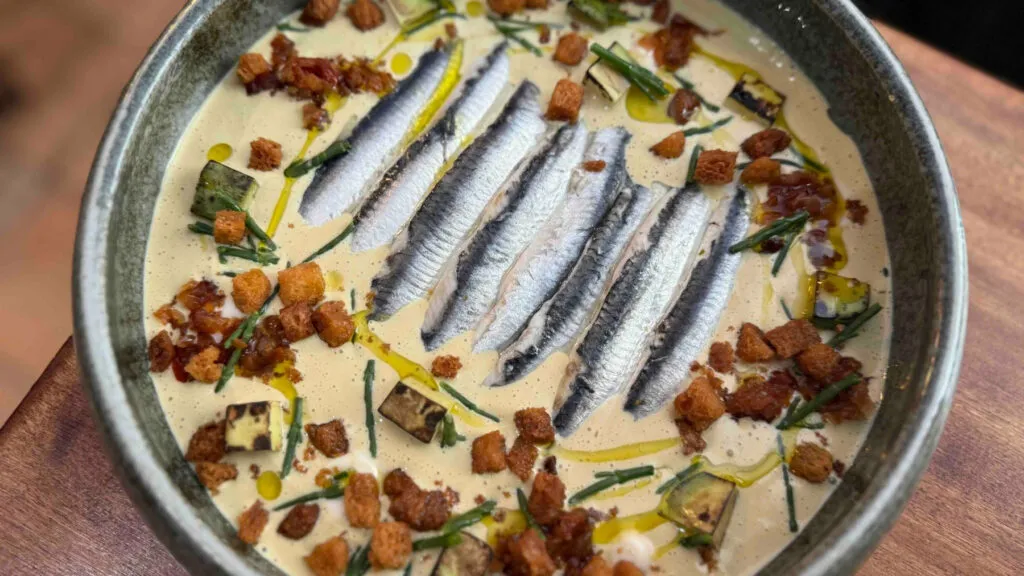
A Madrid chef adds a Peruvian sauce to a dish every Mediterranean coast has its own version of. The full...
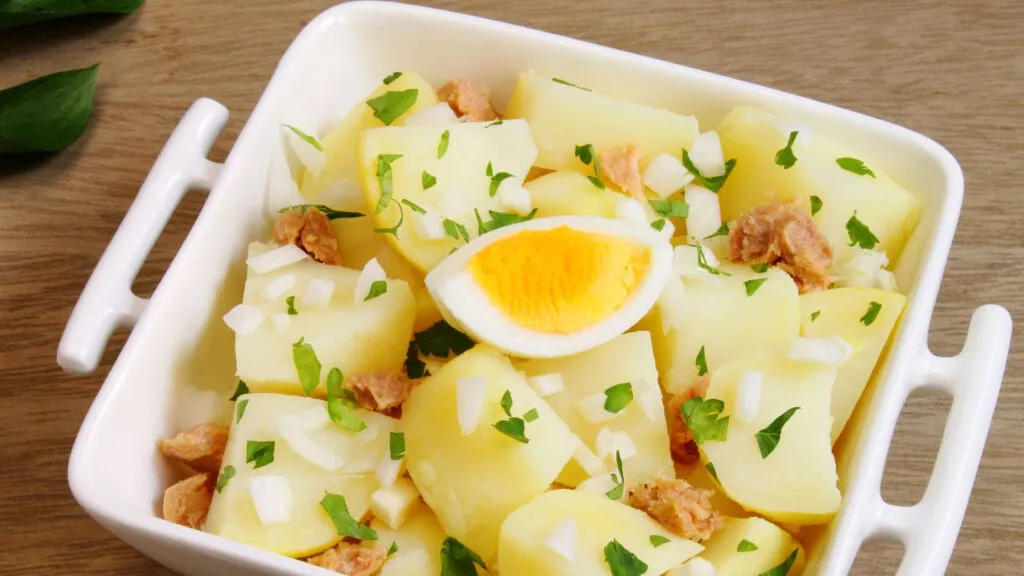
A dish with nowhere to hide - boiled potato, egg, onion, parsley, vinegar and oil. The entire difference between good...
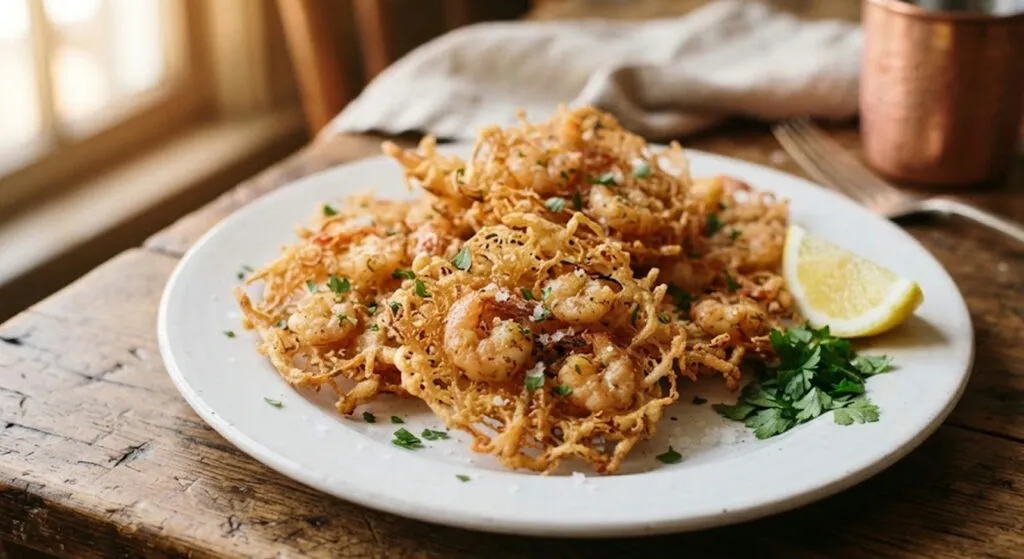
No egg, no thick batter. The result is either a transparent lace or an oil-soaked fritter - and there is...
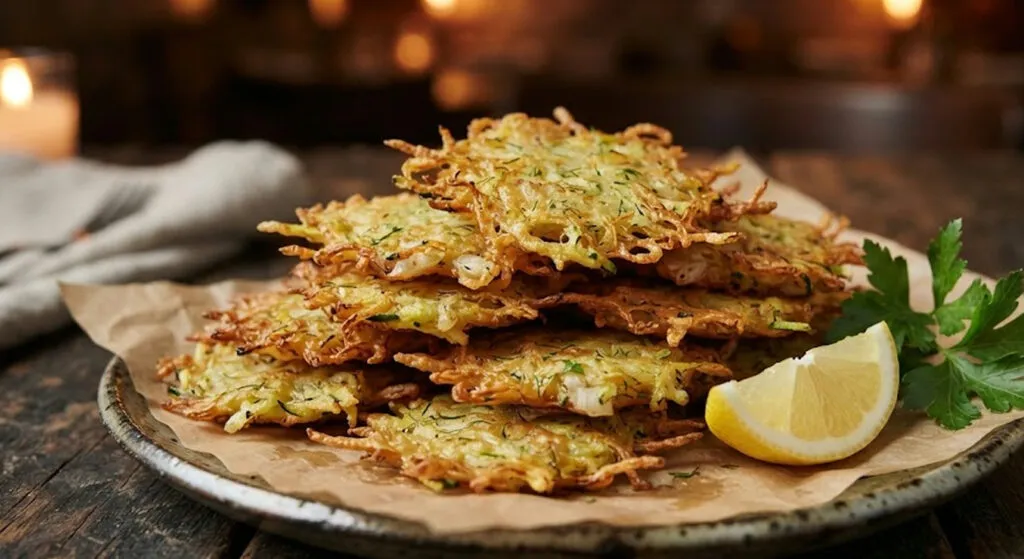
Flour, water and shrimp - five ingredients that cost next to nothing. The whole difference is one decision about the...
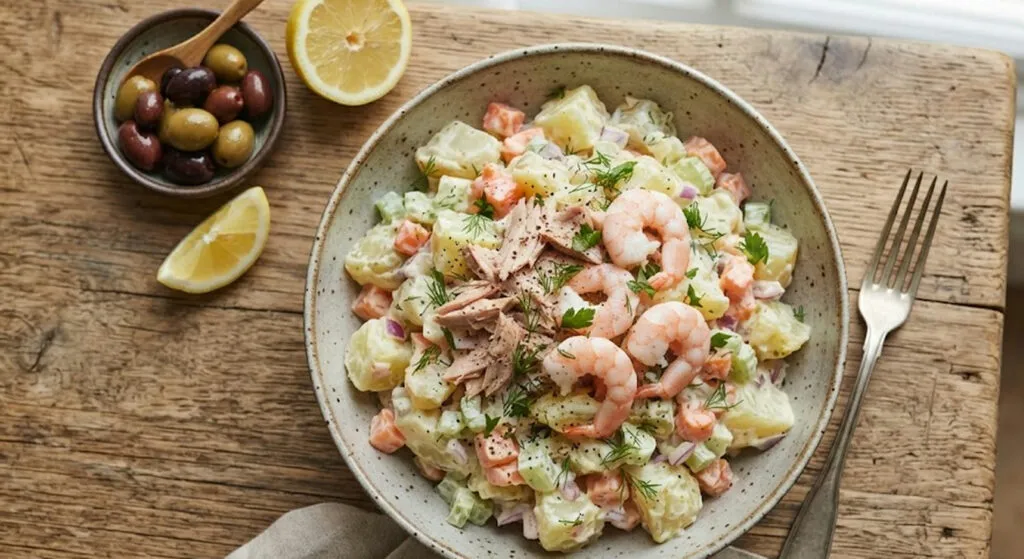
A Spanish chef puts the prawn shells back in the water and boils everything else in it. The cheapest part...
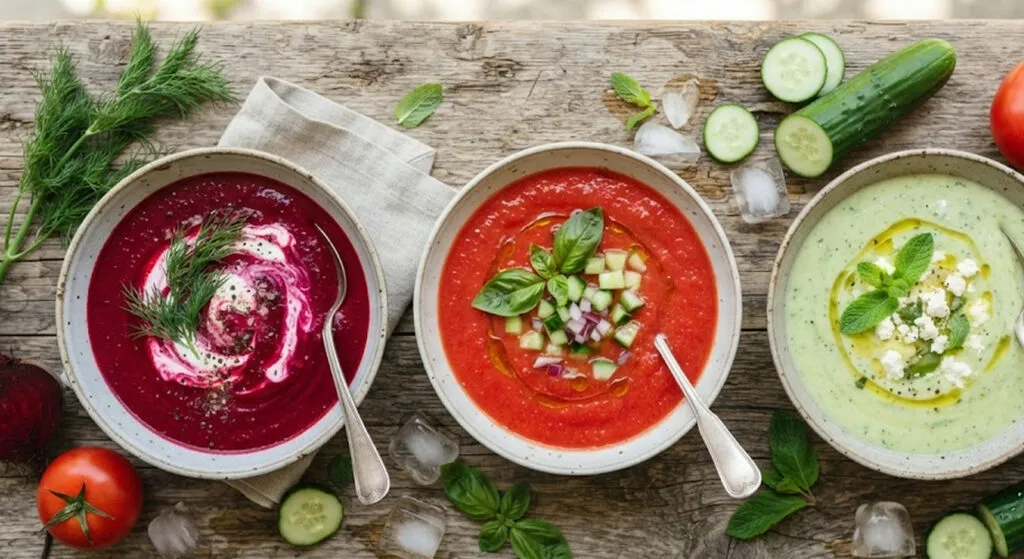
Minerals improve absorption, fibre releases the water gradually. A juicer removes it - and with it a large part of...
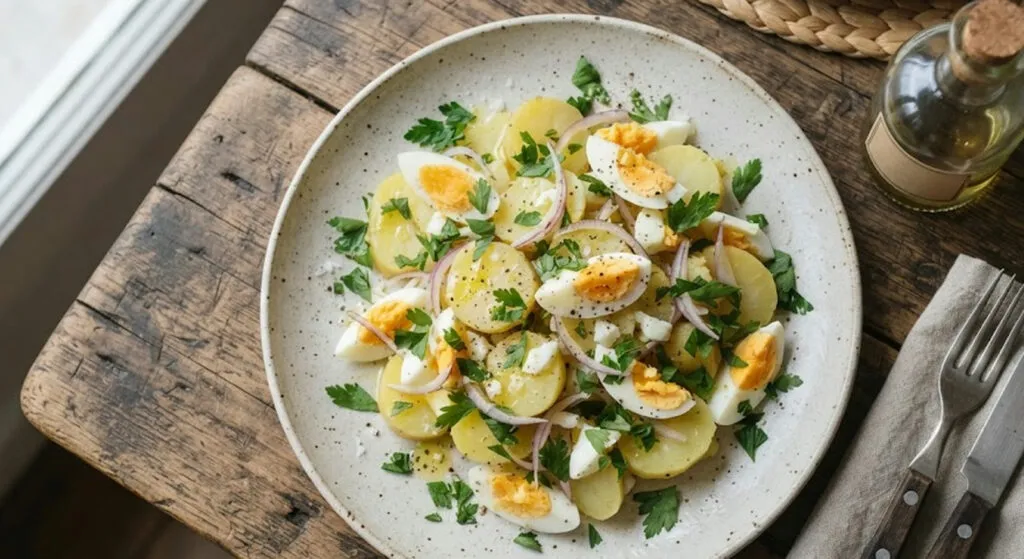
Warm potato absorbs the liquid, cold potato just carries it on the surface. When there is no sauce to hide...
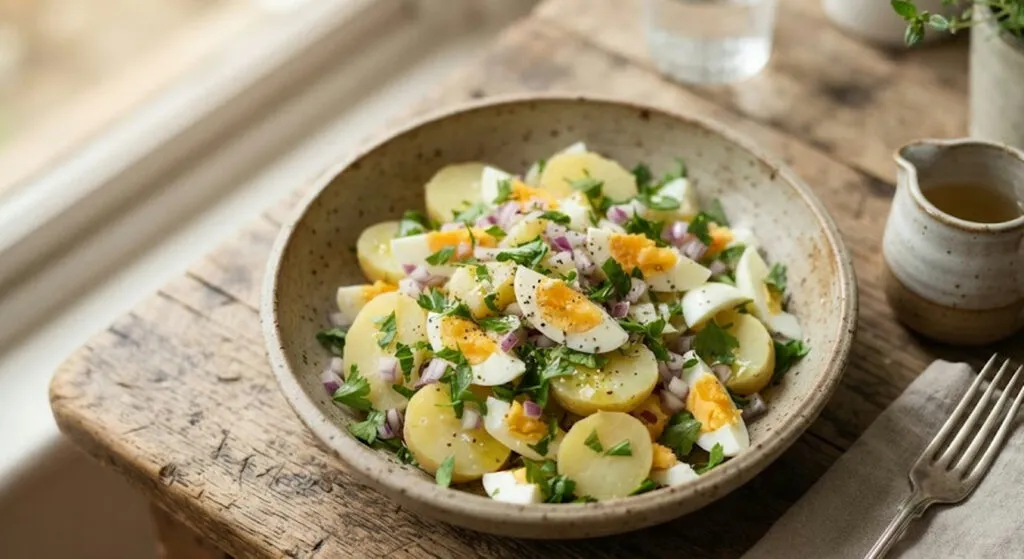
Warm potatoes, not cold. Whoever told you the salad should be chilled in the fridge first sent you in the...
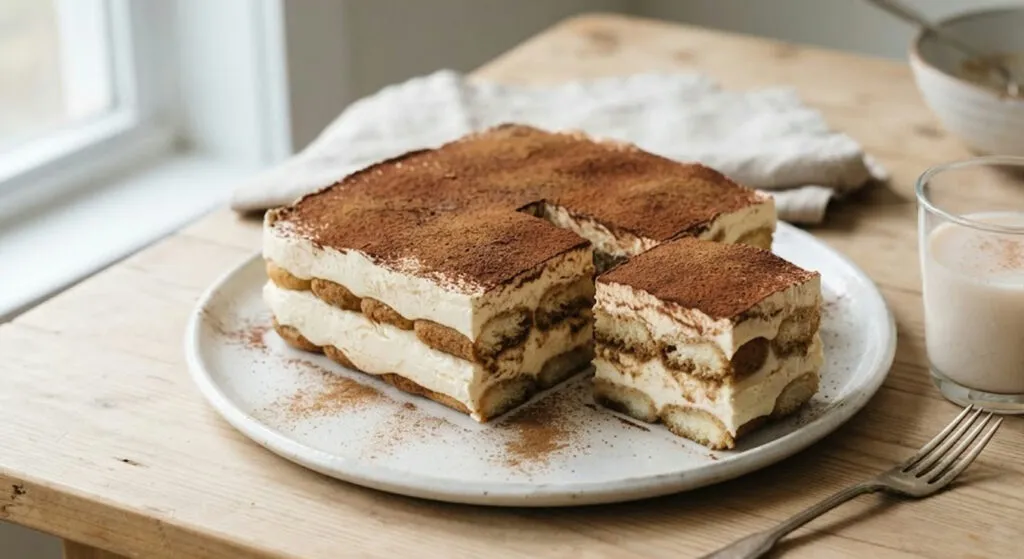
The story about the king who exclaimed „this is gold” is invented, but tiger nut really does contain neither gluten...
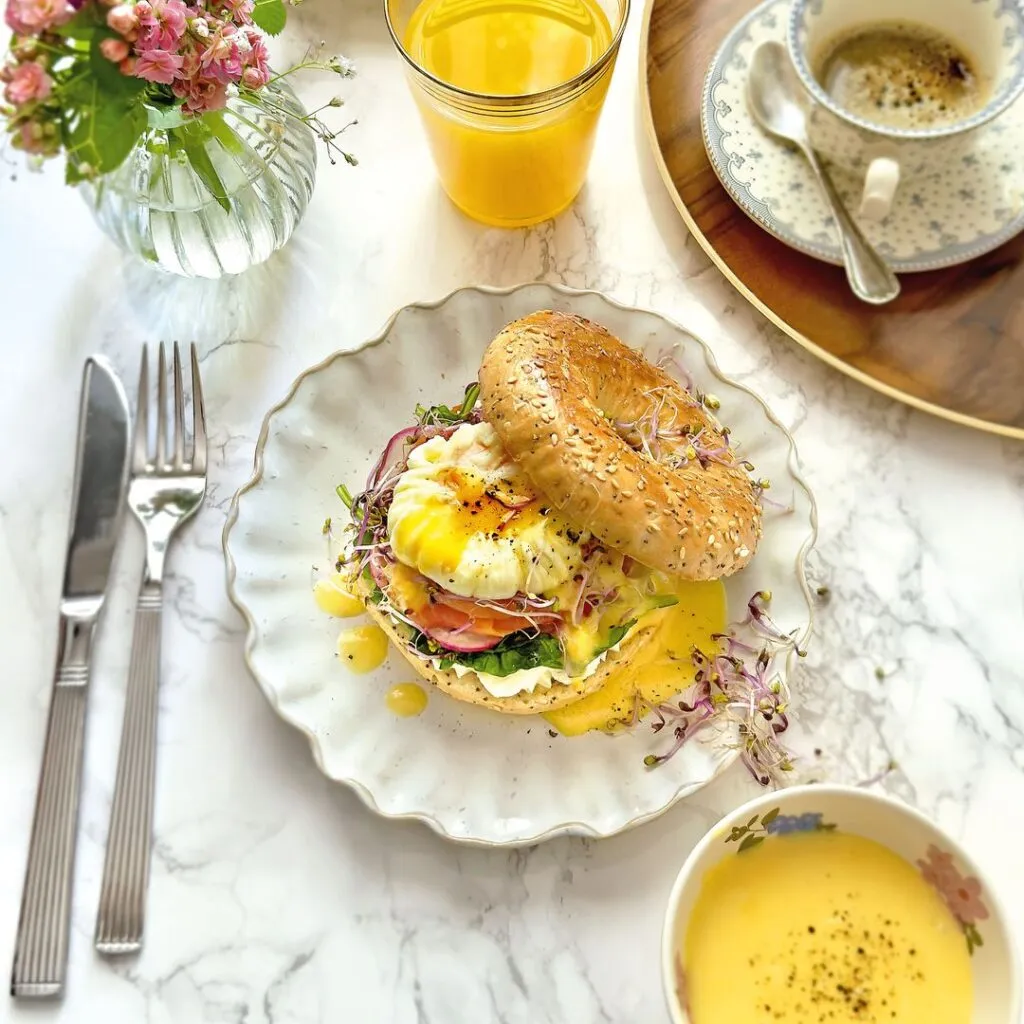
None of the three requires mastery, but all three fail in the same place. Full measures, timings, and the trick...
This site uses cookies - is that okay? Learn more
Be the first to know when Metla launches something new
Leave your email and we will write when there is a new guide or something new on Metla.