
Three of Four Sensors Were Dead: Skopje's Vodno Cable Car Ran Fifteen Years Without a Real Service
17.09.2026


17.09.2026

17.09.2026

17.09.2026

17.09.2026

17.09.2026

17.09.2026

17.09.2026

16.09.2026

15.09.2026

17.09.2026
17.09.2026
16.09.2026

17.09.2026
17.09.2026

17.09.2026

17.09.2026

16.09.2026

15.09.2026

17.09.2026

17.09.2026

17.09.2026

17.09.2026

17.09.2026

17.09.2026

09.03.2026

27.02.2026

19.02.2026

23.04.2026

23.04.2026

12.04.2026

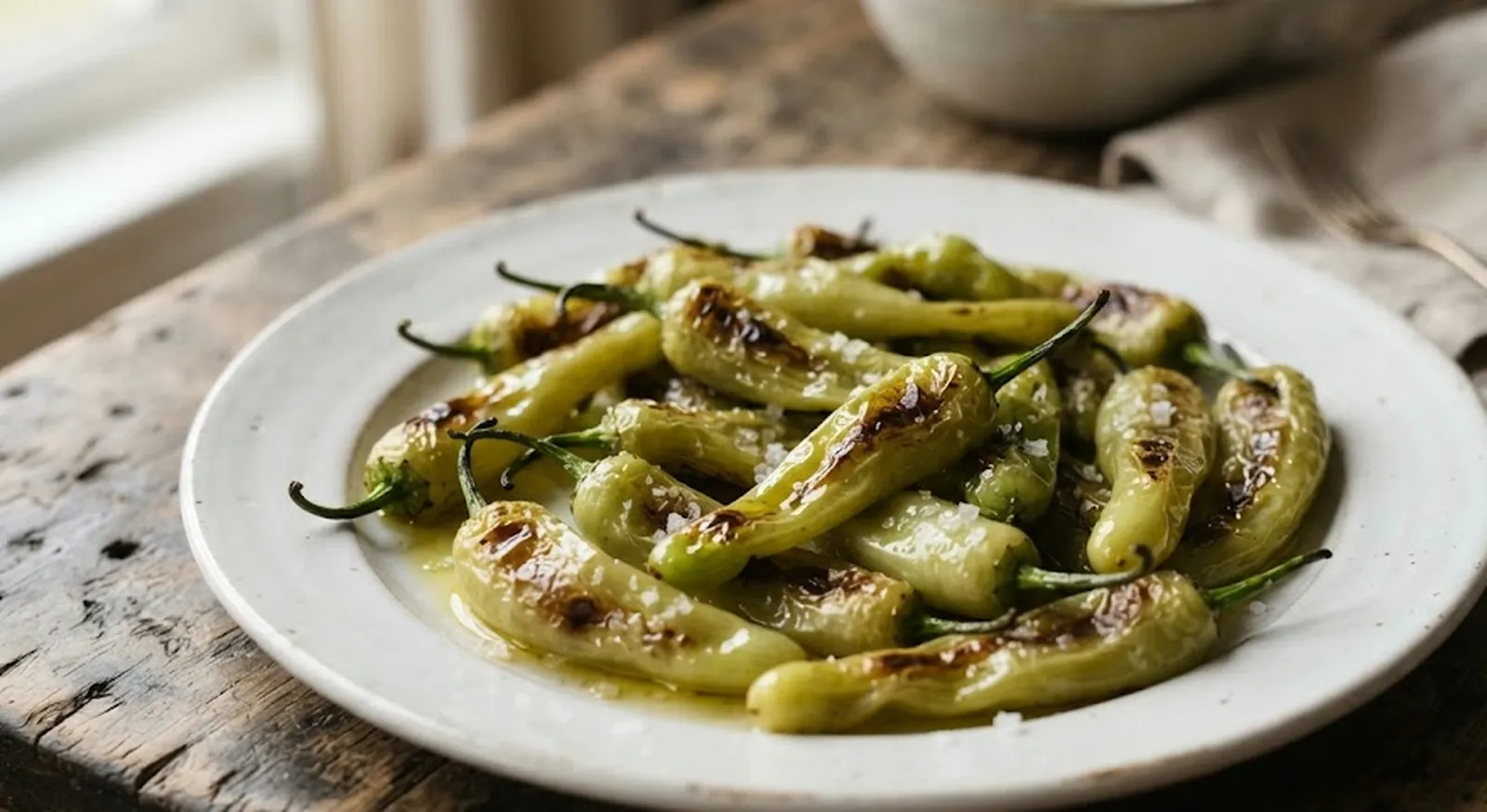
In the Basque Country they have for decades called one pepper the „garden prawn”. It has nothing to do with the sea. The name came about because when their season arrives they disappear off the plate at the same speed as actual prawns - and the elongated shape helps the comparison.
The pepper is called pipara and is a variety of hot pepper (Capsicum annuum L.) with a very thin skin, an elongated shape and, contrary to expectations, almost no heat at all. Vegetal notes and a light sweetness dominate. Occasionally you find a sharper one, but nothing near what we understand by a hot pepper.
Not every pipara is what you are paying for
Here is the part worth knowing before you pay. Every „Guindilla de Ibarra” is a pipara, but not every pipara is a „Guindilla de Ibarra”. The protected one has its own mark - Eusko Label - and a set of rules prescribing origin, variety, growing method and the appearance of the product.
The rulebook goes down to the centimetre: the edible part must be between 5 and 12 centimetres long, the skin very thin, the texture soft, the colour yellow-green. If you are buying pickled ones and you want that quality, the mark has to be clearly on the label. Everything else is a pipara - which is not bad, but it is not what the higher price is for.
Fresh and pickled are two different products
From the same fruit, but they are not interchangeable. The fresh one has a soft texture and a delicate vegetal taste, and is served whole, fried. The pickled one takes its acidity from vinegar and works as a snack, in salads, with beans, or in the best-known Basque bite - the gilda, where it meets an anchovy and an olive.
So a recipe calling for fried piparas needs fresh ones. And a gilda with a fresh pipara makes no sense.
How to fry them so they do not fall apart
The process is short, but one step decides the whole thing. After washing, the peppers must be thoroughly dried with paper - otherwise the oil spits. Then they are fried whole in a pan with plenty of first-press olive oil, for a few minutes, stirring so they fry evenly.
They are done when the skin starts to wrinkle slightly and small golden patches appear, while the texture stays soft. Drain them on paper and salt them right before serving. You eat them holding the stem.
The most common mistake is an overcrowded pan. Throw them all in at once and the oil cools, and instead of a golden skin you get a boiled pepper. Fry in batches.
Season and buying
Fresh ones are best between June and October. The rest of the year they are mostly available pickled. When choosing fresh, look for firm specimens with smooth thin skin, no bruises and no soft spots. Fresh ones keep in the fridge and should be eaten within a few days, while the pickled ones last a long time - only after opening they must stay covered by the liquid.
There is something worth noticing in this whole story. We are talking about an ordinary pepper fried for three minutes in oil. Behind it stands a registered name, a rulebook with prescribed centimetres, and a mark on the label the buyer pays more for. That is not marketing - it is how one village of market gardens keeps the name of its own product once it reaches foreign shelves.
The latest 10 news from this category
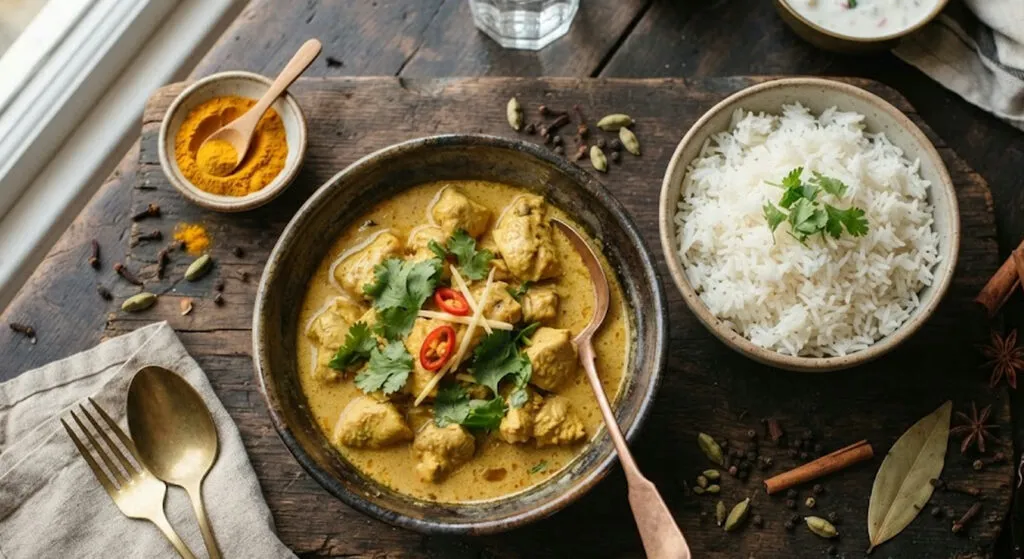
Home-made chicken curry fails at the same point for everyone. The difference is made by one step that has nothing...
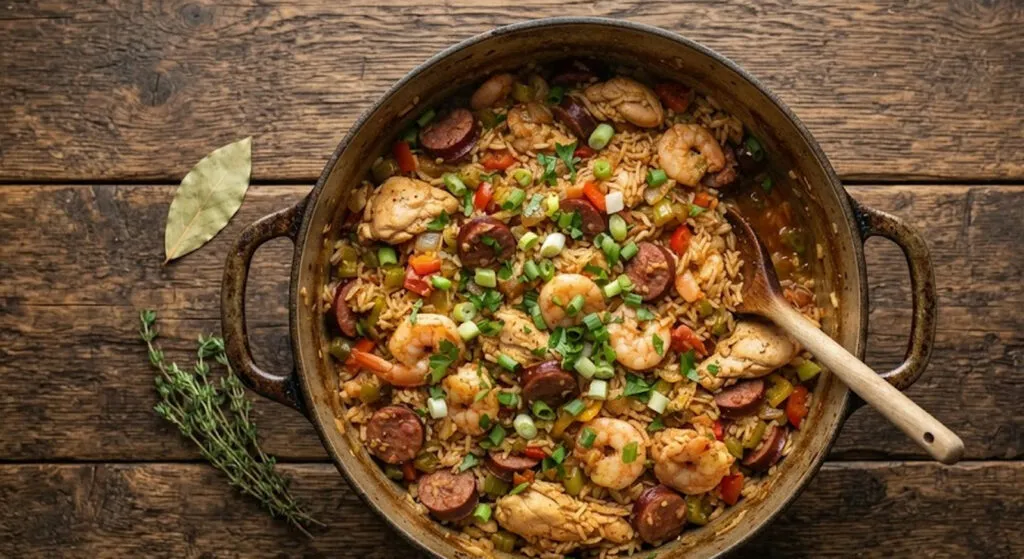
Jose Andres has lived in America for over thirty years, and when asked for his favourite American dish he named...
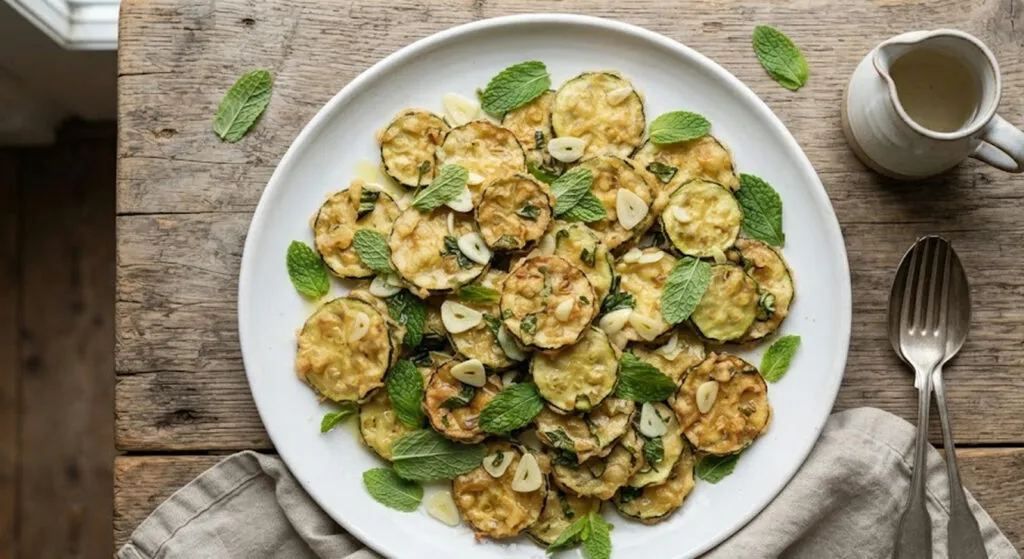
A kilo of courgettes, mint, garlic and eighty millilitres of vinegar. Not one expensive ingredient - and the water you...
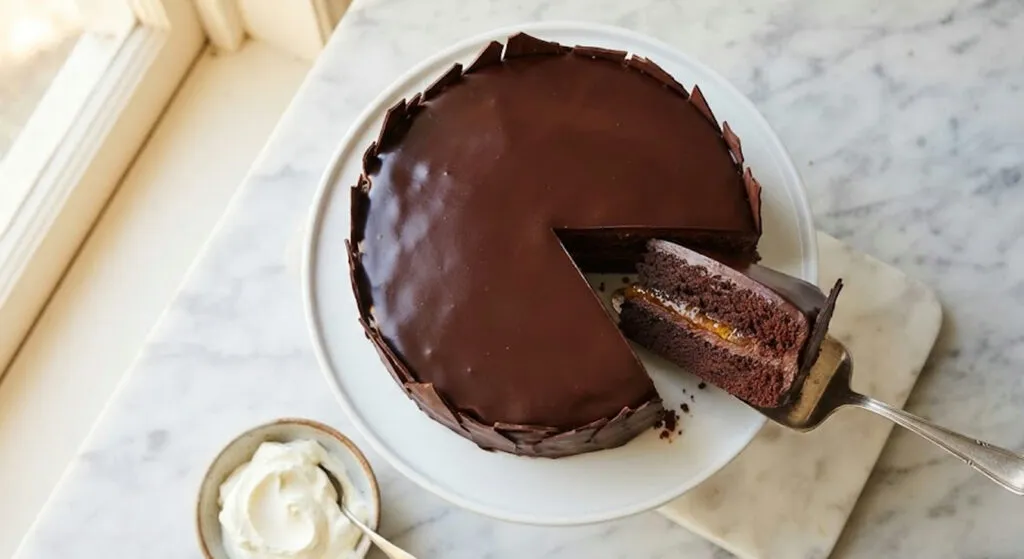
Whoever beat all the eggs together made a different cake. And the glaze must not pass 45 degrees, or the...
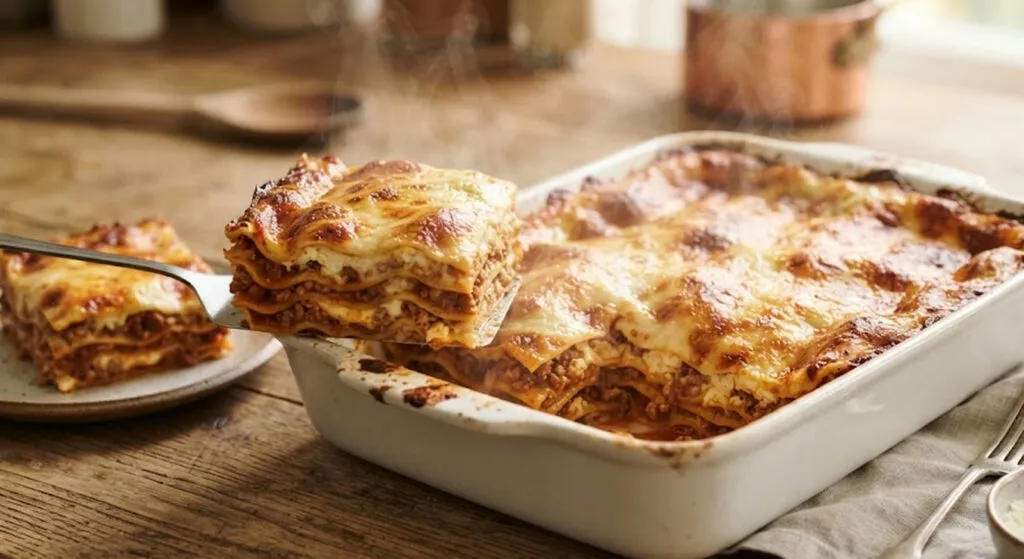
One rule applies to all three and it is the one most often skipped. It is not a recommendation to...
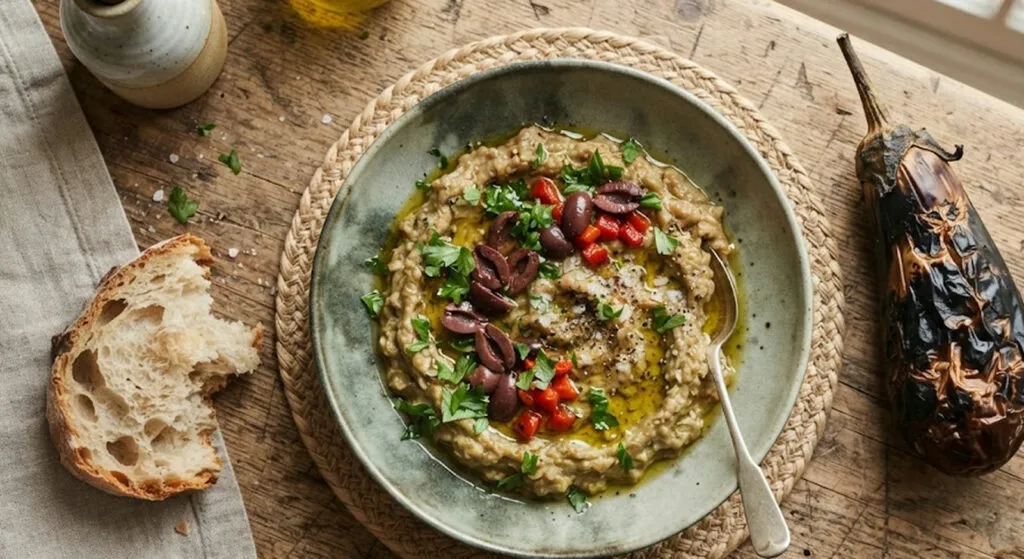
One single ingredient separates melitzanosalata from mutabal - tahini. Three aubergines, one clove of garlic, and an oven at 220...

The chicken ends up in the pan anyway. The salad that was sitting half a metre away does not.
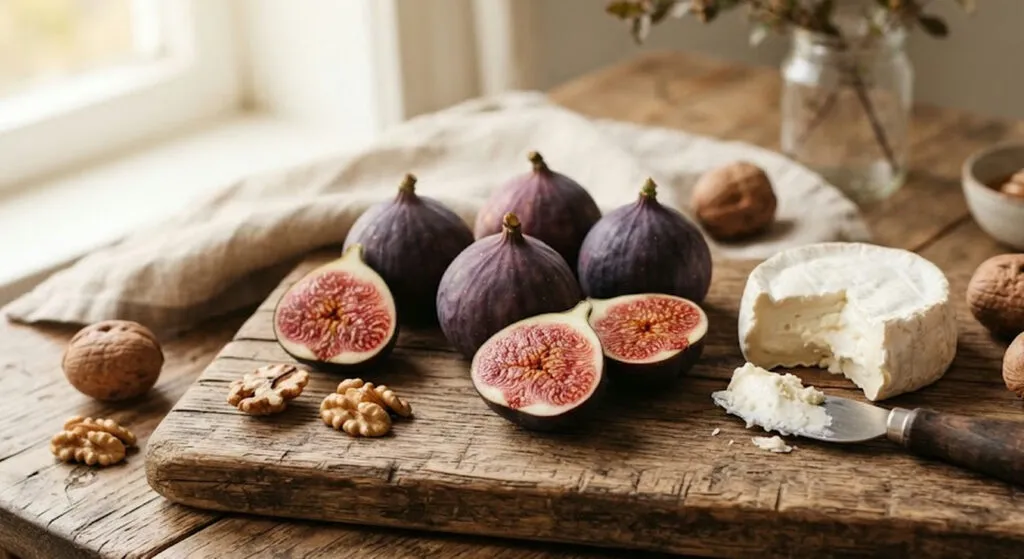
This year the season started as early as August because of the heat. From breakfast to pizza - everywhere a...
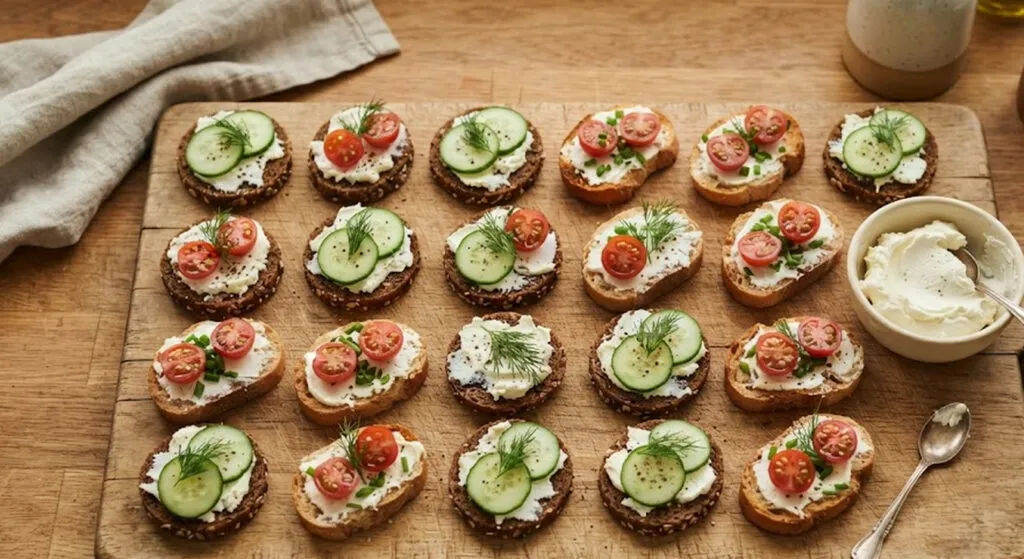
The recipe is not hard, the temperature is wrong. Ten cream cheese canapés and the two rules without which none...
The image of boiled chicken breast is wrong. The indulgence is planned, not broken.
This site uses cookies - is that okay? Learn more
Be the first to know when Metla launches something new
Leave your email and we will write when there is a new guide or something new on Metla.