
Three of Four Sensors Were Dead: Skopje's Vodno Cable Car Ran Fifteen Years Without a Real Service
17.09.2026


17.09.2026

17.09.2026

17.09.2026

17.09.2026

17.09.2026

17.09.2026

17.09.2026

16.09.2026

15.09.2026

17.09.2026

17.09.2026
16.09.2026

17.09.2026

17.09.2026

17.09.2026

17.09.2026

16.09.2026

15.09.2026

17.09.2026

17.09.2026

17.09.2026

17.09.2026

17.09.2026

17.09.2026

09.03.2026

27.02.2026

19.02.2026

23.04.2026

23.04.2026

12.04.2026

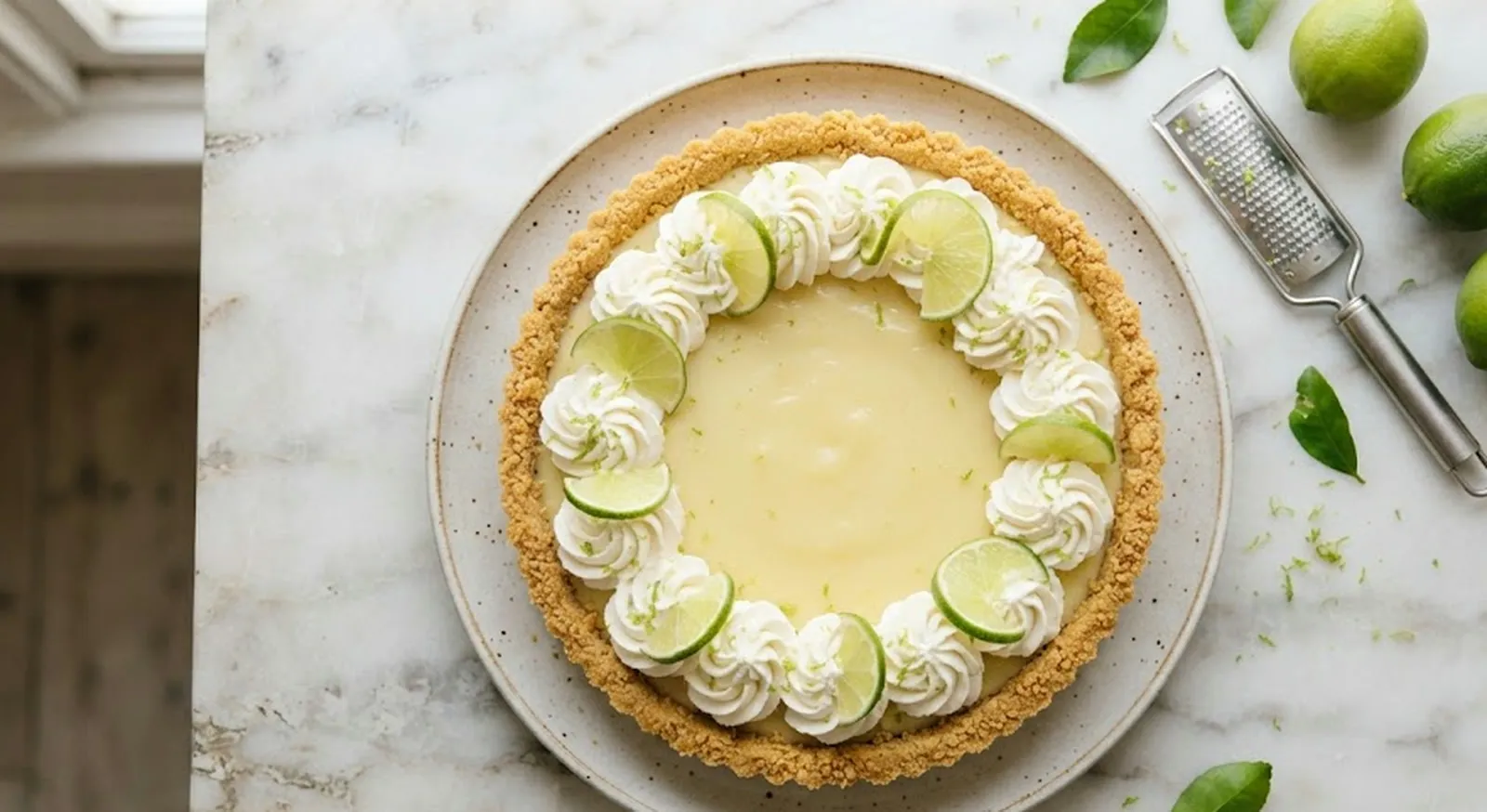
There are desserts that require skill and desserts that require patience. The lime tart - known as key lime pie - requires patience, and that is exactly the step everyone fails. At least four hours in the fridge, ideally overnight. Without it you get a filling that runs instead of a tart that slices.
The base is crushed biscuits with melted butter, cheesecake-style. Graham crackers are the classic choice, but digestives or plain tea biscuits work just as well. The filling is a trio: sweetened condensed milk, egg yolks and fresh lime juice. Nothing more.
What makes this dessert interesting is the chemistry, not the recipe. The acid in the lime reacts with the condensed milk and the filling thickens immediately, in the bowl, before it ever sees the oven. That is why you must not overmix - every extra beat folds in air that will wreck the texture later.
Ingredients for a 22-23 centimetre tin: 220 grams of biscuits, 90 grams of melted unsalted butter, 20 grams of sugar if needed. For the filling: 400 grams of sweetened condensed milk, 4 large egg yolks, 120 millilitres of lime juice and the zest of two limes. To finish: 250 millilitres of double cream, 20 grams of icing sugar and thin lime slices.
The method. Heat the oven to 175 degrees. Crush the biscuits finely, mix with the butter until evenly moistened, press into the base and sides of the tin and bake for ten minutes. While the base cools, make the filling: whisk the yolks and milk gently, then add the juice gradually, and the zest last. Bake for another 15 to 18 minutes - the edges should set and the centre should wobble slightly when you move the tin. That wobble is the sign it's done.
One detail worth knowing: when you zest the lime, take only the green. The white pith underneath is bitter and will ruin the whole filling. That is the difference between a tart that tastes fresh and one that leaves an unpleasant aftertaste.
The dessert comes from the Florida Keys, specifically Key West, where there are shops that sell nothing else. The local lime is smaller and more fragrant than the European one, but an ordinary lime works perfectly. That is also the real reason the recipe has survived for decades almost unchanged - it asks for nothing you can't find in any shop.
For a summer when nobody wants to stand over a stove, this is close to the perfect deal: half an hour of work, a night of waiting, and a dessert that looks like you slaved all day.
The latest 10 news from this category

Home-made chicken curry fails at the same point for everyone. The difference is made by one step that has nothing...
Jose Andres has lived in America for over thirty years, and when asked for his favourite American dish he named...
A kilo of courgettes, mint, garlic and eighty millilitres of vinegar. Not one expensive ingredient - and the water you...
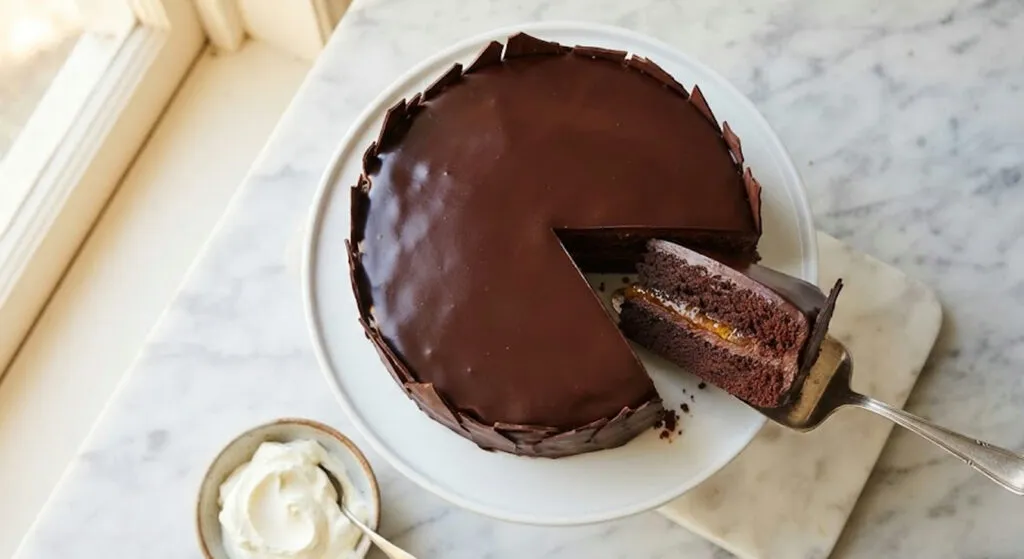
Whoever beat all the eggs together made a different cake. And the glaze must not pass 45 degrees, or the...
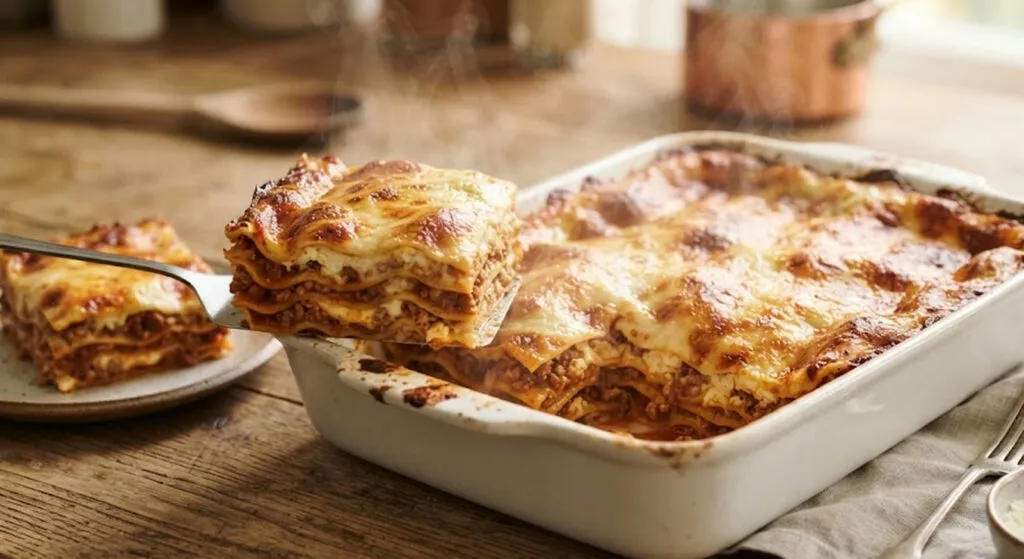
One rule applies to all three and it is the one most often skipped. It is not a recommendation to...
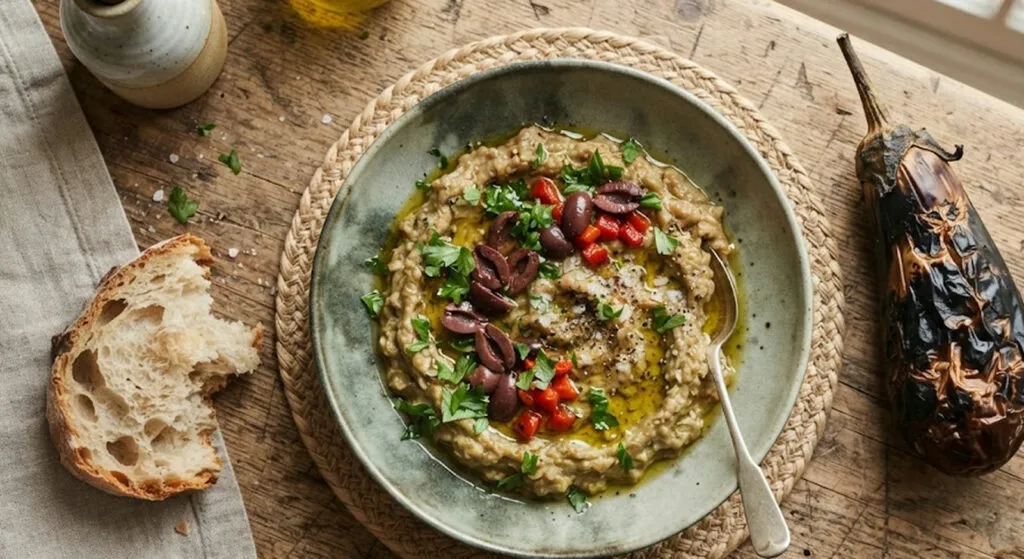
One single ingredient separates melitzanosalata from mutabal - tahini. Three aubergines, one clove of garlic, and an oven at 220...

The chicken ends up in the pan anyway. The salad that was sitting half a metre away does not.
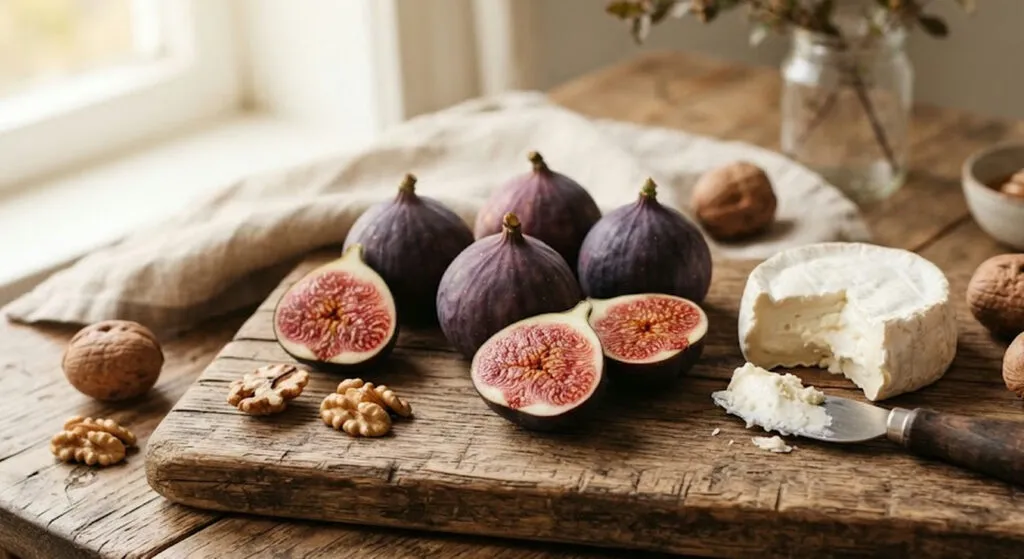
This year the season started as early as August because of the heat. From breakfast to pizza - everywhere a...
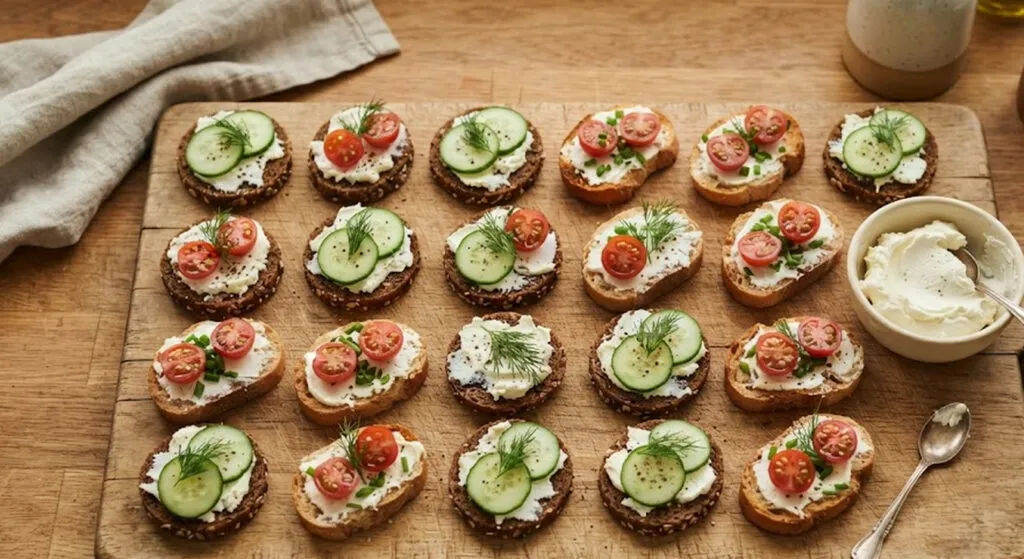
The recipe is not hard, the temperature is wrong. Ten cream cheese canapés and the two rules without which none...

The image of boiled chicken breast is wrong. The indulgence is planned, not broken.
This site uses cookies - is that okay? Learn more
Be the first to know when Metla launches something new
Leave your email and we will write when there is a new guide or something new on Metla.