
The defence in the Puls case has called 244 witnesses, and the nightclub owner's detention runs out on Saturday
01.10.2026


01.10.2026

01.10.2026

01.10.2026

01.10.2026
01.10.2026
01.10.2026

01.10.2026

30.09.2026

29.09.2026

01.10.2026
01.10.2026

30.09.2026

01.10.2026

01.10.2026

01.10.2026

01.10.2026

30.09.2026

29.09.2026

01.10.2026

01.10.2026

01.10.2026

01.10.2026

01.10.2026

01.10.2026

09.03.2026

27.02.2026

19.02.2026

01.10.2026

01.10.2026

30.09.2026

23.04.2026

23.04.2026

12.04.2026

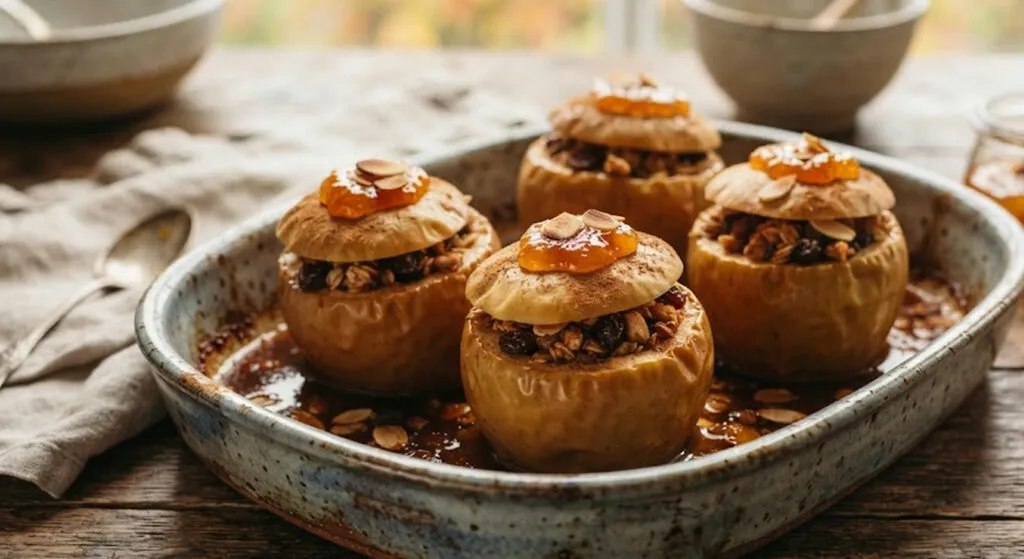
Autumn in the Balkans smells of roasted peppers and baked apples - one in the yard, the other in the oven. The apple is queen of the fruit bowl this season, and baked it becomes one of the oldest and simplest homemade desserts. This is the sweeter version: with honey, sugar and butter, which makes it an occasional treat rather than an everyday one.
The recipe also calls for a little sweet anise liqueur. Baking will cook off most of the alcohol, but if you want a completely alcohol-free version, swap it for a splash of apple juice - or just leave it out.
Why a firm, tart apple
The original recipe uses the Spanish reineta variety, considered one of the best for baking. Its flesh stands up to the heat without falling apart, yet stays soft and juicy. It also has a tartness that balances the honey and sugar, so the dessert doesn't turn cloying. As it bakes it develops sweeter, more aromatic notes. The logic works at any market stall: pick a firm apple with a little acidity, not a mealy, overly sweet one.
Ingredients (for 4 apples)
Method
The little things that make the difference
Don't peel them - the skin holds the shape, softens as it bakes and carries much of the flavour. Don't cut too much off the bottom, or the juices and filling will leak out. Keep an eye on the oven towards the end: the time depends on the size and ripeness of the apples, and they are done when they are soft to the point of a knife. The juice left in the dish is a concentrate of apple, honey, butter and anise, so don't throw it away. And a little apricot, peach or plum jam goes beautifully with the apple's tartness. Grandmothers knew all this long ago. Now you know why it works.
The latest 10 news from this category
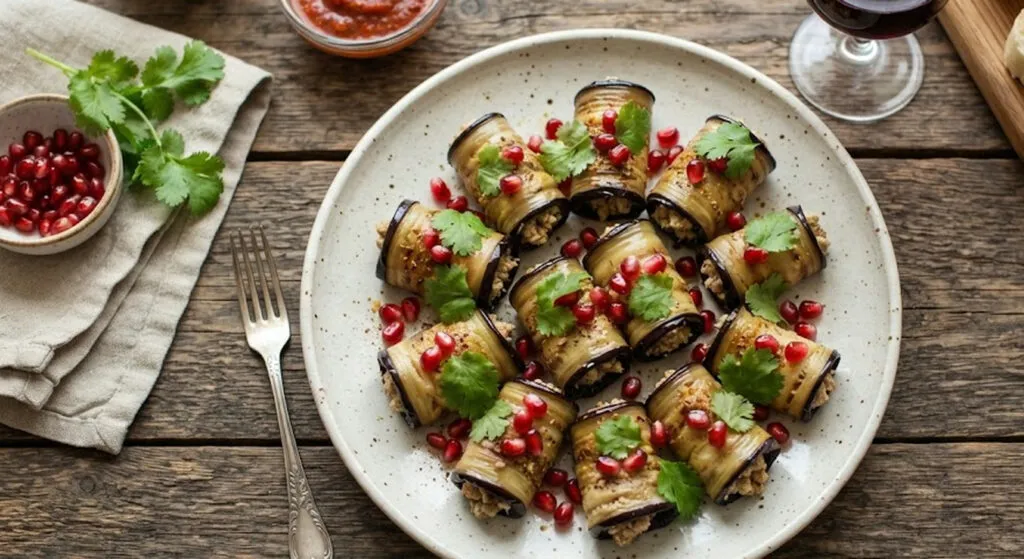
Aubergine, walnuts, garlic and coriander - ingredients autumn brings to every market. The Georgians turn them into one of their...
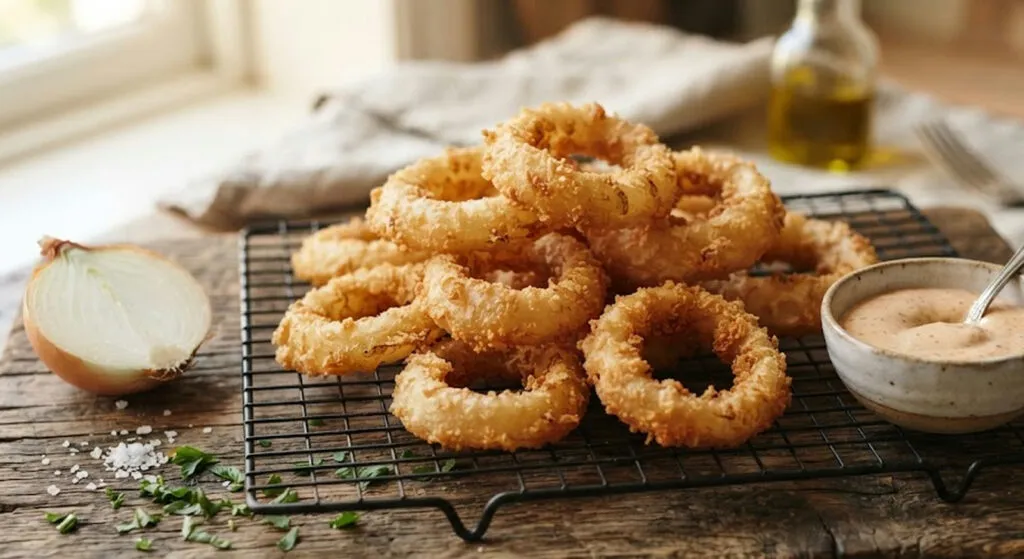
The cheapest bar snack there is gets ruined by one mistake - an overcrowded pan. Ice-cold sparkling water, cornflour and...
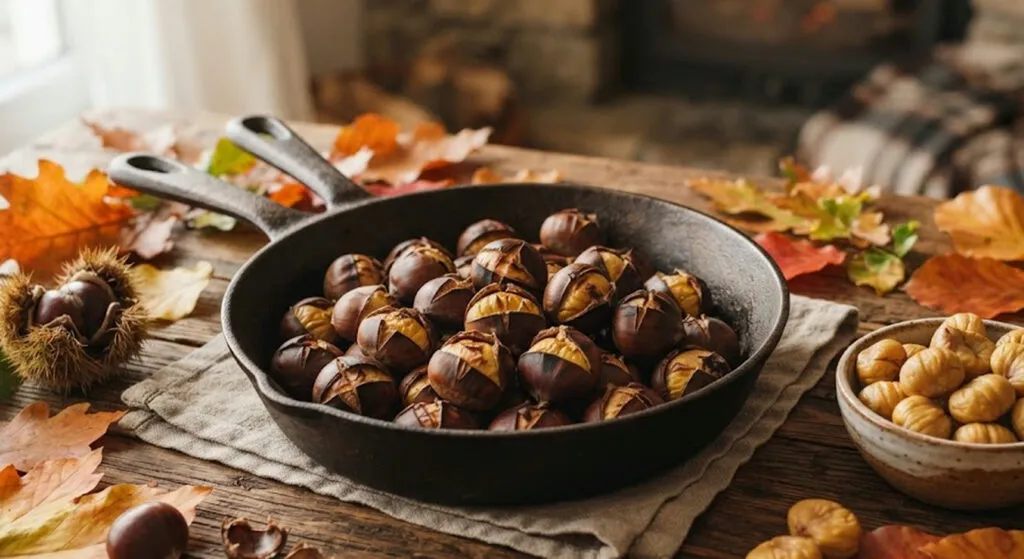
Here, a chestnut usually means a paper bag from a street vendor. But it can go into porridge, salads, cream...
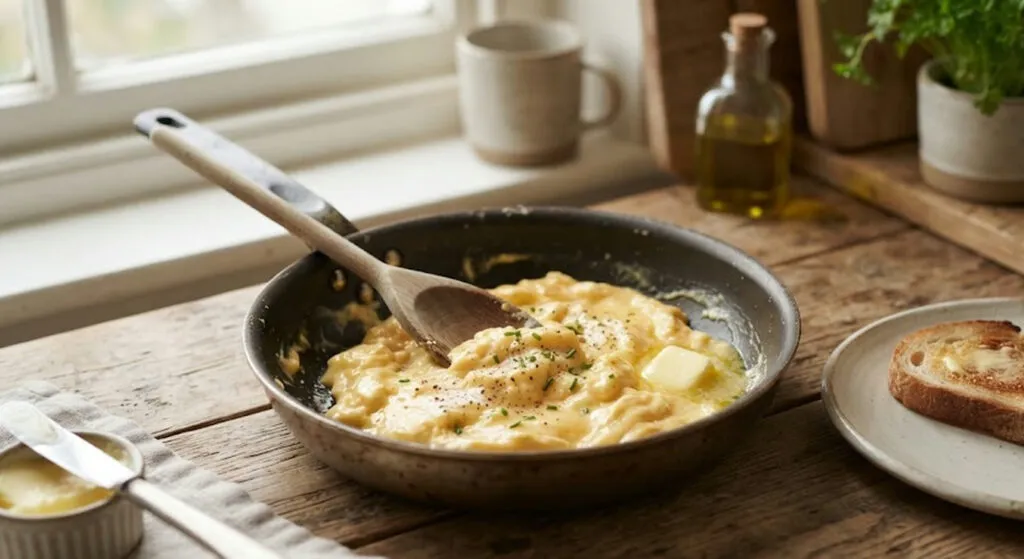
Everyone knows how to scramble eggs - or so we think. The difference between creamy, glossy eggs and a dry,...
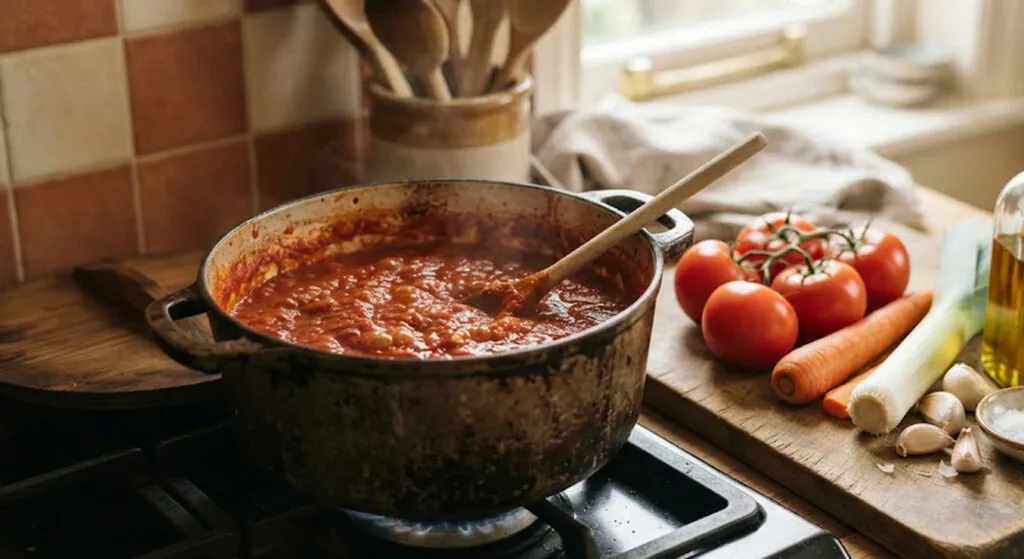
Six tomatoes, two carrots, a leek, garlic and patience. The recipe is simple, and the only secret is the time...
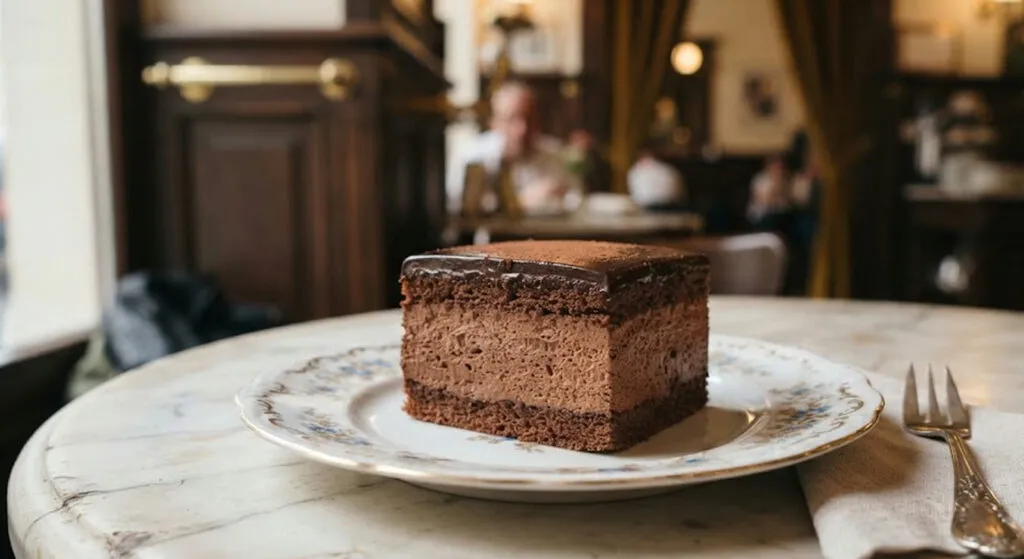
The scandal lasted less than a decade; the cake has survived more than a century. The step that makes it...
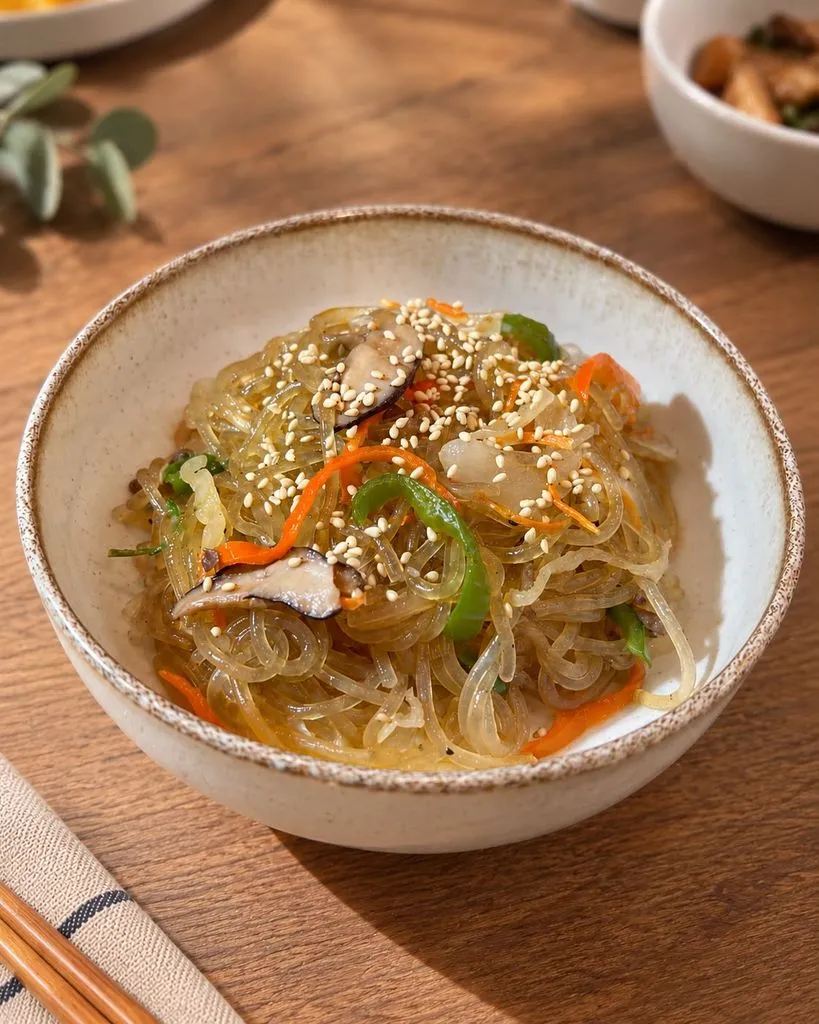
The five dishes of Chuseok take days of work, and fewer and fewer people have the time. Why slowness is...
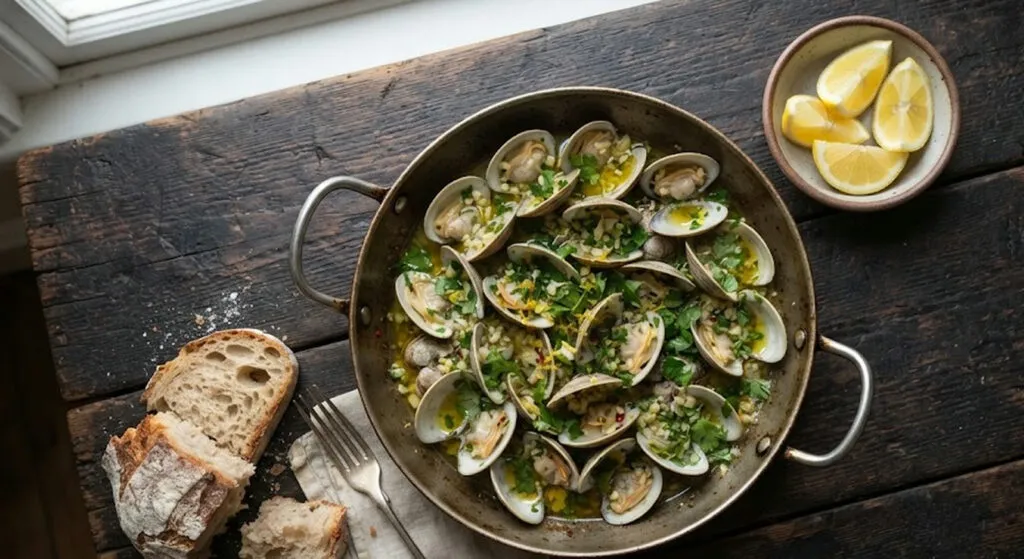
Five ingredients, fifteen minutes of cooking and the name of a nineteenth-century poet. Skip the soaking and you get a...
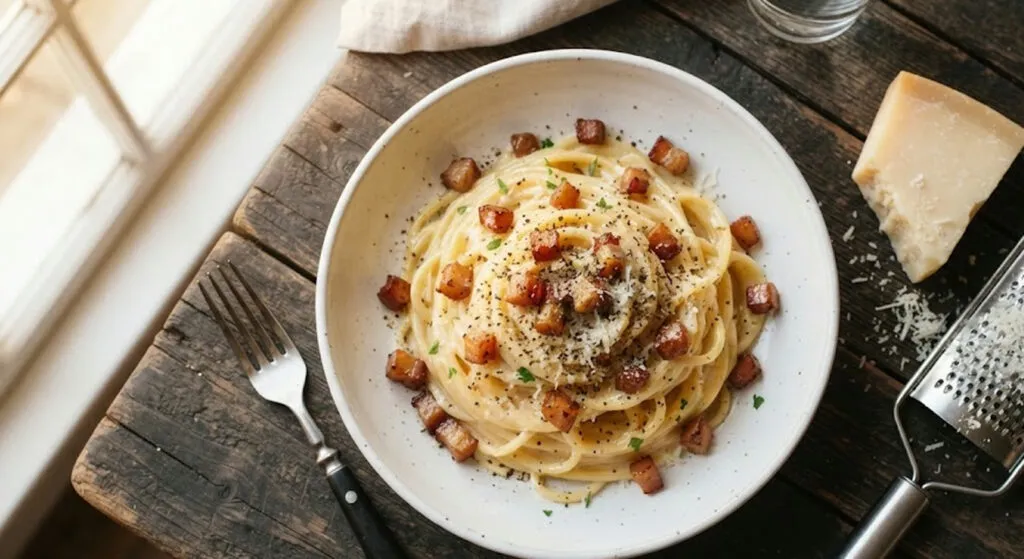
Cream in carbonara is an invention that took hold outside Rome. If the pan is hot when the eggs go...
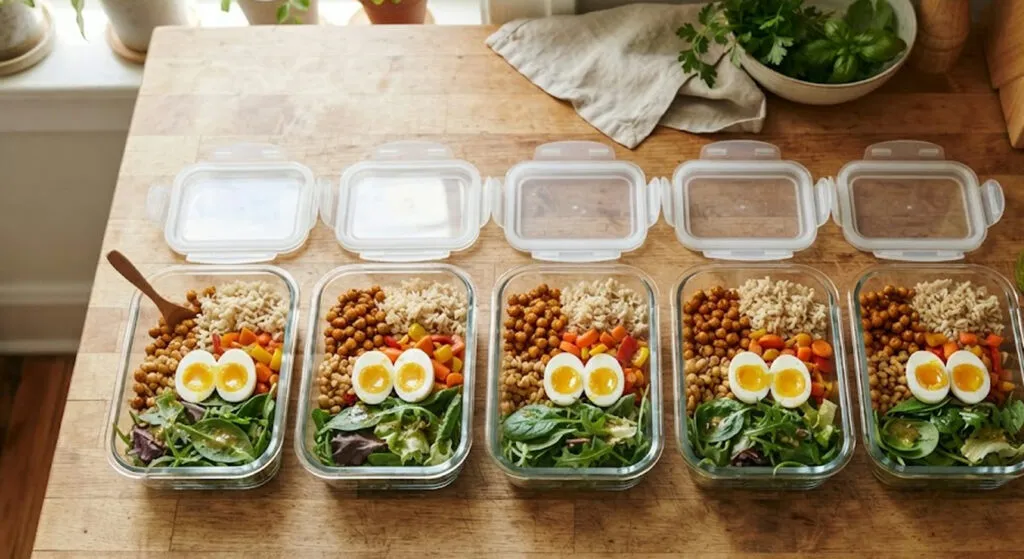
Components separately, or full boxes ready to reheat. One gives you variety, the other speed, and blanching your vegetables before...
This site uses cookies - is that okay? Learn more
Be the first to know when Metla launches something new
Leave your email and we will write when there is a new guide or something new on Metla.