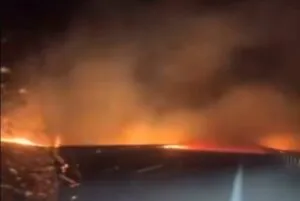
Skopje Breathed Smoke From Two Mountains: 21 Fires in One Day, and Vodno Was Clean
25.08.2026


25.08.2026
24.08.2026
23.08.2026

25.08.2026

25.08.2026
24.08.2026

25.08.2026

25.08.2026

25.08.2026

25.08.2026

24.08.2026

23.08.2026
25.08.2026

25.08.2026
25.08.2026

25.08.2026
25.08.2026

25.08.2026

09.03.2026

27.02.2026

19.02.2026

23.04.2026

23.04.2026

12.04.2026

More than a year after the fire at the „Puls" club in Kočani, where around sixty young people died, the court is finally looking at the evidence against those who were supposed to prevent it. Prosecutors laid out 83 points of evidence against nine police officers, accused of abusing their office to let an unlicensed venue operate for years. The inspection reports are now exhibits; the question haunting the whole country is whether accountability will reach everyone who signed off and looked away, or only a handful at the bottom of the ladder.
The day delivered a whole stack of new rules, and they all share the same weakness: easy to vote in, hard to enforce. Parliament passed a new gambling law requiring casinos to sit at least 500 metres from schools, and barring celebrities from selling gambling as a path to success - but nobody has yet answered how many betting shops are currently closer than that, or who will shut them down. The same day saw the organ-donation law pass too, giving everyone the right to decide for themselves via a statement at their GP; here too the real test isn't the text, but whether a system people trust will stand behind it.
Instead of an agreement on the rules of the game, we got a fight over the rules themselves. SDSM announced a blockade with 10,000 amendments to the electoral-code changes; the government calls it a step forward, the opposition calls it an attempt at controlled voting. When each side claims the other wants to rig the election, the citizen is left with a fair question - who to believe - while the real loser is the belief that a vote changes anything at all.
In the middle of the heat, water became the measure of who looks after whom. The city switched on over 210 drinking fountains, with grand openings that Skopje residents know are often followed by silence. Meanwhile, the Red Cross is handing out 400 litres of water a day on the streets - volunteers patching holes that should not exist. In Kočani, meanwhile, consumption jumped from 23 to 53 litres per second because of lawn watering, so restrictions are coming - because it is easier to ration than to fix the system.
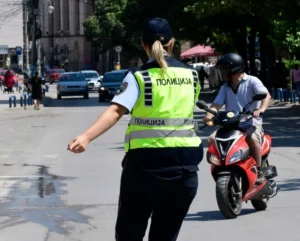
While the city turns on fountains, people keep dying on its streets. A nineteen-year-old motorcyclist was killed at the „Nikola Karev" junction after a collision with a car and two motorbikes. The same day brings the reckoning for „Safe City": violations fell from 110,000 to 600 a day, casualties by 40 percent - but a camera can fine you for speeding, not build you a safer street.
Today the economy was about who pays. The budget covers over a third of pension income, expenditure tops 90 billion denars, and the second pillar is two months behind - today's worker's pension is guaranteed not by savings, but by hope. On the other side, the EU is introducing a 3-euro levy on cheap parcels from Temu and Shein; Macedonia isn't in the Union, but the signal is clear that the „endlessly cheap" model is closing.
From abroad came two stories that demand silence before commentary. In Venezuela, two earthquakes took more than 1,700 lives, with American estimates saying the true number is likely measured in tens of thousands - a country in crisis that can barely measure its own suffering. In Germany, six staff at a youth centre were killed at their workplace, the motive a custody dispute; six families lost their own not in a war, but where the most vulnerable were being cared for. And in Russia, 660 drones in a single week are setting refineries ablaze, so the largest country on earth can't fuel its own cars.
In the Balkans, neighbourly relations are again measured in clenched teeth. Serbia and Montenegro entered a new round of entry bans and reciprocal measures, with ordinary people - two countries bound by language and thousands of families - once again the hostages. And in Croatia, Milanović and Plenković clashed over a single parade, with the army stuck between the president and the prime minister.
One thread runs through the whole day, through its heavier part: the rules exist, the statements are made, the fountains are on - but everything still depends on whether someone will stand behind each piece of paper and enforce it. The evidence against „Puls" has been laid out; whether accountability will be just as concrete remains to be seen.
The latest 10 news from this category
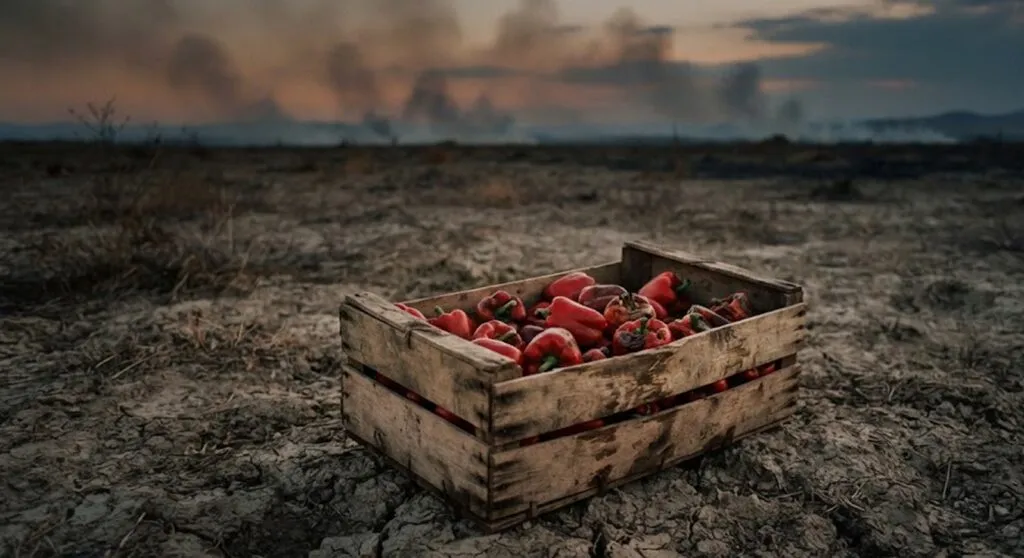
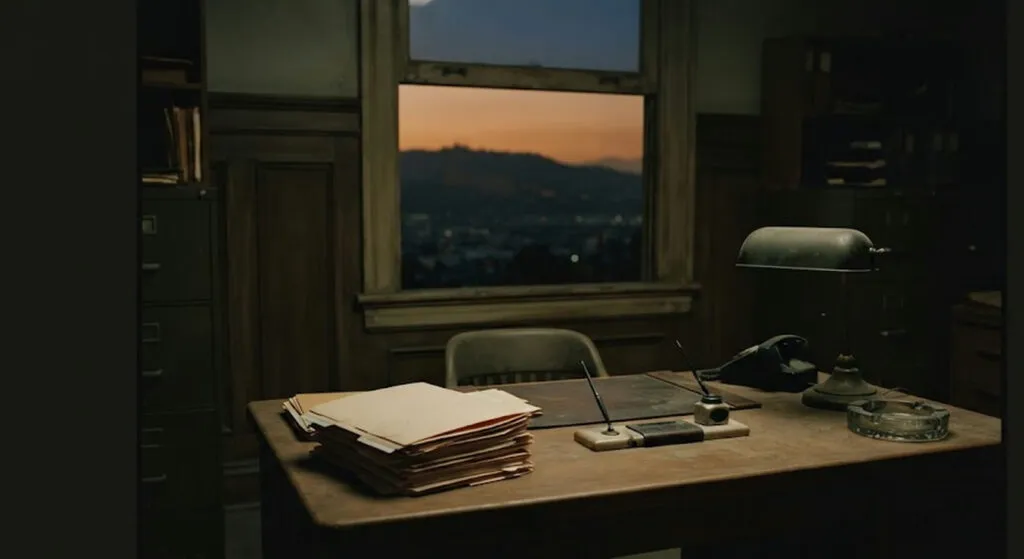
Today has one repeating shape: something gets announced, signed or promised - and does not survive a single week. A...
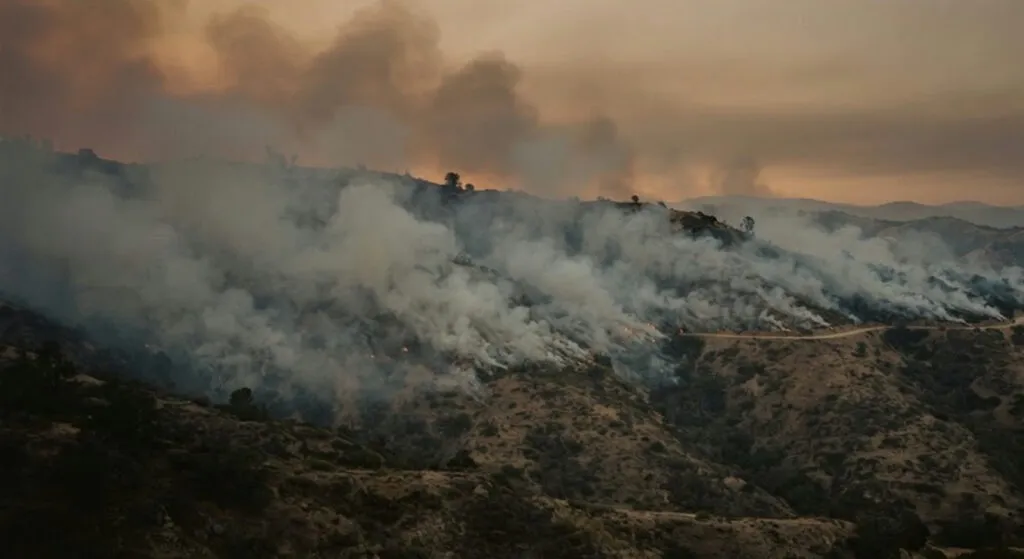
The fire near Kumanovo reached the houses, and the line is held by volunteers with their own machinery. In Lagadin,...
Hectares flown over but no word on what was sprayed, routes announced but no passenger numbers, a demonstration drill but...
Today the difference was made by presence. Where someone was in the field or where the camera worked, there is...
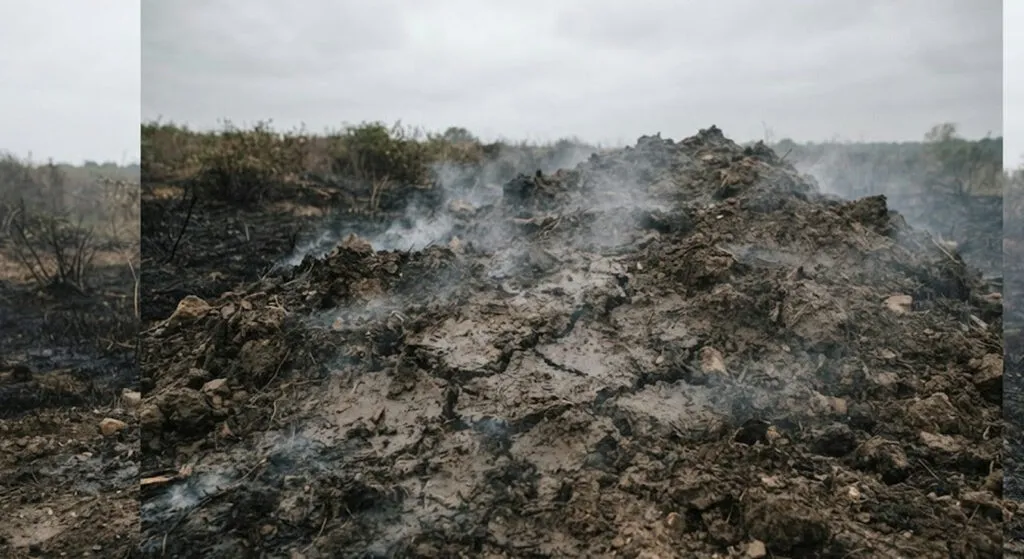
A ban issued six months ago, technical solutions sitting drawn up, eight thousand cubic metres of soil on a landfill...
Institutions spent today chasing things that were already burning. The planes landed, the crews stayed, and the hardest part is...
The measured weight, the marked pothole and the order with the sums all existed before the damage did. This was...
The finding exists, the report exists, the expert analysis exists. What is missing is someone on the other side to...
Almost every domestic story today has an institution that has the plan, the number or the press release - and...
The day produced paperwork at every step: a referral, a statement that the fires were deliberately set, two contradictory lab...
This site uses cookies - is that okay? Learn more
Be the first to know when Metla launches something new
Leave your email and we will write when there is a new guide or something new on Metla.