


A week after the police brutality story, the Interior Ministry has its own version: the passenger took the officer's gun
15.10.2026


15.10.2026

15.10.2026

15.10.2026

15.10.2026

15.10.2026

15.10.2026

15.10.2026

14.10.2026

13.10.2026

15.10.2026

15.10.2026

14.10.2026

15.10.2026
15.10.2026

15.10.2026

15.10.2026

14.10.2026

13.10.2026

15.10.2026

15.10.2026

15.10.2026

15.10.2026

15.10.2026

15.10.2026

15.10.2026

14.10.2026

13.10.2026
13.10.2026

12.10.2026

10.10.2026

23.04.2026

23.04.2026

12.04.2026

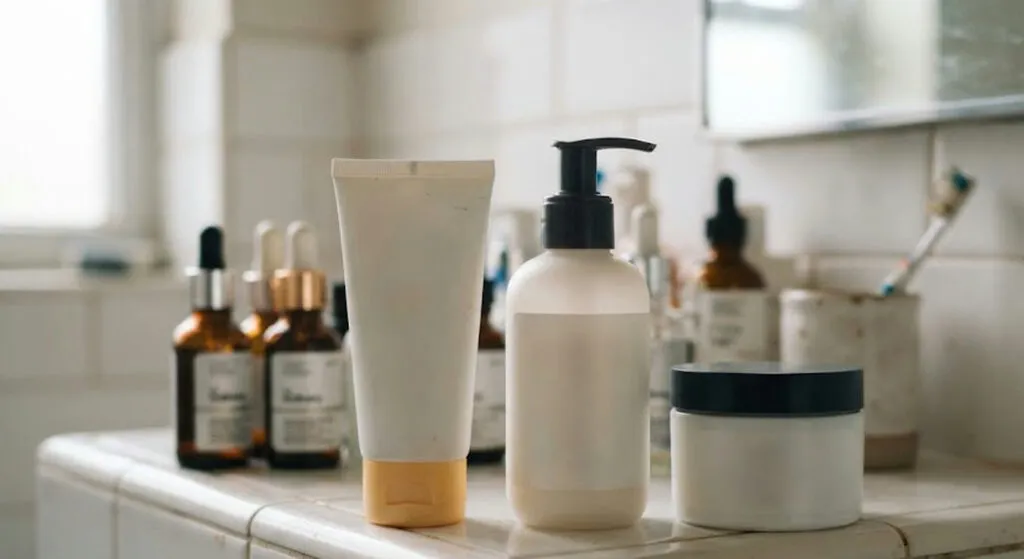
They're called "Sephora Kids" - teenagers of around 14 who buy and use cosmetics meant for adults. The trend isn't only expensive, and it doesn't only create an emotional dependence on the shelves. Products that aren't formulated for young skin can do it real harm, warns Dr Scarlett Alvarado, a specialist in aesthetic medicine who works with the teen cosmetics firm 4Teens.
When should you start? There's no fixed age. Two steps can begin in childhood: sun protection during the day and cleansing the face in the evening. Sunscreen is the first product to buy - and it goes on even when it's cloudy or raining.
During puberty, skin can become oily, dry or prone to acne. Acne is the most common worry, and the marks and scars it leaves concern many teenagers - boys and girls alike. The routine should be simple and tailored: in the morning a moisturiser suited to the skin type, then sun protection. In the evening thorough cleansing and, if needed, a targeted treatment - salicylic acid for acne, for example, with professional advice. Dry skin may need nothing more than a moisturiser.
Among ingredients, useful ones include salicylic acid, postbiotics, certain ferments and niacinamide, which is gentle and suits oily skin, visible pores and minor imperfections.
What should stay on the shelf for now
Retinol, vitamin C and glycolic acid are not recommended for regular use in teen routines. Retinol, according to Alvarado, isn't needed for young skin, certainly not for cosmetic or anti-ageing purposes. Its exfoliating effect can disrupt the skin barrier or cause hyperpigmentation - exactly the dark spots young people are afraid of. Retinoids have a place only in specific cases of acne, under medical supervision.
A fourteen-year-old with an anti-ageing serum is a picture that says more about marketing than about skin. And yes, the advice comes from a doctor who works with a teen cosmetics brand - but the message "fewer products, more sunscreen" is hardly a sales trick.
The latest 10 news from this category

She once wore wings with more than 125,000 crystals, and this time she waited weeks for an answer that finally...

She met him when she was seven and married him at 21, at an hour chosen by astrologers. Not a...

The depth of black, the warmth of chocolate and the character of purple. Fashion is once again selling a "new...
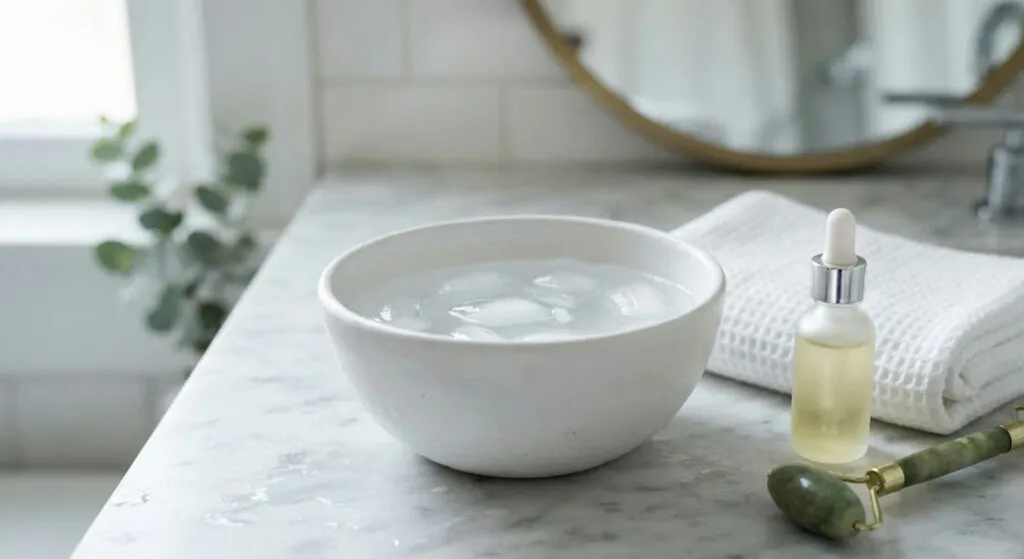
Ten to fifteen seconds in ice and the puffiness retreats. But Dr Priscila Enríquez warns: the effect is fleeting, and...

Neither her grandmother nor her mother wore it. Eugenia took the veil out of its box, got her tiara from...

Grace Kelly's granddaughter wore black again to open the Paris Opera season. The elegance is inherited - but the contract...
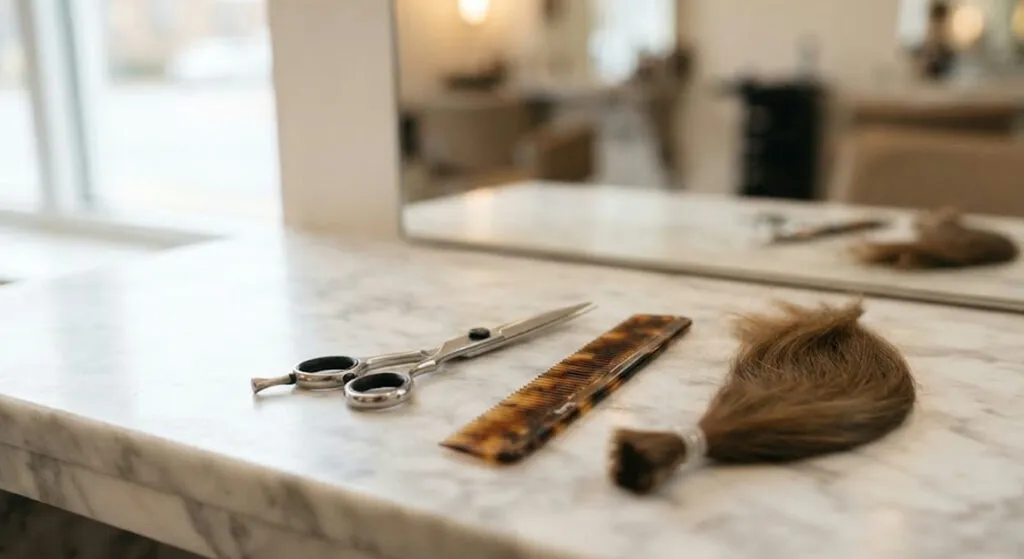
Micro, "butterfly", wispy or "curtain": every type is an optical trick, and a bad cut lasts three months. The hairdresser...

A giant single-tier cake, sculptural candles and bouquets that tumble like waterfalls. What's changing at weddings this season - before...

The exhibition features more than 140 works by ten artists, but the attention went to what the guest who opened...
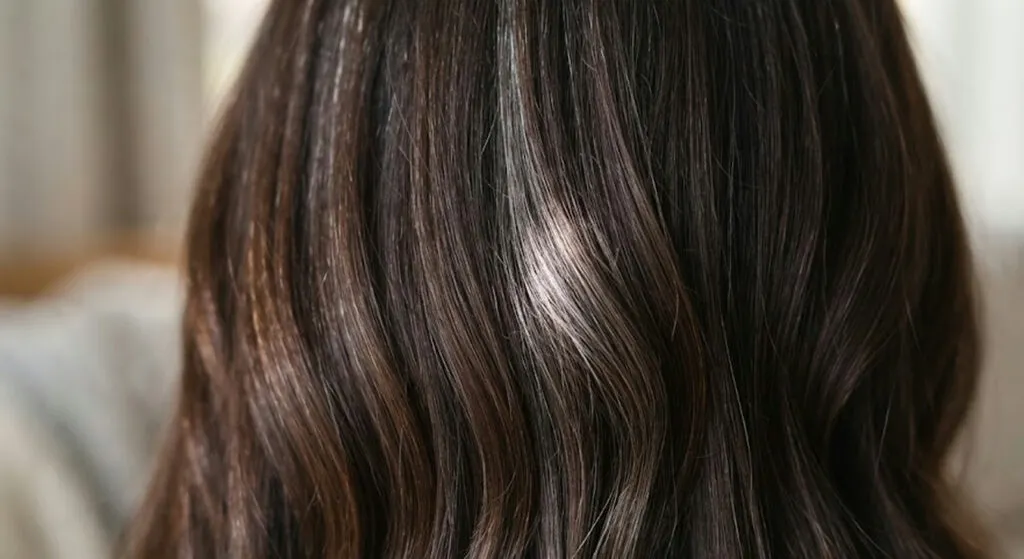
Hair doesn't turn grey - it starts growing without colour. What can be done, what can't be reversed, and why...
This site uses cookies - is that okay? Learn more
Be the first to know when Metla launches something new
Leave your email and we will write when there is a new guide or something new on Metla.


