
The Entire Interior Ministry Lost Its Health Insurance Overnight: Police Officers Turned Away From Chemotherapy Over One Unposted Entry
11.08.2026


11.08.2026

11.08.2026

11.08.2026
11.08.2026

11.08.2026
11.08.2026
11.08.2026
10.08.2026

10.08.2026

11.08.2026

11.08.2026

10.08.2026

11.08.2026

11.08.2026

11.08.2026

11.08.2026

10.08.2026

09.08.2026

11.08.2026

11.08.2026

11.08.2026
11.08.2026

11.08.2026

11.08.2026

09.03.2026

27.02.2026

19.02.2026

23.04.2026

23.04.2026

12.04.2026
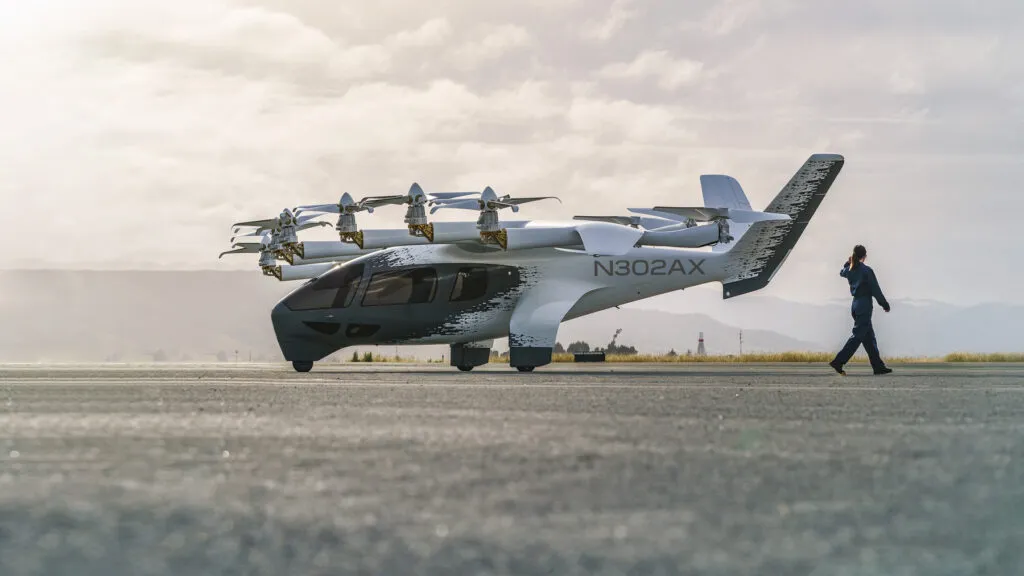
In April 2021 Wisk Aero sued Archer Aviation for the "brazen theft" of confidential information and intellectual property. Archer countersued, seeking one billion dollars in damages. Stories like this usually end with one of the companies disappearing. This one ended with the defendant buying the plaintiff.
According to a regulatory filing published on Monday, Boeing has agreed to sell Archer both Wisk Aero and two further subsidiaries - SkyGrid, which makes airspace management software, and the drone manufacturer Insitu. Cash isn't the main currency here. Boeing receives newly issued shares amounting to 19.75 percent of Archer's stock before the deal closes, which leaves it with roughly 16.5 percent after the transaction.
So Boeing isn't selling - Boeing is moving. An aerospace giant is giving up ownership of its own programme and becoming a minority shareholder in a startup founded in 2018. That is more interesting than the price itself.
Wisk's history reads almost like a survey of the past decade in Silicon Valley. The company began as Kittyhawk, the electric aviation startup of Sebastian Thrun - co-founder of Alphabet's X lab - financed by Google co-founder Larry Page. Kittyhawk shut down in September 2022, but its Cora programme, a two-seat autonomous air taxi, had been spun out in late 2019 into a joint venture with Boeing. That joint venture was renamed Wisk. Boeing invested a further 450 million dollars (about 390 million euros) in early 2022, and by 2023 Wisk was wholly owned by it.
The peace that was paid for with an exclusive deal
The dispute between the two companies lasted two years and ended in an unusual settlement. Archer committed to Wisk being its exclusive supplier of autonomous technology, and granted it an option to buy up to 13,176,636 shares at a price of just one cent per share. In other words, the lawsuit turned into a partnership, and the partnership has now turned into an acquisition. Who really won that case is only becoming visible today.
Archer has meanwhile moved beyond its original idea of building only a network of air taxis. Two years ago it entered the defence sector with a 430-million-dollar round in December 2024, and in 2025 raised another 300 million from institutional investors such as BlackRock and Wellington. It also has an exclusive agreement with the weapons manufacturer Anduril to jointly develop a hybrid aircraft for defence purposes.
That is the pattern worth noting. The civilian idea - a taxi that flies over the traffic - is what attracted the investors. Defence is what pays the bills. Drone manufacturers walked the same path, and there resistance vanished the moment the budgets became military ones.
The company, which went public in 2021 through a merger with a blank-cheque shell, continues work on its fully electric Midnight model. This month it completed a piloted round trip between the airports at Salinas and Monterey, in preparation for beginning operations later this year. Flying taxis have been promised for a decade now. For the moment the only thing definitely flying is consolidation.
The latest 10 news from this category
Serbian businessman Davor Macura took 100 percent of the shares through a block transaction, then recapitalised. Another financial brand is...
A London district with 12.1 billion dollars in raised capital is asking itself whether it is a hub or just...
NextSlide turns notes and documents into slides. A company worth more than entire stock exchanges bought it quietly, and is...
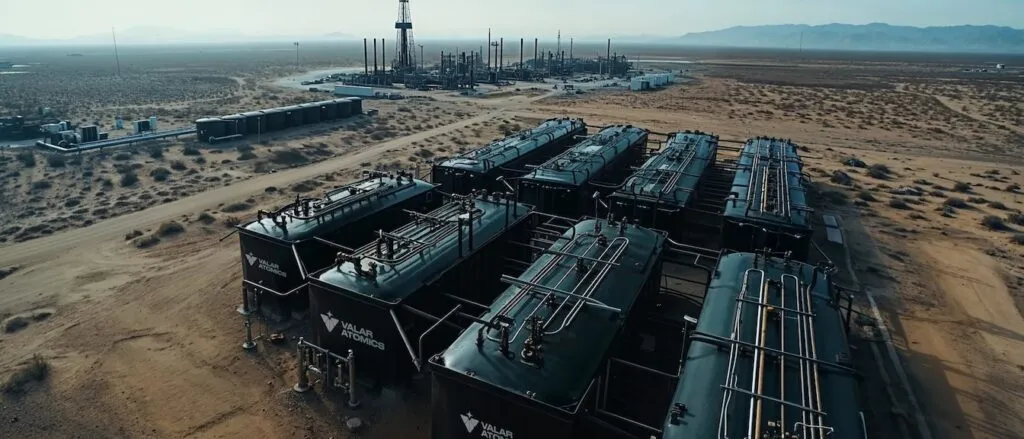
Sequoia came in with a billion, the banks added another 200 million. The founder promises thousands of reactors a year...

While everyone throws billions at generative AI, Greece's Omilia argues most customer questions don't need any of it. Its revenue...
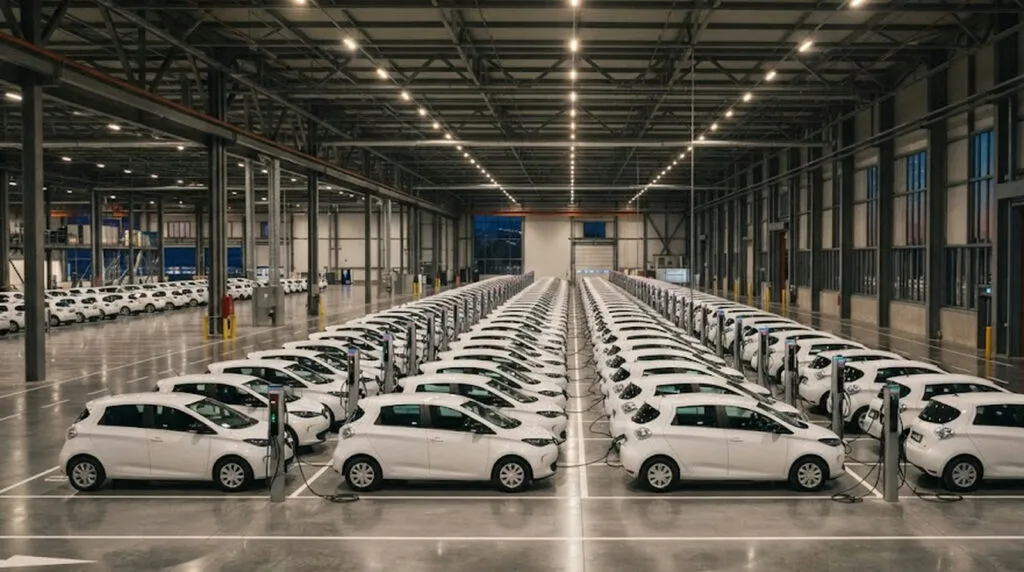
A company founded in Nigeria that financed cars for drivers with no access to credit is now worth 2.1 billion...
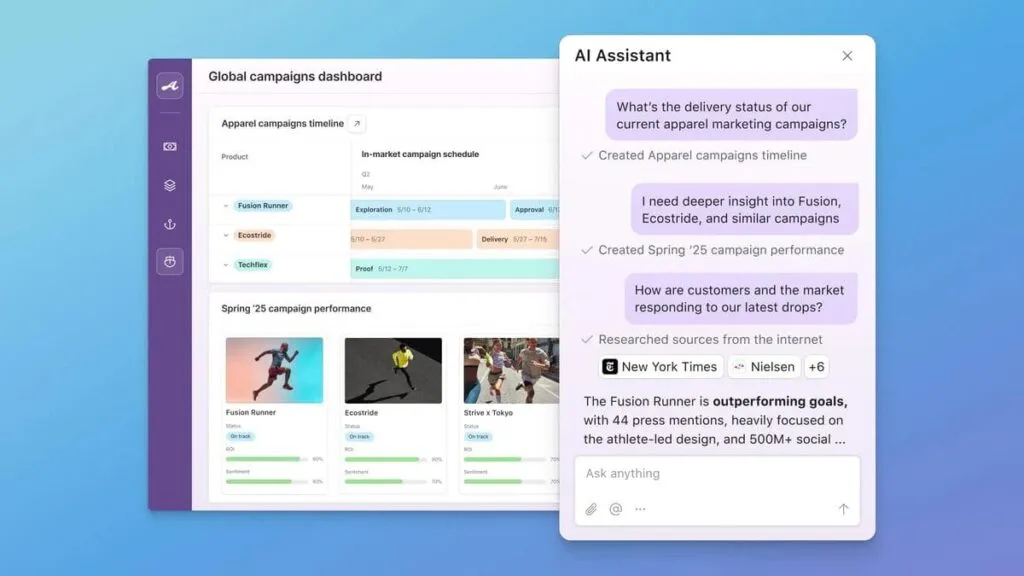
The company did not collapse - it has 480 million in revenue and 500,000 customers. It simply stopped being worth...
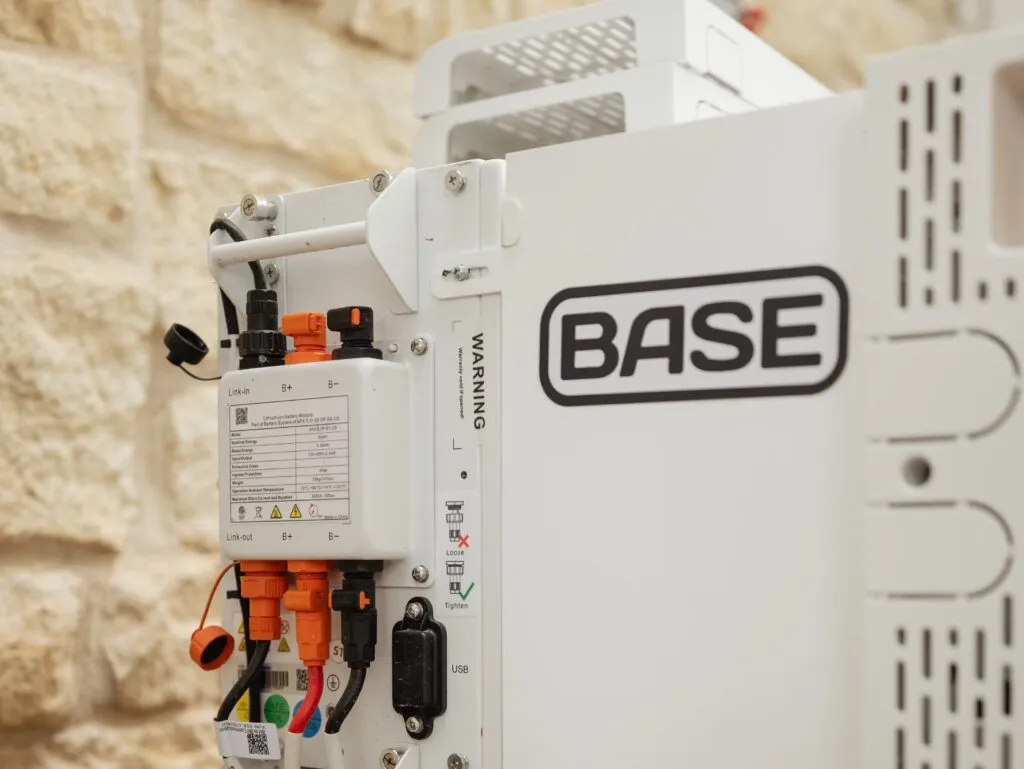
Instead of buying land next to the grid, the company puts the battery at the customer's house and then sells...
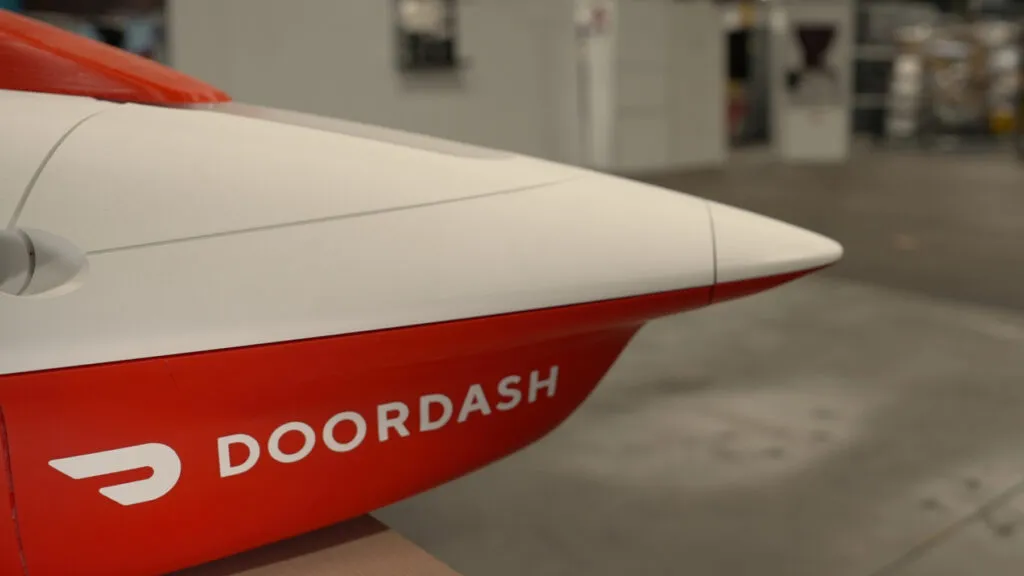
A company whose business rests on people driving their own cars is now building a platform where the human is...

There is more money for young founders than ever. Forgiveness for mistakes - none at all, and every wrong step...
This site uses cookies - is that okay? Learn more
Be the first to know when Metla launches something new
Leave your email and we will write when there is a new guide or something new on Metla.