

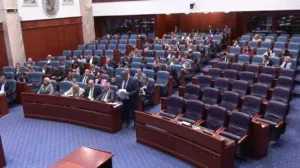
Two failing grades and you're out: parliament brings in automatic dismissal for civil servants, but who will write the appraisals?
20.10.2026


20.10.2026
20.10.2026
20.10.2026
20.10.2026

20.10.2026

20.10.2026
20.10.2026
20.10.2026
19.10.2026

20.10.2026
20.10.2026

19.10.2026
20.10.2026

20.10.2026

20.10.2026

20.10.2026

19.10.2026

18.10.2026

20.10.2026

20.10.2026

20.10.2026
20.10.2026

20.10.2026

20.10.2026
20.10.2026
19.10.2026
18.10.2026
20.10.2026
19.10.2026
17.10.2026

23.04.2026

23.04.2026

12.04.2026

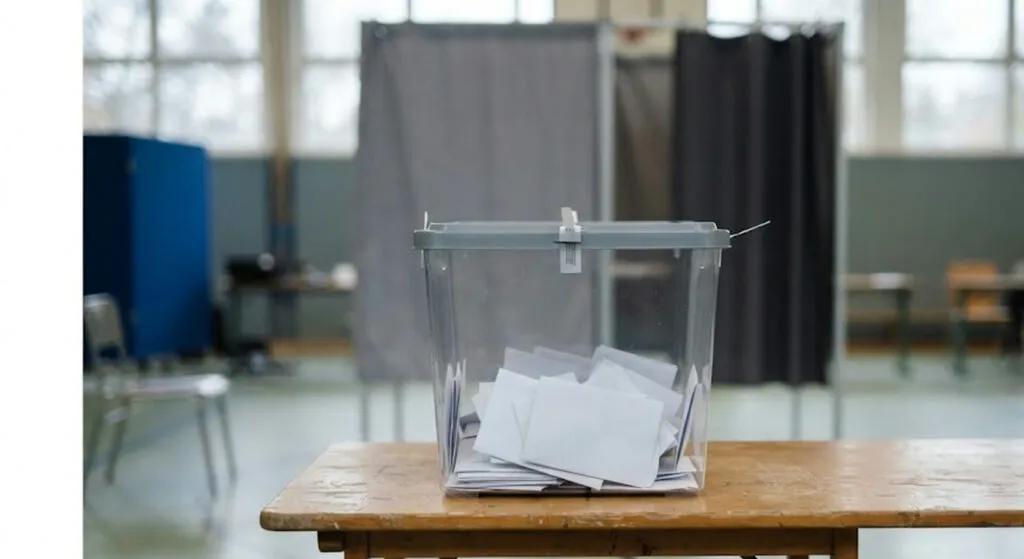
Serbia goes to a snap parliamentary election on 25 October, and Aleksandar Vučić - this time heading the "Aleksandar Vučić - United Serbia" list and running for prime minister - already has the numbers. In a TV appearance six days before the vote, he said he expects a turnout of around 4,100,000 voters, of whom 2,050,000 would vote for his list.
That is not all. Vučić expects a lead of at least 400,000 votes over his main rival, the "Student List", and claims that anything above 63 percent turnout gives his side a significantly bigger share of the vote. "It is important that we have an absolute majority," he said. He also promised that if he happens to lose, he will concede immediately.
When a politician knows the outcome this precisely before the polling stations open, there are usually two explanations: excellent polls or a great deal of self-confidence. Vučić says it is the former - "We do surveys every day", with a margin of error of 0.1 to 0.3. They will know the winner around half past nine in the evening, he says, but he will not address the public before ten.
The campaign, however, long ago spilled beyond Serbia. According to Vučić, Milo Đukanović and Milojko Spajić from Montenegro, Albin Kurti from Pristina and Croatian MEP Tonino Picula all share the same goal - to bring him down. "Why does Vučić bother Albin Kurti? Because Kurti knows that one way or another, without Vučić he will get an independent Kosovo," he said. He also mentioned Republika Srpska, asking why the "Student List" had not once replied to the students there.
He predicted that chaos will reign among his opponents after the election, while he will look for a government of "efficient and fast people". Which minority parties he takes along, he will decide once the votes are counted.
The picture is familiar: the election is presented as a referendum on one man, and the neighbours are cast as the opponent's cheerleaders. If the result is already known, why is every neighbour part of the plot? On 25 October we will see whether voters confirm the forecast - or correct it.
The latest 10 news from this category
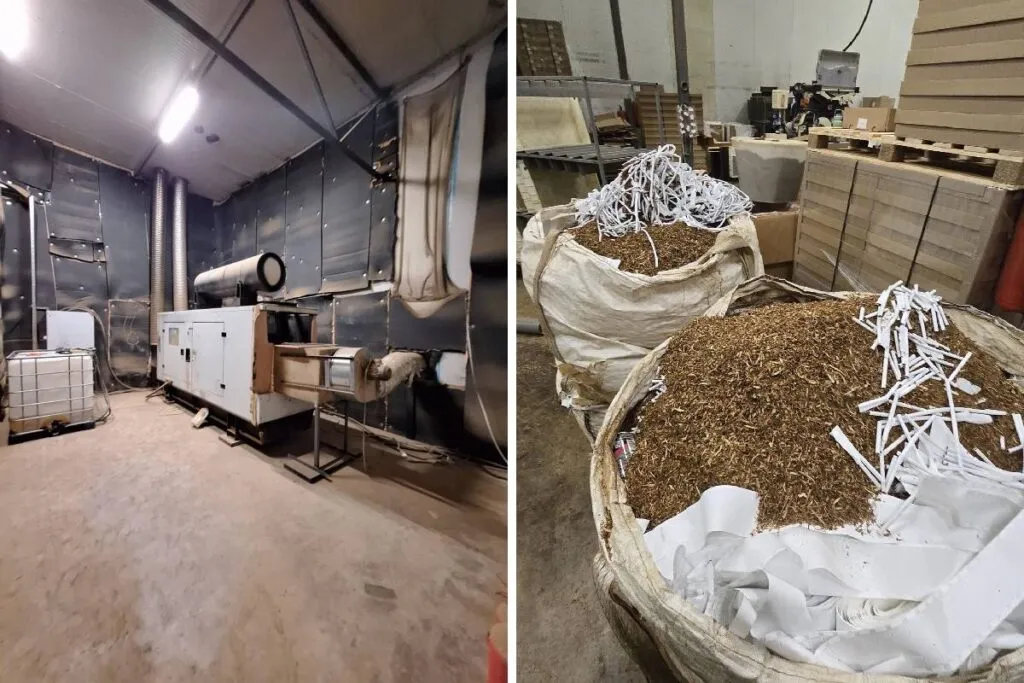
Thirty-four people travelled via Zagreb to a hall with no daylight, where they worked 12-hour shifts without pay. The only...
Less than a week before the vote, the Slovak prime minister climbed onto Vučić's stage, while N1's journalists are packing...

Zagreb had the deadlines struck out and set eight demands, including one about a training ship. Macedonia knows first-hand what...
Eight Croatian conditions, 2.7 billion euros for military property from the former Yugoslavia and the name of a swimming pool...

A Russian military blogger, his wife and three others expelled from Montenegro - and Moscow is already talking about a...
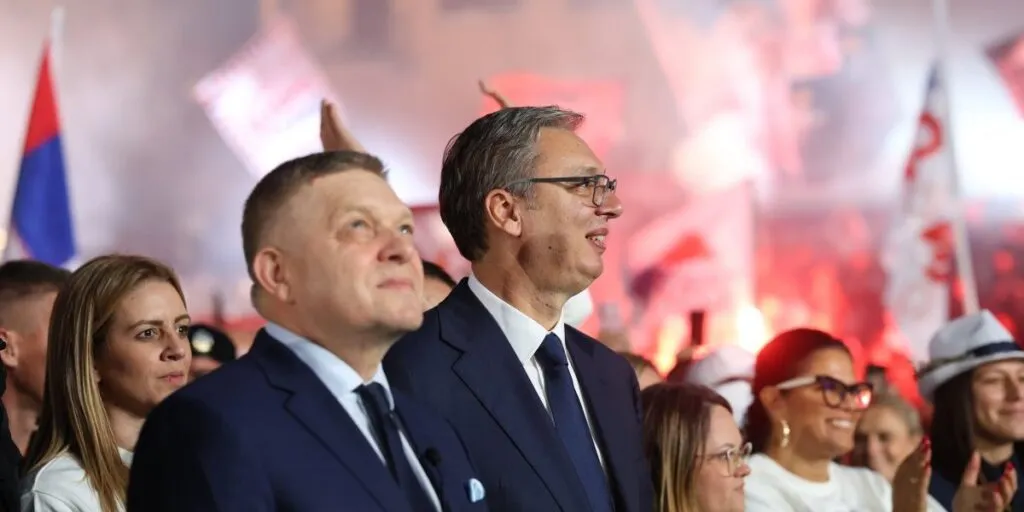
The prime minister of an EU and NATO country climbed onto a campaign stage in Serbia and declared that foreigners...
It started with expensive degrees and poor conditions at universities, and has reached burning ministries and 55 arrests. Is the...
Serbia accuses Zagreb of "the grossest interference in the electoral process" over newspaper articles, and Croatian reporters are bracing for...
Belgrade counted Croatian articles about Vučić and declared election interference. Meanwhile Vučić's campaign ad is almost a copy of a...
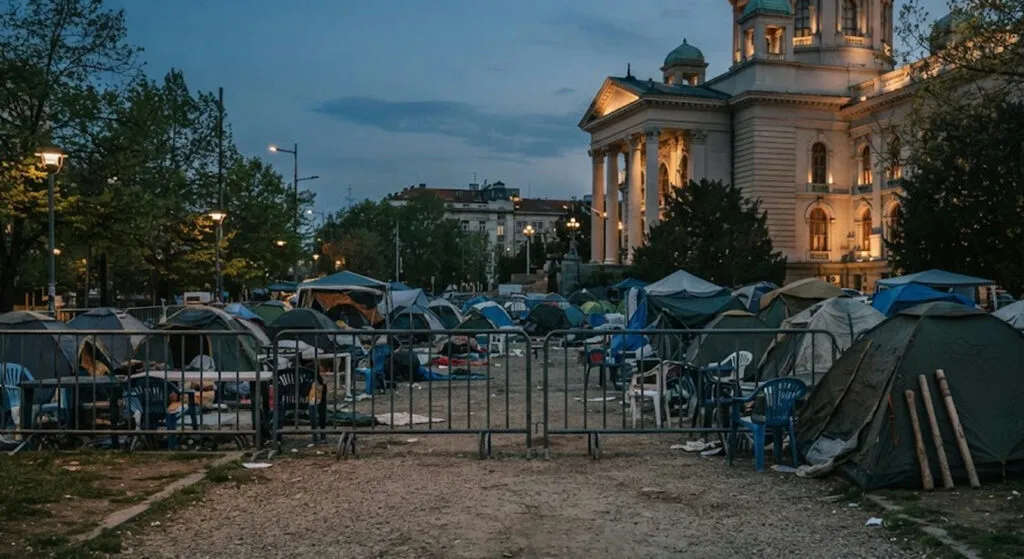
Batons, pepper sprays, balaclavas and a hundred-odd revolvers in Ćacilend, a salary for no work and cash from the city...
This site uses cookies - is that okay? Learn more
Be the first to know when Metla launches something new
Leave your email and we will write when there is a new guide or something new on Metla.


