

The Mihailova Case Goes to NATO: Mickoski Blames Sofia, and the Interior Ministry Still Hasn't Explained How She Crossed the Border
17.10.2026


17.10.2026
17.10.2026
17.10.2026
17.10.2026
17.10.2026
17.10.2026
17.10.2026

16.10.2026

15.10.2026

17.10.2026

17.10.2026

16.10.2026

17.10.2026

17.10.2026

17.10.2026

17.10.2026

16.10.2026

15.10.2026

17.10.2026

17.10.2026
17.10.2026

17.10.2026

17.10.2026

17.10.2026

17.10.2026

16.10.2026

15.10.2026
15.10.2026

13.10.2026

12.10.2026

23.04.2026

23.04.2026

12.04.2026

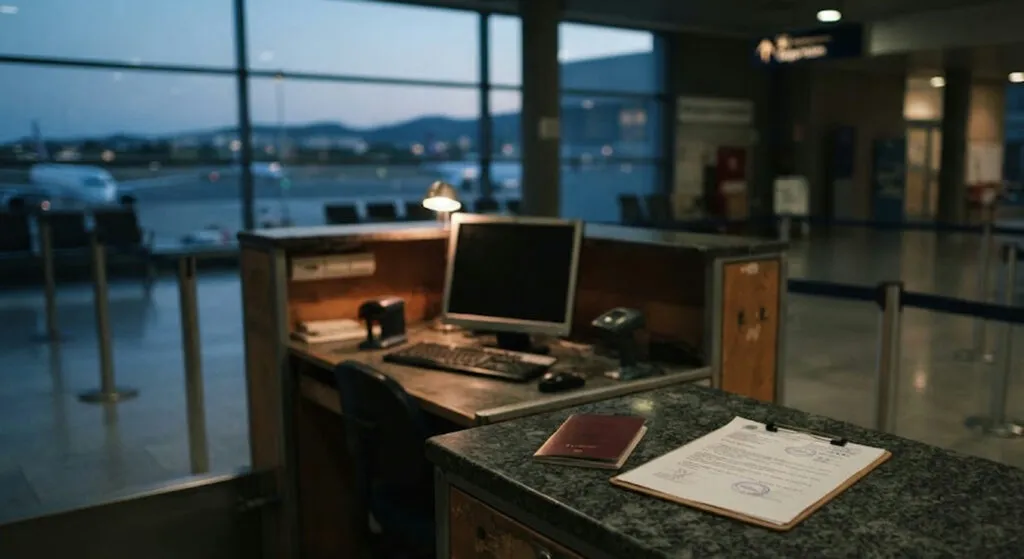
Russian Foreign Ministry spokeswoman Maria Zakharova has accused Montenegro of taking part in the persecution of Russian citizens. According to her, Montenegro is on Russia's list of unfriendly states, and on its territory Russian citizens are "literally being hunted." Harsh words. The trigger, though, was the detention of one blogger and his companions.
Let's take it in order. On 9 October, in Risan, Montenegrin police and the National Security Agency detained Mikhail Zvinchuk, founder of the well-known military analysis project "Rybar", together with his wife and three other Russian citizens. The authorities in Podgorica then decided to expel all five, citing reasons of national and internal security. The Montenegrin side claims the operation was carried out to prevent alleged hybrid activity. Moscow rejects that explanation.
Zakharova didn't stop at Montenegro. She claims Washington has launched a global hunt for Russian citizens and that the danger of detention no longer applies only to countries Moscow officially considers unfriendly. "On several occasions we have warned our citizens about the danger and advised them not to travel to certain countries because of the high risk of detention or arrest on the territory of those states, at the request of US law enforcement agencies and special services," she said.
According to her, the targets aren't just journalists and people linked to politics, but also citizens whose work, at first glance, has nothing to do with international relations. The irony is hard to miss: the case that set off the whole story isn't about a random tourist on holiday in the Bay of Kotor, but about the founder of a military analysis project. That hardly fits the category of "people with no connection to politics."
Montenegro is a NATO member and an EU candidate, so Podgorica clearly judged that the security measure was worth more than peace with Moscow. Moscow judged it to be persecution. Between those two judgements stands the small Balkan state, once again serving as the stage for a message the big players send each other. Is it Podgorica's sovereign decision - or is someone else writing it, with Podgorica just signing?
With the Zvinchuk case, relations between Moscow and Podgorica have grown even sharper. Podgorica talks about hybrid threats, Moscow about a manhunt. So who will be first to show something more than a press release - Podgorica its evidence of hybrid activity, or Moscow its evidence of the "hunt"?
The latest 10 news from this category
Eight Croatian conditions, 2.7 billion euros for military property from the former Yugoslavia and the name of a swimming pool...
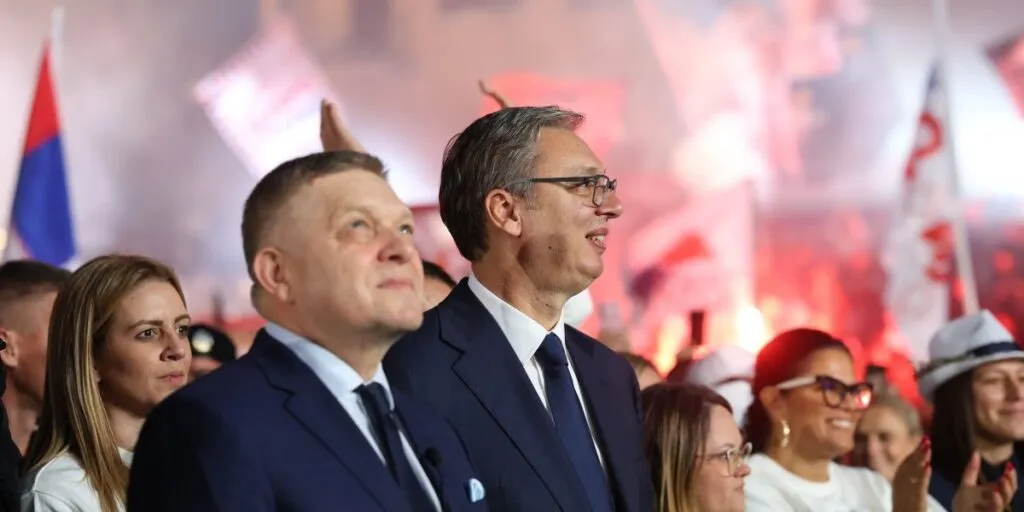
The prime minister of an EU and NATO country climbed onto a campaign stage in Serbia and declared that foreigners...
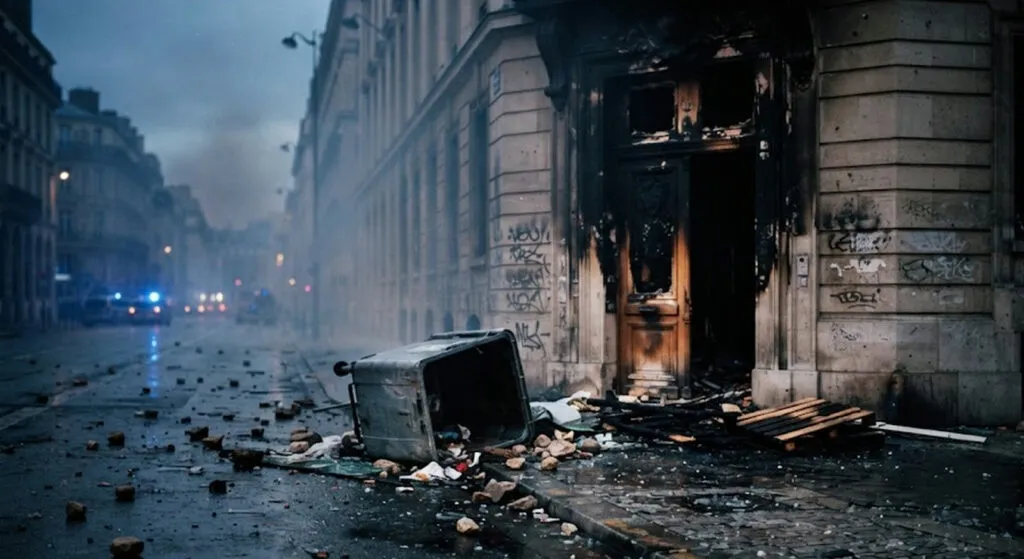
It started with expensive degrees and poor conditions at universities, and has reached burning ministries and 55 arrests. Is the...

Serbia accuses Zagreb of "the grossest interference in the electoral process" over newspaper articles, and Croatian reporters are bracing for...
Belgrade counted Croatian articles about Vučić and declared election interference. Meanwhile Vučić's campaign ad is almost a copy of a...
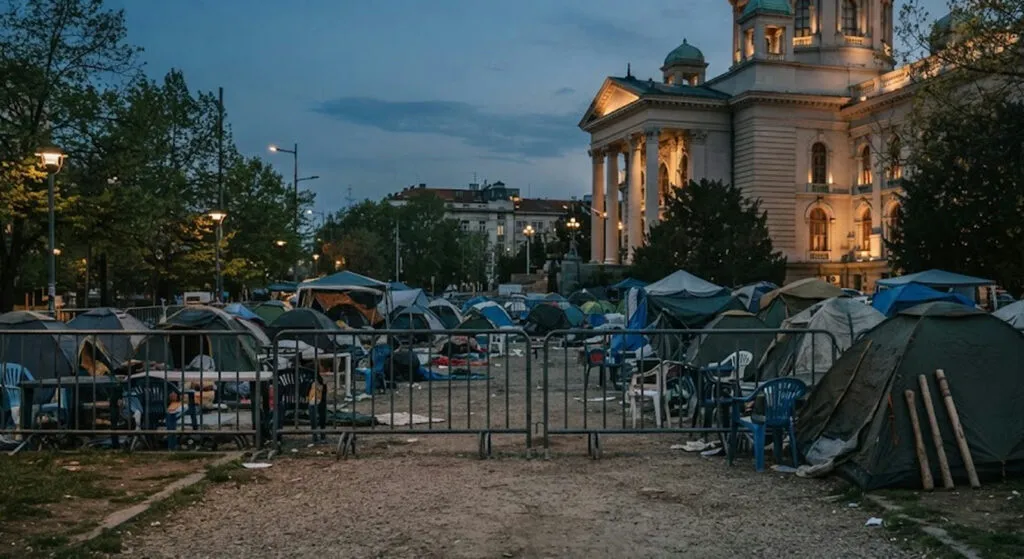
Batons, pepper sprays, balaclavas and a hundred-odd revolvers in Ćacilend, a salary for no work and cash from the city...
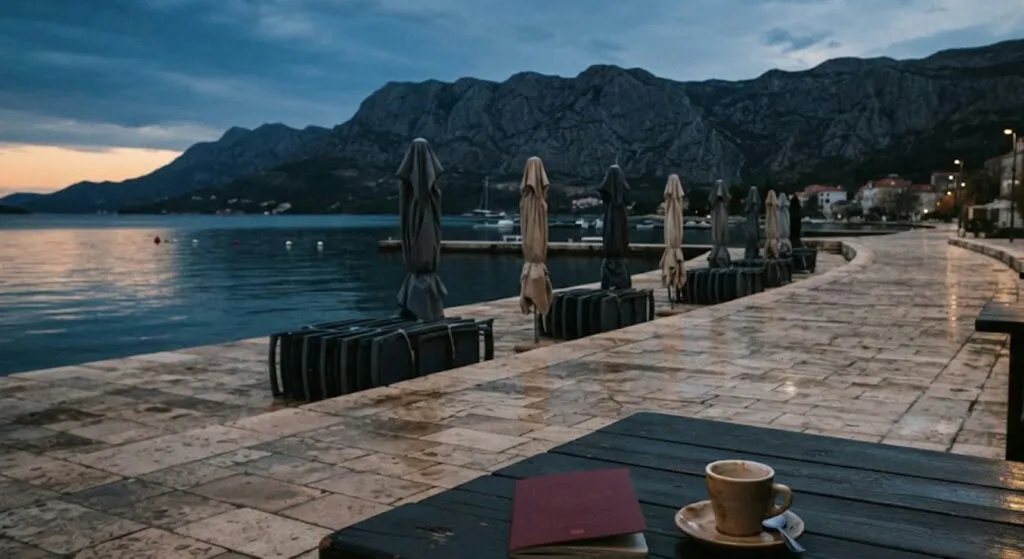
From November 1, Russians will no longer enter Montenegro on a passport alone, and Moscow immediately answered with visas for...
Belgrade has refused to sanction Moscow for years, and now Vučić claims even the US no longer fully enforces sanctions....
Of the four questions only one is binding, and the one that matters most to people from the former Yugoslavia...
Since the start of 2025 Republika Srpska has spent over four million dollars on lobbyists close to Trump. When that...
This site uses cookies - is that okay? Learn more
Be the first to know when Metla launches something new
Leave your email and we will write when there is a new guide or something new on Metla.


