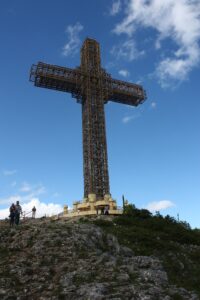
New LED Lighting on Vodno "for the First Time Ever": the Mayor Boasts, but Why Did the Mountain Spend So Many Years in the Dark?
08.07.2026


08.07.2026

08.07.2026

08.07.2026

08.07.2026

08.07.2026

08.07.2026

08.07.2026

08.07.2026

07.07.2026

08.07.2026

08.07.2026

08.07.2026

08.07.2026

07.07.2026

06.07.2026

08.07.2026

08.07.2026

08.07.2026
08.07.2026

08.07.2026

07.07.2026

09.03.2026

27.02.2026

19.02.2026

08.07.2026

07.07.2026

07.07.2026

23.04.2026

23.04.2026

12.04.2026

Three suspects in the attack on a 14-year-old boy in Skopje's Chento neighborhood received only precautionary measures - and that is exactly what has stirred the public. According to the suspicions, the boy was physically attacked and suffered seven stab wounds. Despite the severity of the injuries, the three are currently not being prosecuted for attempted murder, but for the lesser offense of "violence against a child."
The Basic Criminal Court accepted the prosecution's proposals: the suspects were barred from leaving their place of residence, obliged to periodically report to the competent authority, and had their travel documents temporarily seized. They are also forbidden from approaching or contacting the injured child and his parents. The prosecution says the investigation continues, that all medical documentation is being secured, and that a medical expert assessment is awaited - on which it will depend whether the legal classification changes.
This is exactly where the questions the parents are asking out loud arise. The attack happened on June 22, and the criminal complaint was filed eleven days later. Why so late? In a public statement, the boy's mother claims that one of the attackers carried not only a knife but also an automatic rifle - so she believes the case should be treated as attempted murder, not ordinary violence.
When a child takes seven stab wounds and the suspects go home with only an obligation to report in from time to time, the ordinary citizen has every right to ask: where is the line between "violence" and "attempted murder"? The institutions say it all depends on the expert findings. But for the family spending its nights by a hospital bed, every day of delay is one more day in which justice looks slower than the pain. Who will answer if the assessment shows the classification was wrong from the very start?
The latest 10 news from this category
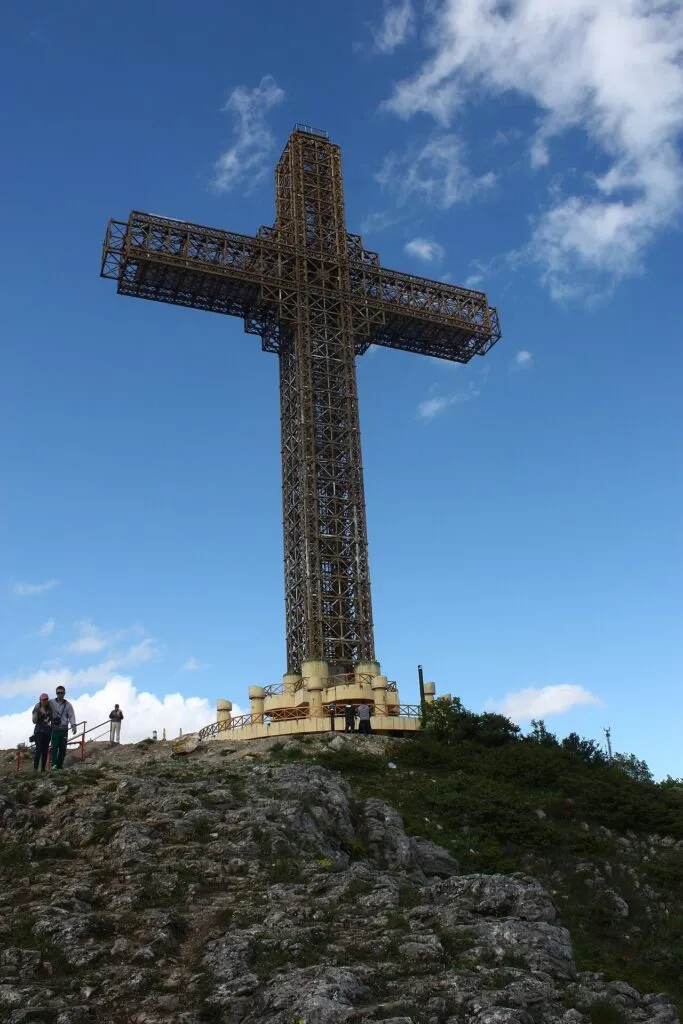
New railings, asphalt, and benches for Skopje's lungs. The real measure won't be the likes under the post, but whether...

Workers clear 82,000 tons, sweep in three shifts, teach 747 children - and some still create illegal dumps right where...

The Silent Call feature lets victims quietly ask for help without speaking. A great idea - but the app is...

Instead of a debate on how Macedonians abroad should vote, we get a contest in press releases. When electoral rules...
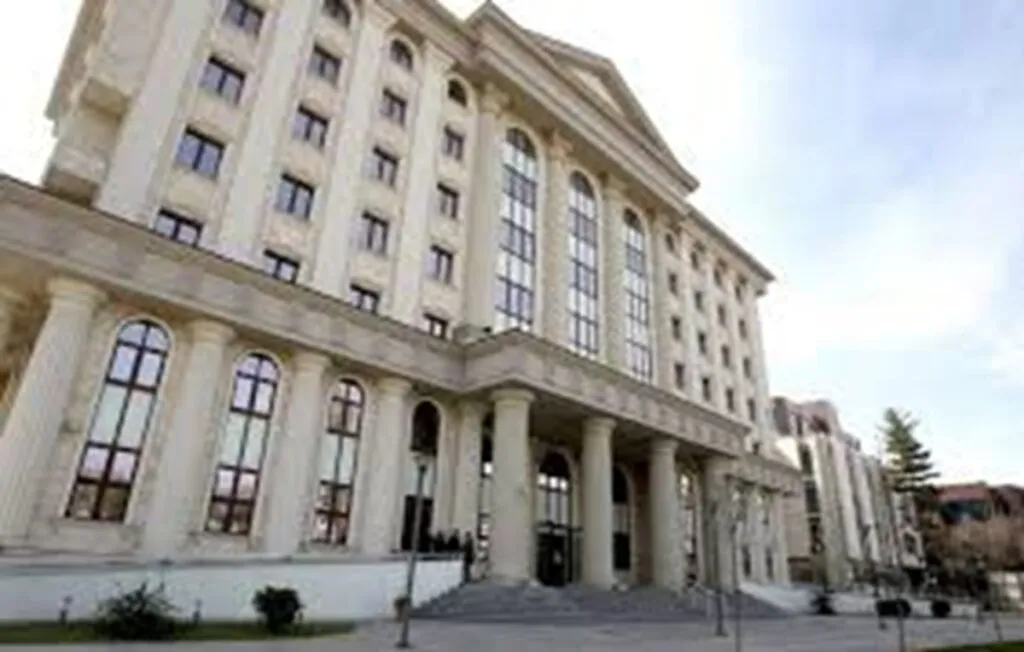
Only two candidates applied to run the country's most important criminal court. The chair has been won - but citizens...

These aren't independent patrols - the Serbian officers work only alongside Macedonian colleagues. A nice gesture, but a guest comes...

For the first time, such a high representative from Mount Athos sets foot in Bigorski. In a time when we...

Four murders, all victims women, a sentence up to life in prison. The trial is a test of whether institutions...

A story every Macedonian family with a child studying abroad reads with a tightened heart. Until the final analyses, no...

High schoolers aged 15 to 17 with chest pain and seizure-like episodes. The same product, the same age, the same...
This site uses cookies - is that okay? Learn more