
Twenty-one fires in a single day: the record nobody wanted to break
13.08.2026



13.08.2026

13.08.2026

13.08.2026

13.08.2026

12.08.2026

12.08.2026

13.08.2026

13.08.2026

12.08.2026

13.08.2026

13.08.2026

13.08.2026

13.08.2026

12.08.2026

11.08.2026

13.08.2026

13.08.2026

13.08.2026

13.08.2026

13.08.2026

12.08.2026

09.03.2026

27.02.2026

19.02.2026

13.08.2026

12.08.2026

11.08.2026

23.04.2026

23.04.2026

12.04.2026
Autumn hair loss does not start in September. It starts now, while everyone is on holiday and nobody is looking. That is the difference between preventing it and watching it happen.
The mechanism is simple and entirely normal. Before summer the hair thickens in response to longer hours of sunlight - an internal defence protecting the head from ultraviolet rays. When the days begin to shorten, that process runs in reverse. Helena Rodero, a pharmacist specialising in hair care, describes it like this: it is tied to the life cycle of the follicle, it begins in August, but we do not notice while we are away.
Lucía Altozano, who owns a dermatological pharmacy in Madrid, is blunter: autumn shedding is prevented in summer. September is late. By that point the hair has already passed through the telogen phase - the one that precedes shedding - and what you see on the brush is the result of decisions made two months earlier.
There is a distinction that rarely gets made and that changes everything. If the hair is falling from the root, you assess the cycle and the internal causes. If it is breaking mid-length and at the ends, then you are dealing with a damaged strand. Both can happen at once after summer, but they require completely different approaches - and this is where most people buy the wrong product for the wrong problem.
Supplementing with biotin, zinc, iron, B and D vitamins, amino acids and selenium genuinely does work against hair ageing. But Altozano adds a warning the supplement industry has no interest in repeating: taking them indiscriminately is not harmless. An excess of micronutrients such as selenium or certain vitamins can cause side effects and make the shedding worse. So more is not better.
Noelia Jiménez, a salon owner, links it to diet: a complete, healthy diet shows on the body, on the skin and on the hair. Rich in vitamins means better thickness, shine and texture. Poor hydration and poor eating mean a weakened, frizzy strand.
And there is one belief that deserves to fall. Many people think frequent washing damages hair, so they stretch out the intervals - and end up with greasier hair. Jiménez says the opposite: dirty or greasy hair suffocates the scalp, which leads to loss of thickness and to damage. You wash when it needs washing, with the right product, not by the calendar.
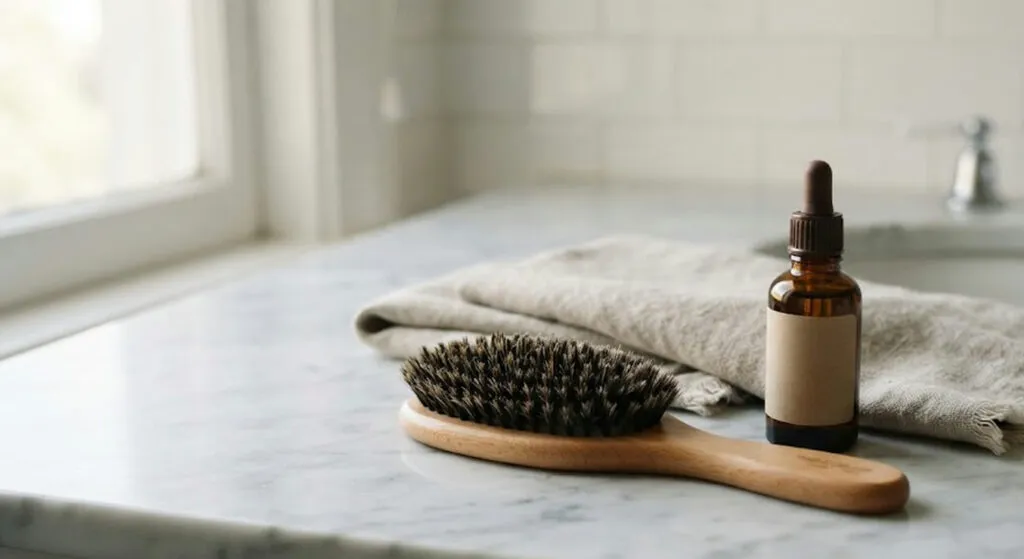
The rest costs nothing at all. Brushing several times a day with a wooden brush of natural bristles, starting from the ends - that stimulates circulation, removes dirt and releases the strands that have already come out. Never sleep with wet hair. Do not tie it too tight. Change the pillowcase often. Not one of those rules requires setting foot in a pharmacy.
The latest 10 news from this category

Merino wool keeps you cool, while ordinary acrylic traps heat and moisture. The difference is one line on the label...

One dress with detachable parts instead of two gowns. And the best detail is neither the dress nor the decor...

Fashion sells it as taste maturing. The chronology shows something else - every new industry demanded new packaging.

A fan is not a solution, it is the same trap under a different name. The basics cost almost nothing...

A wedding lasts twelve hours, and the dress is cut for one. The sleeves and the cape come off in...
Every season the fashion industry finds a way to declare your old pieces expired. This time the tool is a...
A brush doesn't create density that physically isn't there. That's the arithmetic no viral clip will mention to you.
A long stem lengthens the picture in a couple of seconds, with no other intervention in the outfit. A big...
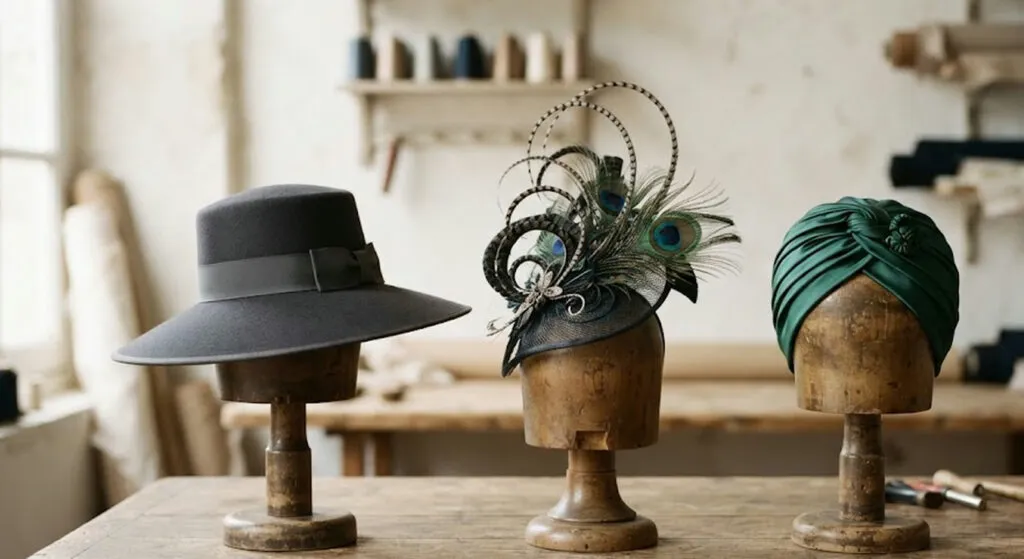
One model bought in seven colours, a rose worn fifteen years after a christening, a beret made by her own...

It does not promise more hair, but the same result with fewer side effects. And the part the miracle-ampoule industry...
This site uses cookies - is that okay? Learn more
Be the first to know when Metla launches something new
Leave your email and we will write when there is a new guide or something new on Metla.