
Twenty-one fires in a single day: the record nobody wanted to break
13.08.2026



13.08.2026

13.08.2026

13.08.2026

13.08.2026

12.08.2026

12.08.2026

13.08.2026

13.08.2026

12.08.2026

13.08.2026

13.08.2026

13.08.2026

13.08.2026

12.08.2026

11.08.2026

13.08.2026

13.08.2026

13.08.2026

13.08.2026

13.08.2026

12.08.2026

09.03.2026

27.02.2026

19.02.2026

13.08.2026

12.08.2026

11.08.2026

23.04.2026

23.04.2026

12.04.2026

Wool in August sounds like a joke. And of course it is - if we are talking about a thick jumper in forty-degree heat. But the rule „wool is for winter” is one of those we inherit ready-made, nobody checks it, and in the end it costs us money every time we buy a summer knit that torments us all day.
The key is not the fibre, but the type of fibre and the way it is knitted. Merino wool is very airy, light and regulates body temperature well. It does not warm like classic thick wool and it absorbs moisture well. So the word „wool” on a label tells you almost nothing until you read which type it is and how it was knitted.
Marta Mangano, who has her own label in Barcelona, explains it more concretely: there are many light wools - merino, or blends with silk - that are perfect for summer. Wool has thermoregulatory properties, which means that with the right construction it keeps you cool in a hot climate. She changes her knitting by season: winter needs denser structures and thicker yarns, summer needs more open stitches and thinner yarns that let air through.
Here comes the part the industry does not advertise. Many of us have bought a knitted vest, shorts or a dress supposedly designed for summer, which in the end turned out to be a mistake. The reason is simple: we expect the result of a luxury piece for thirty euros, and that is not a price at which such a fabric can be produced. Merino wool and blends that imitate the properties of noble fibres barely appear in those price ranges.
Synthetics, for their part, do not deserve total demonisation. Polyamide is airy, absorbs moisture well and dries quickly - an advantage in a hot climate. But ordinary polyester and acrylic trap heat and moisture and quickly become unpleasant. The difference between them is one line on the label nobody reads.
Viscose is another option - an artificial fibre made from wood cellulose that looks like silk, takes dye well, absorbs moisture and feels fresh. Blends are not automatically bad. The question is whether the blend was made to bring the price down or to use what each fibre does best.
The list worth remembering is short: merino, a wool-silk blend, cotton, knits with polyamide, knits with viscose. The rest depends on the stitch. And on whether you are willing to turn the garment over and read what it says - a ten-second job that decides whether you will wear that dress for three summers or three times.
The latest 10 news from this category

The hair has already gone through the phase that precedes shedding. Plus one verdict the supplement industry has no interest...

One dress with detachable parts instead of two gowns. And the best detail is neither the dress nor the decor...
Fashion sells it as taste maturing. The chronology shows something else - every new industry demanded new packaging.

A fan is not a solution, it is the same trap under a different name. The basics cost almost nothing...
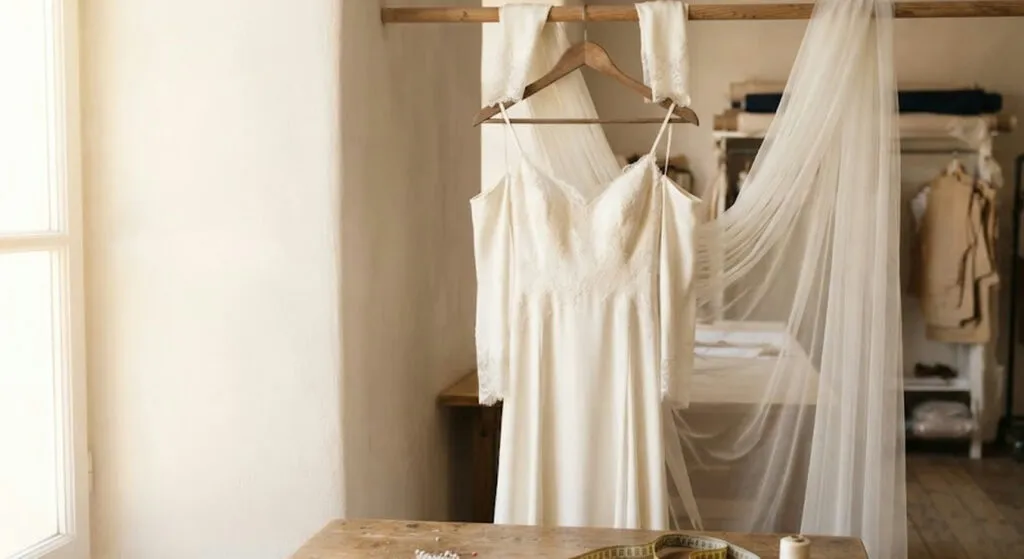
A wedding lasts twelve hours, and the dress is cut for one. The sleeves and the cape come off in...
Every season the fashion industry finds a way to declare your old pieces expired. This time the tool is a...
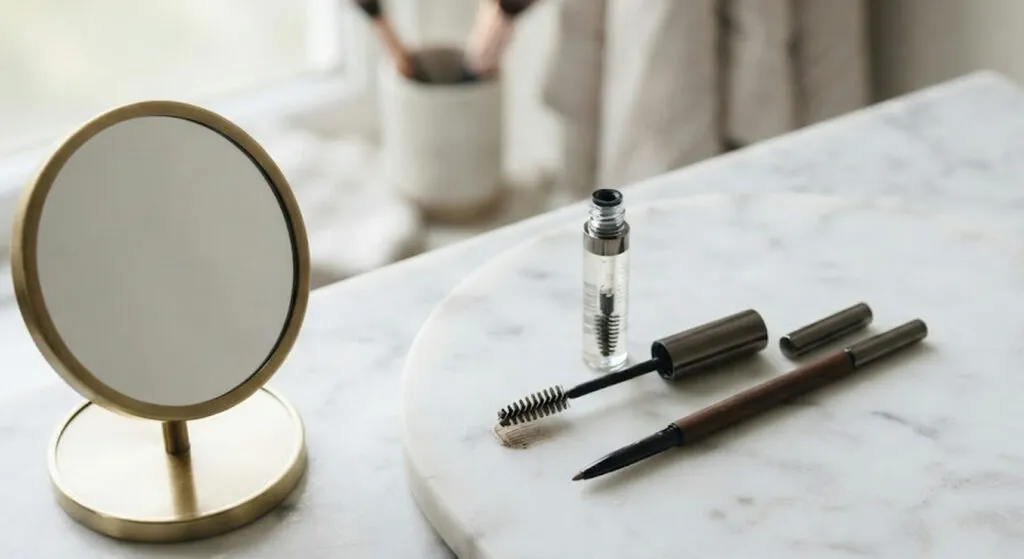
A brush doesn't create density that physically isn't there. That's the arithmetic no viral clip will mention to you.

A long stem lengthens the picture in a couple of seconds, with no other intervention in the outfit. A big...

One model bought in seven colours, a rose worn fifteen years after a christening, a beret made by her own...

It does not promise more hair, but the same result with fewer side effects. And the part the miracle-ampoule industry...
This site uses cookies - is that okay? Learn more
Be the first to know when Metla launches something new
Leave your email and we will write when there is a new guide or something new on Metla.