Ljupcho Has Been Missing Ten Days, and the Family Warned Beforehand: They Got the Referral, the Hospital Said It Was Being Renovated
16.08.2026


16.08.2026

16.08.2026

16.08.2026
16.08.2026

16.08.2026

16.08.2026

16.08.2026

15.08.2026
14.08.2026
16.08.2026
16.08.2026
15.08.2026
16.08.2026
16.08.2026

16.08.2026

16.08.2026

15.08.2026

14.08.2026

16.08.2026

16.08.2026

16.08.2026

16.08.2026

16.08.2026

15.08.2026

09.03.2026

27.02.2026

19.02.2026

16.08.2026

15.08.2026
14.08.2026

23.04.2026

23.04.2026

12.04.2026
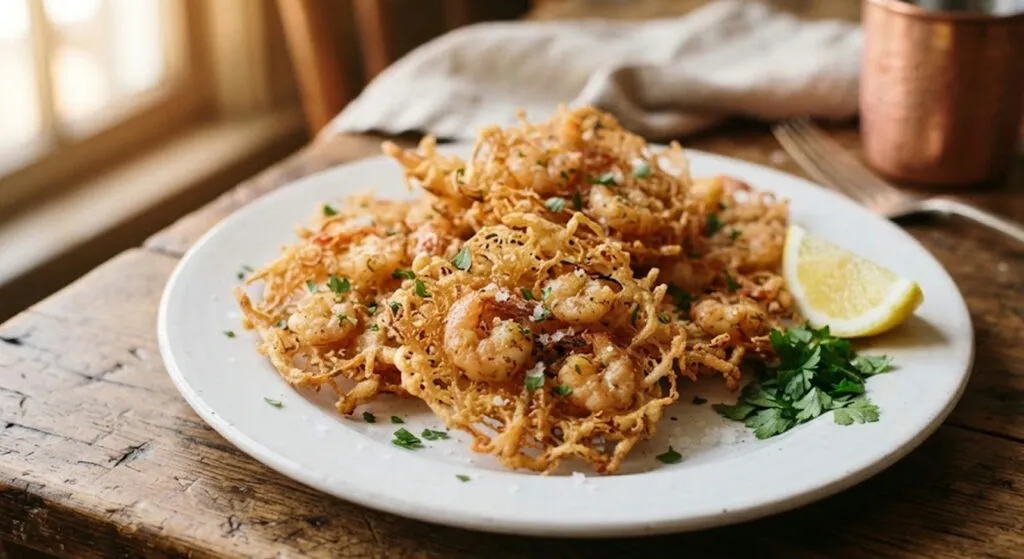
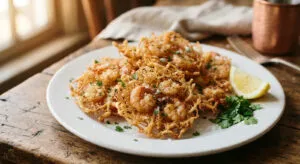
There are dishes that look like anyone could make them and are in fact a test of craft. Tortillitas de camarones - those almost transparent, brittle fried laces full of tiny shrimp - are exactly that kind of dish. The formula is absurdly simple: flour, shrimp, water, parsley, onion and precise frying. The result is either lace or heavy oil-soaked batter, and between the two there is no middle ground.
No egg. The batter must not be thick or greasy. The whole secret is in keeping the mixture liquid enough that it spreads properly in the oil, and controlling the temperature throughout.
Five centuries, and probably Genoa
What is interesting is how old the story is. Researchers place the possible beginnings in the Bay of Cadiz, between the sixteenth and seventeenth centuries. One of the most widespread theories links its birth to the arrival of traders from Genoa, who brought flour-and-water preparations similar to their frisceu - little fritters that could take vegetables, salt cod or small fish.
The gastronomic history of Cadiz also speaks of coexistence with Andalusian preparations using batter to fry various ingredients. Over time, the small seafood found in abundance in the salt flats and estuaries of the bay entered the equation.
There is, however, no birth certificate pointing to one single place as the inventor. Cadiz and San Fernando are associated with the first preparations, and more recent research points to a gradual development.
The two women who changed the dish
If there is one name without which the modern tortillita cannot be understood, it is Venta de Vargas in San Fernando. The family tradition of the place credits Catalina Perez with one decisive change: altering the ratio of the flours to get a much thinner and lighter piece.
Then her daughter-in-law Maria Picardo introduced another essential change - replacing plain water with siphon water. Those bubbles, when they hit the oil, create the characteristic "lace" effect. Today sparkling water is normally used for the same result.
So the dish that three-star restaurants carry today was designed by two women in a tavern, one after the other, each changing a single ingredient. That is a history of cooking of the kind that gets written more rarely - with no chef's name on the facade.
The recipe, as Maria Lo makes it
Maria Lo, winner of a cooking competition and born in the province of Cadiz, gives the recipe that comes out as it should. There are two moments that separate a fine, crisp tortillita from a heavy fritter: the batter and the temperature.
Ingredients: 120 g fresh shrimp, 90 g plain wheat flour, 70 g chickpea flour, 240 g very cold water (with ice cubes), half a spring onion, a little cold beer, fresh chopped parsley, salt to taste and olive oil for frying.
Peel and chop the onion very finely. Separate the parsley leaves from the stalks and chop everything very, very finely. In a bowl put the onion, parsley, the flours and the water - but at first only three quarters of the water, then check the consistency and add slowly as needed. Stir. Add a little just-opened, properly cold beer, salt it and stir.
Put a wide pan on a high flame with plenty of oil. The shrimp go in only just before frying - at that point you fold them into the mixture and start dropping batter into the pan with a ladle. Open the tortillita out with the tip of the ladle so it stays thin and crisp. Wait for it to brown well on one side, turn it, and once it has taken colour, lift it out with tongs onto kitchen paper.
The two things that decide it
The mixture has to stay liquid. That is why the liquids go in slowly, especially if beer is going in alongside the water - the exact quantity depends on the flours and how much they absorb.
Then the heat. The oil should be properly hot but never smoking. The temperature is adjusted during frying so the batter opens out, browns and stays crisp without soaking up too much oil.
For the salt there is a trick: taste a small amount of batter before frying it, or fry a mini tortillita and correct afterwards. This matters particularly because the shrimp carry enough salt on their own.
And finally - if fresh shrimp are hard to find, they can be replaced with small chopped prawns, desalted salt cod, or plant-based versions with seaweed. And tortillitas de camarones are eaten straight out of the pan. With your hands.
The latest 10 news from this category
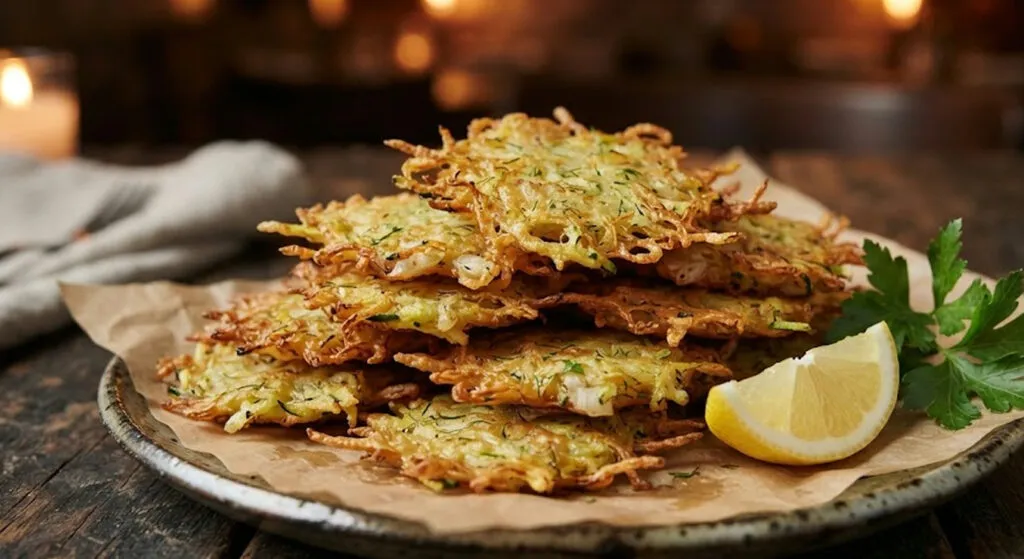
Flour, water and shrimp - five ingredients that cost next to nothing. The whole difference is one decision about the...
A Spanish chef puts the prawn shells back in the water and boils everything else in it. The cheapest part...
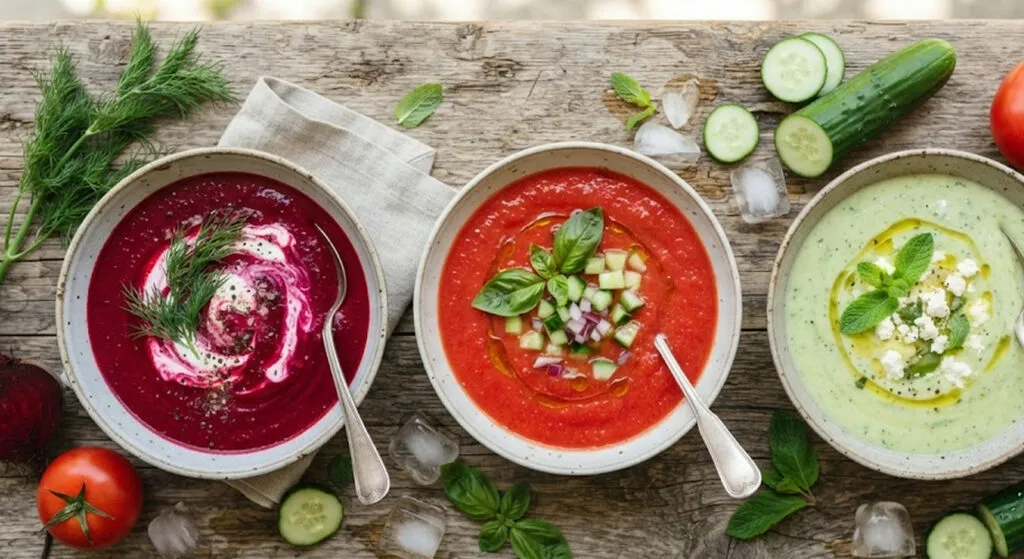
Minerals improve absorption, fibre releases the water gradually. A juicer removes it - and with it a large part of...
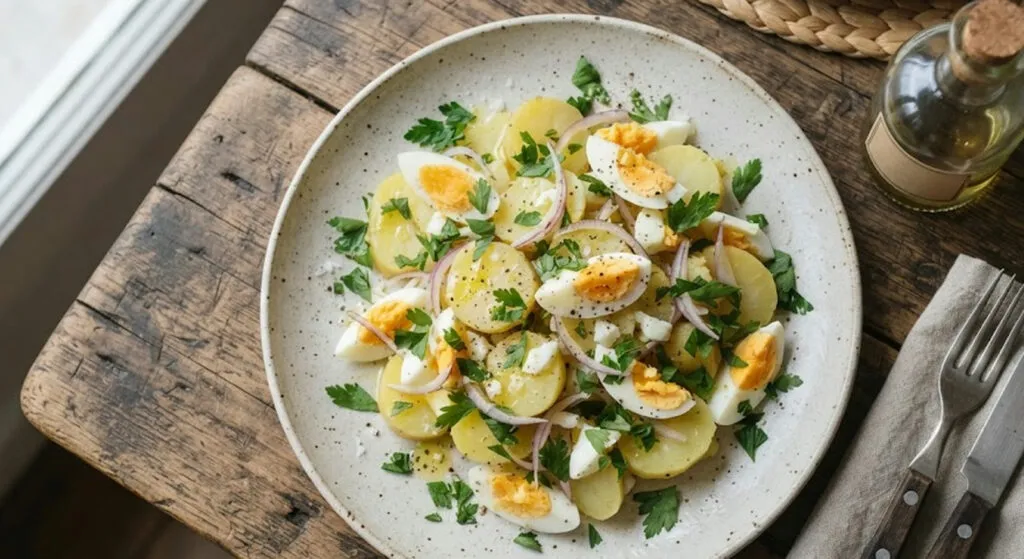
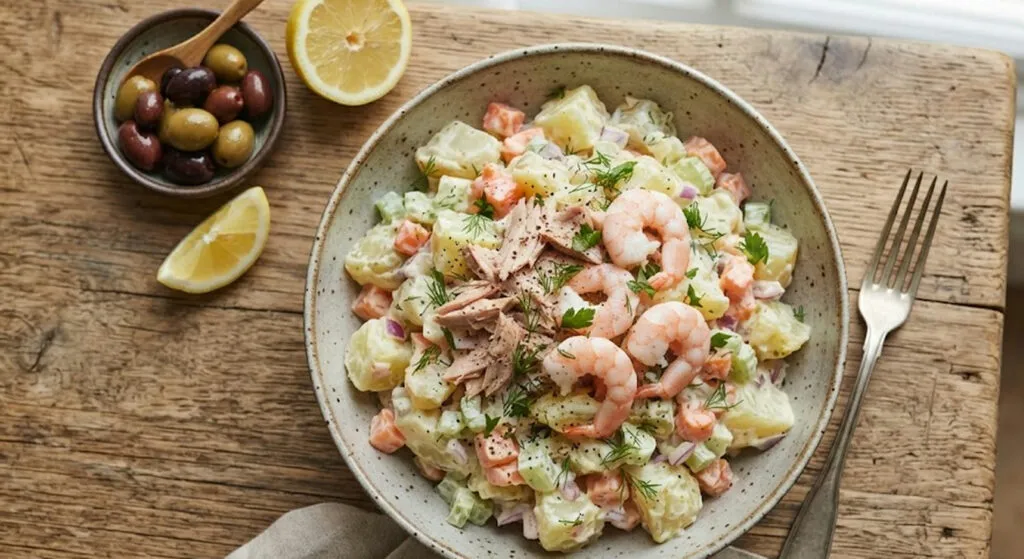
Warm potato absorbs the liquid, cold potato just carries it on the surface. When there is no sauce to hide...
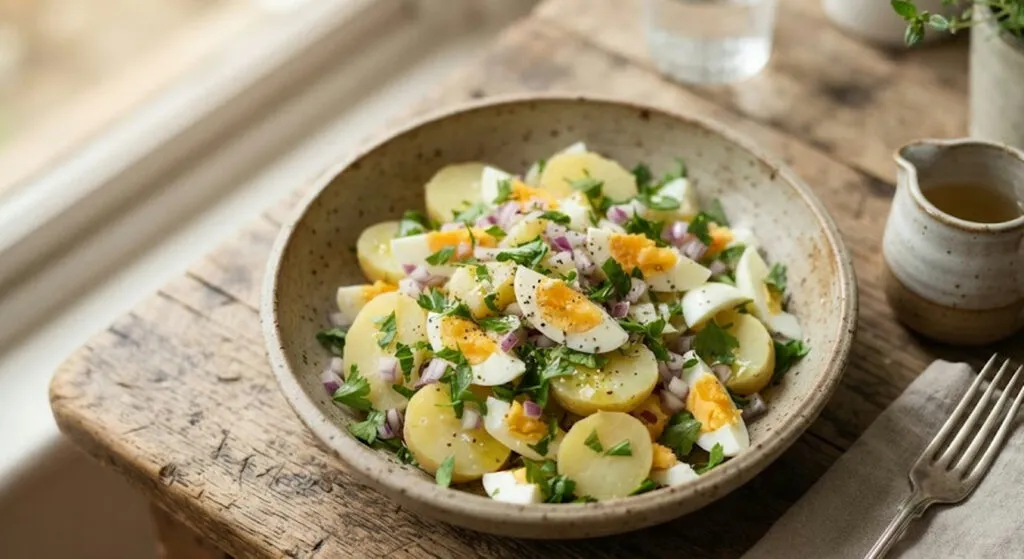
Warm potatoes, not cold. Whoever told you the salad should be chilled in the fridge first sent you in the...
The story about the king who exclaimed „this is gold” is invented, but tiger nut really does contain neither gluten...
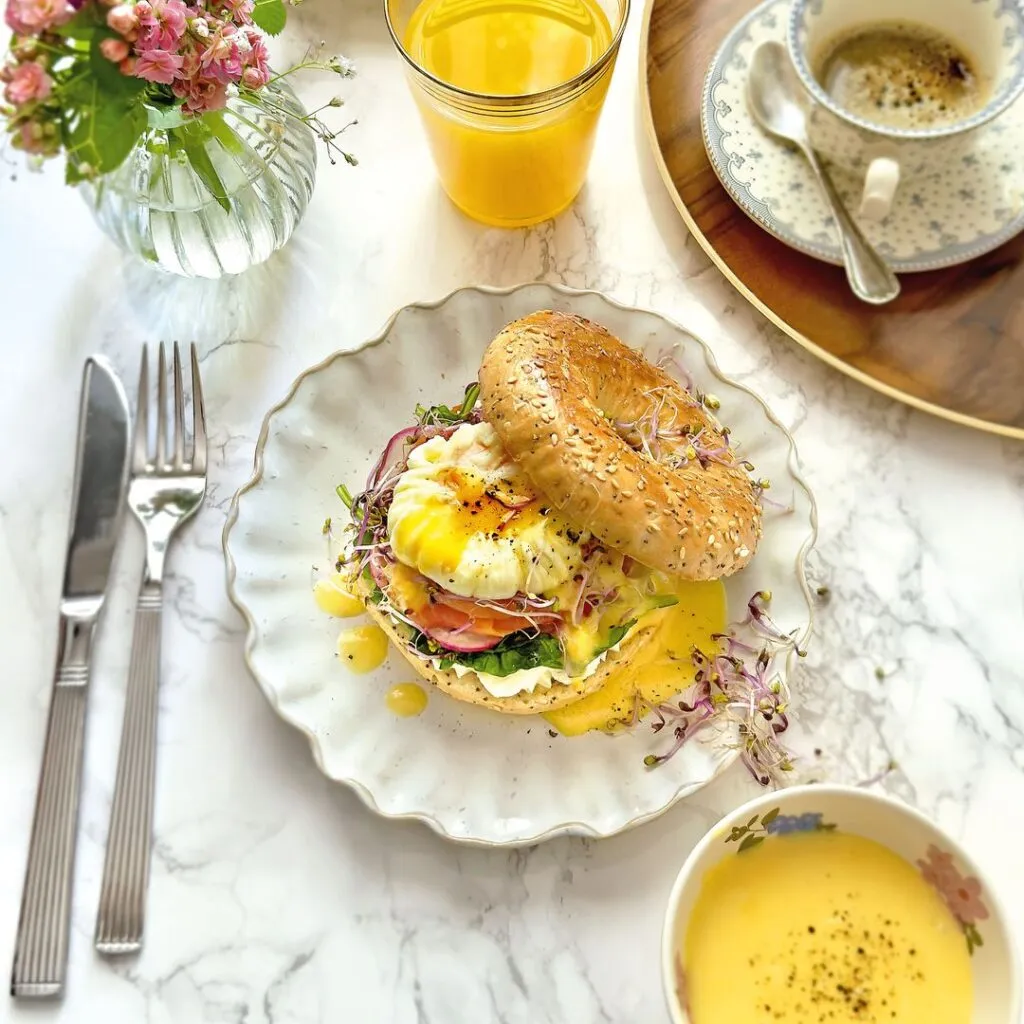
None of the three requires mastery, but all three fail in the same place. Full measures, timings, and the trick...
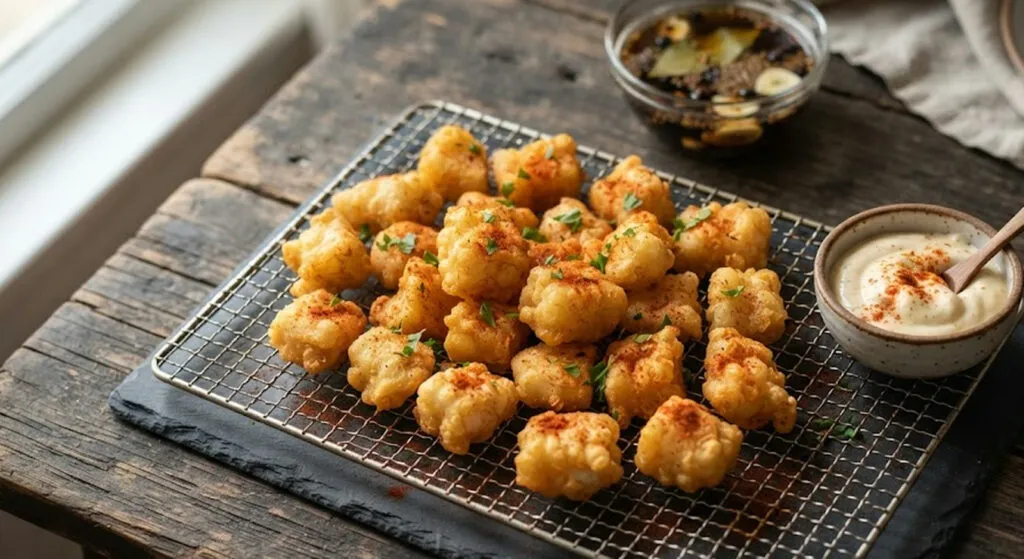
Two steps decide everything - the marinade is not rinsed off, and after frying the fish goes on a rack,...
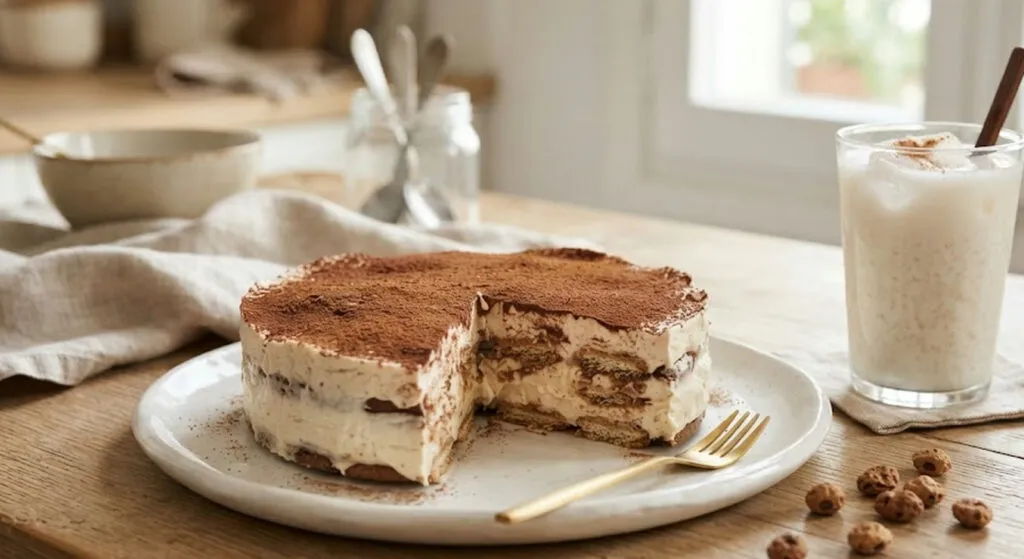
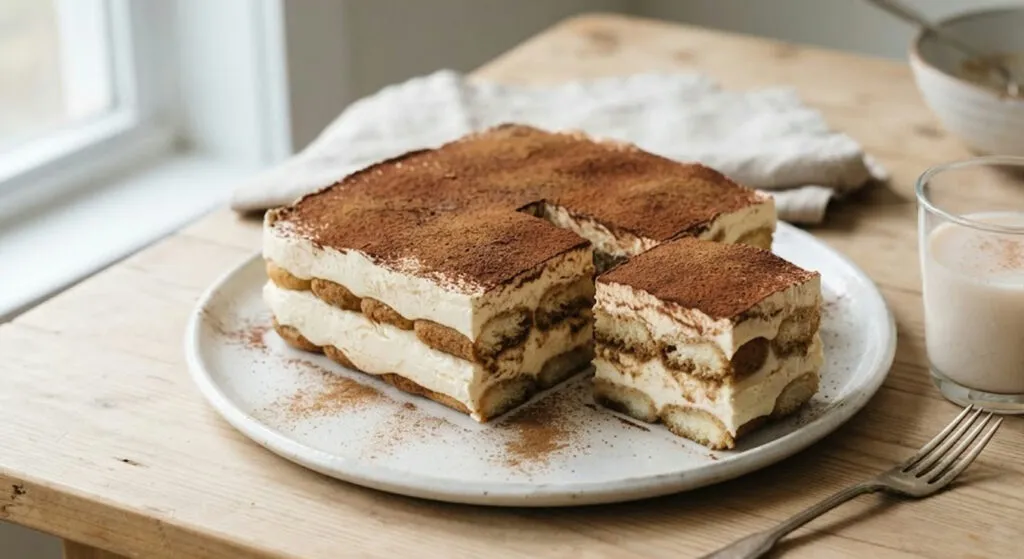
The hardest part is waiting eight hours without opening the fridge. And not holding the sponge fingers in for more...
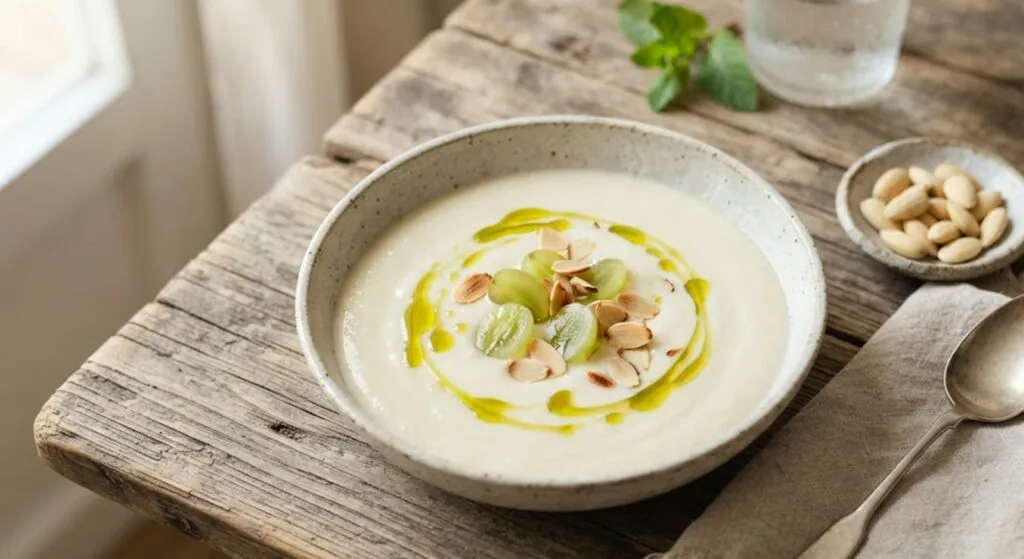
Almonds, bread and garlic - a technique from al-Andalus that survived seven centuries. Gazpacho and salmorejo are the younger versions.
This site uses cookies - is that okay? Learn more
Be the first to know when Metla launches something new
Leave your email and we will write when there is a new guide or something new on Metla.