


Studeničani: 35-year-old dies after being electrocuted while washing his car with a pressure washer
18.09.2026


18.09.2026
18.09.2026

18.09.2026
18.09.2026

18.09.2026
18.09.2026
18.09.2026

17.09.2026
16.09.2026

18.09.2026
18.09.2026

17.09.2026

18.09.2026

18.09.2026

18.09.2026

18.09.2026

17.09.2026

16.09.2026

18.09.2026

18.09.2026

18.09.2026

18.09.2026

17.09.2026

17.09.2026

09.03.2026

27.02.2026

19.02.2026

18.09.2026
17.09.2026

16.09.2026

23.04.2026

23.04.2026

12.04.2026

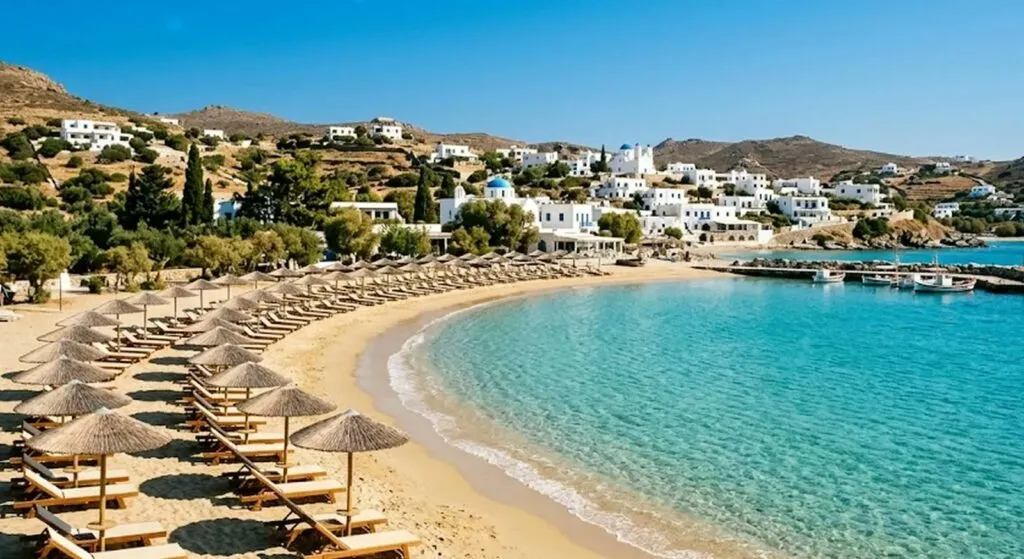
The war in Ukraine has been quietly creeping into central and western Europe for years - through gas pipeline explosions, cyberattacks, aircraft incidents. But when a rocket-propelled sea drone with 300 kilograms of explosives and its engine still running washes up in a cave at the Greek resort of Lefkada, something changes. Greece reacted out loud for the first time.
The Greek foreign minister Giorgos Gerapetritis issued a sharp warning to Kyiv: "The transformation of the Mediterranean into a theatre of military operations will not be tolerated. Greece will ensure that the Mediterranean remains untouched by military activity." In diplomatic language, the sentence means one thing - it is reaching us too, and it is reaching us now.
The drone, about five metres long, was found by local fishermen in a protected cave on the shore. Experts from the Greek army determined that it is a "Magura V5" or "Mamai" model - Ukrainian sea drones used en masse to attack Russian ships in the Black Sea. With 300 kilograms of explosives, they are not small. They sink tankers.
Kyiv hesitates and claims there is "no record of such a vessel." Sound familiar? It is the standard line in moments when answers are seen as too costly. The Greek military investigation is focusing on two hypotheses: launch from a commercial ship, or from a base in Libya. Data analysis has shown that the location where the drone was found had been preprogrammed as a "safe location" - a detail that says a lot about the operational discipline behind the story.
The Greek authorities believe the drone was meant to attack Russian tankers from the so-called "shadow fleet" - ships that carry Russian crude oil without an official registration in Western registries, across the Mediterranean to third-party destinations. Why would Lefkada matter in that calculation? Because from there, it is not far to the key shipping lanes. And because Greek territorial waters are already being used as a passive part of a war that is being waged without a formal declaration.
For Balkan readers, the question is simple. If Greece, a member of NATO and the EU, has to defend its territory from drones sent by a warring side it sympathises with, what happens to us, who are not in either of those alliances in that form? And how does a country react when war comes to its doorstep - not as a declaration, but as a five-metre submersible with a gun on the porch? Lefkada gave us an answer. Quiet. Diplomatic. But with very little room for ambiguity.
The latest 10 news from this category
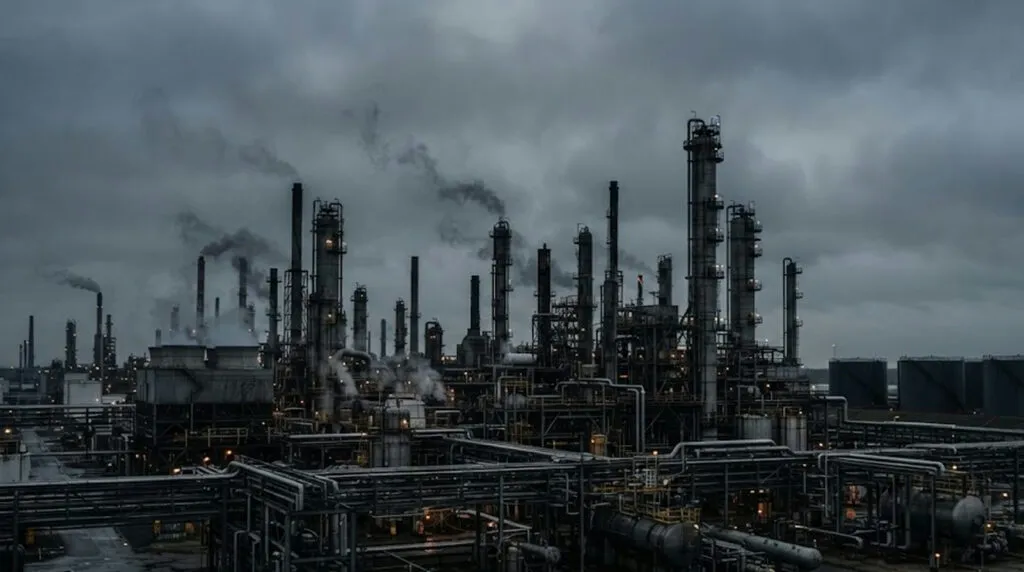
The bill passed with 262 votes, and the key to it has been handed to a man who has already...
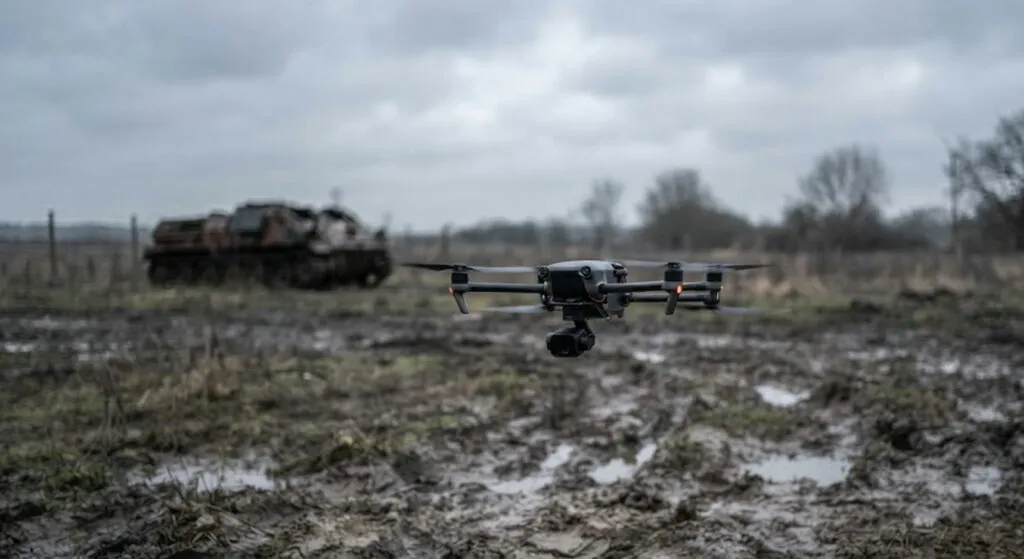
Ukraine adapts in weeks, the Alliance in decades. Europe is paying for Patriot systems from 1991 and is only now...
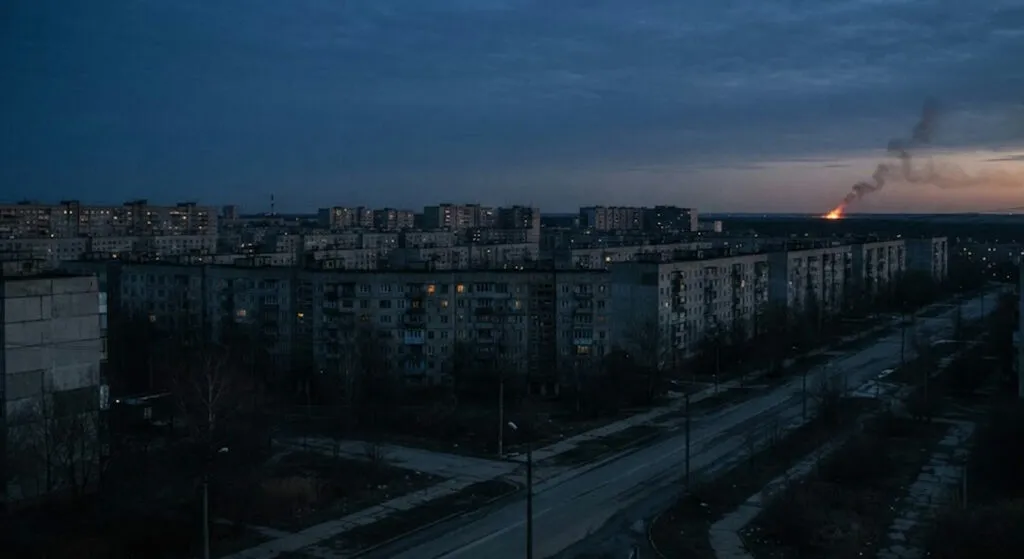
Missiles and drones on the Ukrainian capital, damaged water mains and residential buildings. The same night, Ukrainian drones set the...
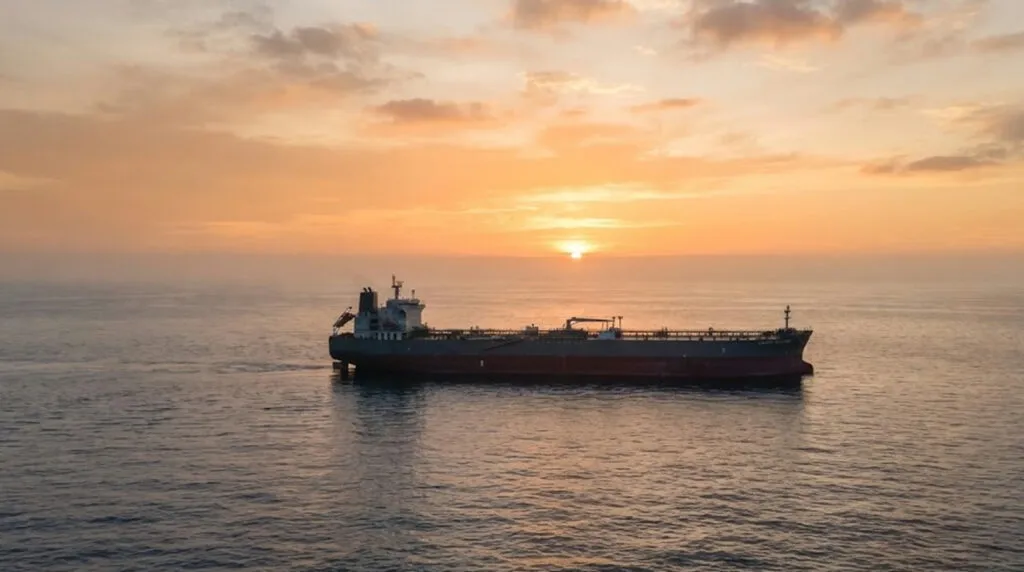
Trump hopes the war is ending and is preparing to gather the Gulf leaders. Oil prices have jumped, and the...
Ukraine says when, where and which unit did it. Russia's defence ministry has not a single sentence about the circumstances....
Norway's prime minister talks about a plane a drone "almost hit". Moldova, the only party holding the figures, reported that...
Ukraine was shooting down nine out of ten of the old drones. Then Russia changed the drone - and in...
It was shot down a few minutes after midnight, and all of Vilnius got a warning on their phones. Two...
The entire story comes from one side, and the headlines turn it into a turning point. The difference between the...
Between 2,300 and 3,000 North Korean soldiers have died in Kursk so far. Kim Jong Un has found an export...
This site uses cookies - is that okay? Learn more
Be the first to know when Metla launches something new
Leave your email and we will write when there is a new guide or something new on Metla.
